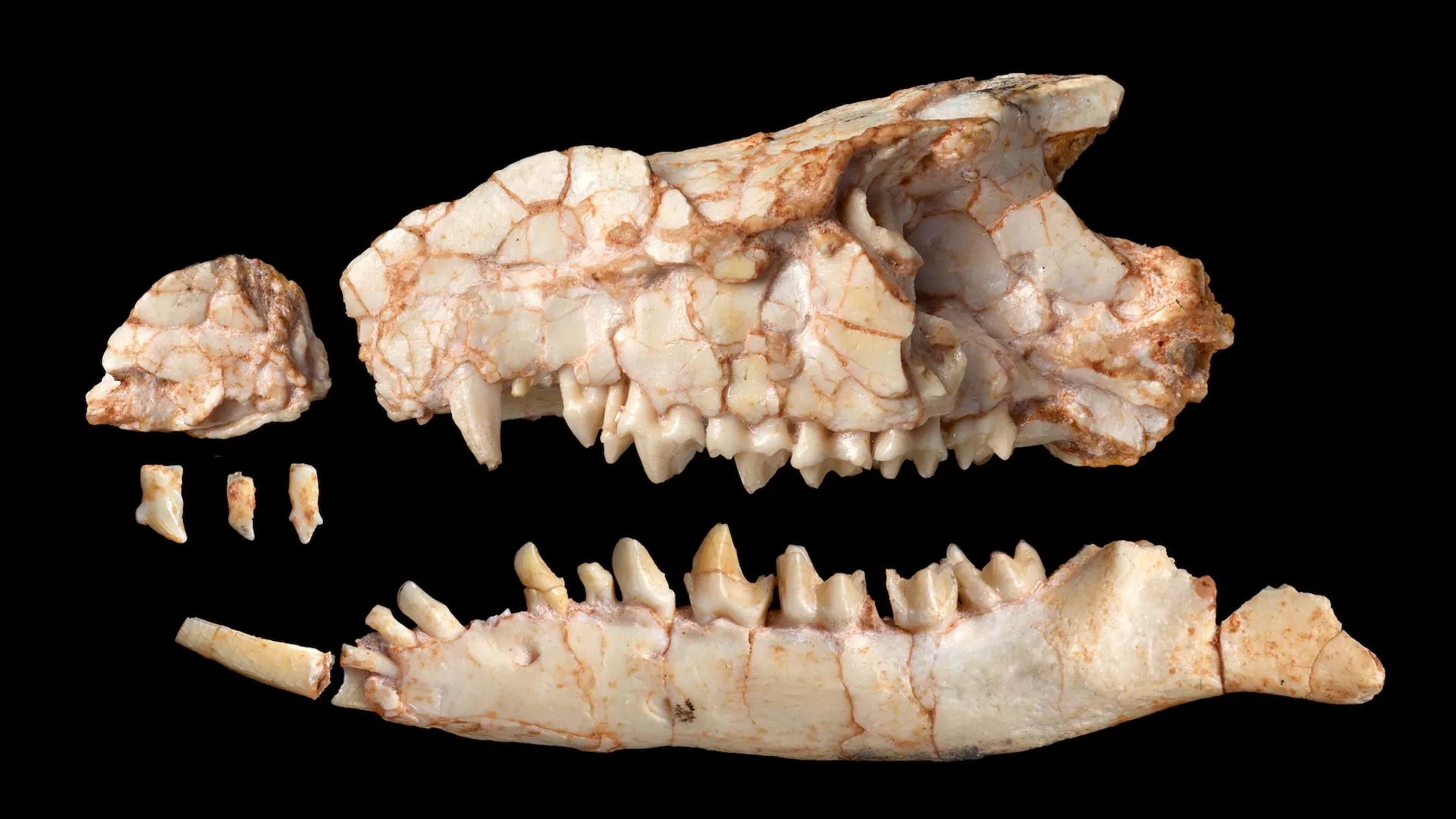
Fossil Teeth From a Thai Coal Mine Reveal a 66-Pound Rodent That Lived 34 Million Years Ago
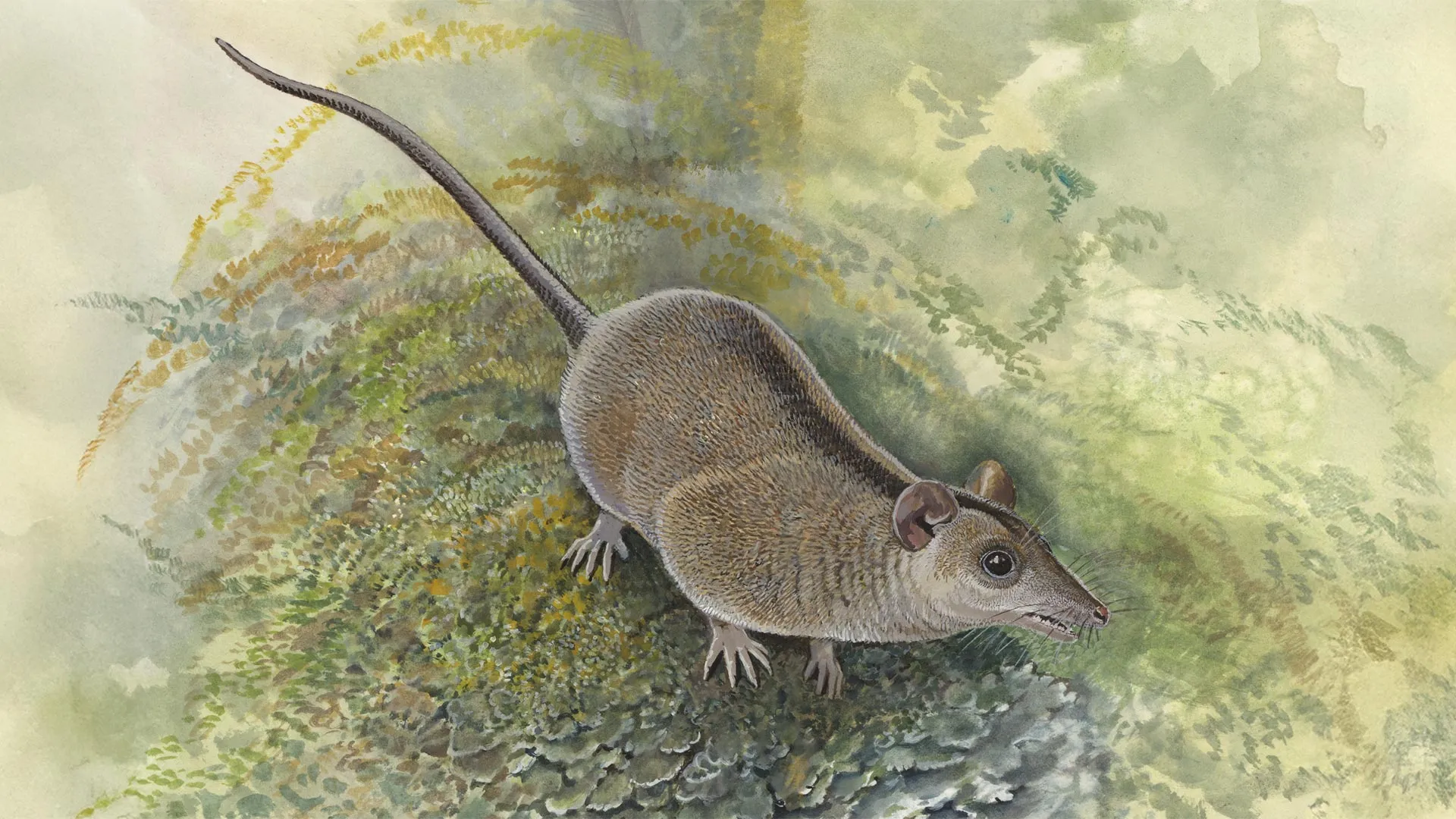
Yakamys sirindhornae, about twice the size of its known rivals, suggests giant rodents evolved earlier, and in Southeast Asia, than scientists believed.

Yakamys sirindhornae, about twice the size of its known rivals, suggests giant rodents evolved earlier, and in Southeast Asia, than scientists believed.
Curtin University researchers say fossilized red blood cells in a Brazilian theropod are the first to carry direct chemical proof of hemoglobin-derived molecules.

Megacauda sungei, a semiaquatic relative of mammals from Inner Mongolia, carried bony palate hooks like those that support suckling and swallowing in living mammals.

Tenuicruris piscanexum is known from two leg bones found near Richmond, including the first lower-leg bone of its kind from Australia's Cretaceous.

The 60-centimeter Austronaga minuta from southern China preserves the oldest known largely complete digestive system in a reptile, with traces of blood still in its liver.

A nearly complete skeleton of Tamirkhan balcarceli shows that zhelestids, long assumed to be early hoofed-mammal relatives, belonged to an entirely different lineage.

Kayrasaurus changliensis stretched more than 11 feet and packed over 77 tiny teeth into its jaws, making it the largest therizinosaur yet found in the Early Cretaceous Jehol Biota.

The University of Arizona-led team says the world's largest rodent, a wetland animal that lives nowhere in Chile today, must have walked around the top of South America along a coastal corridor rather than over the 18,000-foot Andes, and that the coast was once 'sunny Southern California full of palm trees.'

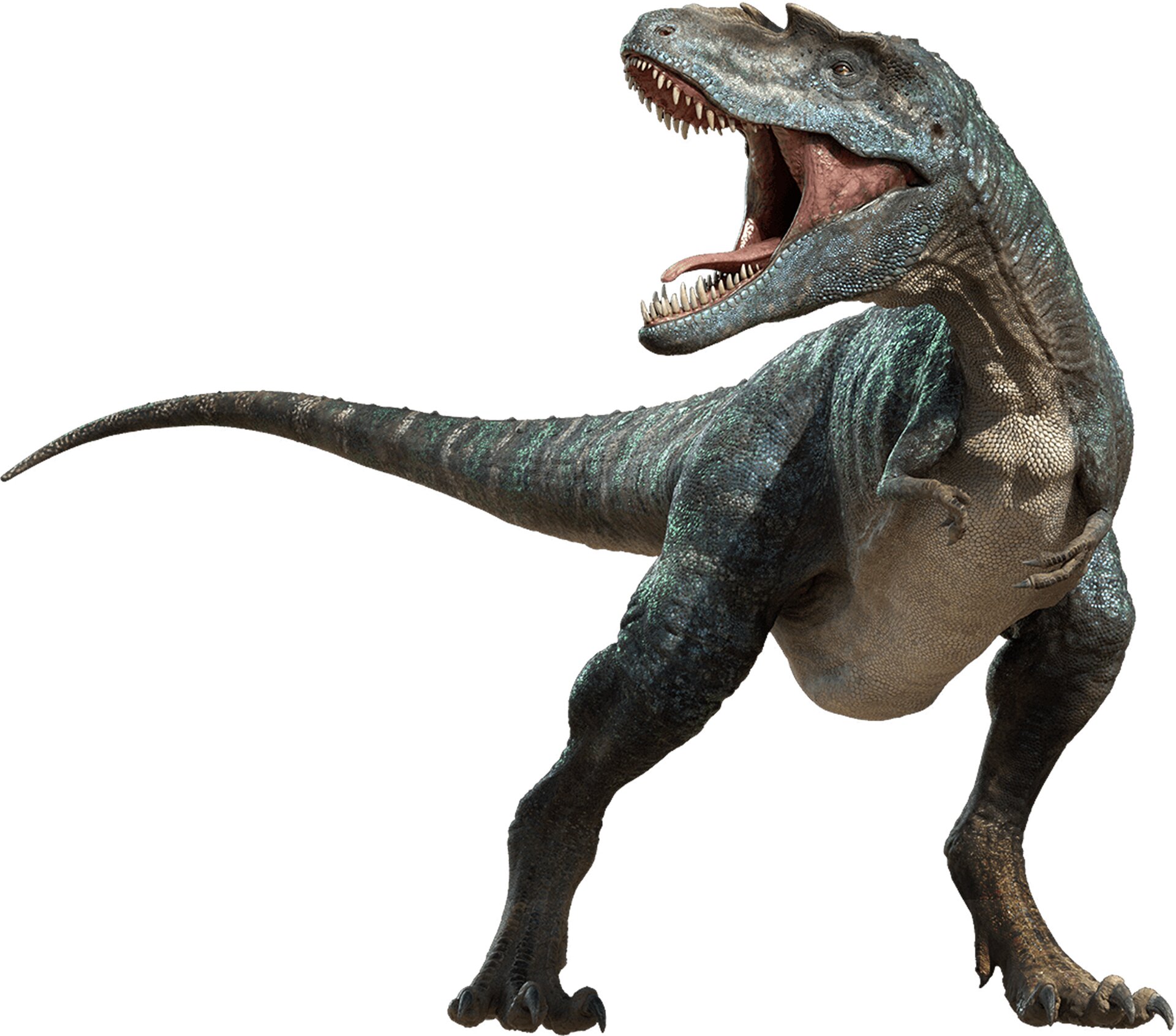
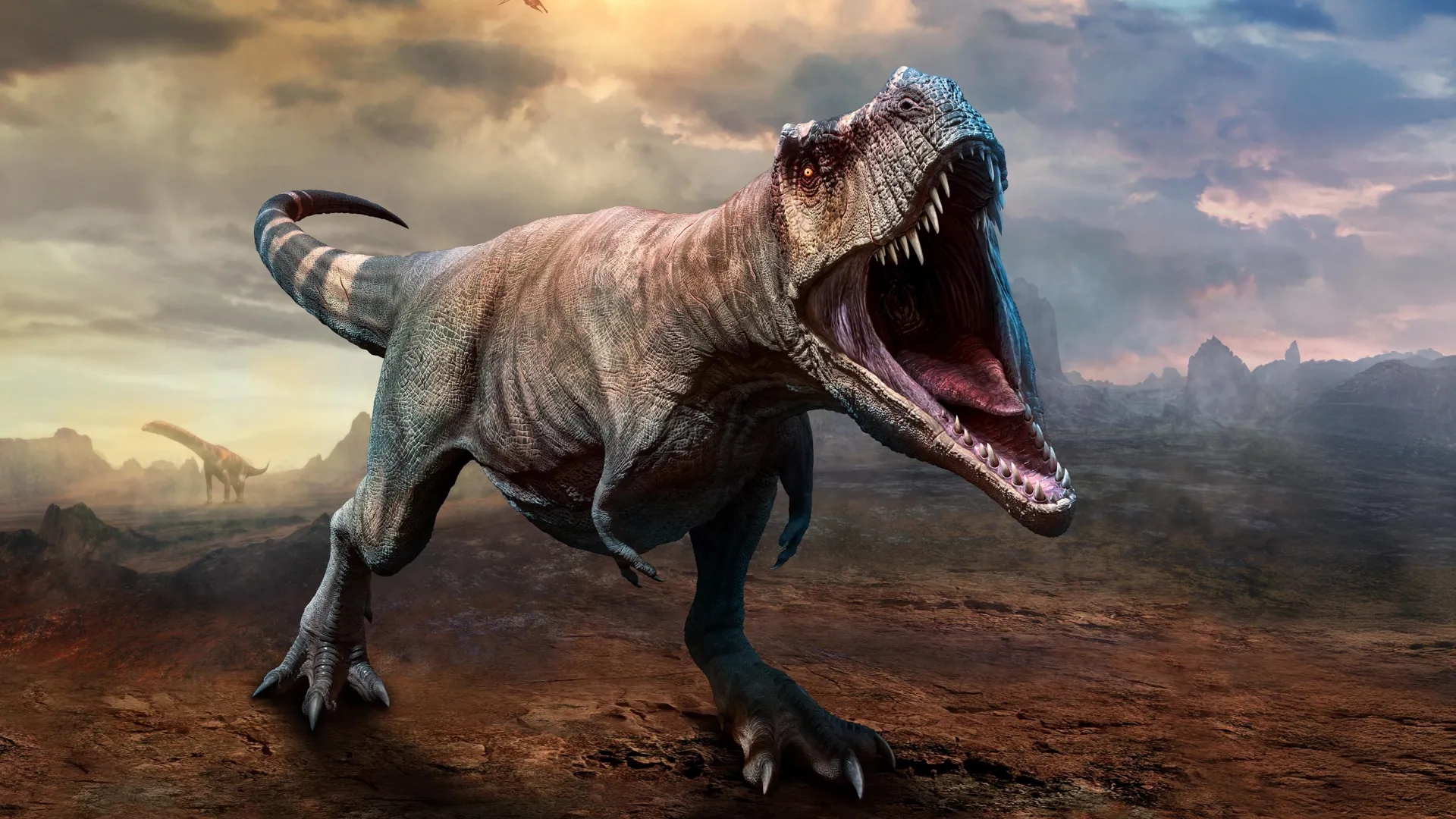
It's the first actual number for a tyrannosaur's body heat. The isotope 'thermometer' needed 90% less enamel than a decade ago, which is what finally persuaded the Natural History Museum of Los Angeles County to let them drill Thomas the T. rex.

Dinodontosaurus isiyavamanda, a 240-million-year-old tusked herbivore, ties Tanzania's fossil beds to Brazil and Argentina. The rocks that were supposed to hold the earliest dinosaurs can no longer claim the title.

Fourteen tail vertebrae and a set of chevron bones from a single animal, excavated at La Tejería in Teruel, place the giant as a close relative of Diplodocus hallorum. The find, published in the Journal of Vertebrate Paleontology, redraws the Late Jurassic map.

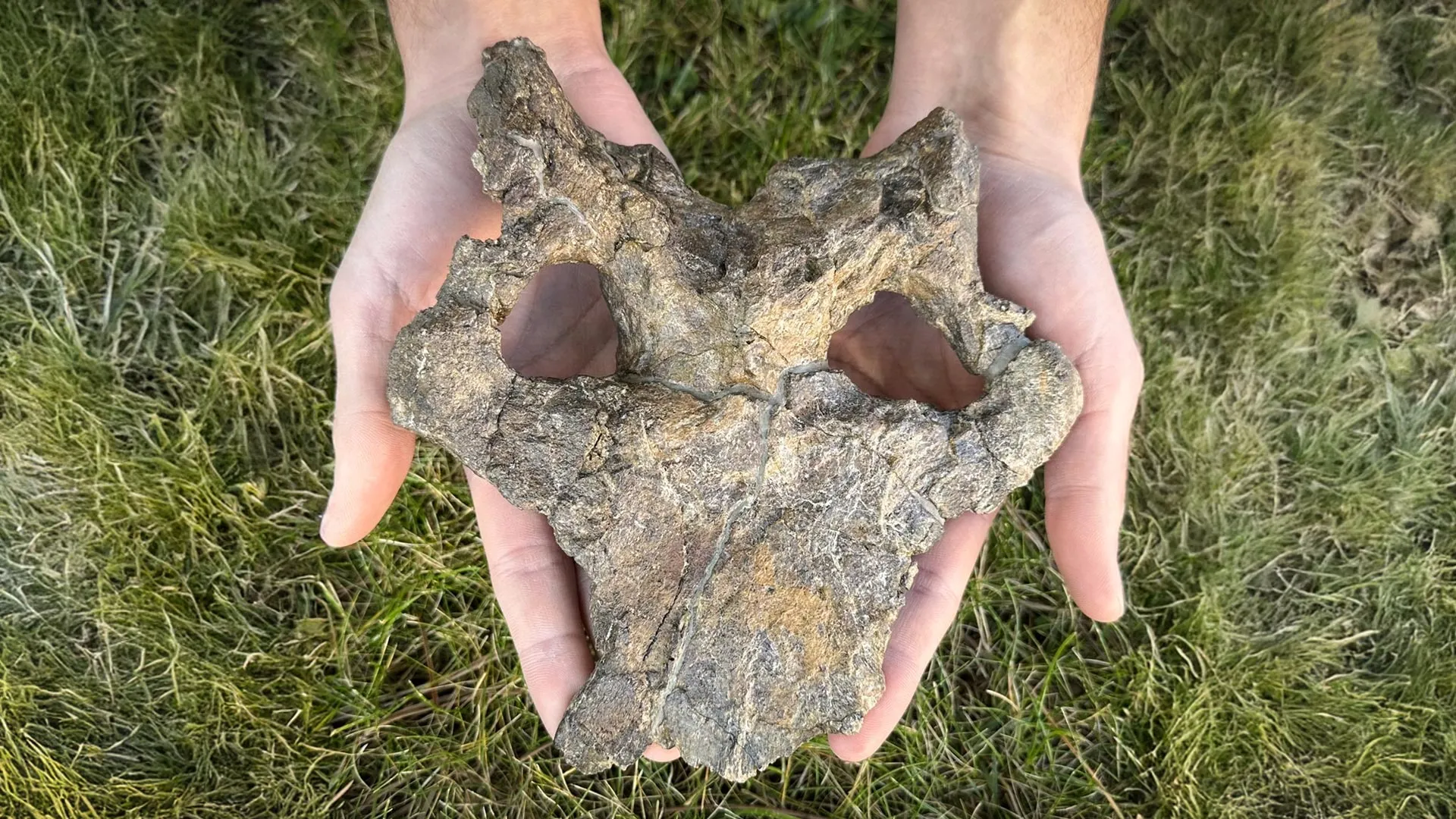
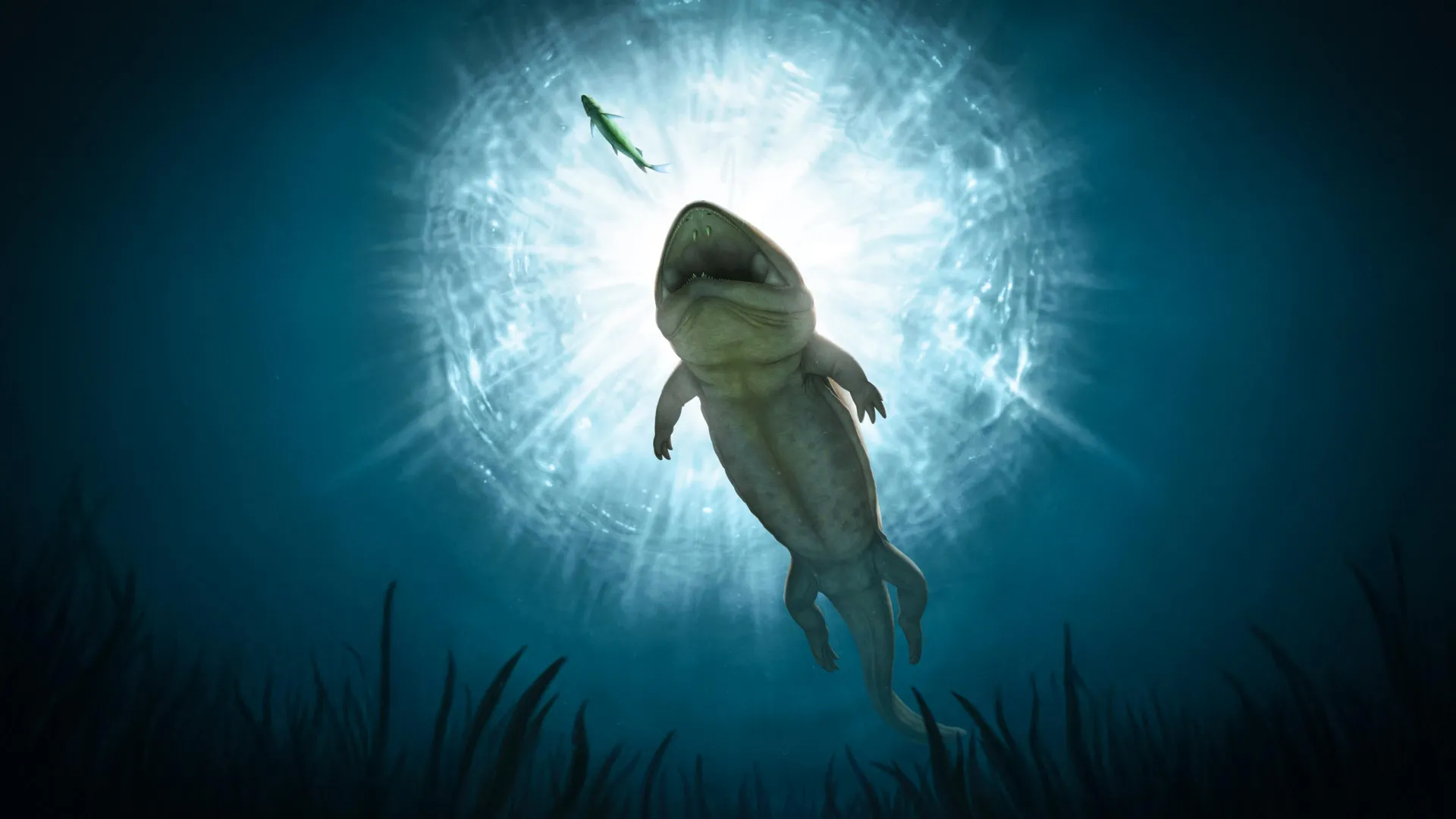
Arctobatrachus urdensis had a boomerang-shaped skull 27 inches wide and 8 inches long. It is the largest plagiosaurid ever found, and one of the oldest.

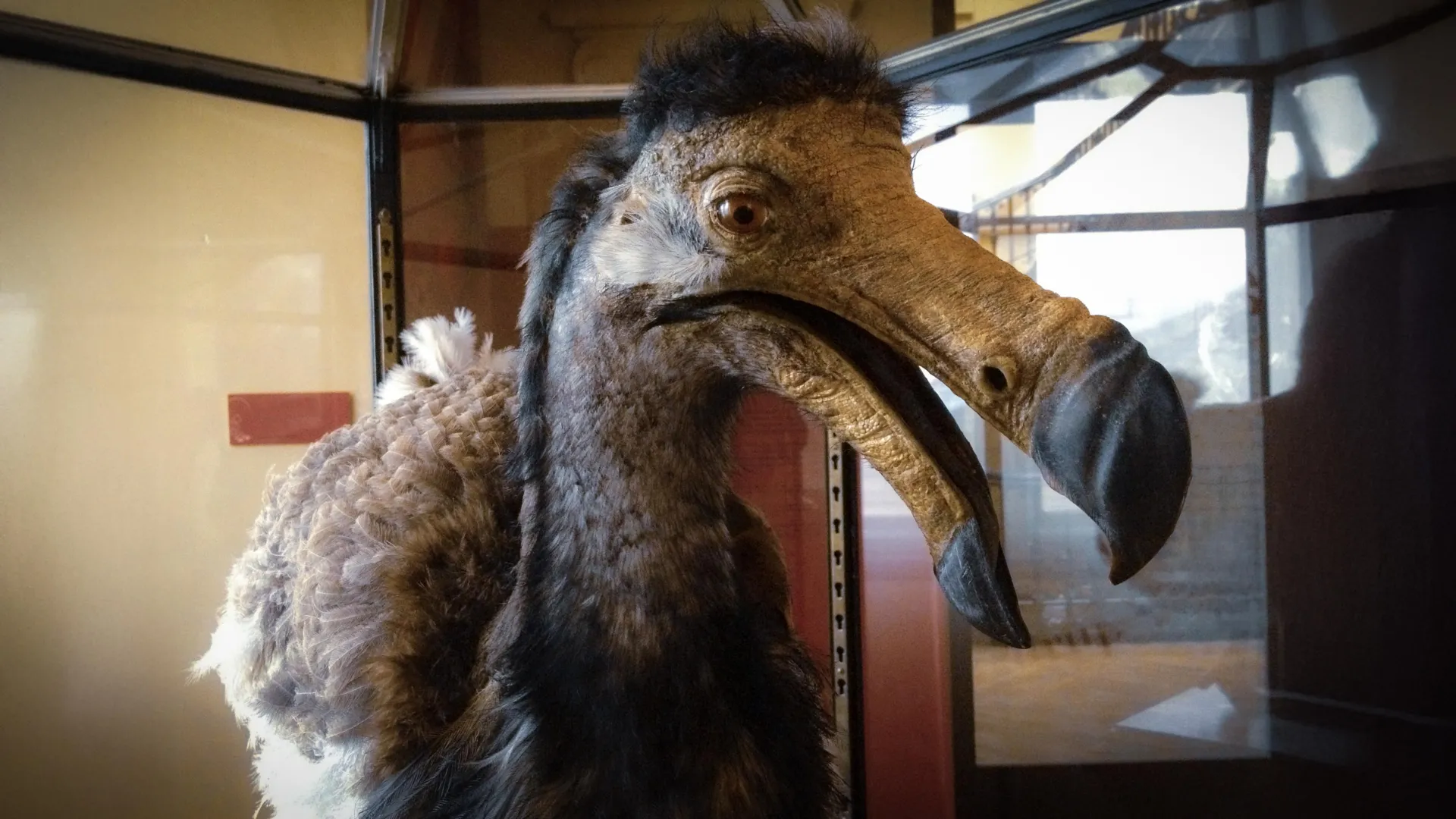
The brain is long gone, but it left impressions on the inside of the skull. Researchers reconstructed those spaces digitally — and found nothing to support the idea that the dodo was stupid.

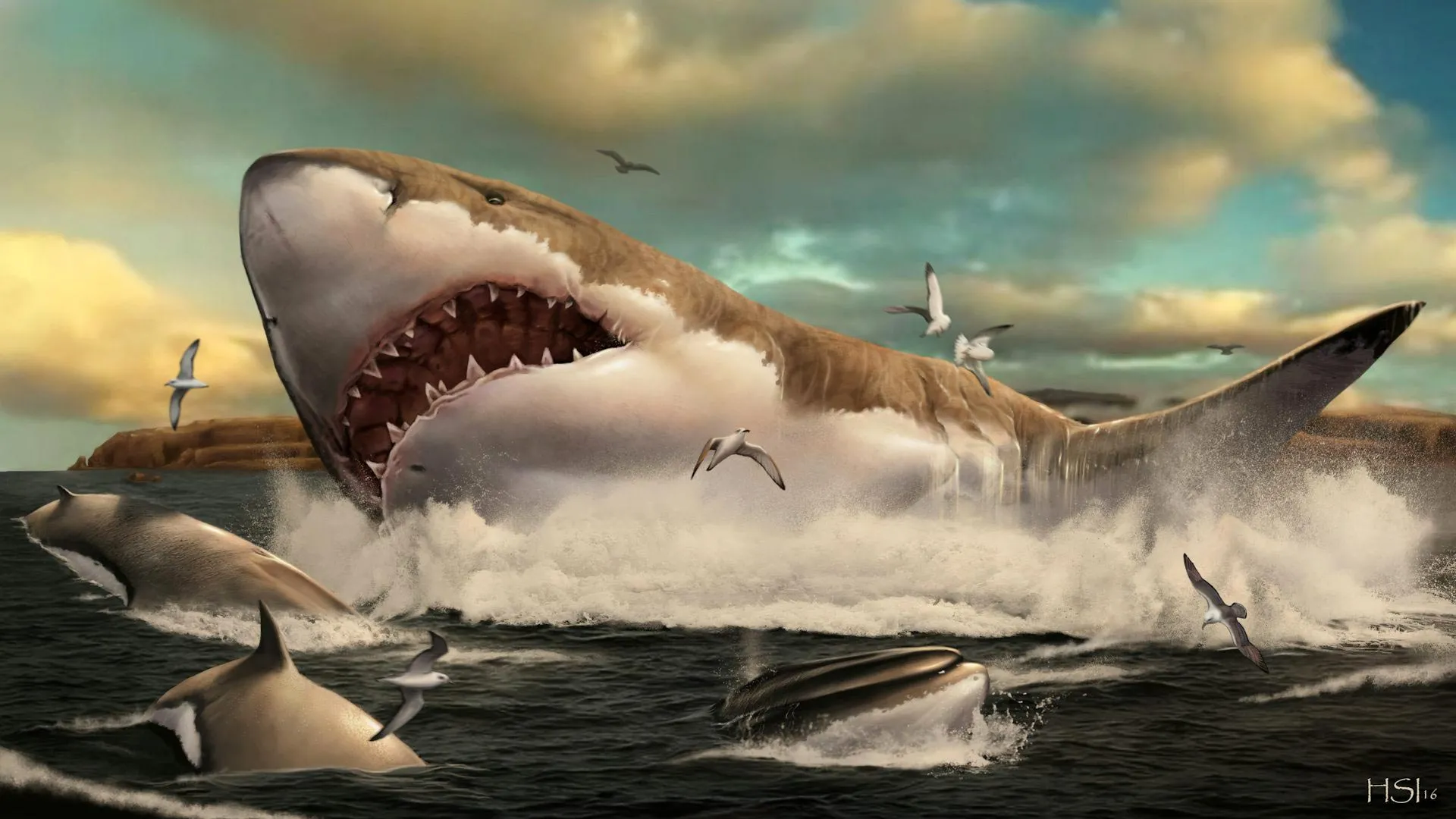
Rediscovered vertebrae from a single 11-million-year-old shark in Denmark support a length beyond 79 feet — and suggest its pups were born 12 feet long.

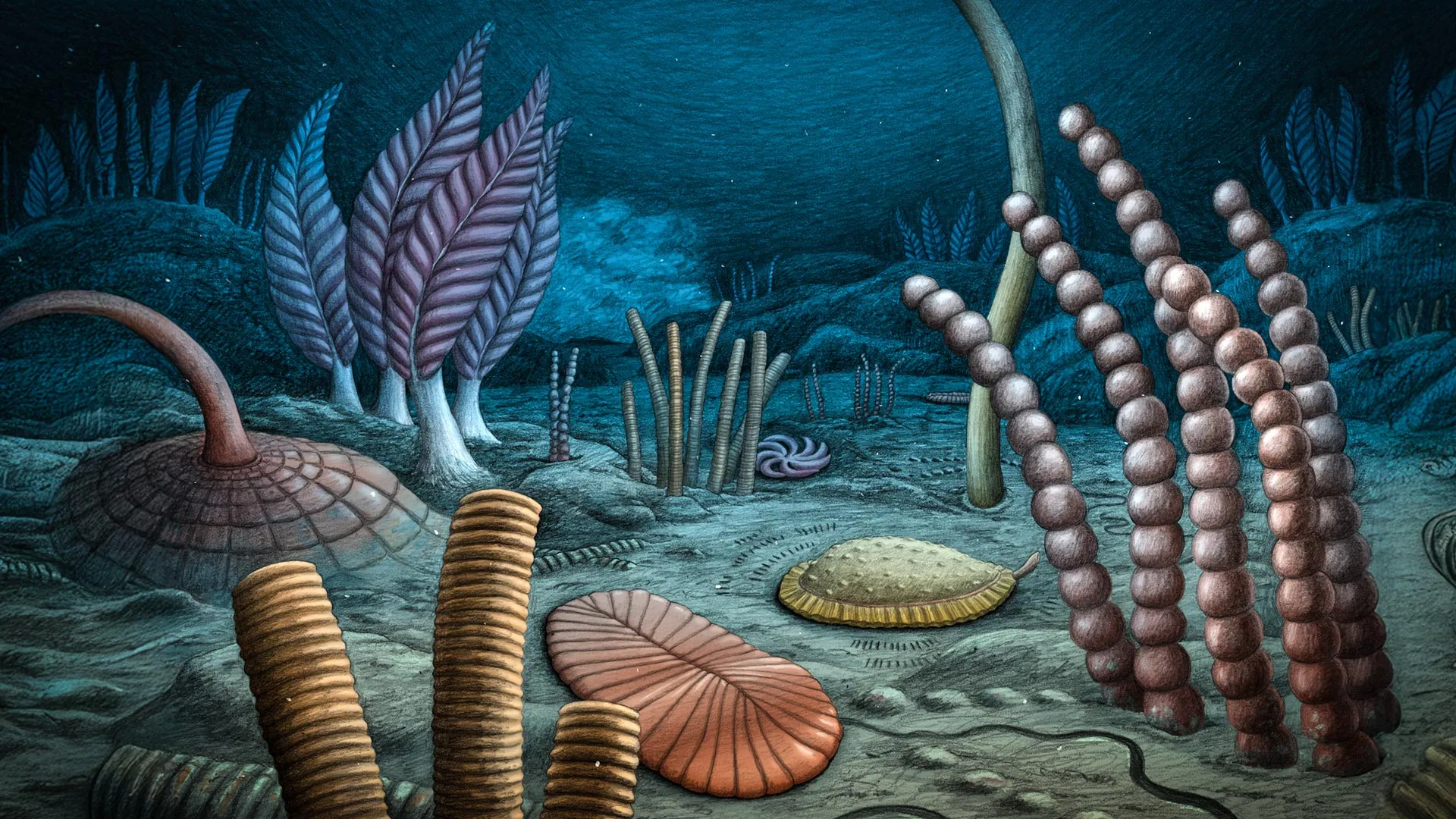
More than 100 specimens dated to 567 million years ago include six groups never before found in North America, and evidence that early animals moved, reproduced sexually and built recognizable body plans earlier than thought.

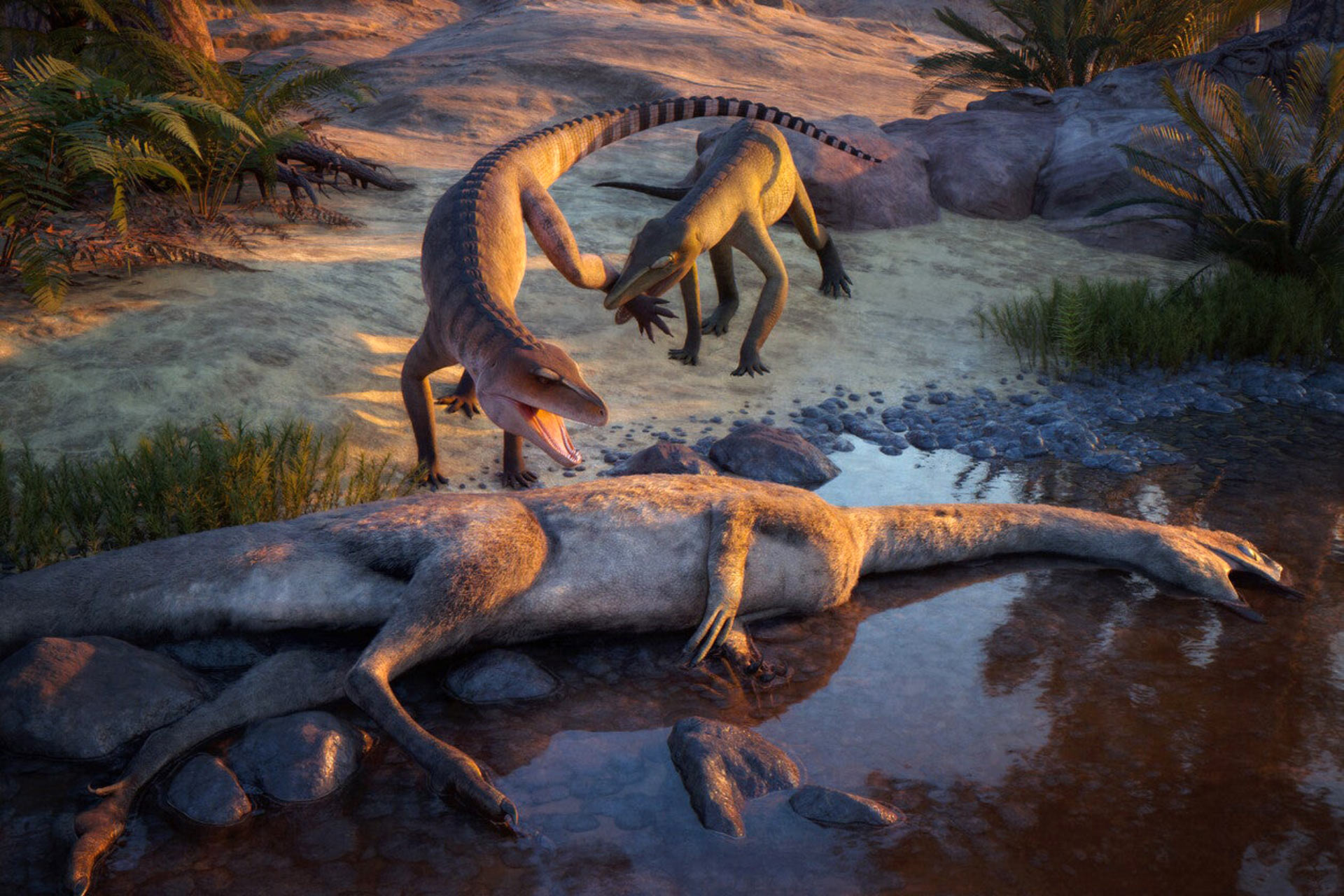
Yale researchers identified Eosphorosuchus lacrimosa, a jackal-sized crocodile relative from 210 million years ago with a short snout and a skull built for crushing.

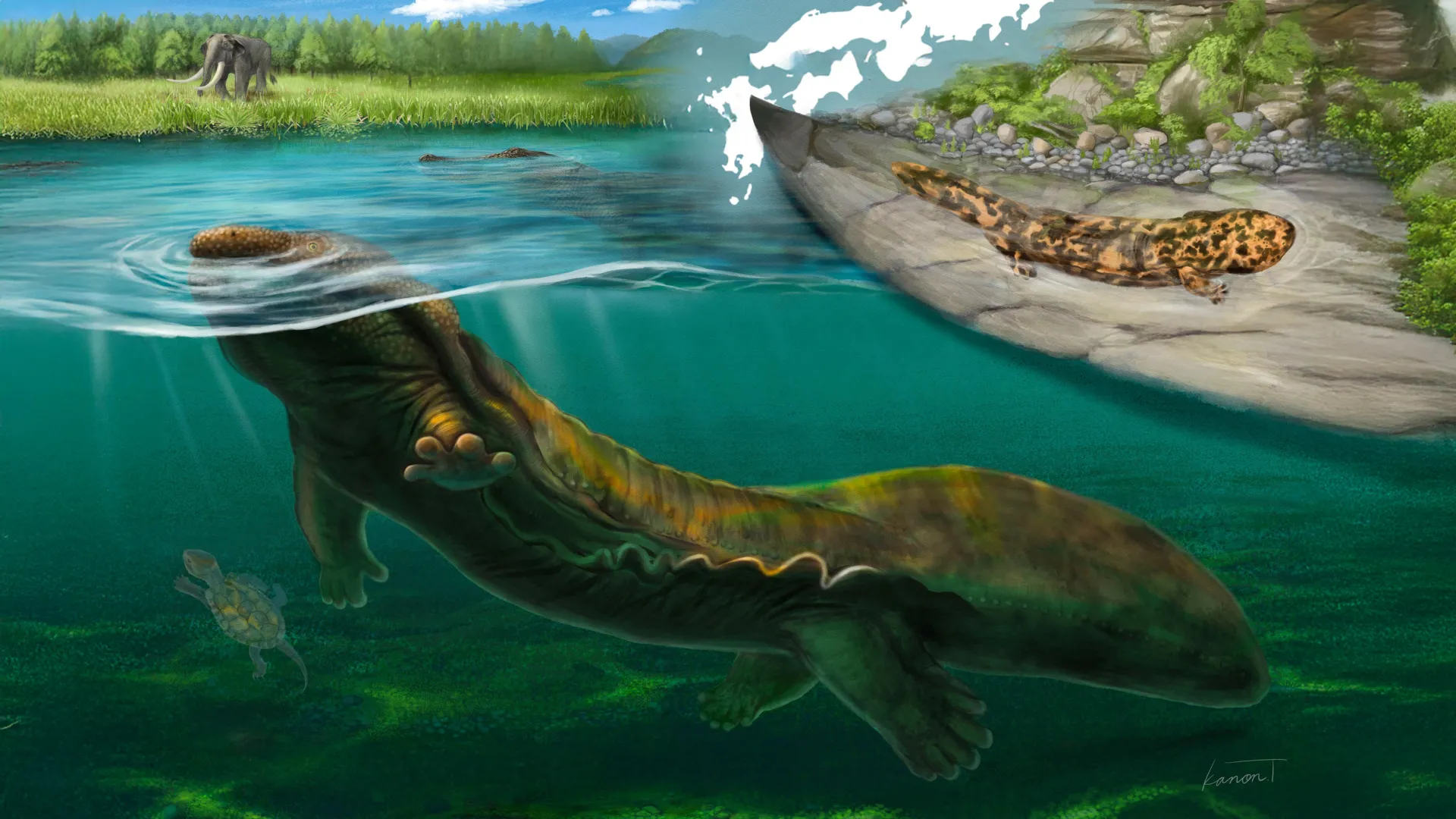
Kyoto University researchers say fossils from Oita prefecture belong to a new genus, only the sixth ever described in the giant salamander family, and suspect other museum specimens have been misfiled for years.

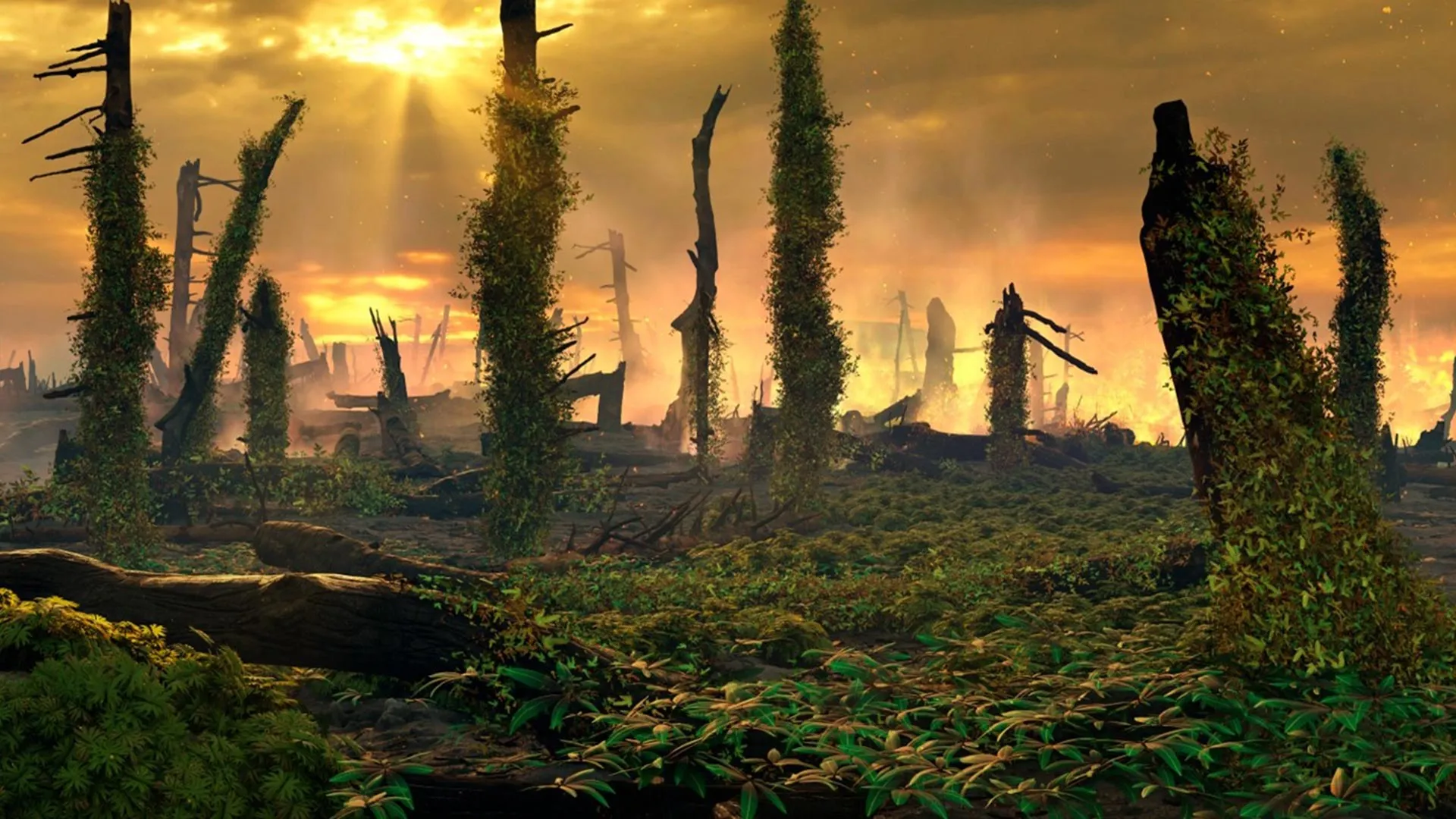
Utrecht scientists tracked the colour of 15,000 fossil spores through four drill cores and found the plants that survived the mass extinction were the ones feeding the flames.

The 23-foot dinosaur, pieced together from more than 180 bone fragments in Gujarat, pushes the origins of a lineage that later produced titans like Brachiosaurus back by tens of millions of years.
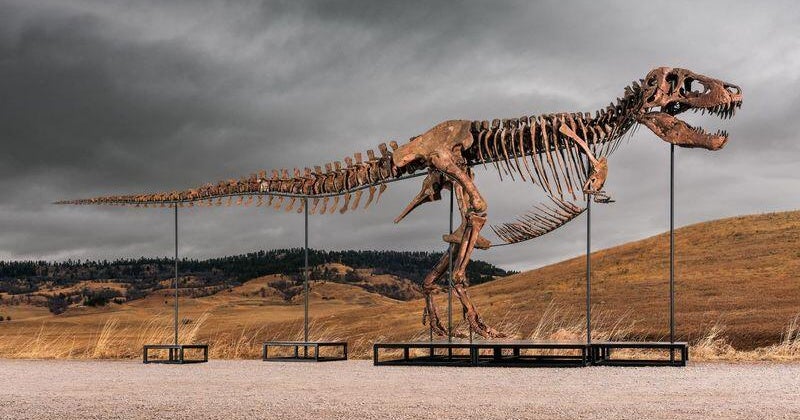
A 38-foot Tyrannosaurus discovered on a South Dakota ranch shattered its estimate after a 10-minute bidding war — and reignited a fight between collectors and paleontologists.

Scientists say tiny insect-eating creatures from Queensland's Riversleigh fossil beds belong to an entirely new marsupial order, Keeunamorphia, that thrived for 35 million years before vanishing.

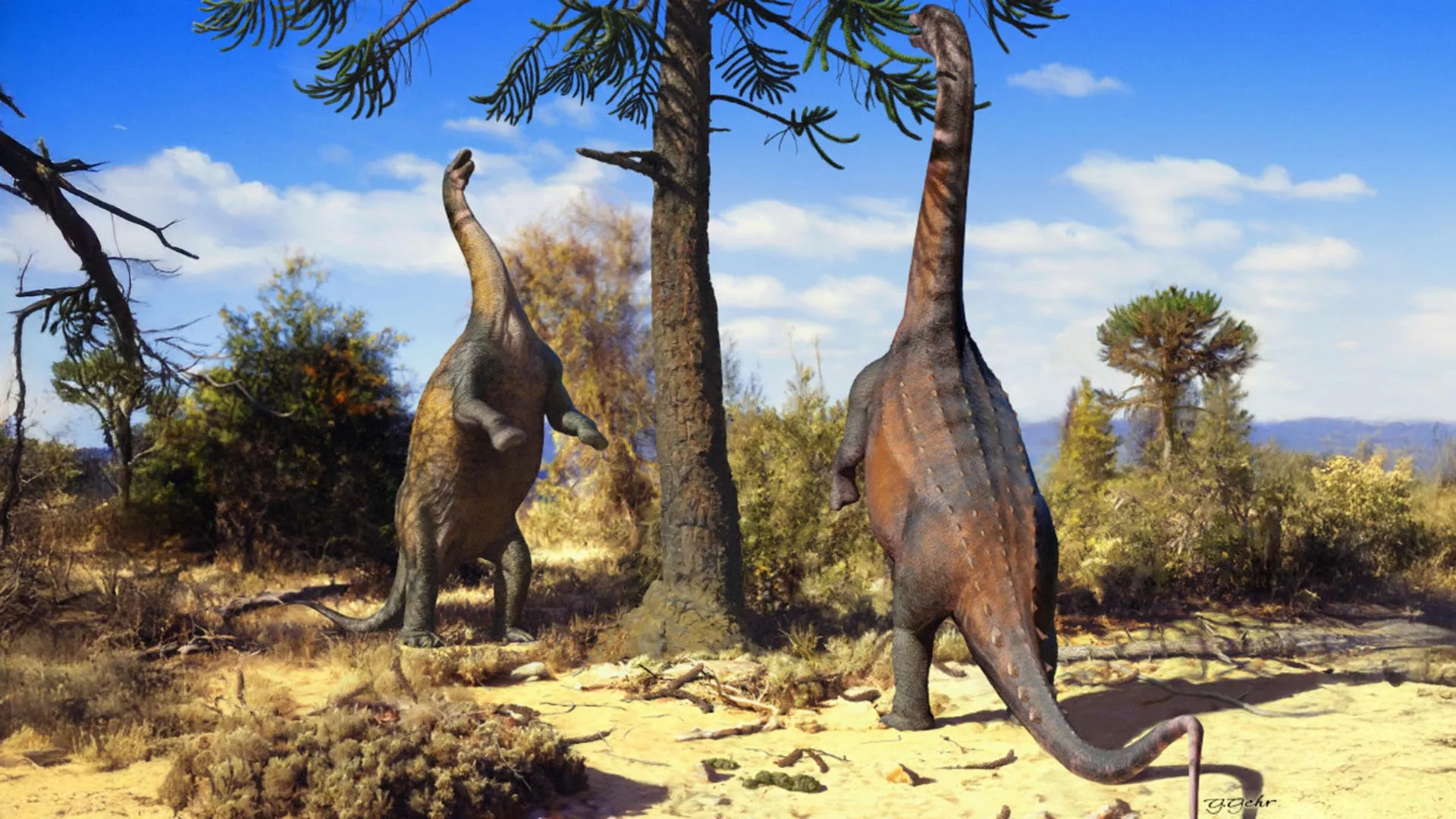
A computer analysis of sauropod thigh bones shows young Uberabatitan and Neuquensaurus could stand on their hind legs with surprisingly little strain.

Some 252 million years ago, roughly 96% of marine species vanished. A new study pinpoints which animals' metabolisms could not survive warmer, oxygen-starved seas.
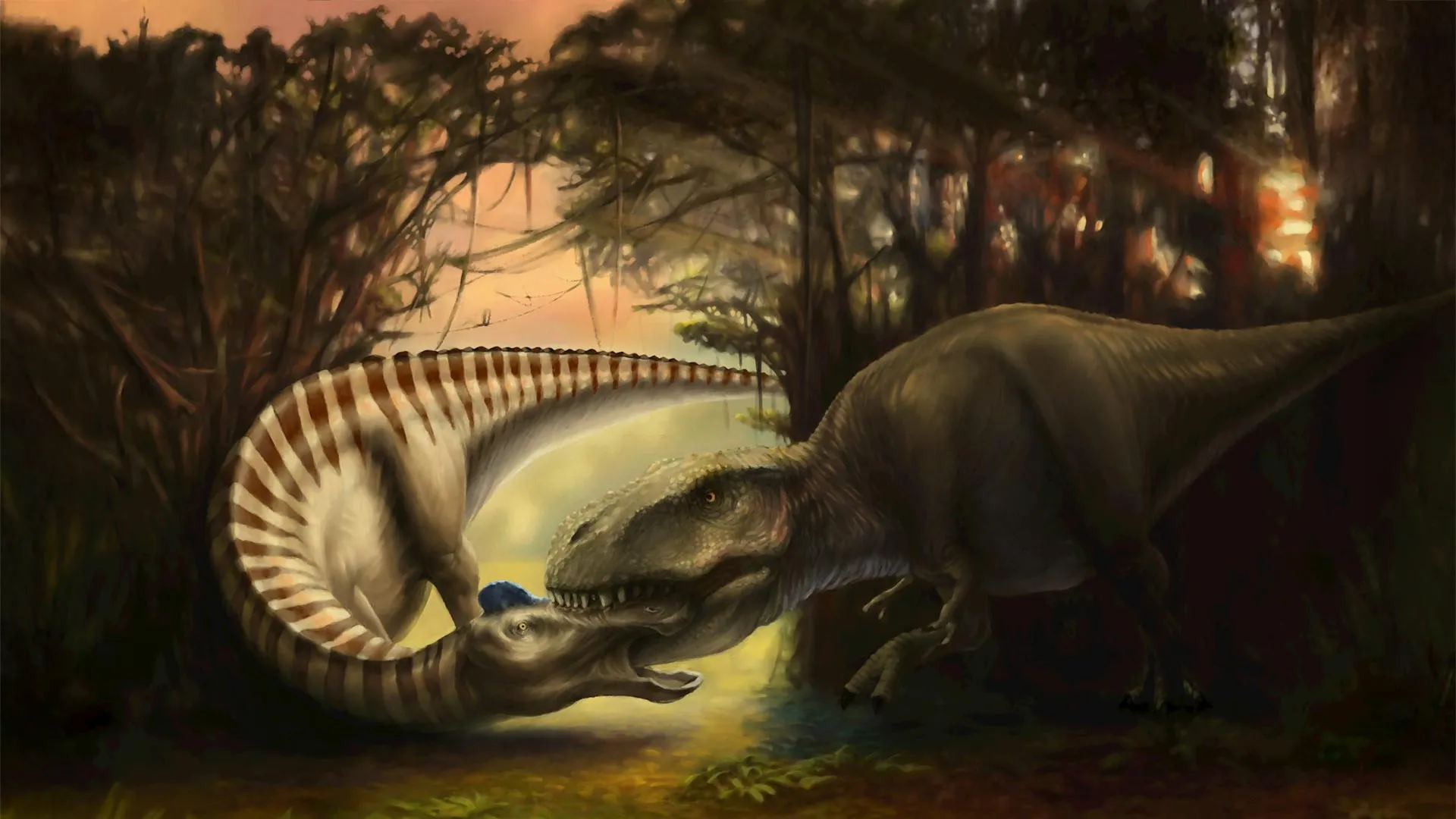
A duck-billed Edmontosaurus skull from Montana still carries the broken tooth of its attacker — rare, direct evidence of how the tyrant king hunted.
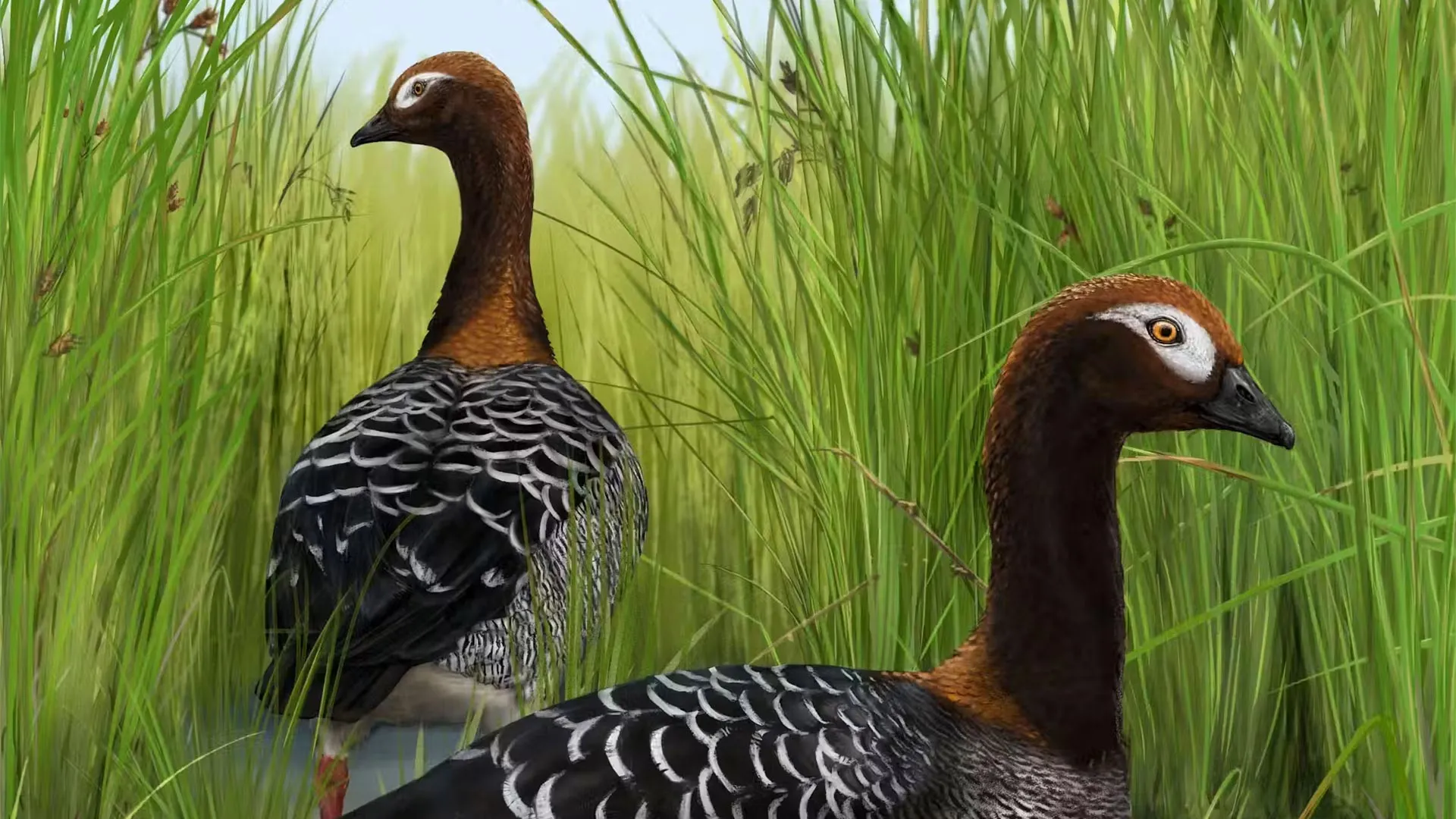
A rare goose unearthed from an ancient lakebed in Central Otago suggests the country's colossal 18-kilogram geese descended from far more recent arrivals than scientists long assumed.
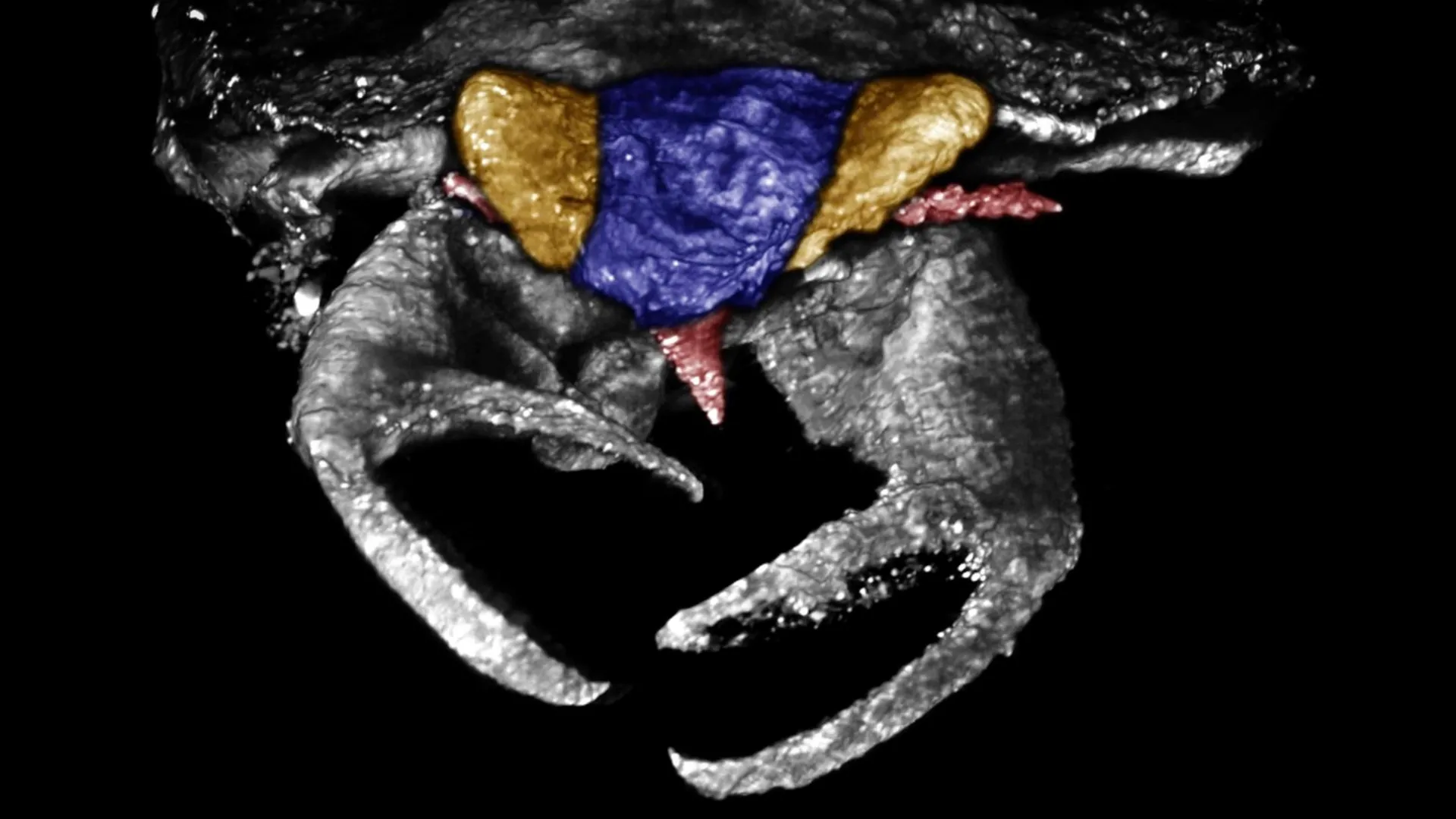
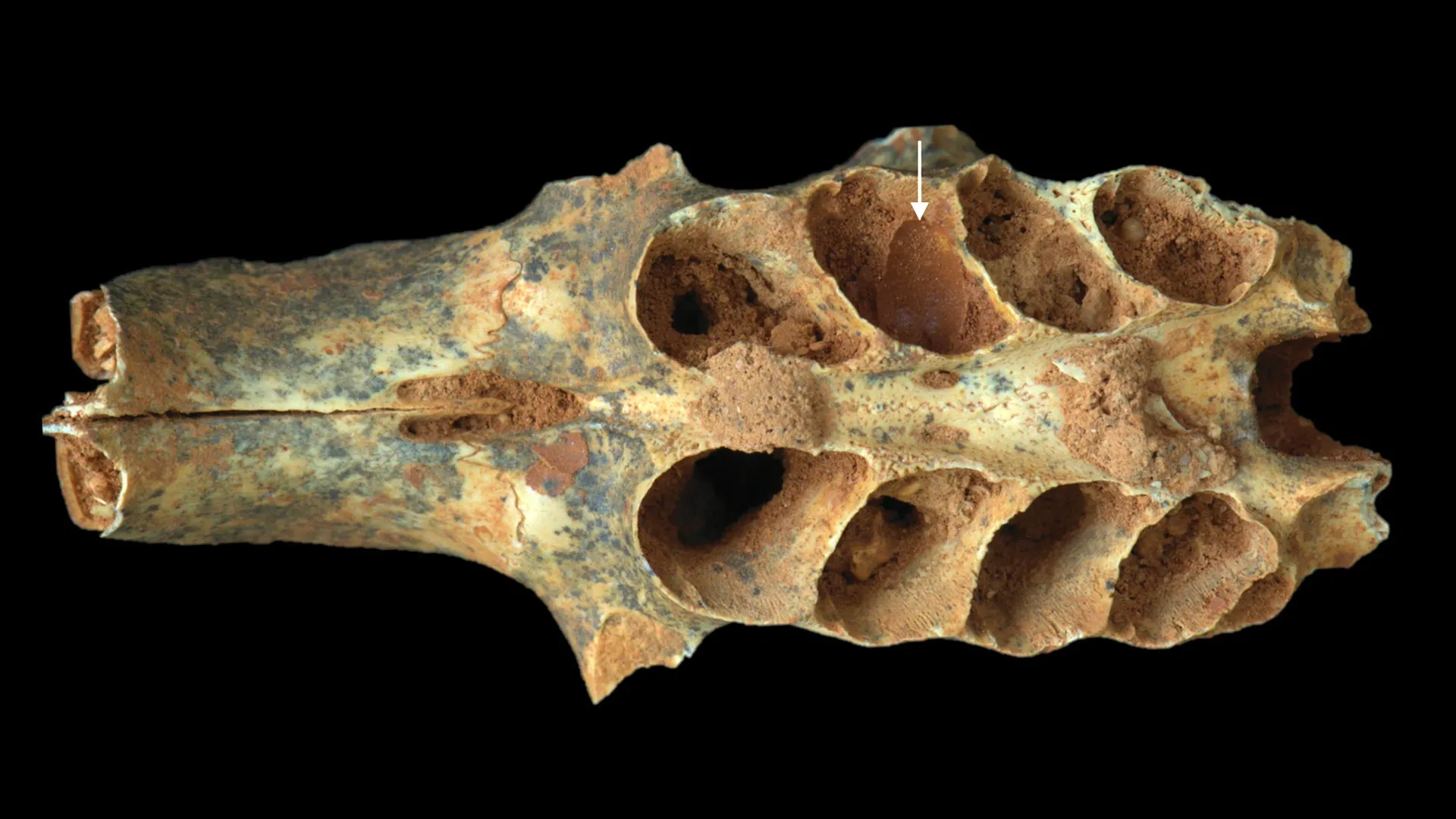
On the island of Hispaniola, scientists found the first known evidence of ancient bees nesting inside the empty tooth sockets of mammal jawbones scattered across a cave floor by owls.
An 82-million-year-old tail vertebra collected on James Ross Island in 1985 has been identified as a titanosaur — the first dinosaur bone ever found on the continent.

A newly named microraptor relative, Jian changmaensis, glided on four feathered limbs and may explain piles of crushed bird bones in a 120-million-year-old fossil bed.

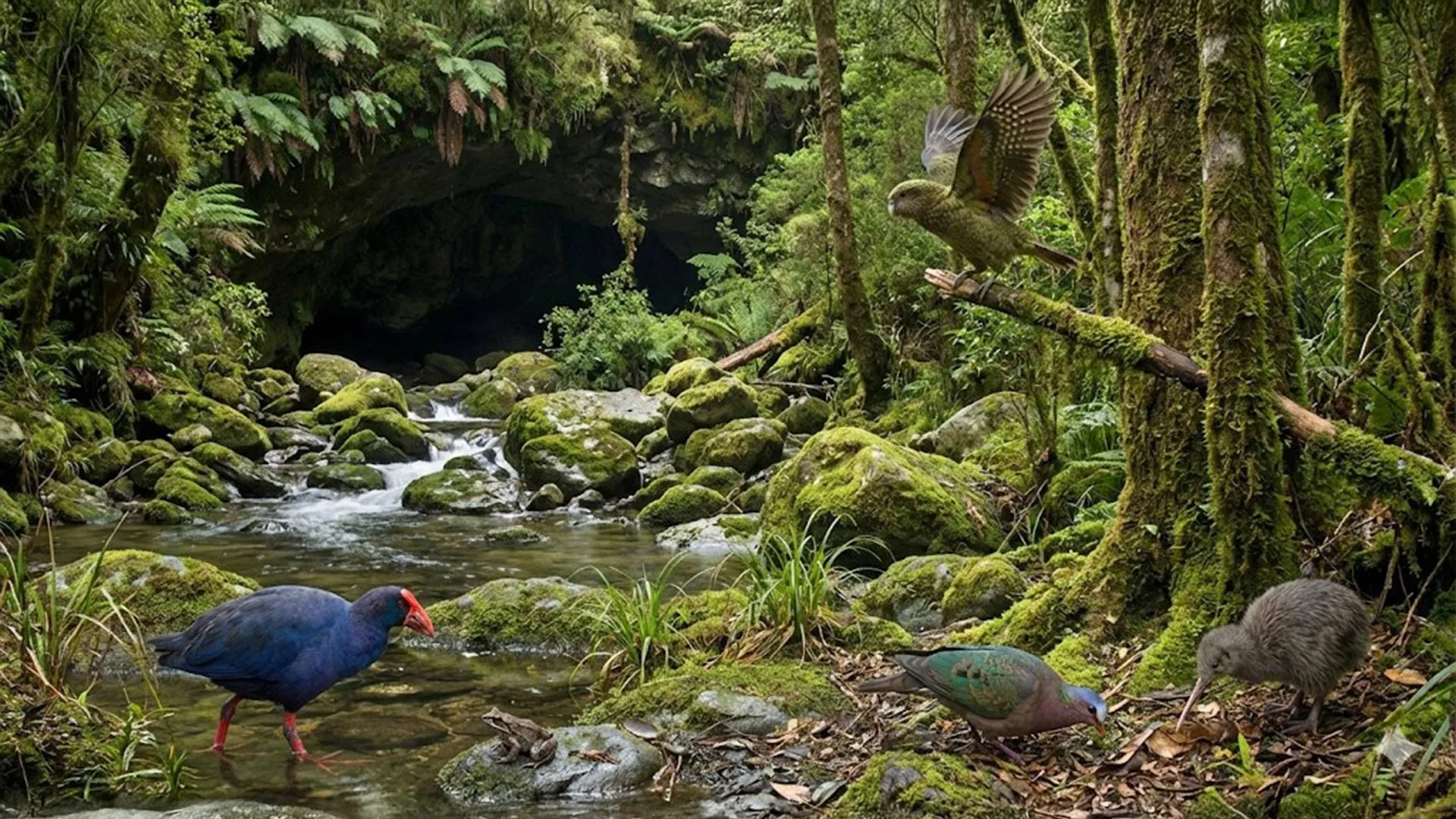
Fossils sealed between two volcanic ash layers near Waitomo preserve 12 bird species and four frog species, including an ancient relative of the flightless kakapo that may once have flown.

By reading growth rings in 17 tyrannosaur specimens, researchers nearly doubled the dinosaur's estimated growth timeline — and found that some famous 'T. rex' fossils may not be T. rex at all.

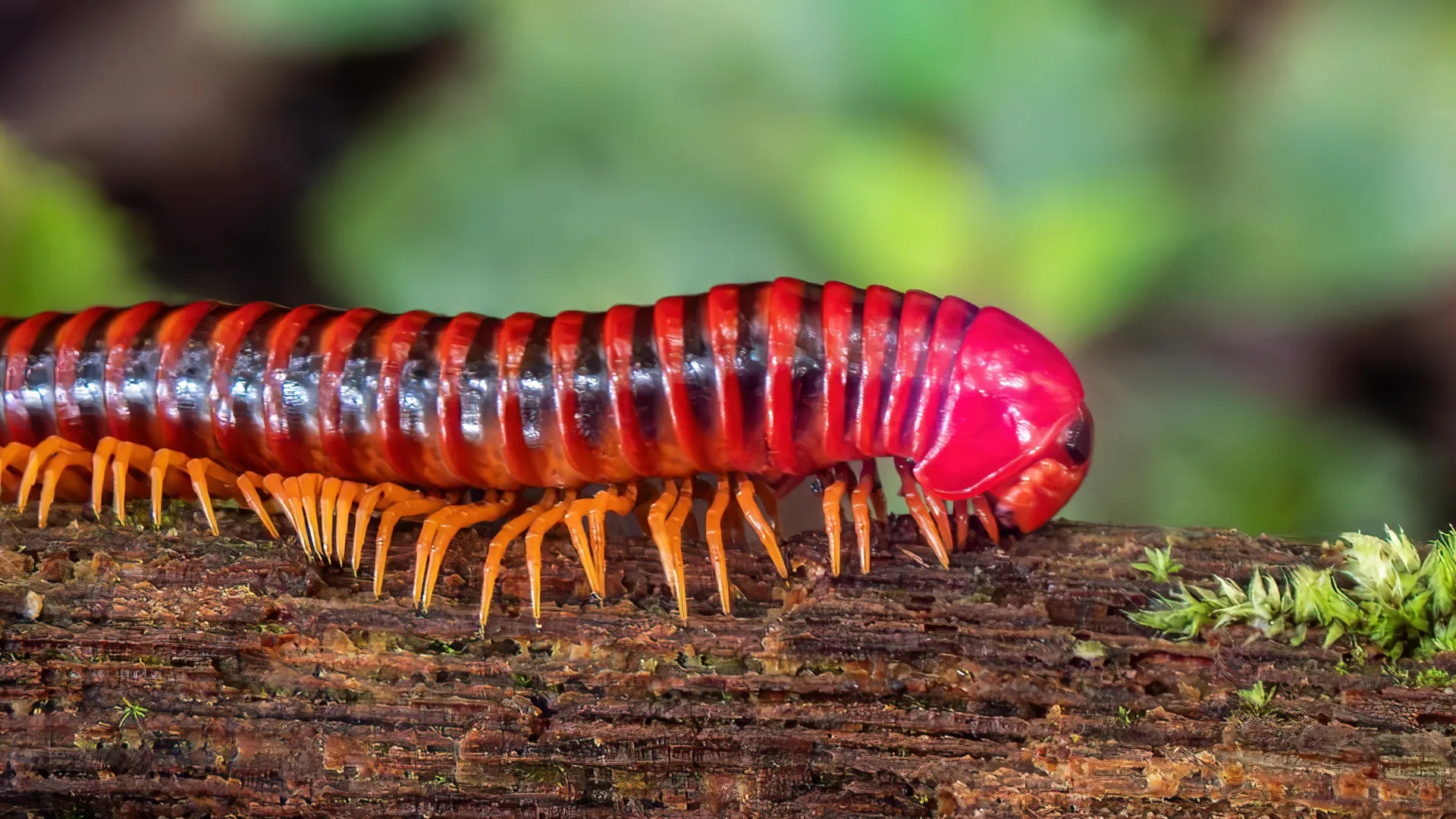
Scientists assembled the first complete evolutionary history of every living millipede order, tracing the leggy creatures back roughly 460 million years — long before any vertebrate crawled ashore.

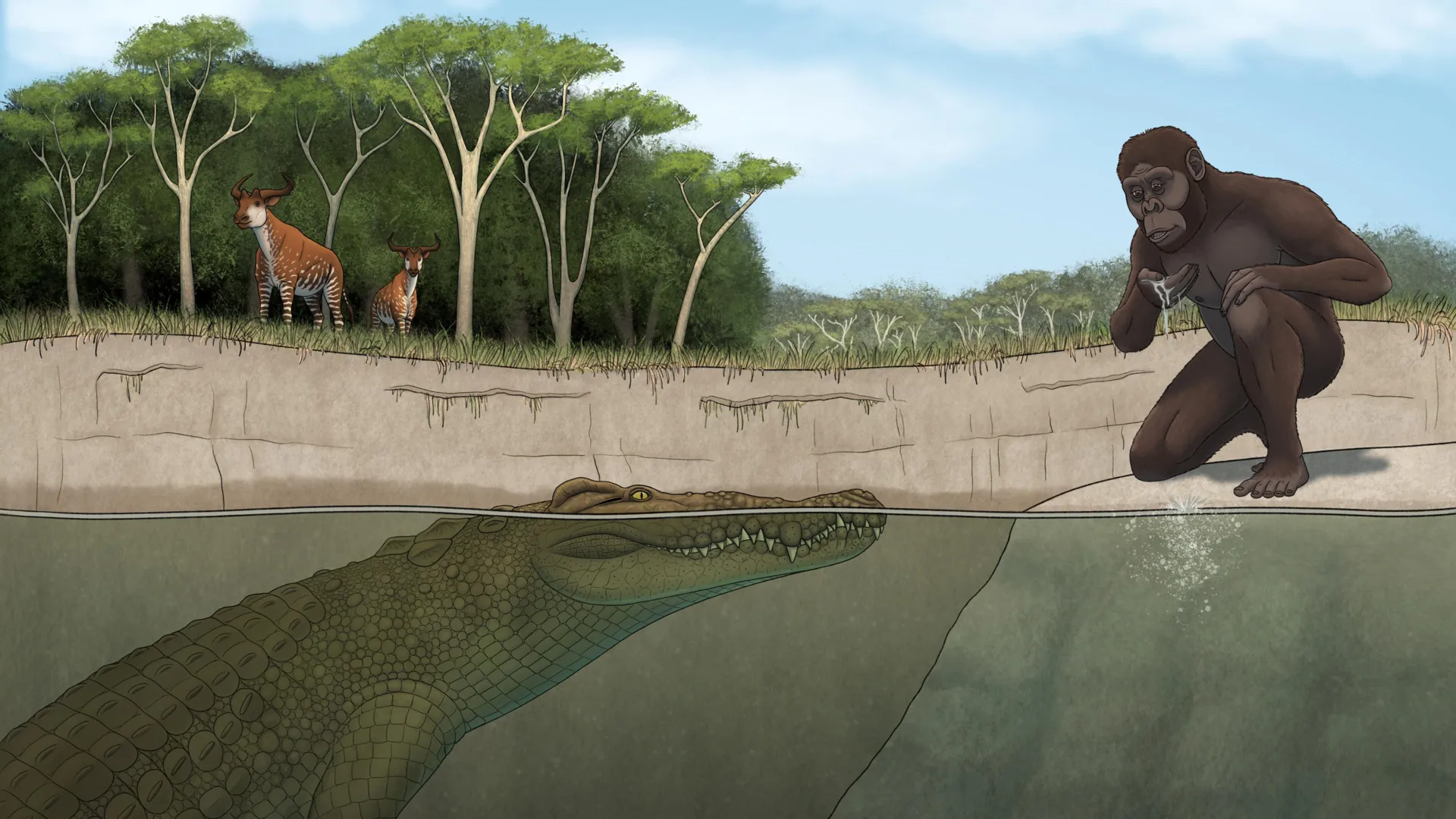
Newly identified species prowled Ethiopian rivers 3 million years ago when Lucy's species walked the Earth.

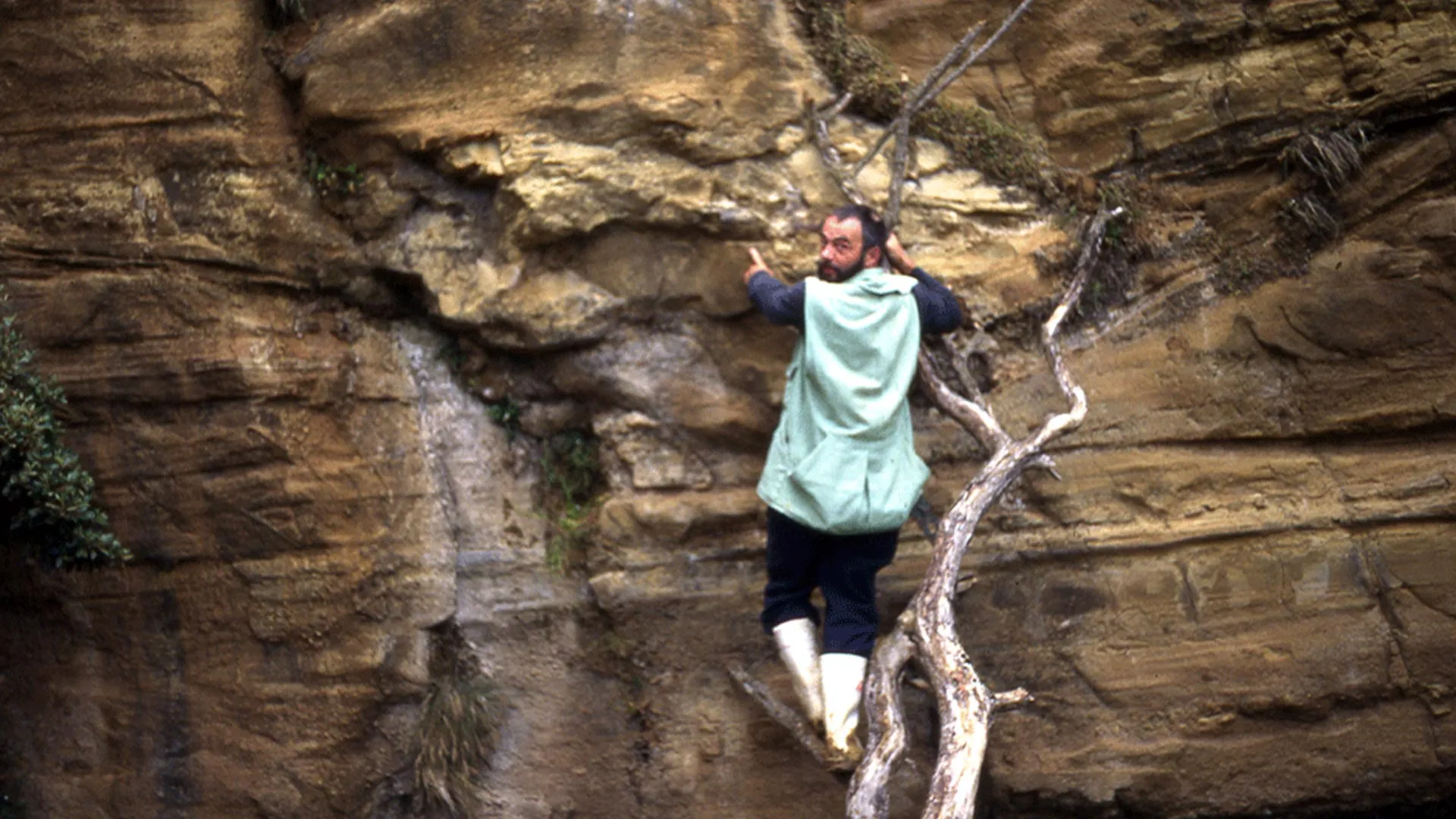
The spectacular 1.2-meter fossil discovered on a remote New Zealand cliff has been identified as an ancient tarpon-like predator thanks to the late collector's recovered notebooks.

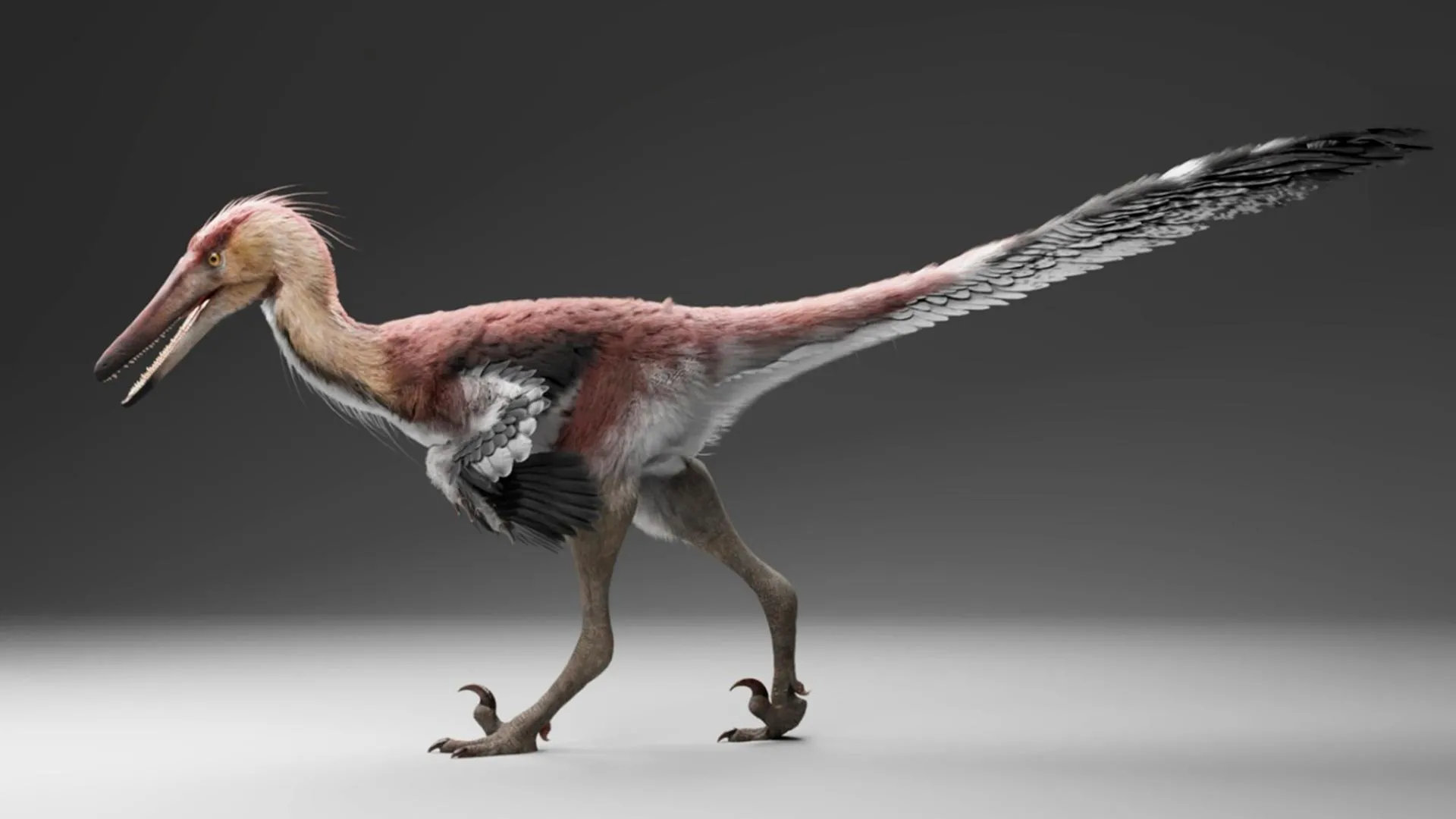
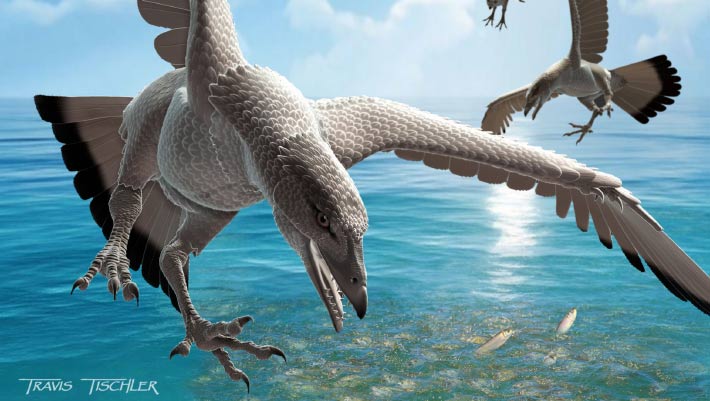
The 70-million-year-old dinosaur paired a raptor's sickle claw with a long, flexible neck, revealing a fish-eating lifestyle unusual for its family of predators.

The 4.2-million-year-old species, dubbed Ambystoma quetzalcoatli after the Aztec feathered-serpent god, is the first fossil salamander ever named from Mexico and the country's oldest known record of the group.

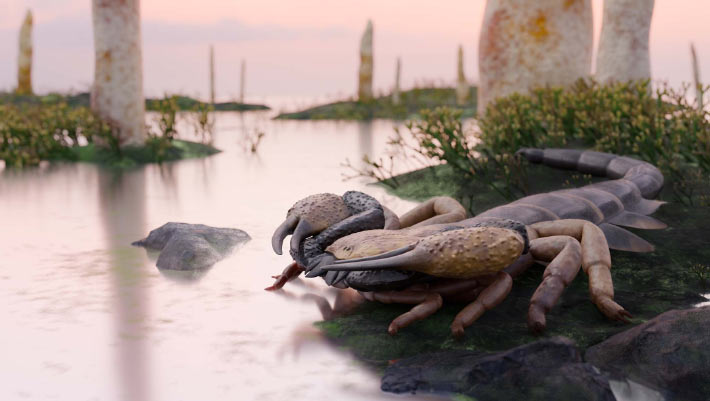
Newly identified as Praearcturus gigas, the giant was among the first large predators to stalk the land — armed with 16-centimeter pincers.
Newly named Jian changmaensis, a barn-owl-sized cousin of Velociraptor, is the first non-bird dinosaur found at a Chinese site that has yielded more than 100 ancient birds — and it appears to have preyed on them.

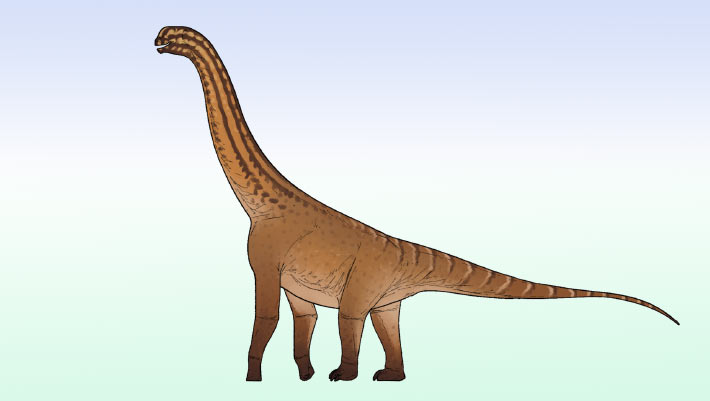
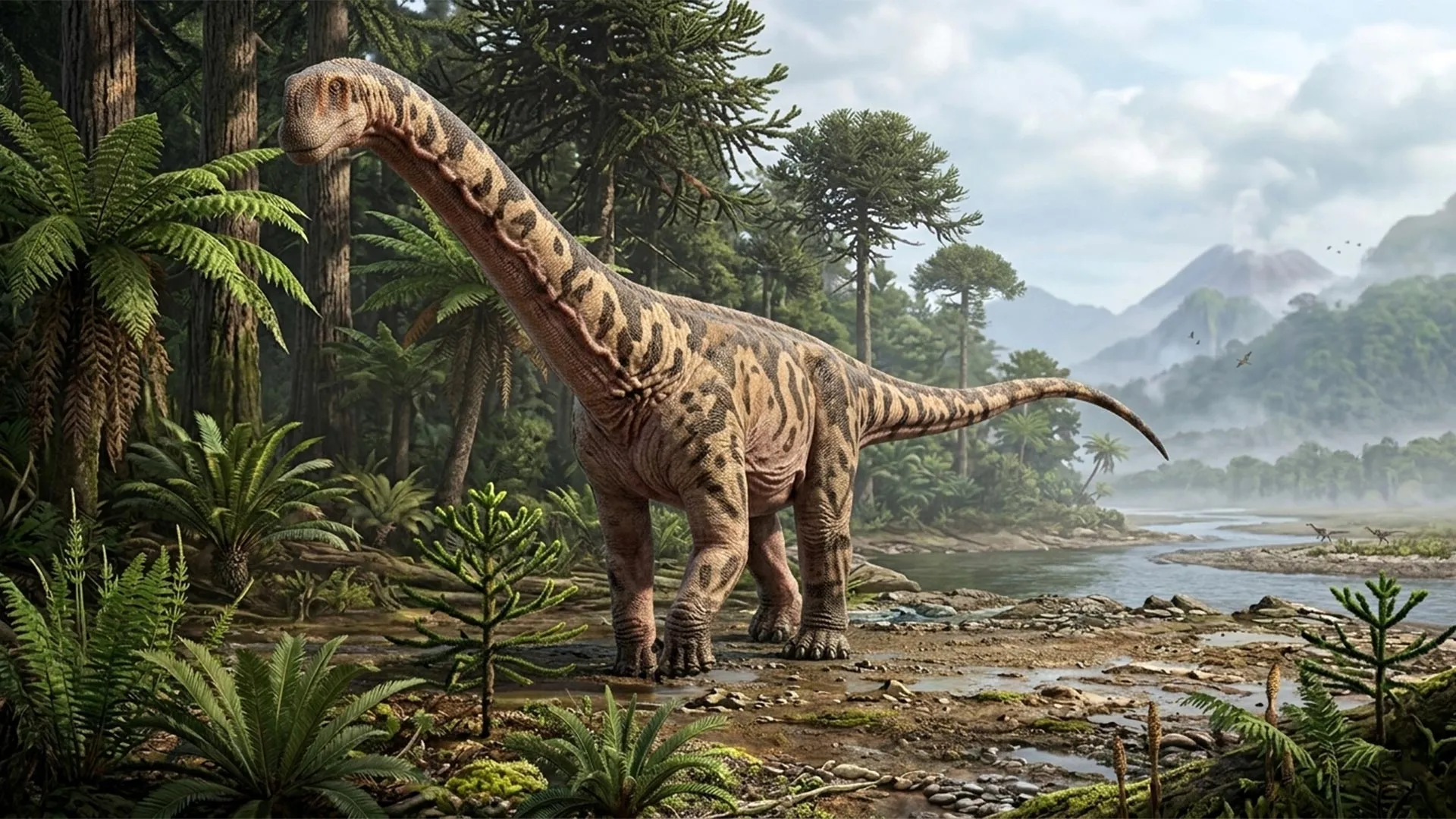
Named Bicharracosaurus dionidei, the long-necked giant fills a major gap in the story of how the largest dinosaurs evolved in the Southern Hemisphere.

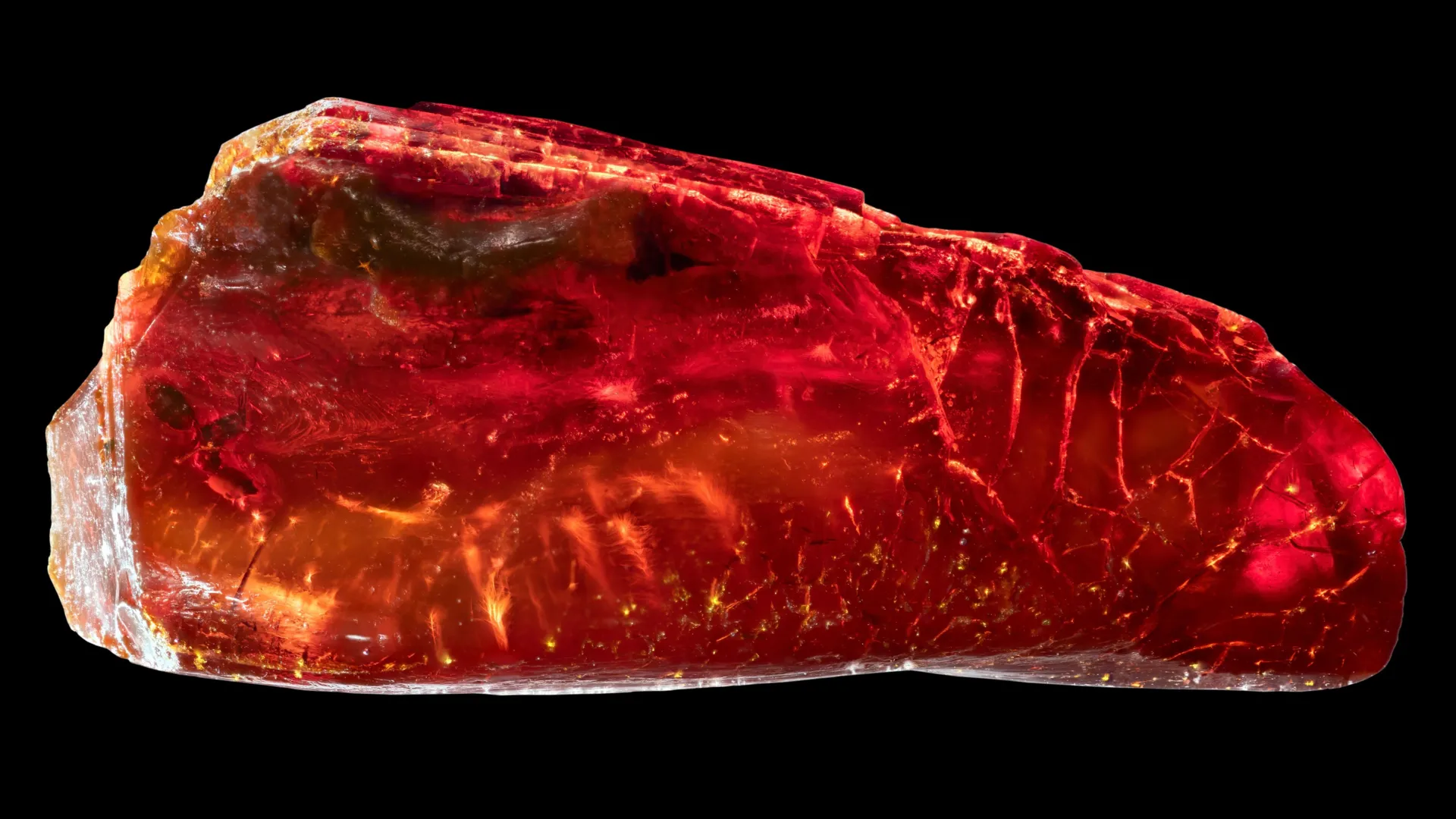
Advanced 3D imaging reveals extinct ant species preserved in extraordinary detail, offering new insights into ancient forest ecosystems and behavior.

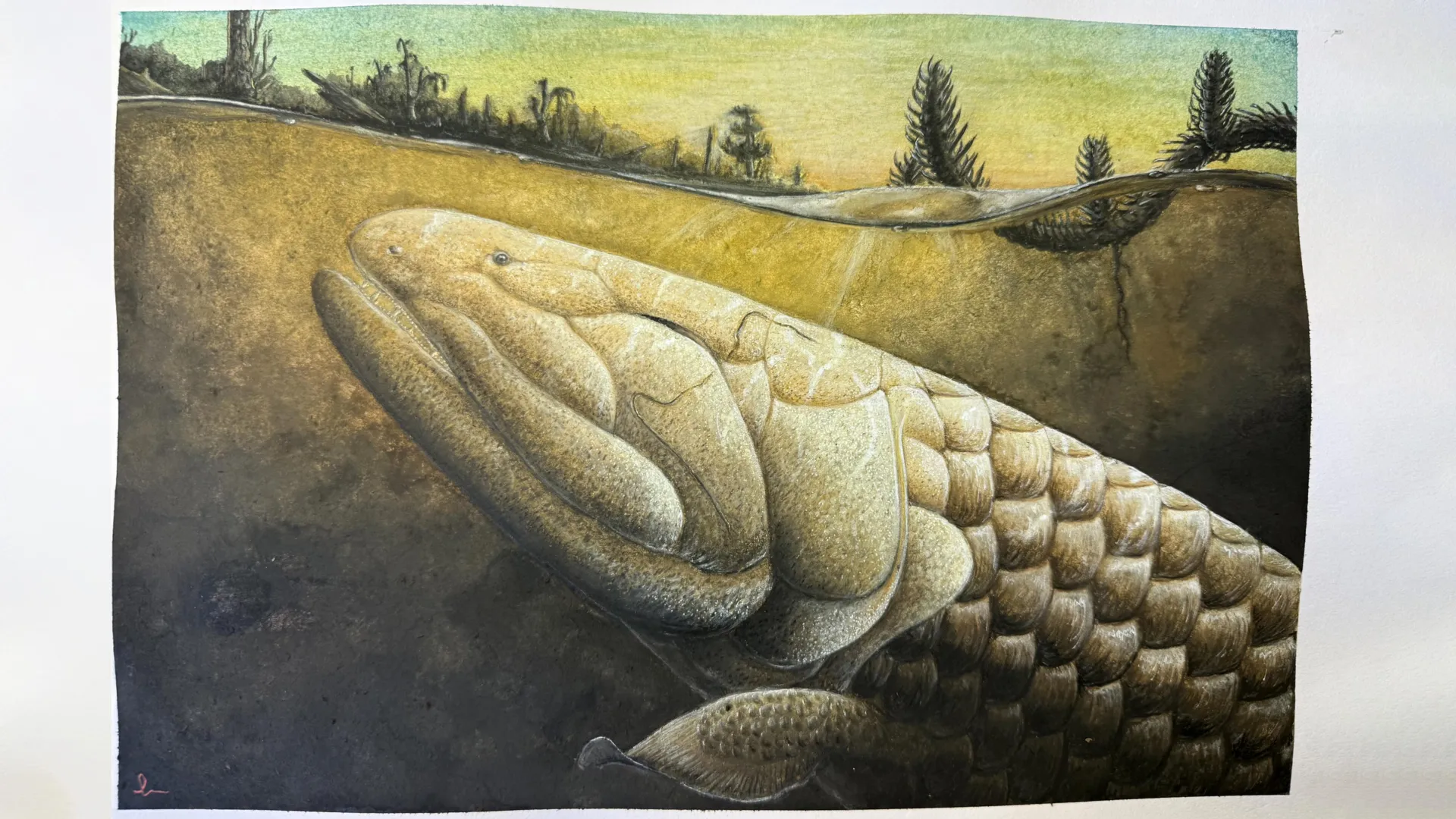
Advanced neutron imaging of Koharalepis jarviki fossil uncovers brain features and air-gulping adaptations that helped ancient fish transition from water to land.

The bizarre ancient creature represents only the fourth known case of crab-like pincers evolving independently in insects.

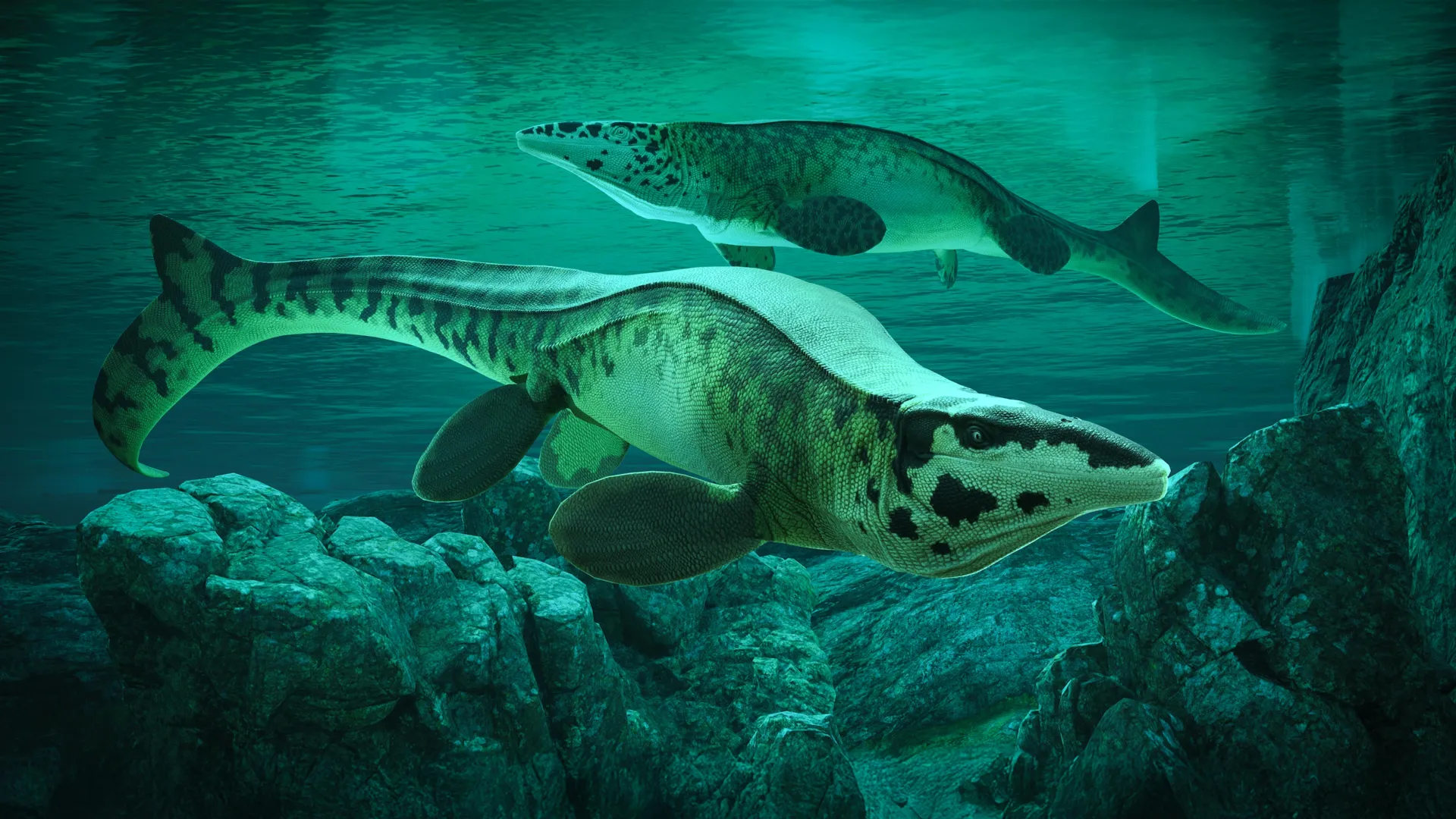
43-foot marine reptile from Texas fossil reveals brutal predator that dominated prehistoric seas 80 million years ago.

Paleontologists in Teruel province have recovered the most complete Dacentrurus armatus skull ever found in Europe and proposed an entirely new evolutionary group, Neostegosauria, to make sense of where the plated dinosaur fits on the family tree.

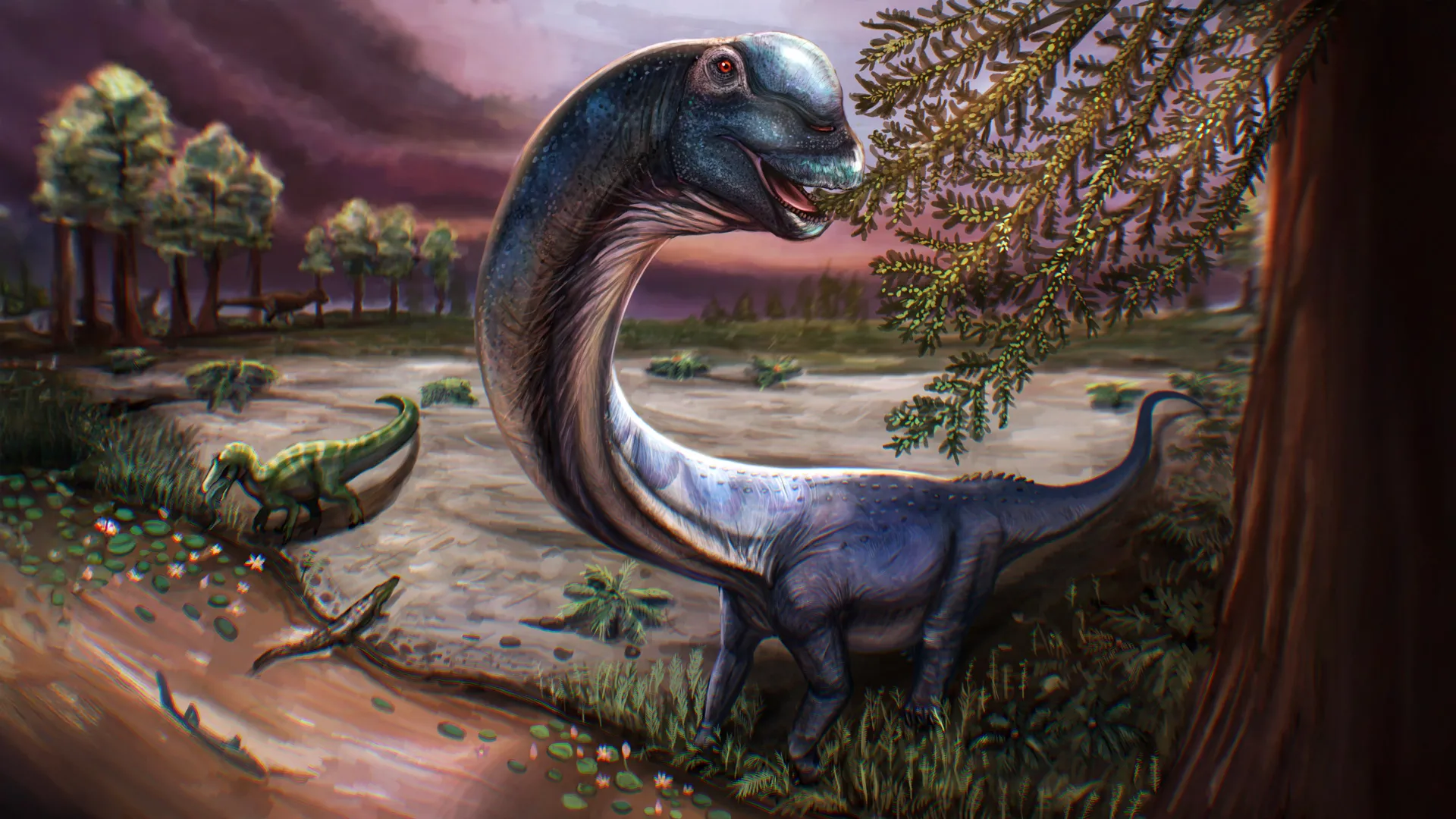
Nagatitan chaiyaphumensis weighed 27 tonnes and may be Southeast Asia's final giant sauropod before seas transformed the region.

Scientists find compelling evidence that Edmontosaurus fossil retains original collagen proteins, overturning long-held beliefs about fossilization.

Remarkably preserved Edmontosaurus fossil from South Dakota contains traces of original collagen proteins, challenging long-held beliefs about fossilization.

A University of Washington team unearthed a hamster-sized multituberculate that scampered through forests alongside the dinosaurs and may help explain how mammals survived the asteroid extinction.

Scientists have identified Arenaerpeton supinatus, an ancient amphibian preserved with rare skin traces, after the fossil spent decades forgotten inside a garden wall.

A forgotten fossil embedded in a retaining wall has been identified as one of Australia's most remarkable prehistoric finds, revealing a fearsome river predator with rare skin preservation.

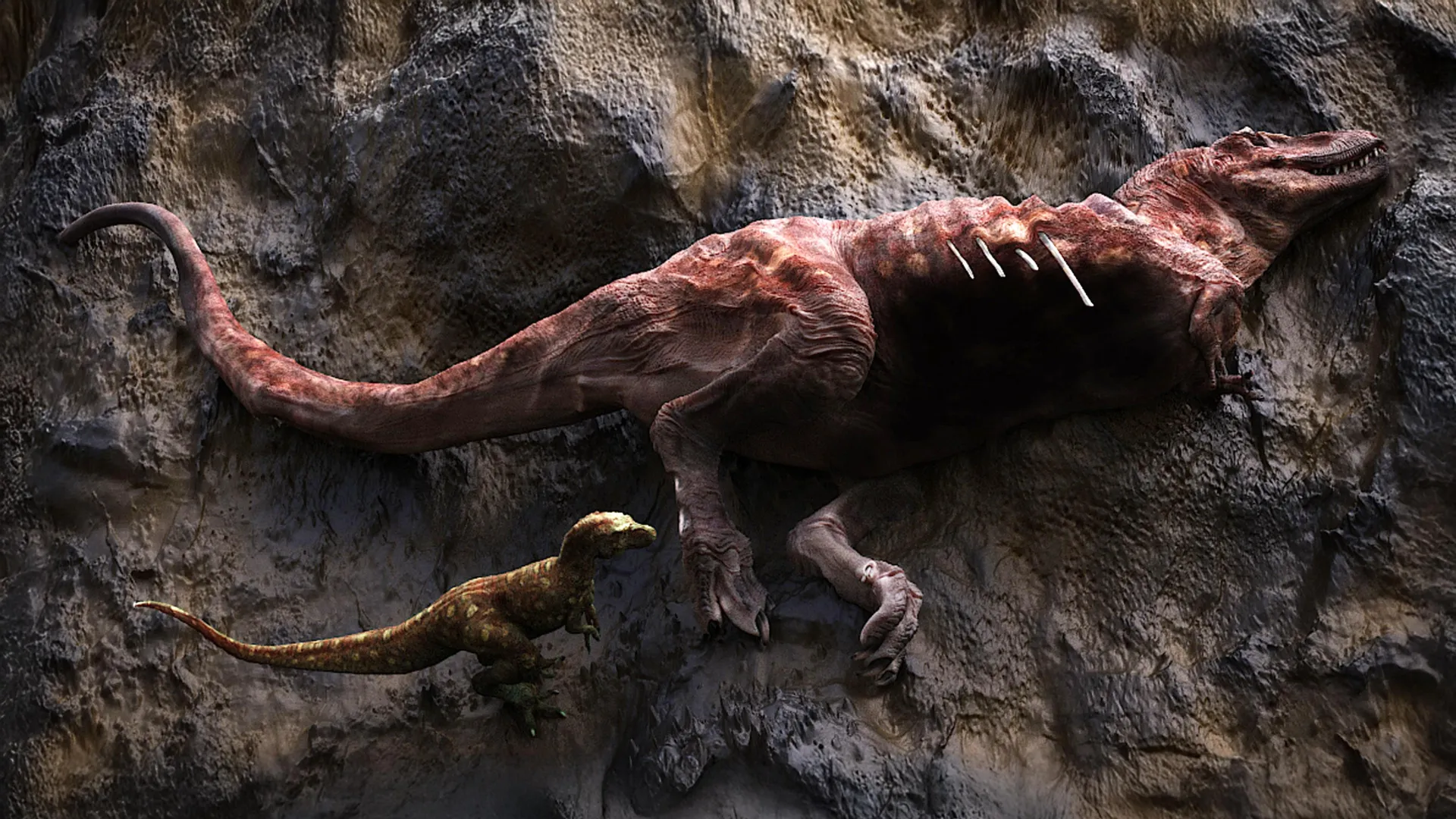
High-resolution 3D scans identify precise bite marks showing smaller tyrannosaur fed on remains of much larger relative, challenging predator stereotypes.

High-resolution 3D scans of bite marks on massive foot bone show smaller tyrannosaur scavenged remains of much larger relative.

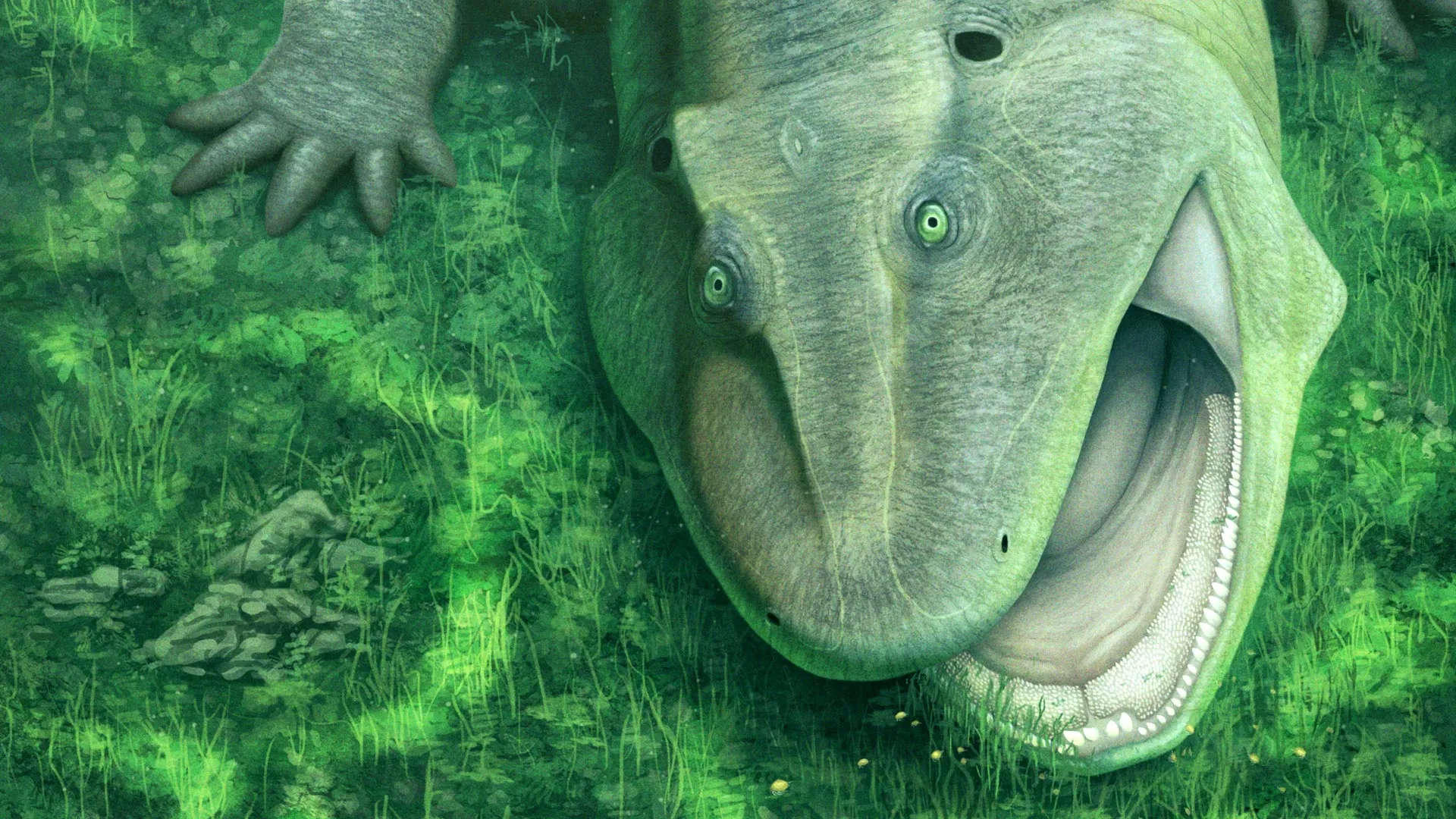
Tanyka amnicola belonged to an ancient lineage that was already a 'living fossil' in its time, featuring unusual jaw structure with sideways-pointing teeth.

Tanyka amnicola, discovered in Brazilian riverbed, was a 'living fossil' even in its own time with unique sideways-pointing teeth for grinding plants.

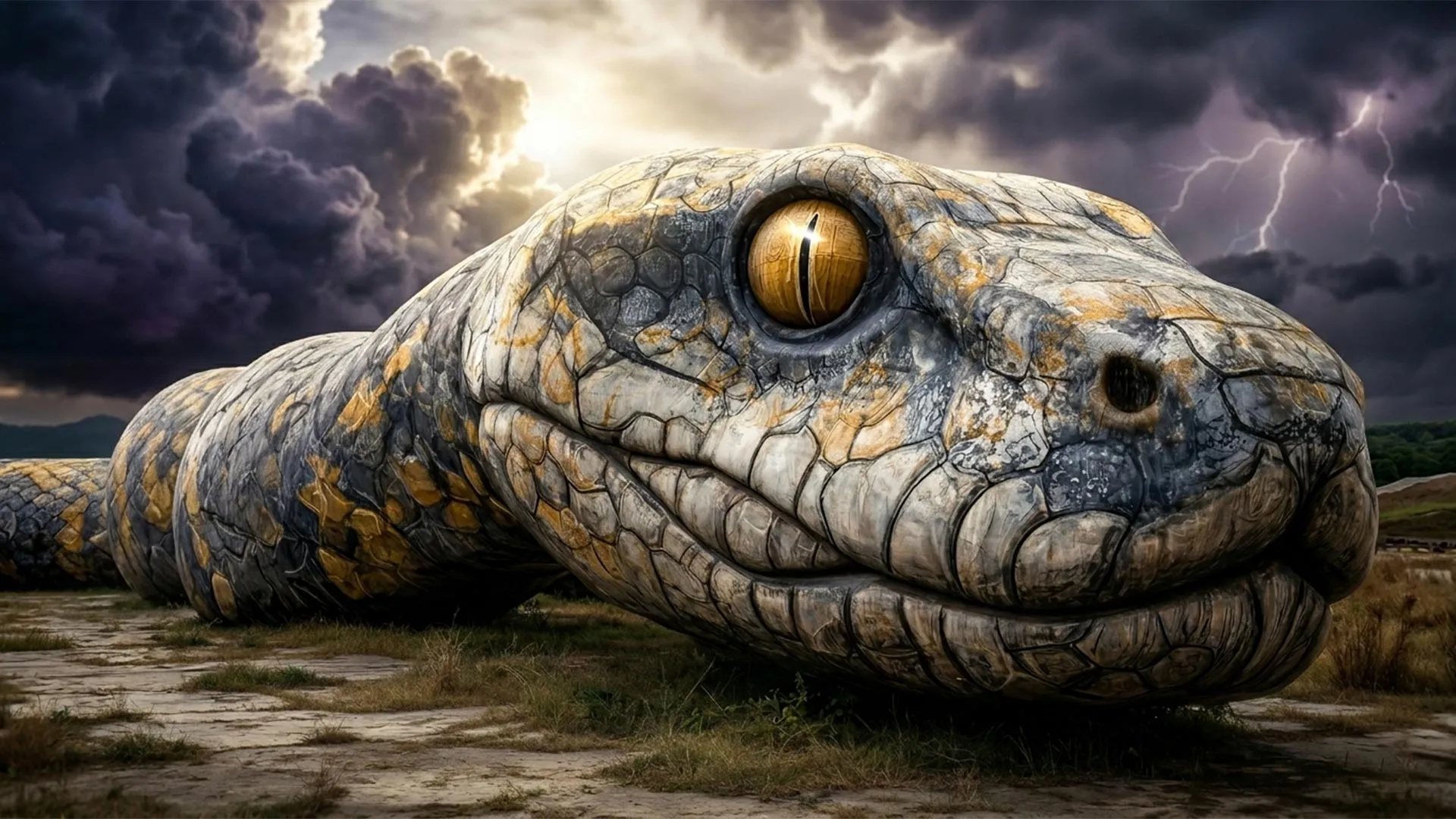
Vasuki indicus lived 47 million years ago and could have stretched up to 49 feet long, making it one of the largest snakes ever discovered.

Named Vasuki indicus, the massive prehistoric serpent lived 47 million years ago in India and represents a unique lineage that originated on the subcontinent.

Fossil remains of Vasuki indicus from 47 million years ago reveal a massive serpent that stretched up to 49 feet in length.

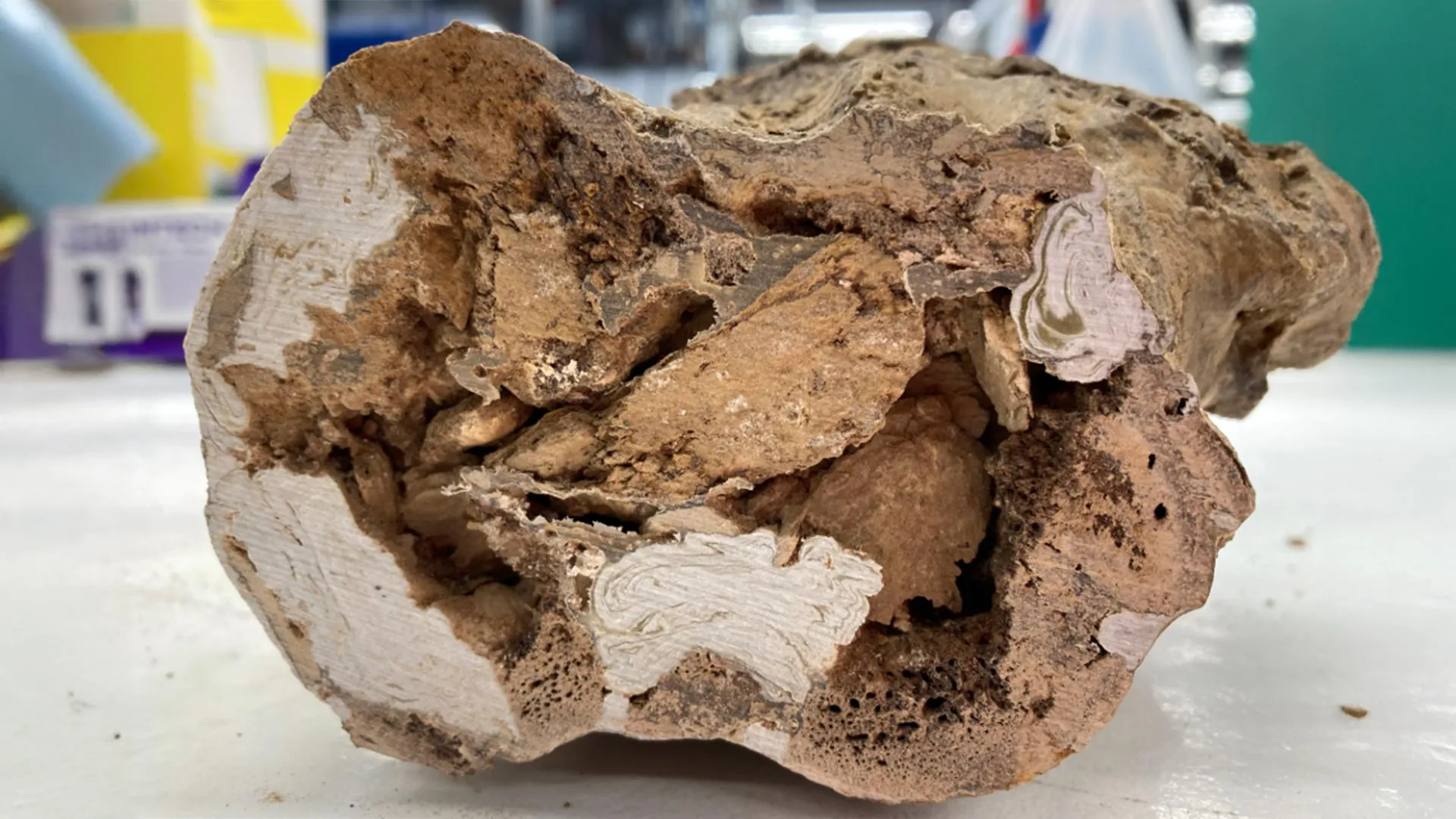
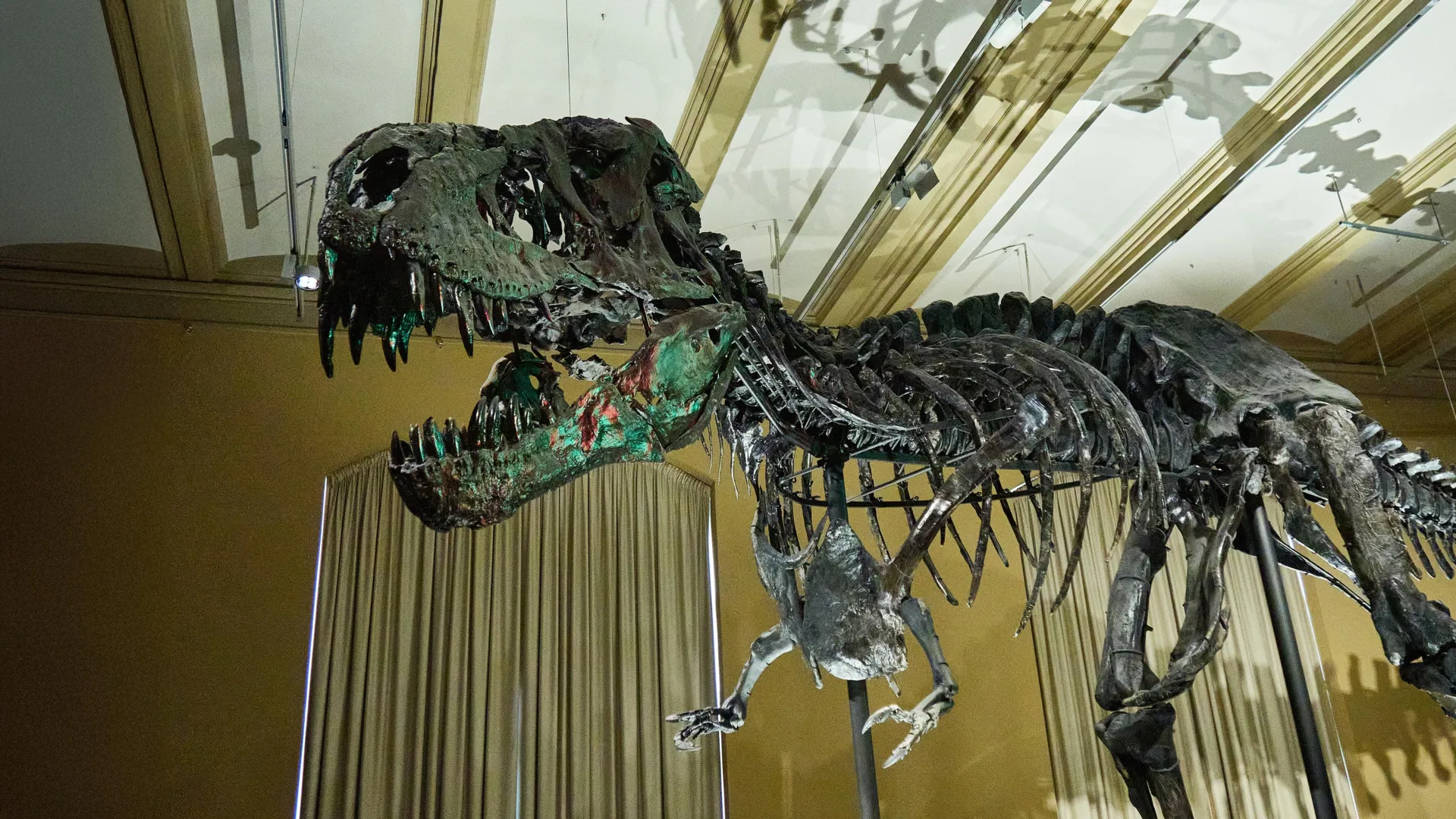
Powerful synchrotron X-rays uncover preserved blood vessels in 66-million-year-old Tyrannosaurus rex rib, providing new insights into dinosaur biology and recovery.

Powerful synchrotron X-rays reveal preserved circulatory system in 66-million-year-old Tyrannosaurus rex bone, offering unprecedented insights into dinosaur biology and healing processes.

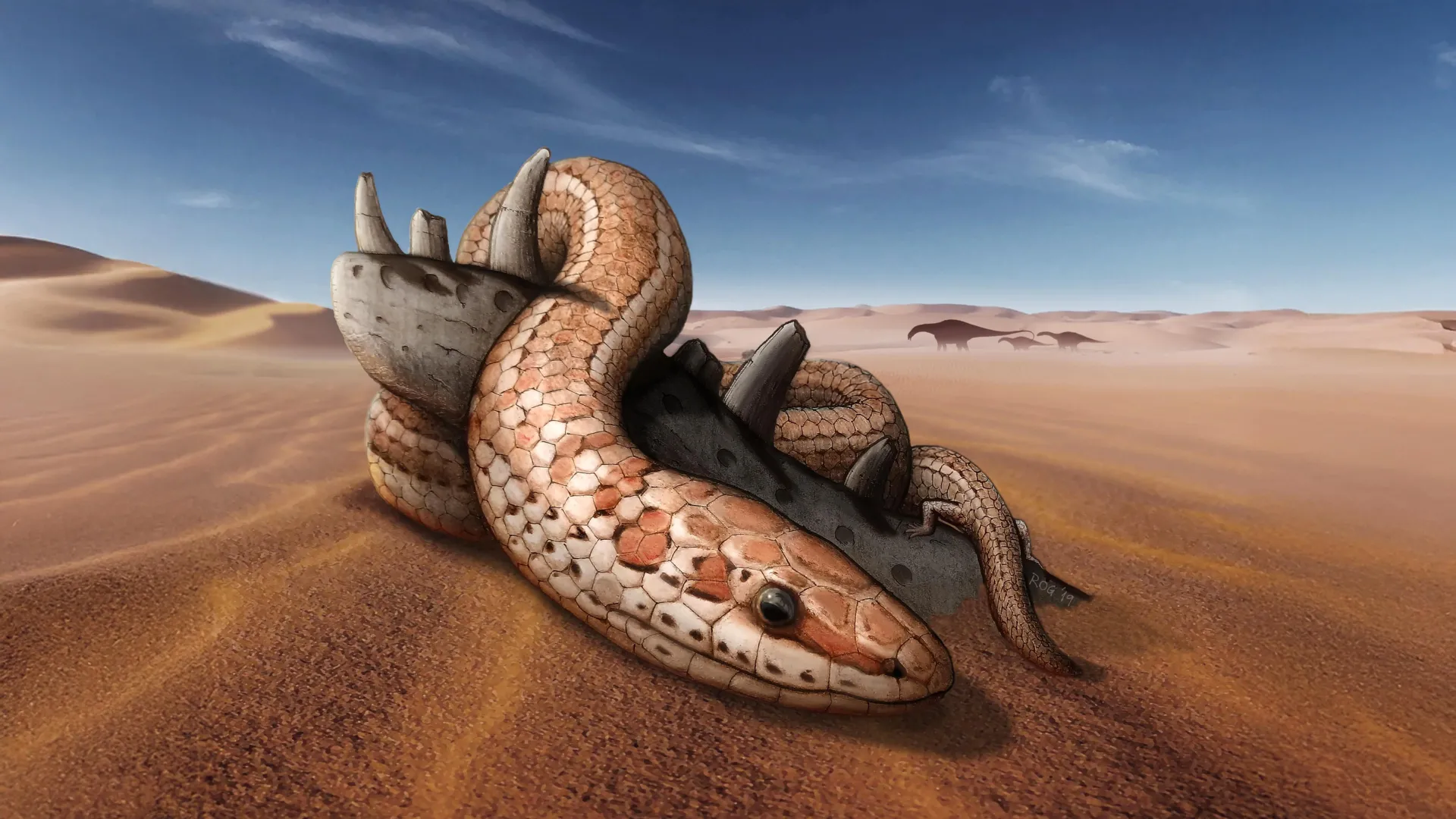
Najash rionegrina fossil reveals early snakes were large predators with wide mouths, not small burrowers as previously thought.

A remarkably preserved fossil reveals early snakes were large, wide-mouthed predators rather than tiny burrowers, challenging long-held theories about snake origins.
Showing the latest 60. More in Science.