100-Million-Year-Old Snake Had Hind Legs and Lost Bone That Rewrites Evolution
A remarkably preserved fossil reveals early snakes were large, wide-mouthed predators rather than tiny burrowers, challenging long-held theories about snake origins.
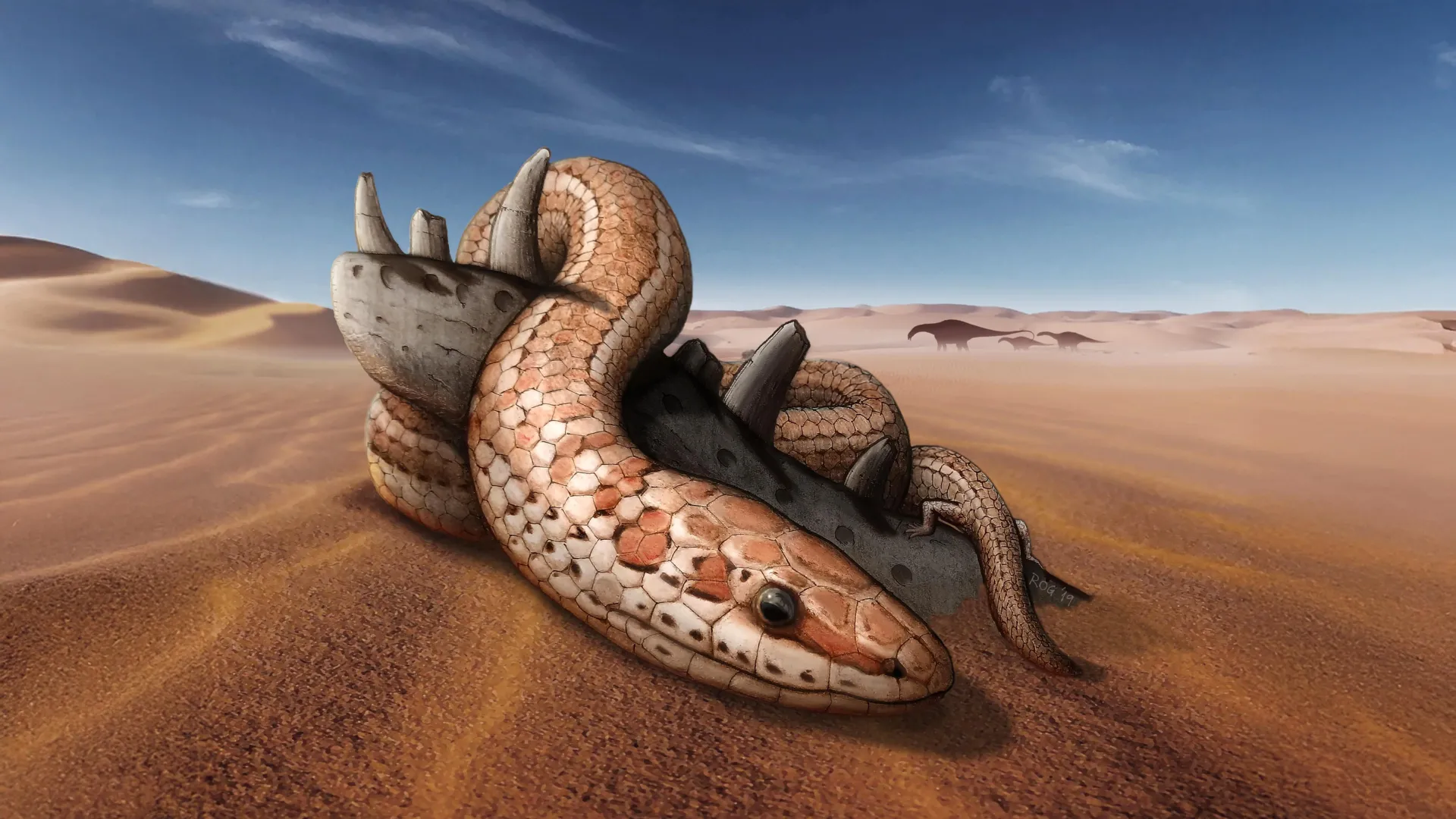
Nearly 100 million years ago, snakes looked dramatically different from the sleek, limbless creatures we know today. A remarkably preserved fossil of Najash rionegrina from Argentina has fundamentally changed how scientists understand snake evolution, revealing that these ancient reptiles still had hind legs and retained a cheekbone that has almost completely vanished in modern species.
The specimen's skull shows that early snakes possessed a jugal bone, also called the cheekbone, which has been lost in virtually all living snakes. This discovery helps fill critical gaps in the fossil record that had long made it difficult for scientists to clearly explain the earliest stages of snake evolution. The fossil evidence suggests that the transition from limbed ancestors to modern limbless snakes was a much more gradual process than previously understood.
Perhaps most significantly, the findings challenge a popular theory about snake origins. Rather than evolving from small, burrowing animals as many scientists had proposed, the evidence from Najash points to ancestors that were larger-bodied creatures with wide mouths. "Our findings support the idea that the ancestors of modern snakes were big-bodied and big-mouthed -- instead of small burrowing forms as previously thought," explained Fernando Garberoglio from the Fundación Azara at Universidad Maimónides in Buenos Aires, who led the research.
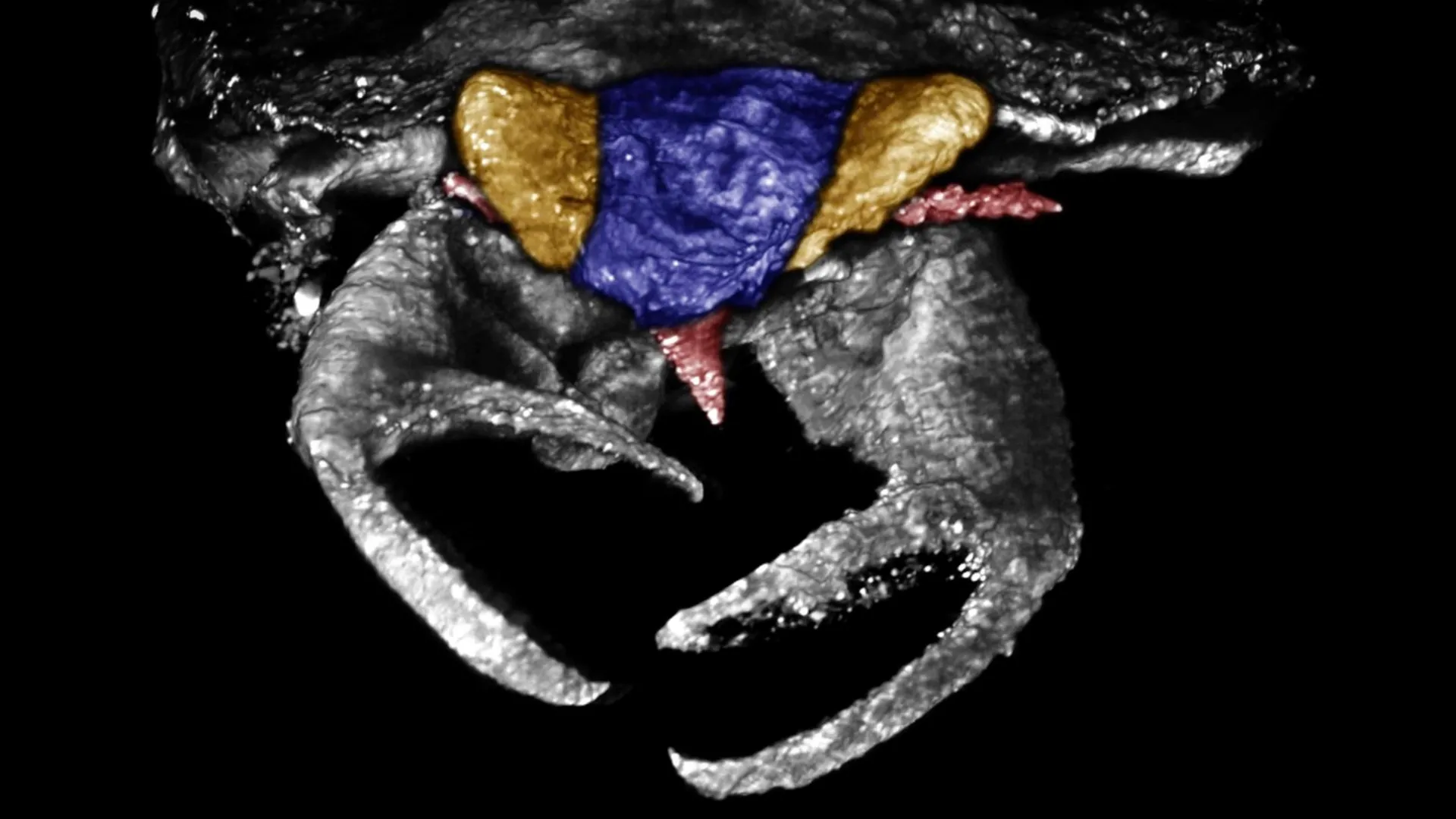
The research team used advanced micro-computed tomography scanning to peer inside the fossil without damaging it. This technology allowed them to reconstruct the skull in exceptional detail, including the paths of nerves and blood vessels as well as bones buried within the rock. The level of detail helped resolve a long-running anatomical debate about the jugal bone in snakes that had persisted for more than 160 years.
The study also revealed that early snakes retained their hindlimbs for an extended period before the evolution of modern, completely limbless species. The fossil snakes came from Northern Patagonia and belong to an ancient southern lineage that lived across the continents of Gondwana. This group appears to be related to only a small number of unusual snakes still living today, providing important clues about how snake body plans evolved over millions of years.