Loggers Say Roadless Rule Repeal Won't Fix Their Biggest Problems: Diesel, Inflation and Labor
Trump is expected to open 44 million acres of national forest, but Oregon timber workers say fuel costs and a shortage of drivers matter more.
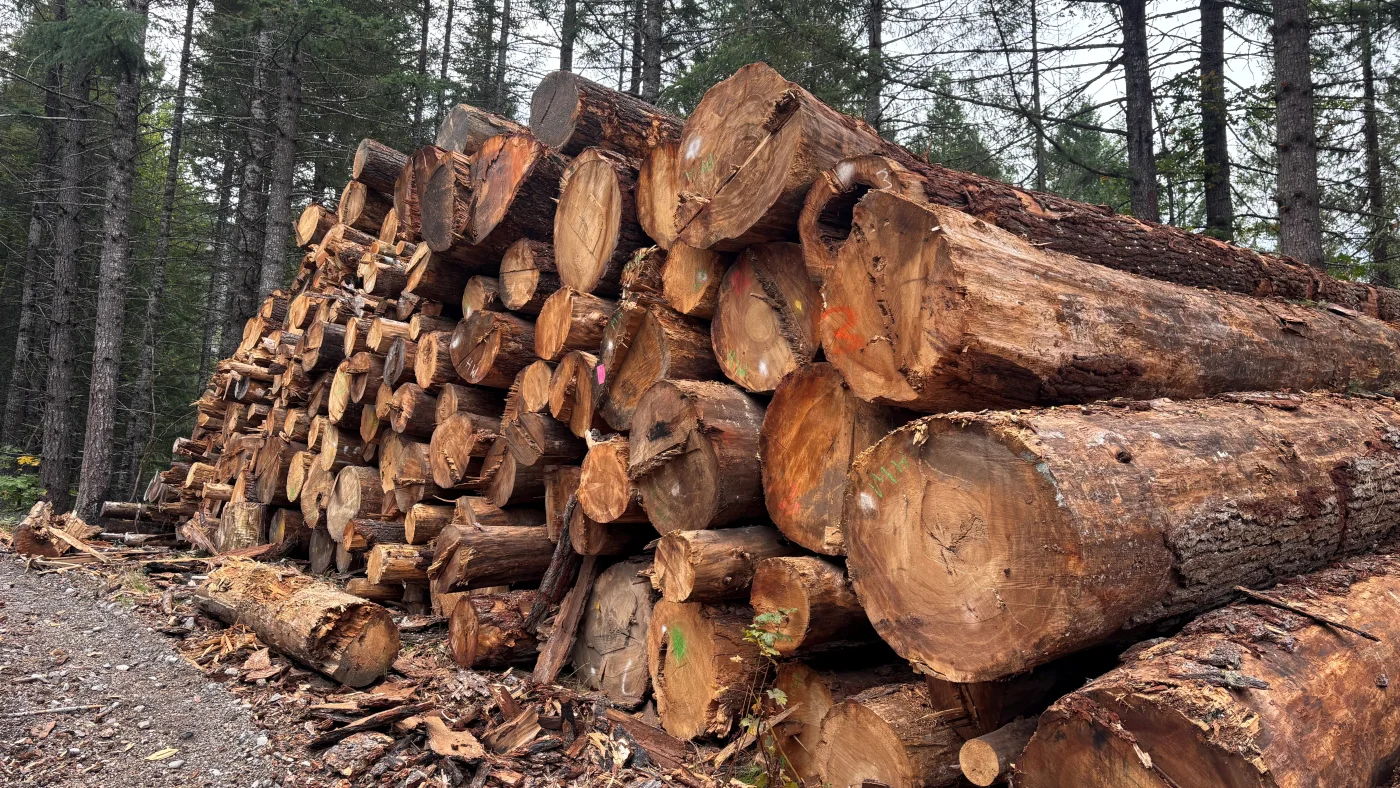
EUGENE, Ore. — President Donald Trump is widely expected to soon open about 44 million acres of the country's last pristine national forests to new roads and logging. He says the move will bring timber jobs back to struggling small towns and help prevent wildfires in overgrown lands. In timber country, the picture is messier. People who make their living in the forest say their problems are much bigger than access to more trees.
Trump signaled the move with executive actions last year aimed at sharply increasing timber sales on U.S. Forest Service land and reversing the agency's 25-year-old Roadless Rule, which has blocked most new road building and logging on undeveloped national forest land since 2001. The formal repeal is expected early next year, NPR reported.
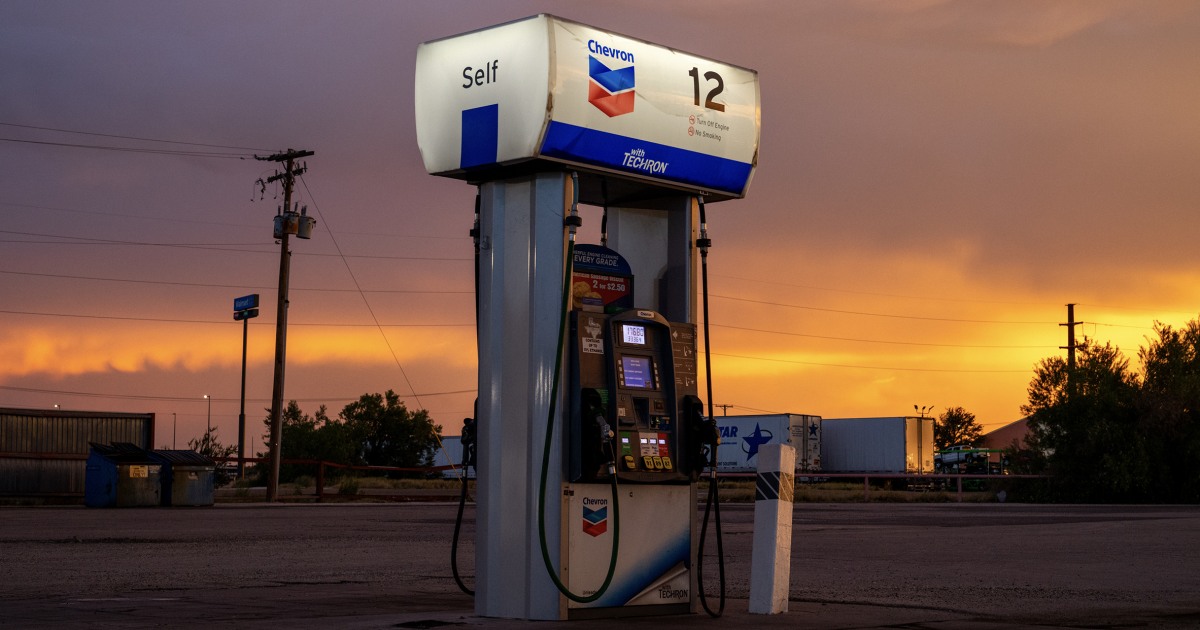
"I'm not saying these EOs are useless, they set the tone," said Sean Smith, CEO of the family-owned Starfire Lumber in Cottage Grove, Ore. Smith supports the reversal and says it will eventually give the industry a more reliable local timber supply. He says much of the nearby Willamette National Forest, roaded or not, is dangerously overgrown, and that the built-up fuel makes catastrophic fires more likely. But his immediate worries are more basic. Diesel is at a record high price, which economists largely blame on Trump's war with Iran. Inflation is pushing up the cost of everything else. "Steel, you know, we have to buy sawblades, we have to buy ball bearings," Smith said. "We have to buy a million different parts to keep this mouse trap going."
Jeff Brink, a second-generation logger near Eugene, said labor is a bigger obstacle. "Right now, there's not a ton of people that want to wake up at 2 a.m. and drive a log truck for the same price that you could go work at McDonald's for," he said. His company, Brink Land Development, started in 1981 and is getting by, thanks to restoration work on private land and salvage logging in recent burn scars. For smaller loggers already struggling, he said, high diesel prices and labor shortages could be the tipping point. "For an industry already operating on low margins, this is a tough one."
The industry is a fraction of what it once was. Tighter environmental rules and cheaper Canadian lumber imports have cut federal timber sales by close to 90% since the 1990s. An estimated 400 mills across the broader Northwest have closed since then, a loss of about 35,000 jobs, and seven mills in Oregon have shut down since 2024 alone. Industry experts project that overturning the Roadless Rule might raise federal timber sales by 5% to 10%, which is hardly enough to inspire enthusiasm. "We're in an industry that for decades has been in a state of contraction," Brink said.
The administration, the timber industry and some local officials say repeal will give the Forest Service flexibility for wildfire prevention such as tree thinning. Yet under both Republican and Democratic administrations, the agency has struggled to get such projects moving even in forests that already have roads, hampered by lawsuits, red tape and a lack of workers.
Opponents are preparing to fight. Several national environmental groups have signaled they will sue once the rule is formally repealed. Timothy Ingalsbee, a retired Forest Service firefighter who led a year-long tree sit against an old-growth timber sale in the 1990s and now runs a firefighter safety and advocacy group, rejects the fire-prevention argument. "The claim that they're going to do all this new road building and logging in roadless areas on behalf of wildland firefighters, and make it more efficient for them, is just a big lie," he said. "Not in our name you don't." Some fear it could revive the bitter Timber Wars of that era.