Republicans' Redrawn House Maps Aren't Delivering Easy Wins, and They're Spending Millions Anyway
North Carolina's 1st District, redrawn to lean Trump by 11 points, is now a toss-up and one of the costliest House races in the country.
Last year, President Donald Trump and his political team pressed Republican-led states to redraw their congressional maps. The goal was to build a firewall against the heavy midterm losses that usually hit a president's party. Eight days before Election Day, that firewall is leaking. Republicans are pouring millions of dollars into House seats that were supposed to be easy wins and may lose them anyway.
"It just has not turned out that way," said Nathan Gonzales, editor of Inside Elections, according to NPR. The clearest example is North Carolina's 1st Congressional District. The state legislature aggressively redrew it late last year to make it reliably Republican. Under the new lines, Trump would have carried the district by more than 11 percentage points in 2024. Today it is widely considered a toss-up.
The race has become one of the most expensive House contests in the country. An NPR analysis of AdImpact data found more than $42 million spent on advertising there between Sept. 1 and Election Day. Republican nominee Laurie Buckhout, a retired Army colonel who lost the district two years ago, has leaned on the map's built-in advantage. "There are more of us," she told a rally crowd. "All you've got to do is get out the vote."
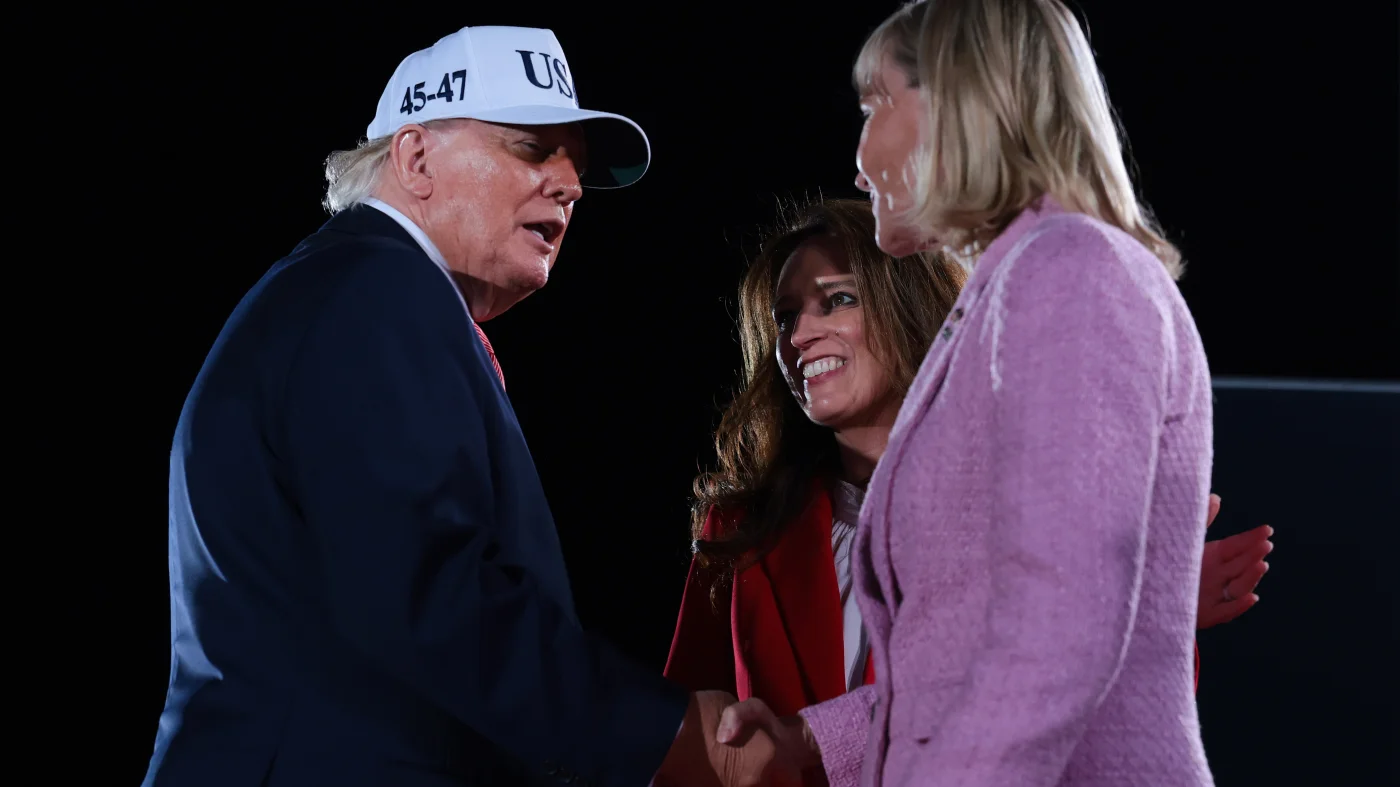
Concern about turnout is exactly why Trump traveled to eastern North Carolina. At the rally, which was mainly built around Senate candidate Michael Whatley, Trump called Buckhout and Jennifer Balkcom, who is running in the 11th District, up on stage. He said House Speaker Mike Johnson had asked him to give them a special call-out because "they're going to have close races." Trump described the situation as "tough."
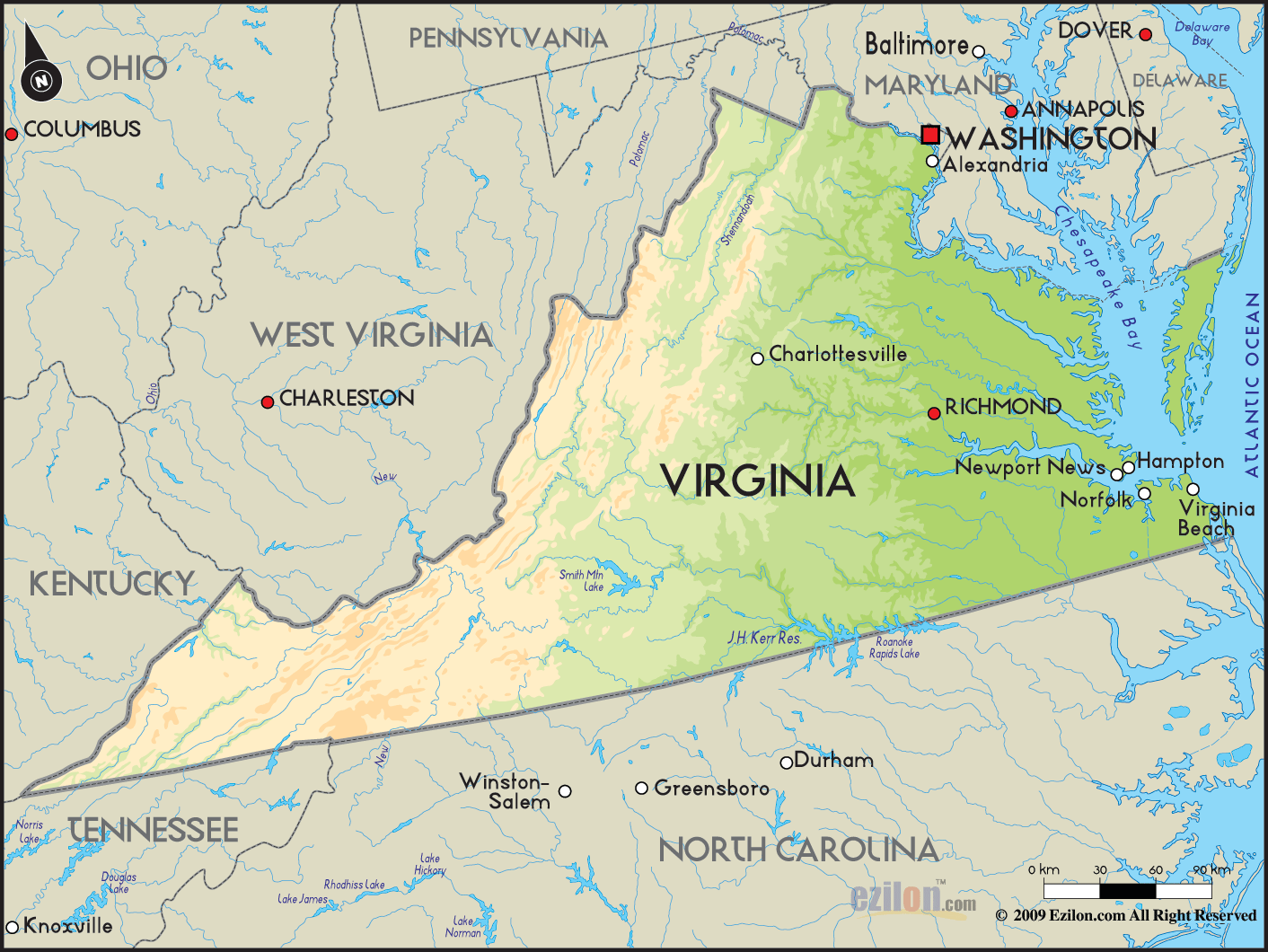
The Democrat in the 1st District, Rep. Don Davis, has been a top Republican target through several rounds of redistricting. "This is my third run on a third new map," Davis said. His home county was drawn out of the district this time, and he picked up all or part of six new counties. Greeting voters at an early voting site in Swansboro, at the district's far southeastern tip, he was told by one man that he was not in Davis's district. "Oh, I'm sorry," Davis said, laughing, and noted it has been happening a lot. He joked that the only way left to redraw it would be to annex Virginia or push it into the Atlantic. "I'll just swim and talk to the fish," he said.
Davis argues that the issues in eastern North Carolina cross party lines. Farmers, truckers and fishermen have been hit by high fuel prices. "You hear so much about affordability, inflation and costs but I believe this is becoming for many about survivability," he said. Morgan Jackson, a prominent North Carolina consultant who is running Democrat Roy Cooper's U.S. Senate campaign, said Republicans misjudged him. "I think they believed that they had beaten Don Davis with the redistricting pen," Jackson said. "As it turns out, Don Davis has always been a tough out. He's a local politician who runs really strong."
North Carolina is not the only place where the plan has frayed. NPR reported that incumbent Democrats in several redrawn districts around the country decided to stay and fight, and several now look well positioned to hold on. The pattern shows a risk in aggressive redistricting. Spreading Republican voters across more districts can make each seat safer on paper, but it also makes each seat more vulnerable if the political environment turns, as inflation, high fuel prices and the Iran war weigh on the party in power.
For Republicans, the cost goes beyond money. Every dollar and every campaign stop devoted to a seat that was supposed to be safe is one that cannot go to other races. The result will show whether the maps hold in a bad year or whether the party over-engineered itself into a larger fight.