The Supreme Court Blocked Missouri's New Map Minutes After the State Called a Change 'Extraordinarily Burdensome'
The unsigned order, with no noted dissents, sends Missouri into November on its 2022 lines and saves Emanuel Cleaver's seat for now.
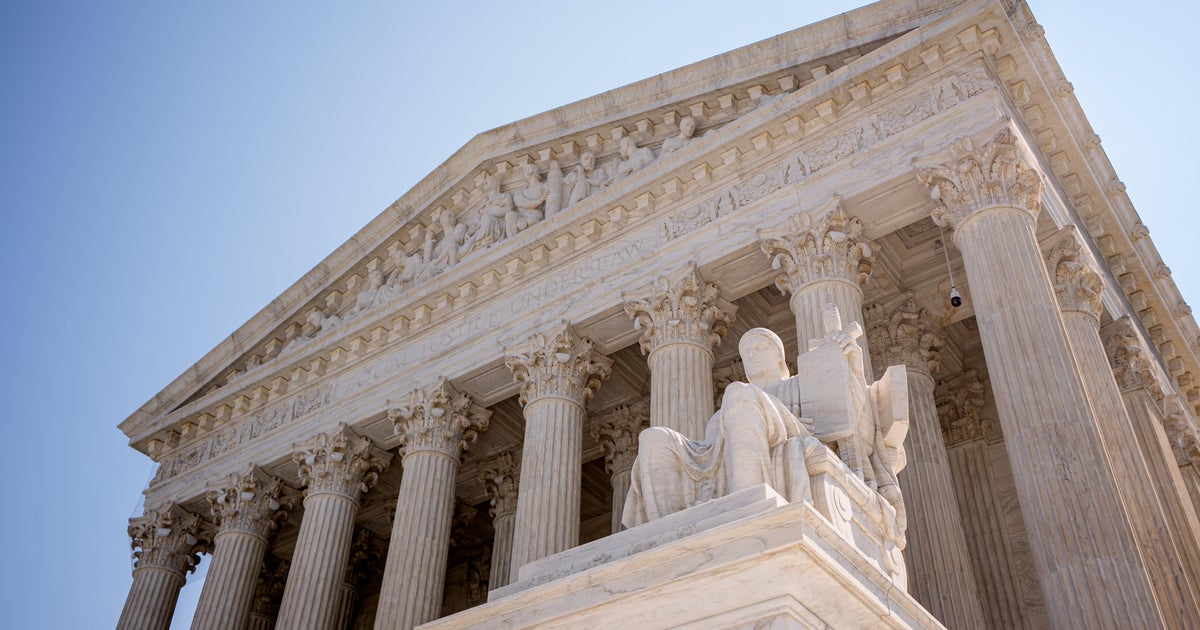
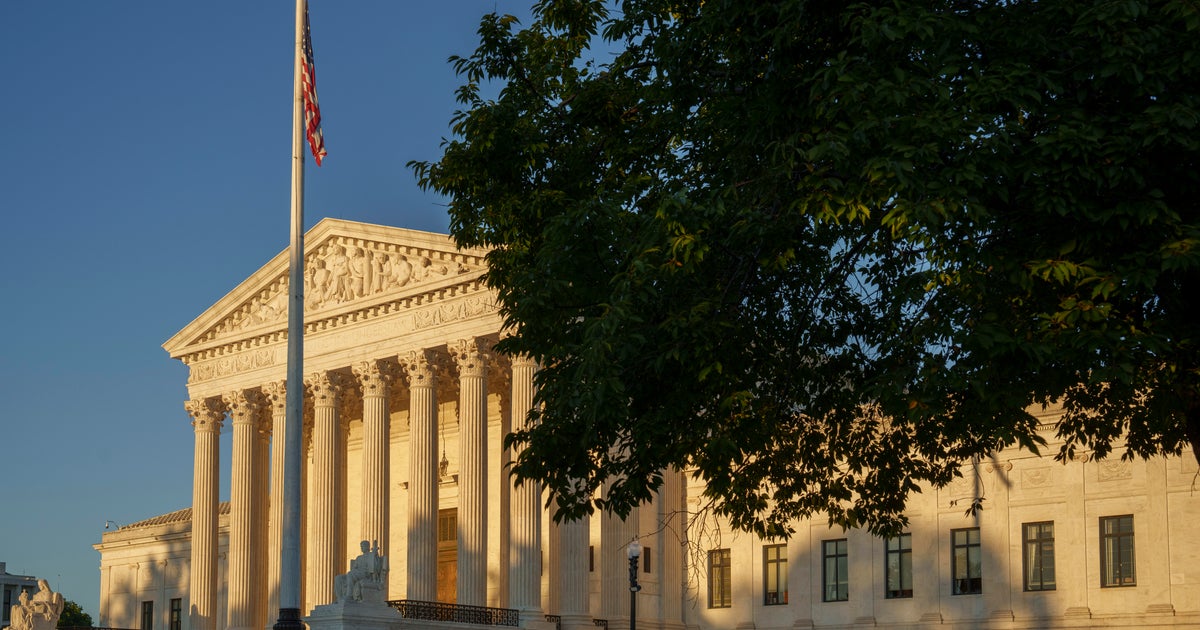
The Supreme Court on Thursday temporarily blocked Missouri from using a newly drawn congressional map that favors Republicans in the November midterms, ordering the state to run this year's elections on the lines it used in 2022.
The order was unsigned, gave no reasoning and noted no dissents. It directs Missouri Secretary of State Denny Hoskins to use the 2022 map rather than the new one, which was drawn to eliminate a Democratic seat — specifically the Kansas City-based district held by Rep. Emanuel Cleaver, who has been in the House since 2005. Missouri's delegation currently splits six Republicans to two Democrats. The new map was designed to make it 7-1.
The timing was almost theatrical. Minutes before the order came down, lawyers for Hoskins and the state filed a brief arguing that changing the map now would be "extraordinarily burdensome," because Missouri already held its August primary elections using the new Republican-drawn districts. The state said the challenge was "seeking to destabilize" the midterms and risked the "disenfranchisement of hundreds of thousands of voters."
The ruling freezes a decision issued Tuesday by U.S. District Judge Stephen Clark, who held that the new map must be used. Clark refused to stay his own order late Thursday, and a panel of the Eighth Circuit Court of Appeals is currently reviewing it. Earlier in the week, Justice Brett Kavanaugh had already rejected an emergency appeal from Hoskins, siding with the Missouri Supreme Court.
That state court ruled unanimously last week against the new districts, on a procedural ground rather than a constitutional one. A group called People Not Politicians had circulated a petition demanding a statewide vote before the congressional map took effect, and Missouri's highest court found that the petition superseded the map — meaning voters, not the legislature, get the last word. The order sends the question to a statewide ballot.
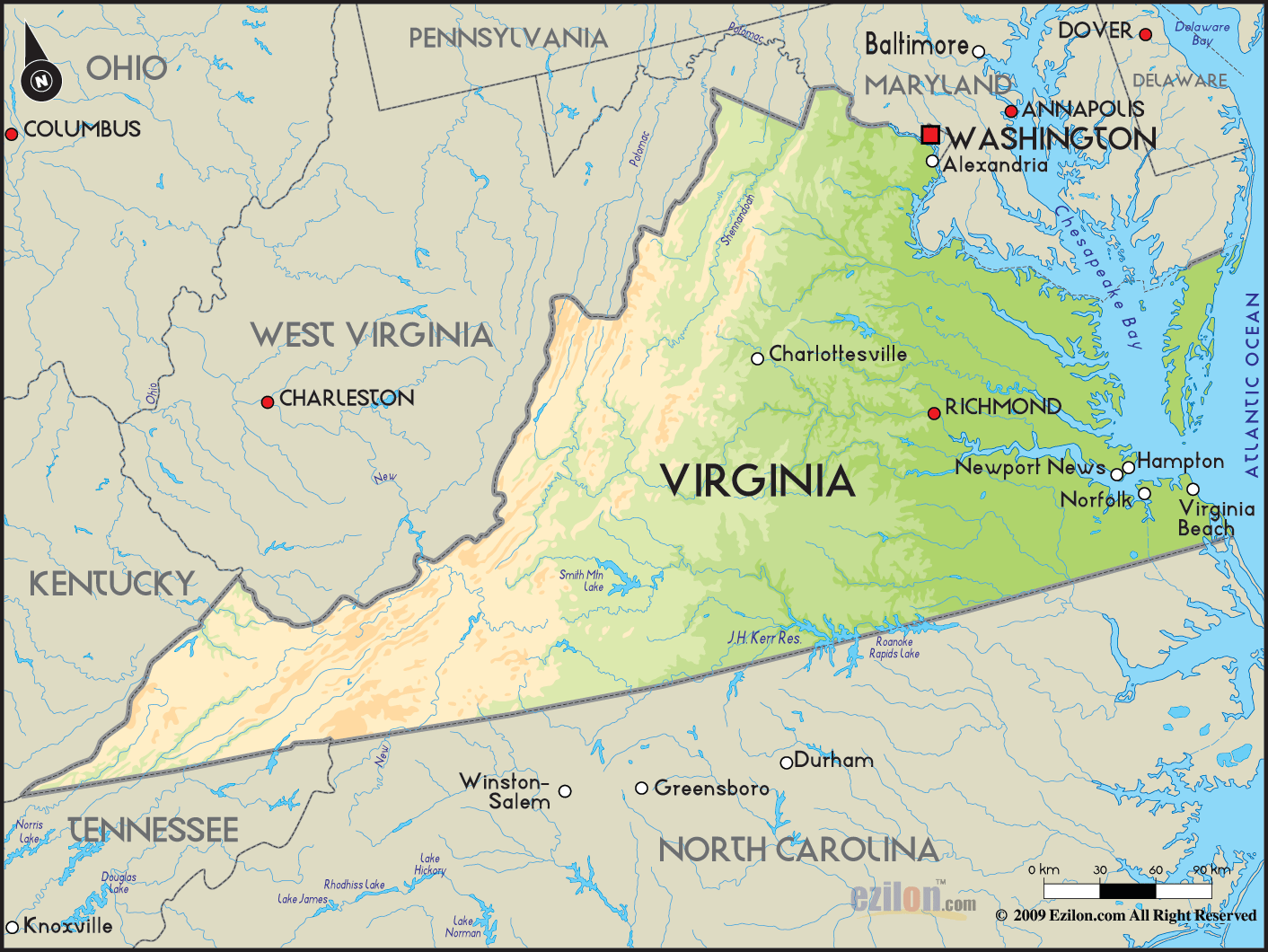
Missouri Republicans enacted the map last year as part of the nationwide mid-decade redistricting push led by President Trump to protect a slim House majority. Texas and North Carolina Republicans redrew their maps on the same theory; California Democrats answered with a redraw of their own. In Virginia, a voter-approved ballot initiative to redraw the state's map in Democrats' favor was rebuffed by the state Supreme Court. The result is a scramble in which a handful of seats — enough to decide control of the House — have been drawn, undrawn and redrawn inside a single election cycle.
For Cleaver, the practical effect is that he runs in November on the district he has represented for two decades. For everyone else, the effect is that Missouri's 2026 elections will be held under one set of lines while the primaries that chose the candidates were held under another — the kind of mismatch that tends to generate its own litigation. The justices did not say whether they will take up the underlying dispute, and the Eighth Circuit appeal continues.