Intel Memo Warns Iranian Plots to Kill Americans Abroad Have Reached 'Advanced Stages'
Director of National Intelligence Jay Clayton says Tehran has 'substantially increased efforts to target U.S. personnel' as the White House weighs resuming strikes after the midterms.
Iran has "substantially increased efforts to target U.S. personnel" abroad, and its "lethal plotting efforts by the Iranians against U.S. citizens have reached advanced stages" in the Middle East and certain other countries, Director of National Intelligence Jay Clayton warned in a memo sent Friday.
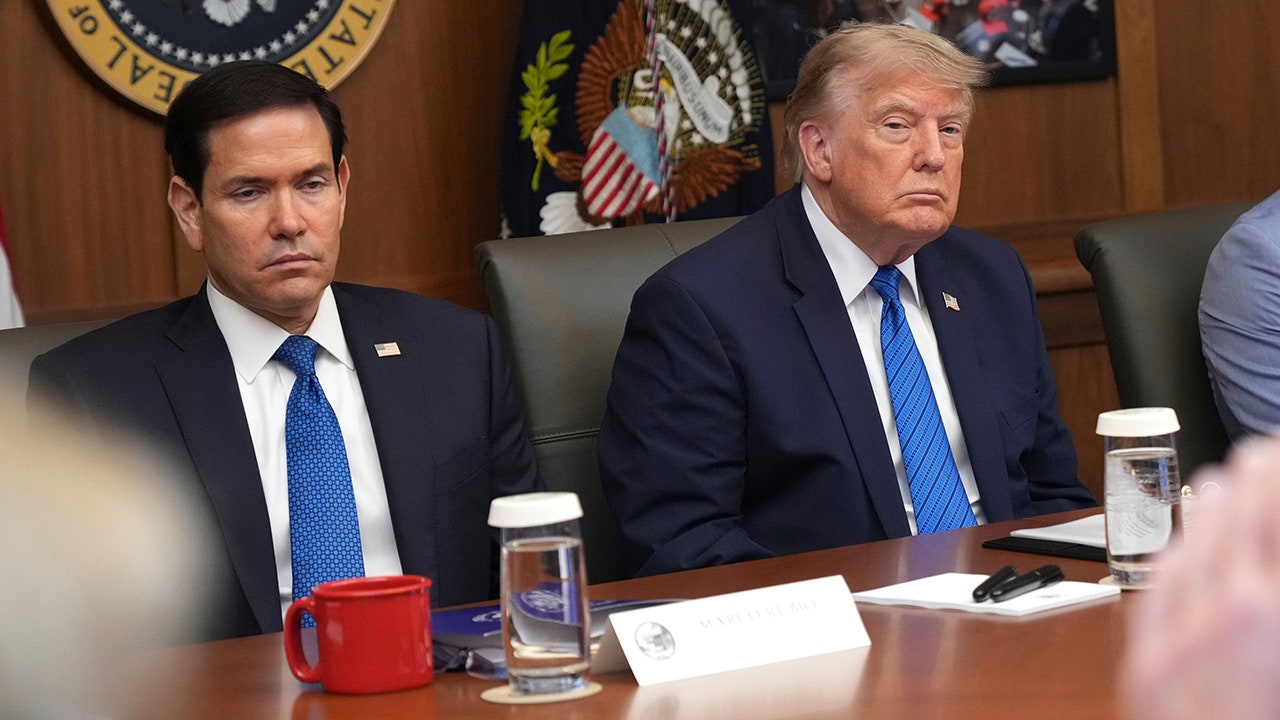
The unclassified memo went to Secretary of State Marco Rubio, with CIA Director John Ratcliffe copied. CBS News obtained it after Axios first reported on it. The document does not name specific targets or countries, and it does not say whether any attack is imminent. Clayton wrote that the intelligence community is working to downgrade sensitive intelligence so it can be shared more widely with State Department personnel who need it to stay safe.
The warning lands while the Trump administration is weighing whether to resume military strikes on Iran. The United States and Iran have not struck each other in recent weeks, but President Trump has not ruled out renewed hostilities after next month's midterm elections. At a campaign rally in Florida on Friday, Trump referred to the military campaign launched in February, known as Epic Fury, and suggested a new round could follow if Tehran does not reach an agreement. "We may do another little Epic Fury, or they'll agree," he said.
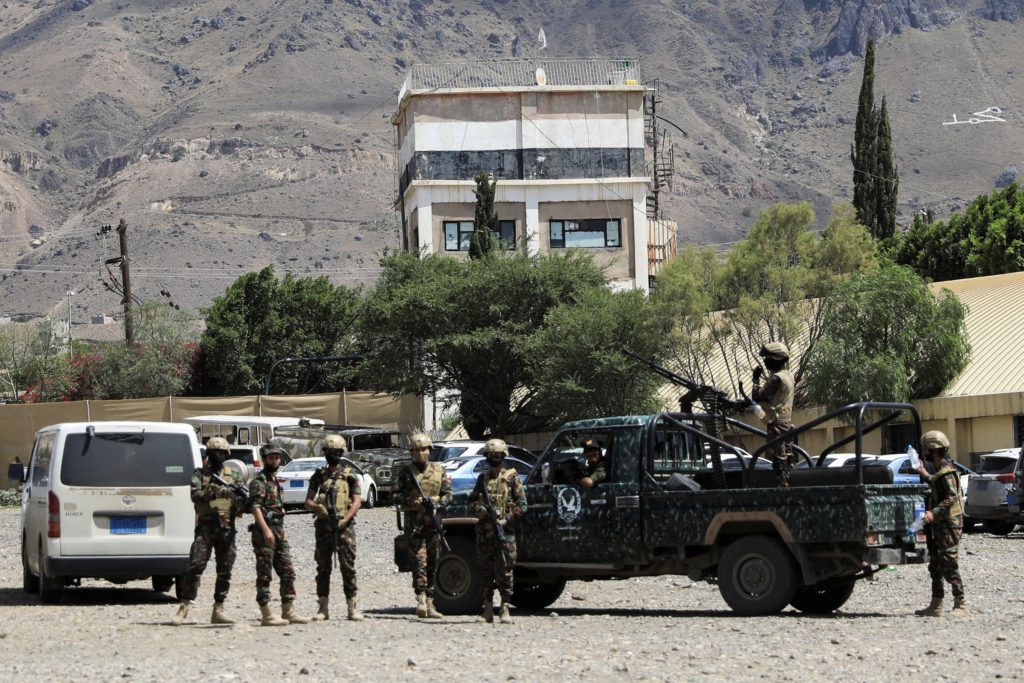
The security posture of American diplomats in the region is already shifting. Earlier this week, the State Department ordered non-essential embassy personnel and their families to leave Saudi Arabia. Several other regional embassies moved to "restricted operations" status, a designation that lets the department cut staff without a formal ordered departure. A U.S. official told CBS News that the department "constantly evaluate[s] new information about the security environment" when it makes staffing decisions, and said both Houthi attacks and Iranian plots are informing those calls. A senior military official said the U.S. military is also reducing its footprint in the region.
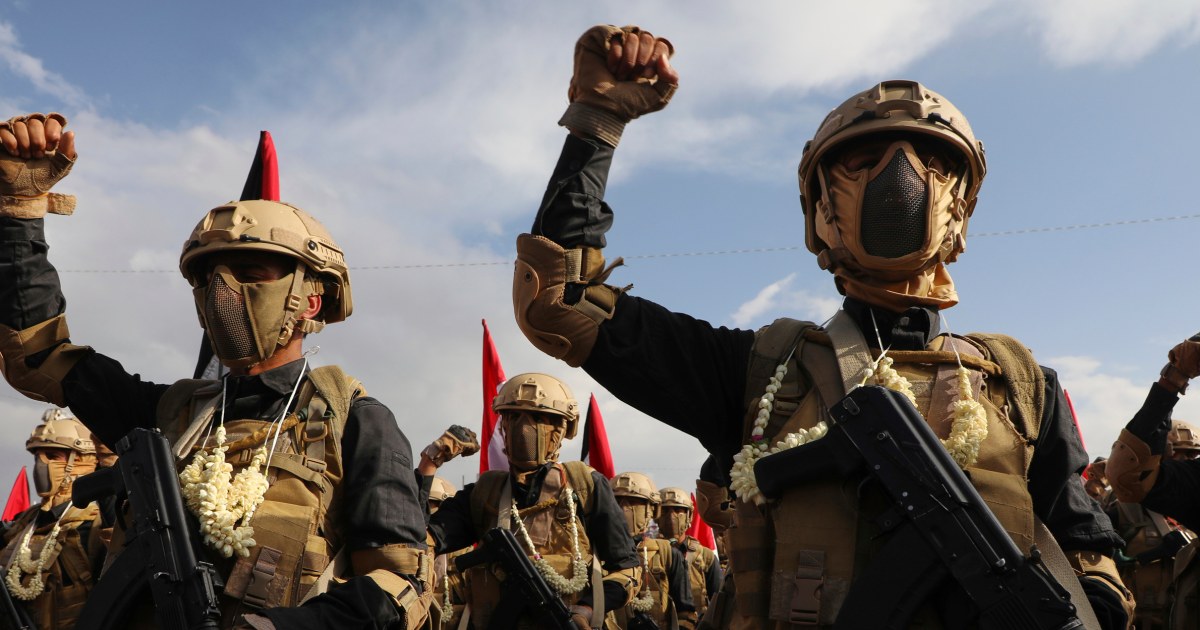
The Houthi movement in Yemen, which is backed by Iran, has stepped up drone and missile attacks on Saudi Arabia, targeting oil infrastructure and airports. A strike earlier this month on King Khalid International Airport in Riyadh killed at least a dozen people, including a U.S. citizen, and injured hundreds. Over the weekend, U.S. embassies in Saudi Arabia, Bahrain, Qatar, the United Arab Emirates and other countries warned Americans to exercise caution.
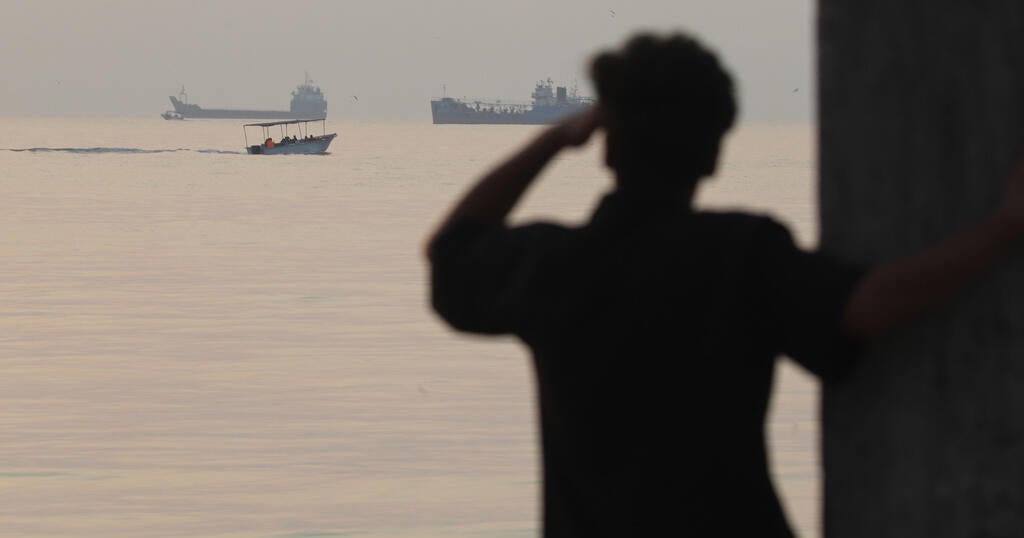
Iran, meanwhile, has continued to claim responsibility for attacks on oil tankers in the Strait of Hormuz, the narrow waterway that carries a large share of the world's oil. The combination of tanker attacks, Houthi strikes on Saudi targets and the intelligence community's warning about plots against Americans has pushed regional security to its most fragile point since the February campaign.
The memo does not say what Washington plans to do in response, and the White House has not publicly laid out a timeline for a decision on new strikes. For Americans working at embassies and bases across the Gulf, the practical effect is already visible: fewer staff, more restrictions and a standing instruction to stay alert.