Israel and Lebanon Reach U.S.-Brokered Framework Deal to End Border Fighting
Secretary of State Marco Rubio announced the agreement after four days of talks in Washington, though Hezbollah was not a party and the truce hinges on the group laying down its arms.

Israel and Lebanon reached a framework agreement on Friday aimed at ending months of cross-border fighting, Secretary of State Marco Rubio announced, capping four days of intensive U.S.-mediated negotiations in Washington. Rubio said the deal was designed to achieve "lasting peace and security" along one of the Middle East's most volatile frontiers.
The agreement was struck on the fourth day of the fifth round of talks the United States has brokered between the two governments. Under its terms, Israeli forces will withdraw from two areas inside the roughly six-mile-deep buffer zone the Israel Defense Forces established in southern Lebanon, handing those positions over to the Lebanese army. Israeli officials said the areas had already been cleared of Hezbollah infrastructure before the handover.
The truce, however, rests on a fragile condition: a complete cessation of fire by Hezbollah and the evacuation of all of the group's operatives from southern Lebanon. Critically, Hezbollah — the Iran-backed paramilitary force that has done much of the fighting on the Lebanese side — was not a party to Friday's agreement, and it remains unclear whether the group will honor a deal negotiated by Beirut's official government.
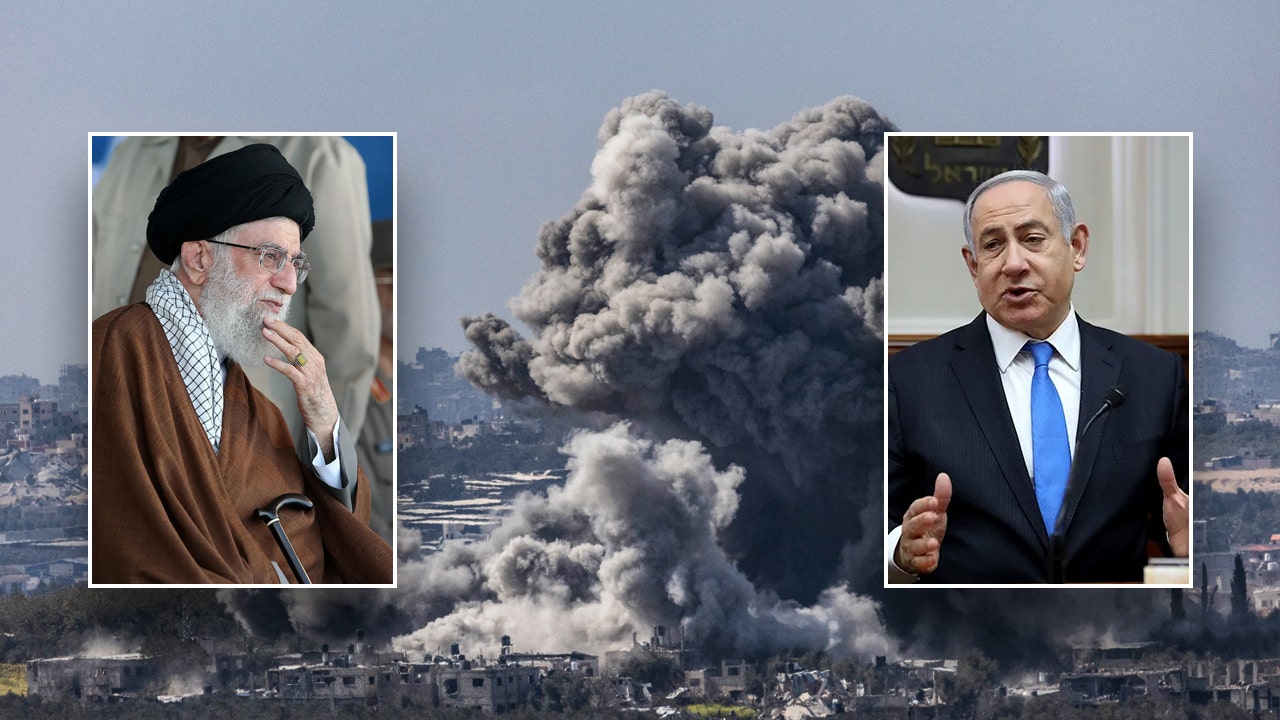
That uncertainty hangs over the entire arrangement. An end to hostilities between Israel and Lebanon is widely seen as a prerequisite for any broader settlement between the United States and Iran, Hezbollah's chief sponsor. Earlier in the week, President Trump had threatened to "hit Iran very hard again" over continued Hezbollah attacks, underscoring how closely the Lebanese front is tied to Washington's larger standoff with Tehran.
Israeli Prime Minister Benjamin Netanyahu issued a video statement touting the framework, while an Israeli envoy cautioned that the IDF's withdrawal was not tied to a fixed timetable and would depend on Hezbollah's disarmament. Lebanese officials welcomed the prospect of regaining sovereignty over their southern territory but acknowledged the difficulty of reining in a force that operates largely outside state control. Diplomats involved in the talks described the framework as a meaningful but tenuous step, one whose survival will be tested in the days ahead as both sides watch to see whether the guns truly fall silent.
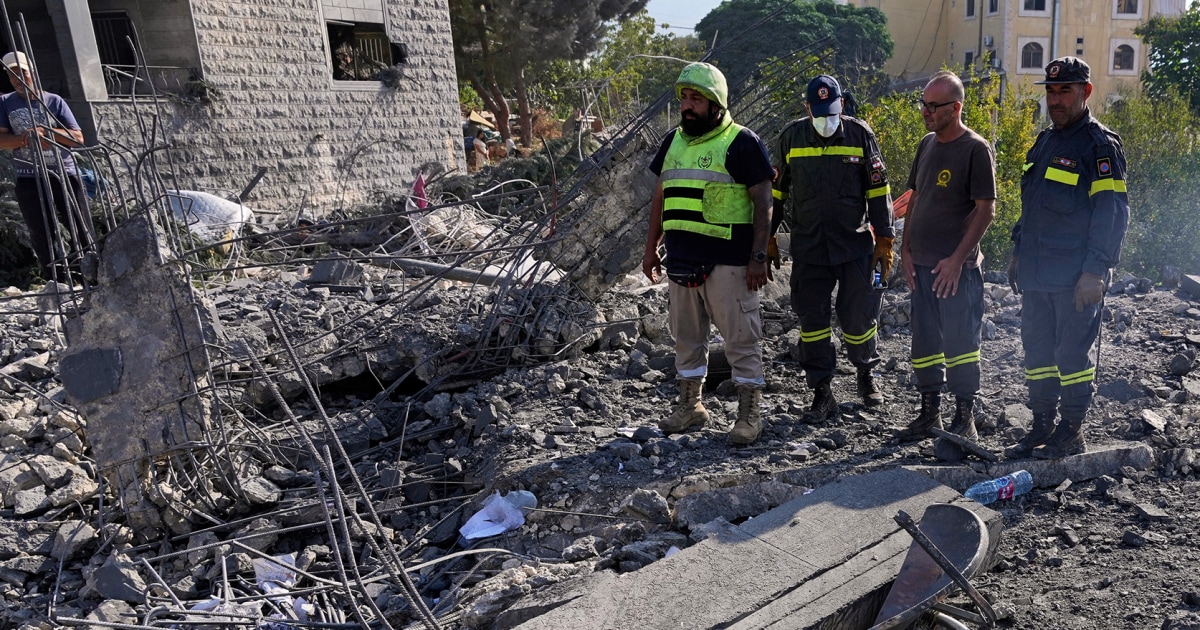
The agreement caps months of fighting that had displaced tens of thousands on both sides of the border and reduced villages in southern Lebanon to rubble. For Washington, the deal represents a rare diplomatic foothold in a region where its leverage has been repeatedly tested, and Rubio cast it as proof that sustained American mediation could still bend the trajectory of the conflict. Analysts cautioned, however, that previous truces along the Israel-Lebanon line have collapsed within weeks, and that the absence of Hezbollah's signature leaves the most important variable — whether the group's fighters actually stand down — entirely unresolved.