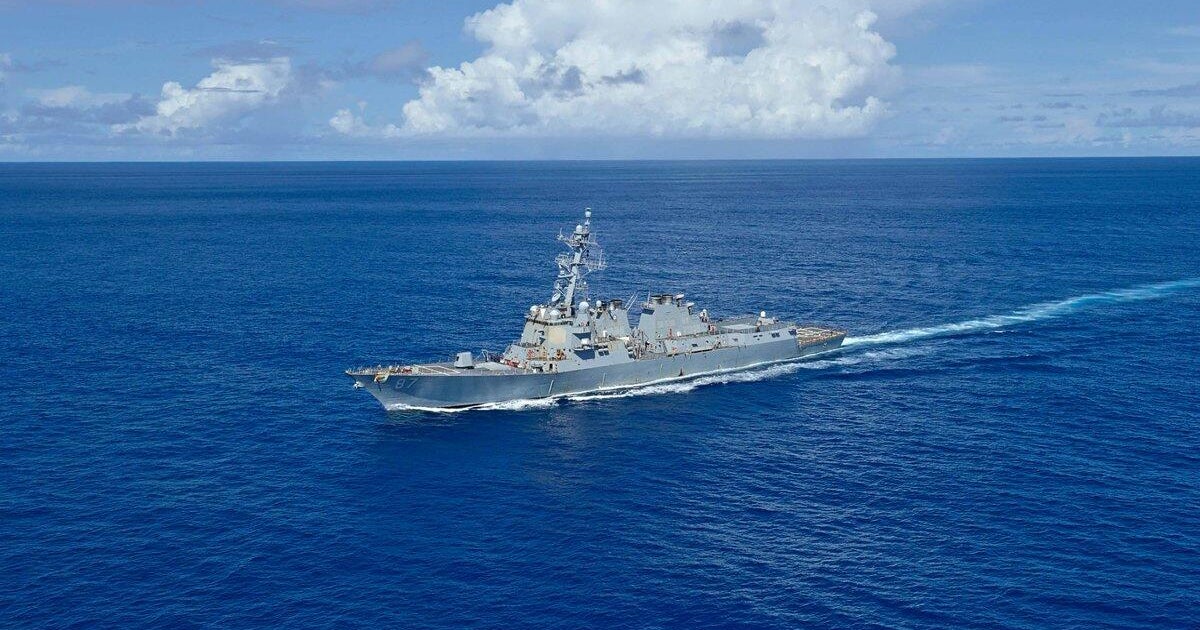
U.S. Strikes Iranian Military Sites After Drone Hits Cargo Ship in Strait of Hormuz
U.S. Central Command said six American aircraft hit four missile, drone and radar targets along Iran's coast after an IRGC drone struck a Singapore-flagged vessel, putting a fragile ceasefire to the test.

The United States launched airstrikes against Iran on Friday in retaliation for a drone attack on a commercial ship in the Strait of Hormuz, the first American strikes on Iranian soil since the two countries agreed last week to extend a fragile ceasefire that ended months of open war.
U.S. Central Command said six American aircraft struck four targets along the Iranian coastline, hitting missile and drone storage facilities and radar sites in what it called a "powerful response" to "unwarranted aggression." The strikes followed an attack the previous day on the M/V Ever Lovely, a Singapore-flagged cargo ship that was exiting the strait along the Omani coast when it was hit by a drone, damaging its bridge windows. No crew members were injured, the United Kingdom Maritime Trade Operations center reported.
U.S. officials attributed Thursday's attack to Iran's Islamic Revolutionary Guard Corps and said the targets struck Friday lay near the southern port city of Bandar Abbas, which sits at the mouth of the world's most important oil chokepoint. Roughly a fifth of the world's seaborne crude passes through the narrow waterway, and any sustained disruption there reverberates through global energy markets within hours.
President Donald Trump called the strike on the cargo ship "a foolish violation of our Ceasefire Agreement," referring to a June memorandum of understanding under which Washington and Tehran had agreed to keep the Strait of Hormuz open for 60 days. The retaliatory strikes threaten to unravel that arrangement, which had brought a tense pause to fighting that earlier in the year drew in U.S. warplanes, Iranian missile barrages and attacks on Gulf shipping.
The renewed exchange landed as the head of the United Nations nuclear watchdog warned that a "very strong" verification system would be needed inside Iran to ensure it does not pursue a nuclear weapon in the aftermath of the broader Middle East conflict. Lebanese and Gulf officials, already navigating a separate U.S.-brokered framework between Israel and Hezbollah, watched warily as the Hormuz confrontation reopened a front that diplomats had spent weeks trying to freeze. Iranian state media did not immediately confirm casualties from the American strikes, and it was unclear late Friday whether Tehran would respond militarily or seek to preserve what remains of the ceasefire.