Supreme Court Clears Trump to End TPS for Haitians and Syrians in 6-3 Ruling
The justices ruled the president has near-unfettered power to end Temporary Protected Status, stripping deportation shields from more than 350,000 people with ripples for over a million more.

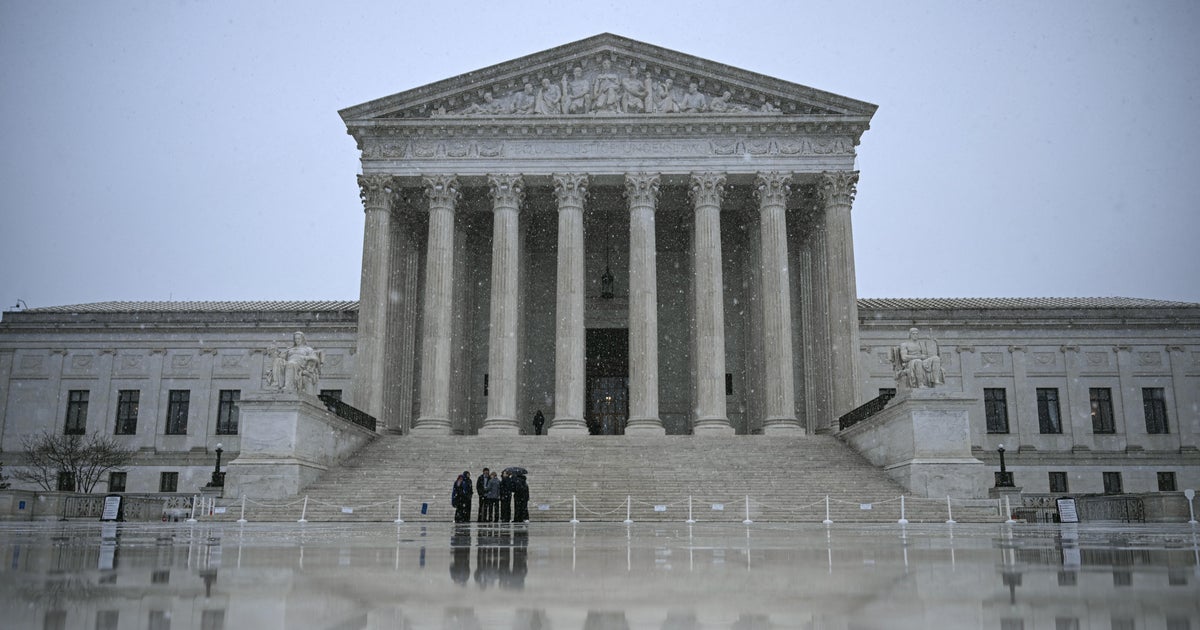
The Supreme Court on Thursday handed President Donald Trump a sweeping victory on immigration, ruling 6-3 that the president holds virtually unrestrained power to end the Temporary Protected Status program and clearing the way for the deportation of hundreds of thousands of Haitians and Syrians who have lived and worked legally in the United States for years.
The decision in Mullin v. Doe overturns a series of lower-court orders that had blocked the administration from winding down TPS, a humanitarian designation that shields people from countries ravaged by war or disaster. Writing for the conservative majority, Justice Samuel Alito concluded that decisions to grant or terminate the status fall almost entirely to the executive branch and are largely beyond the reach of judicial review.
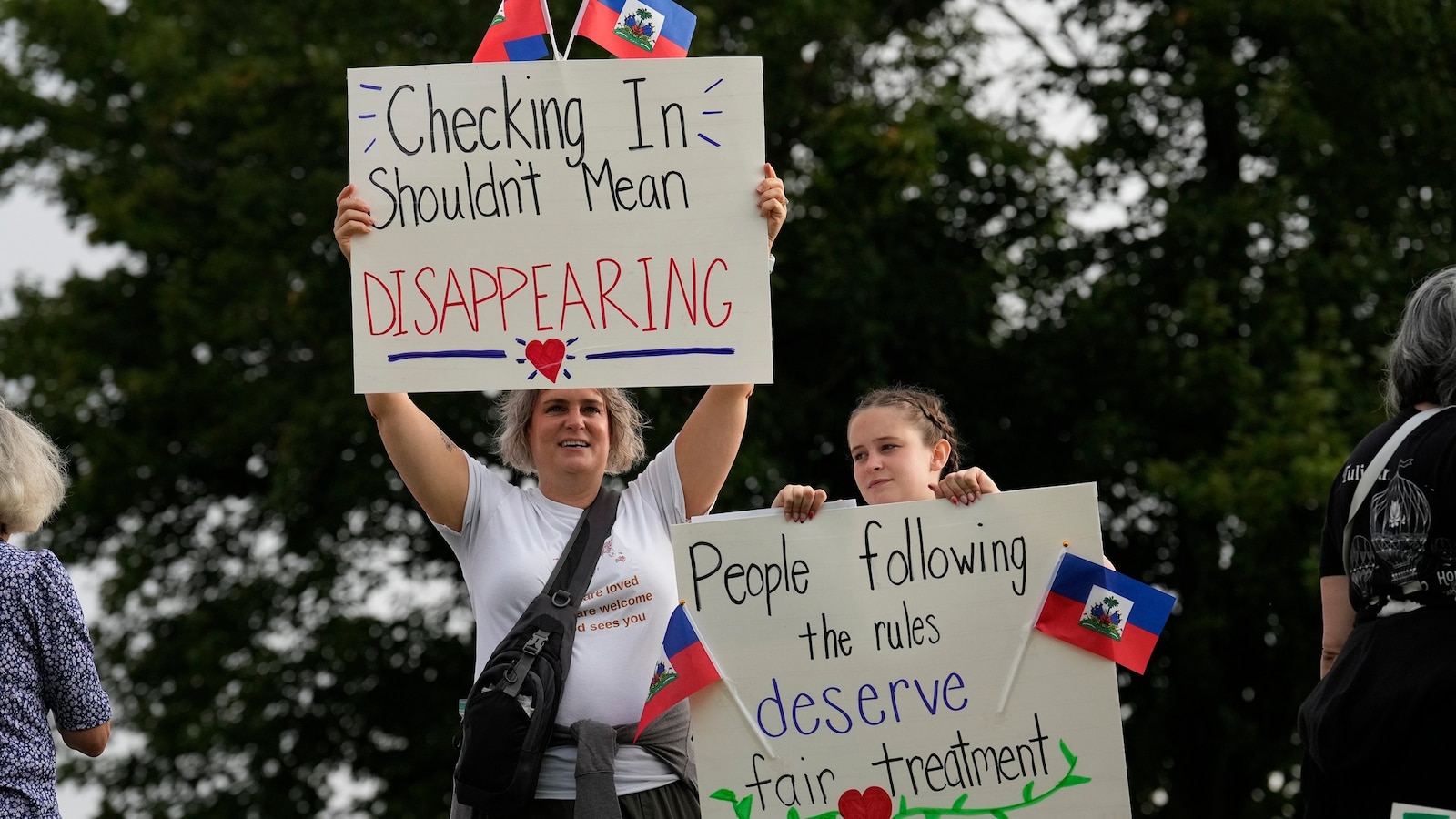
The immediate impact falls on more than 350,000 Haitians and roughly 6,100 Syrians whose protections the Department of Homeland Security now has authority to revoke. But the ruling's logic reaches far wider: there are about 1.3 million immigrants from the 17 countries currently designated under TPS, and advocates warn that all of them could lose their footing. Many of those affected hold jobs, pay taxes and are raising U.S.-born children, and they now face the prospect of reverting to undocumented status and being forced to leave the country.
The courtroom itself crackled with unusual tension. Justice Sonia Sotomayor took the rare, symbolic step of reading her dissent aloud from the bench, warning that the majority had handed the executive unchecked authority over people's lives. Alito then responded publicly from the bench, a breach of the court's usual decorum that stunned veteran observers. The court's three liberal justices dissented in scathing terms, arguing the ruling guts the protections Congress built into the program.
Reaction was swift and furious. Democratic governors and mayors in states with large immigrant populations erupted, vowing to fight deportations and protect affected families, while the White House cast the ruling as a vindication of the president's immigration agenda. The decision was one of two immigration wins the court delivered Thursday, cementing a term that has dramatically expanded executive power over the border and the people living within it. For the families involved, the legal fight is effectively over — and the countdown to losing their status has begun.
Immigration attorneys said the ruling would unleash a scramble as TPS holders search for any alternative legal footing, from asylum claims to family-based petitions, even as those avenues are themselves narrowing under the administration's policies. Employers in industries that lean heavily on TPS labor — construction, hospitality, health care and food processing among them — warned of disruption as hundreds of thousands of workers face the loss of their authorization to remain on the job. Civil rights groups vowed to challenge individual deportations and to press Congress to create a permanent legislative fix, though such a measure faces long odds in a divided Capitol. For Haitian and Syrian communities that have put down roots over a decade or more, the decision lands as a wrenching message that the protection they relied on was always provisional, and that the clock has now run out.