Trump Refuses to Sign Bipartisan Housing Bill, Demanding Passage of SAVE America Act
The president abruptly canceled a Capitol signing ceremony for the 21st Century ROAD to Housing Act, but the bipartisan measure can still become law in 10 days even without his signature.

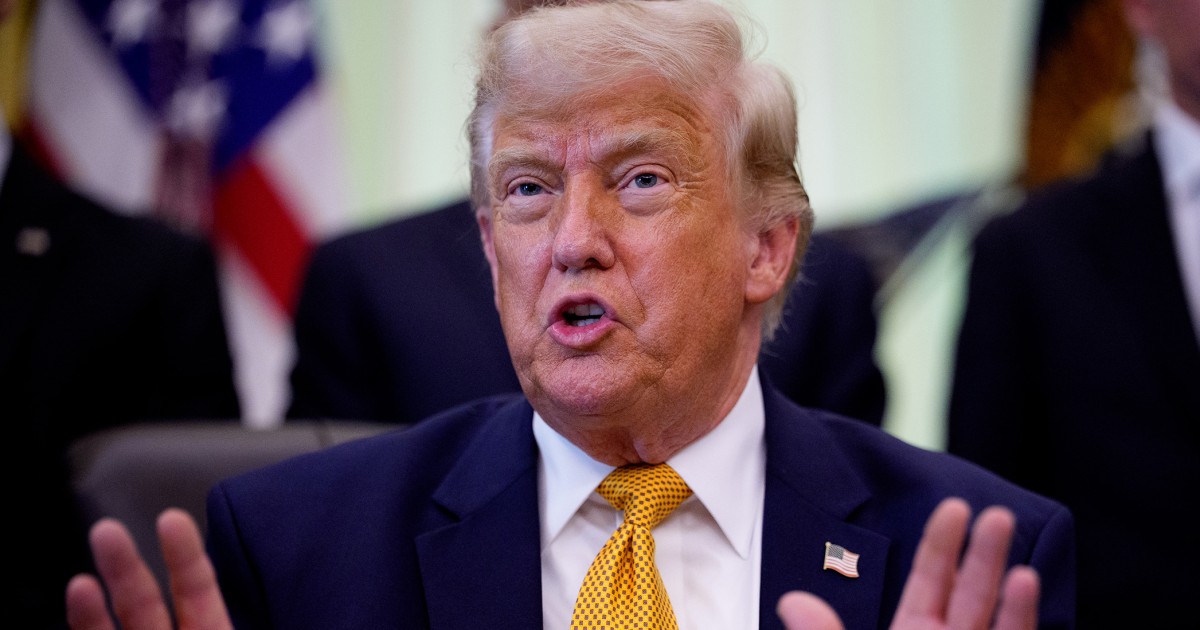
President Donald Trump abruptly canceled the signing of a landmark bipartisan housing bill on Wednesday, just an hour before he was due at the Capitol for the ceremony, declaring he would withhold his signature until Congress passes the restrictive voting legislation he has championed for months. The reversal threw a rare moment of bipartisan accomplishment into political limbo.
"Today's Housing News Conference and Signing is hereby cancelled until such time as we pass the desperately needed SAVE AMERICA ACT, which I consider to be a National Emergency," Trump said. The SAVE America Act would impose proof-of-citizenship and voter-identification requirements that Republicans have pushed and Democrats have largely opposed, and the president has increasingly used it as leverage over unrelated legislation.
The housing measure at the center of the standoff, the 21st Century ROAD to Housing Act, passed both chambers of Congress this week with overwhelming support from Democrats and Republicans alike. The bill contains no new federal spending. Instead, it aims to ease the nation's housing shortage by making it cheaper and easier to build, streamlining permitting and removing regulatory barriers that supporters say have throttled new construction and driven up costs for renters and buyers.
Crucially, Trump's refusal to sign may not stop the bill from becoming law. Under longstanding constitutional rules, when Congress is in session a bill automatically becomes law 10 days after it is presented to the president — excluding Sundays — even if he declines to sign it. That means the housing package could take effect regardless of the president's objections, leaving his maneuver largely symbolic in practical terms.
The cancellation drew swift criticism from lawmakers in both parties who had worked on the legislation. Senator Elizabeth Warren, a Massachusetts Democrat, reacted sharply to the news, casting Trump's move as holding popular, bipartisan housing relief hostage to a divisive voting bill. Some Republicans privately expressed frustration that a rare legislative win was being overshadowed by the president's demands.
The housing crunch the bill seeks to address has become one of the most potent economic issues in the country, with home prices and rents far outpacing wage growth in much of the nation and a persistent shortage of available units squeezing first-time buyers and lower-income families. Supporters argue the ROAD to Housing Act's supply-side approach — cutting red tape rather than spending federal dollars — is precisely the kind of measure that can win durable bipartisan backing, which is what made the president's last-minute reversal so jarring to its architects.
Trump met with GOP senators at the Capitol after scrapping the ceremony, reiterating that he would not relent until the SAVE America Act advanced. The episode underscored the president's willingness to use must-pass priorities and high-profile signings as bargaining chips, even at the risk of stalling his own party's accomplishments on an issue — housing affordability — that polls show is among voters' top concerns.