Supreme Court Strikes Down Hawaii's 'Vampire Rule' Gun Law in 6-3 Ruling
In Wolford v. Lopez, the justices voided a Hawaii measure that required concealed-carry permit holders to get an owner's permission before bringing firearms onto private property open to the public.
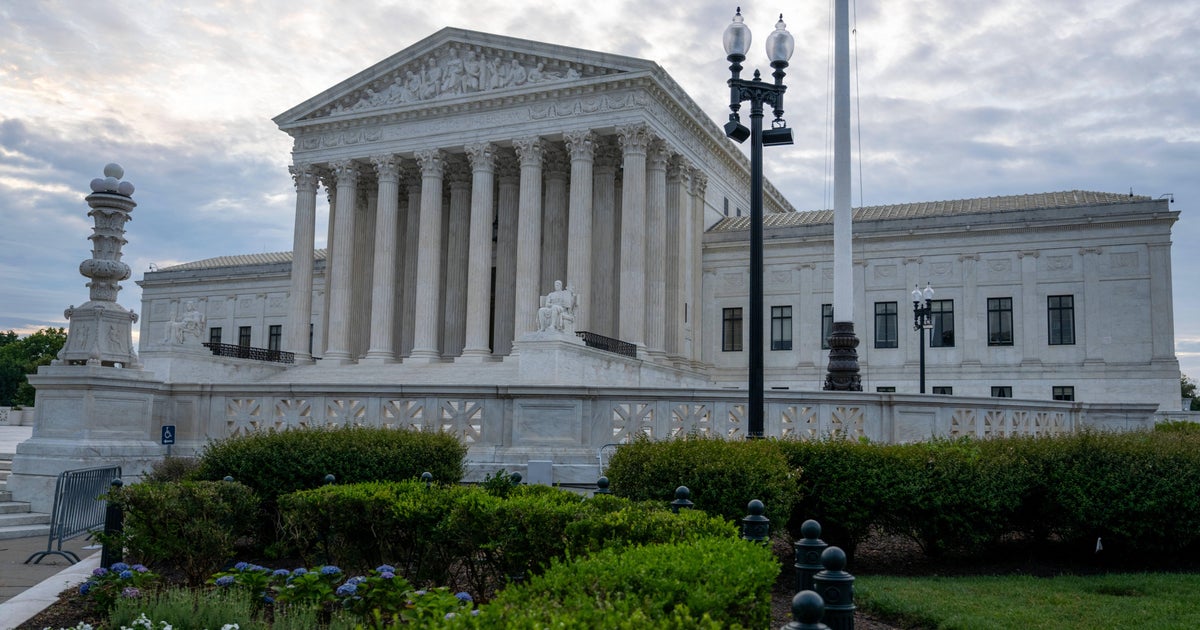
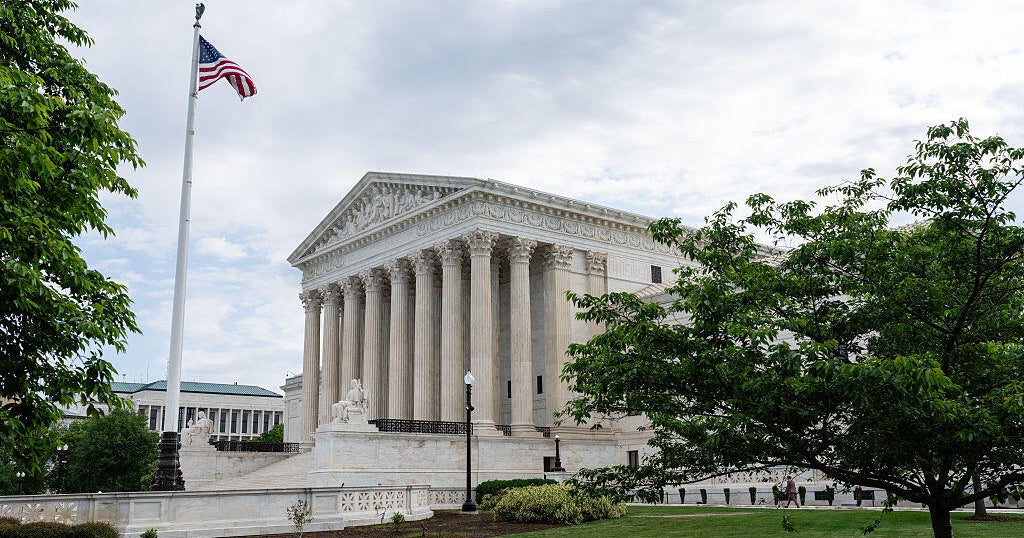
The Supreme Court on Thursday struck down a Hawaii gun restriction that limited when people could carry firearms onto certain private properties open to the public, ruling 6-3 that the measure infringed on the constitutional right to bear arms. The decision in Wolford v. Lopez invalidated a law requiring people with concealed-carry permits to first obtain permission from a property owner before entering with a weapon.
Critics had dubbed the measure the "vampire rule," a reference to the folklore in which a vampire cannot enter a home unless invited inside. Enacted in 2023 as part of a broader Hawaii gun package, the rule applied to private properties that are open to the public — places such as gas stations, stores and restaurants — and effectively treated them as off-limits to firearms unless an owner affirmatively allowed them.
Writing for the conservative majority, the Court held that the default presumption could not be reversed in that way. The ruling flips the rule on its head: lawful gun owners may now carry their weapons onto such properties unless the owner has posted signage banning them. Property owners retain the right to prohibit firearms on their premises, but the burden now falls on them to make that prohibition explicit rather than on gun owners to seek out permission.
The decision builds on the Court's expansive Second Amendment jurisprudence of recent years, including its 2022 ruling in New York State Rifle & Pistol Association v. Bruen, which established that gun regulations must be consistent with the nation's historical tradition of firearms laws. The three liberal justices dissented, warning that the majority was further constraining the ability of states to tailor gun rules to local conditions and public-safety concerns.
While the ruling formally addressed only Hawaii's statute, its practical reach extends to a handful of states that had adopted a similar "default-off" approach for private property open to the public — among them New York, New Jersey, Maryland and California. Officials in those states were reviewing the decision Thursday to determine how their own carry restrictions would need to change.
Gun-rights groups hailed the outcome as a significant victory, arguing that the Hawaii framework had turned routine errands into legal minefields for permit holders. Gun-control advocates countered that the decision strips away a commonsense tool that let businesses and the public assume firearms were not welcome absent clear notice, predicting confusion as stores and restaurants scramble to post signs.