U.S. Lifts Oil Sanctions on Iran as Inspector Standoff Tests Fragile Postwar Deal
Washington temporarily cleared the way for Tehran to sell crude in dollars for the first time in decades, but Iran flatly denied Vice President JD Vance's claim that U.N. nuclear inspectors are headed back in.
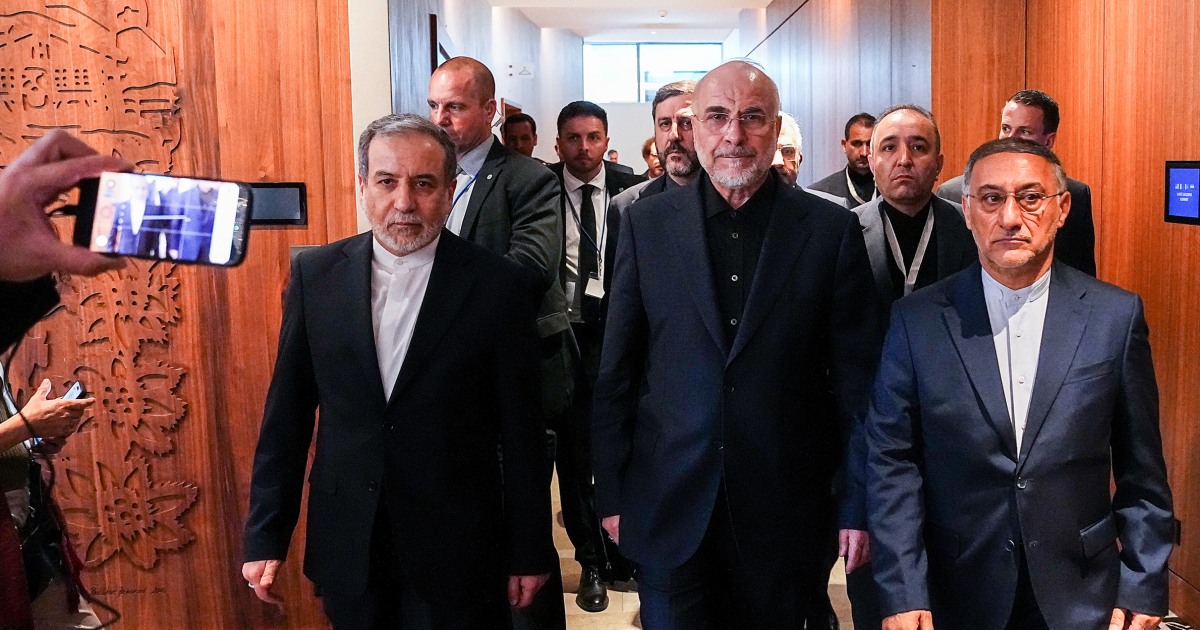
The United States has temporarily lifted oil sanctions on Iran, allowing the country to sell its crude in dollars — including to American buyers — for the first time in decades, as negotiators raced this week to nail down the terms of a peace that ended last month's war. The move, confirmed as talks continued in Switzerland, is the clearest economic signal yet that Washington and Tehran are trying to convert a battlefield ceasefire into a durable arrangement over the Strait of Hormuz and Iran's nuclear program.
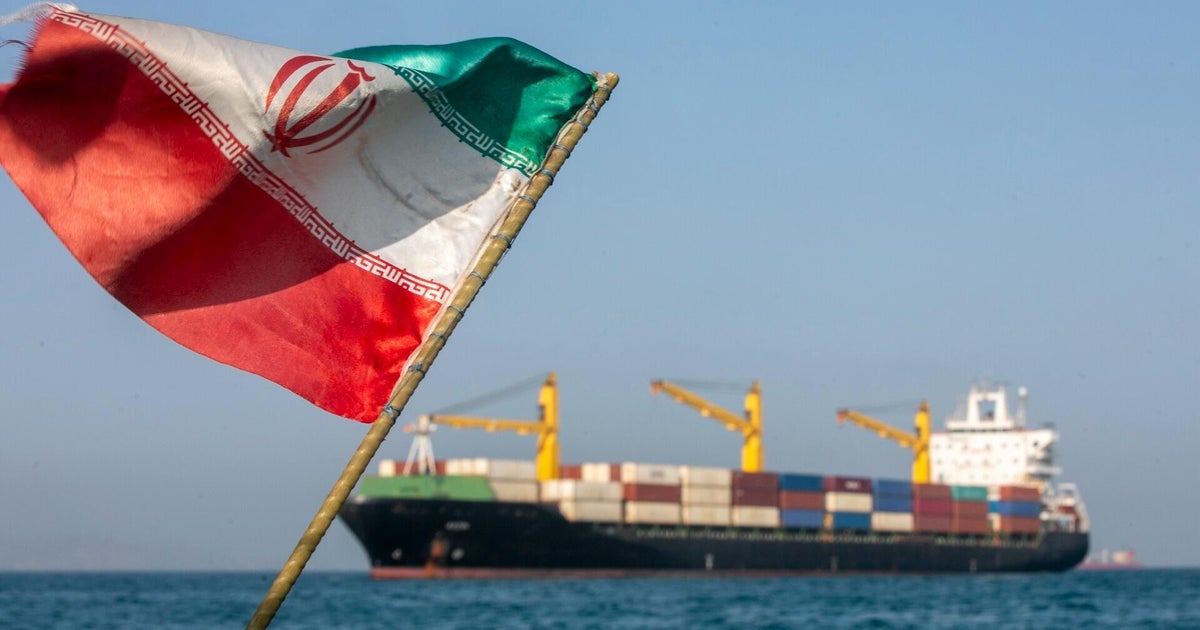
Vice President JD Vance, who led the American delegation, said the negotiations had set a "good foundation" for a comprehensive deal. A break in the shipping bottleneck through the Strait of Hormuz — the narrow channel through which roughly a fifth of the world's oil passes — appeared to be in the works, with both sides describing progress on keeping the waterway open to commercial traffic. The sanctions relief is structured as temporary and reversible, a lever the administration can pull back if Tehran fails to follow through.
But the diplomacy hit an immediate snag over inspections. Vance said U.N. nuclear inspectors were heading back to Iran, framing renewed access for the International Atomic Energy Agency as a core American demand. A spokesman for Iran's foreign ministry quickly rebutted the claim, saying there was no visit scheduled for IAEA inspectors to access the country's nuclear sites. The contradiction underscored how far apart the two governments remain on verification even as they ease the flow of oil and money.
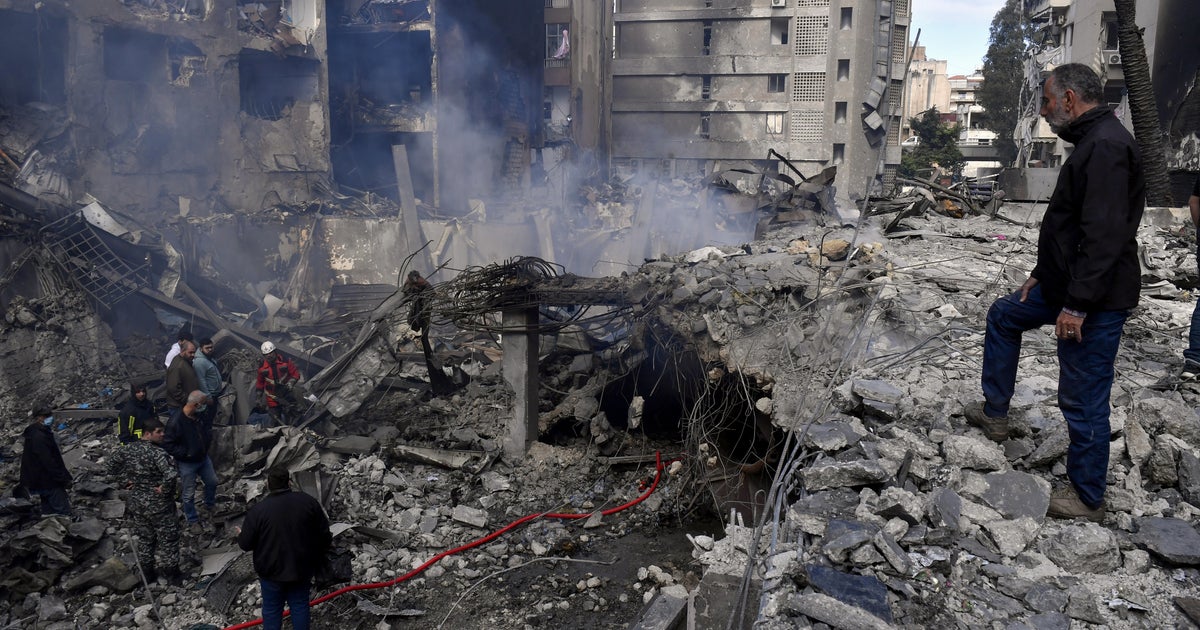
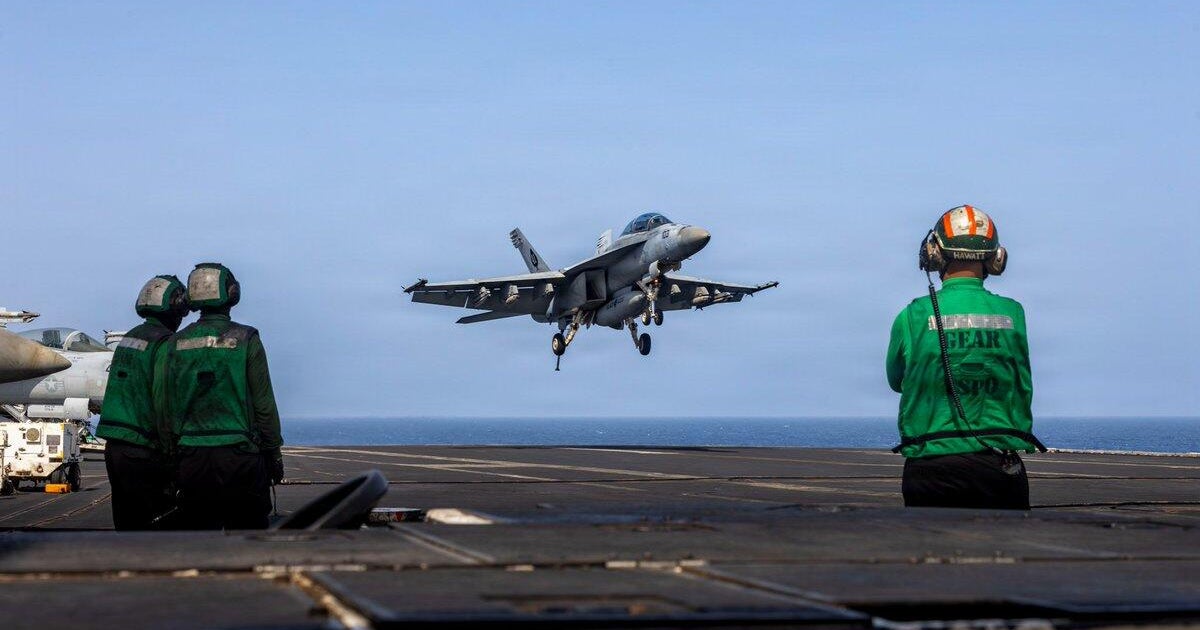
The talks unfold against the backdrop of the Versailles Accord, the agreement that ended the brief but destructive war and reopened the Strait of Hormuz to shipping. President Trump has continued to apply pressure, threatening fresh strikes if Iran reneges on its commitments — a reminder that the lifting of sanctions is conditioned on Tehran's behavior rather than a permanent normalization of relations.
Regional diplomacy is moving in parallel. A U.S. State Department official said talks between Lebanon and Israel would continue to advance efforts toward a comprehensive peace and a security agreement between the two countries, part of a broader American push to lock in stability across the region while leverage is high. Energy traders, meanwhile, watched the sanctions announcement closely, weighing the prospect of additional Iranian barrels returning to a market still rattled by the spring's fighting.
For now, the arrangement leaves a striking gap between the financial thaw and the security guarantees Washington says it needs. Iranian oil can flow and dollars can change hands, but the inspectors who would verify the state of Tehran's nuclear work are, by Iran's own account, not yet on their way. How quickly that gap closes — or widens — will determine whether this week's breakthrough holds.