Senate Rejects Bid to Curb Trump's Iran War Powers in Late-Night Reversal
A procedural motion to advance Sen. Tim Kaine's resolution failed 50-47 on Wednesday, a victory for President Trump just one day after the chamber had narrowly rebuked him.

The Senate late Wednesday rejected a measure aimed at restricting President Donald Trump's power to wage war against Iran, handing the president and Senate Republican leadership a victory just one day after the chamber had narrowly rebuked him over the same conflict.
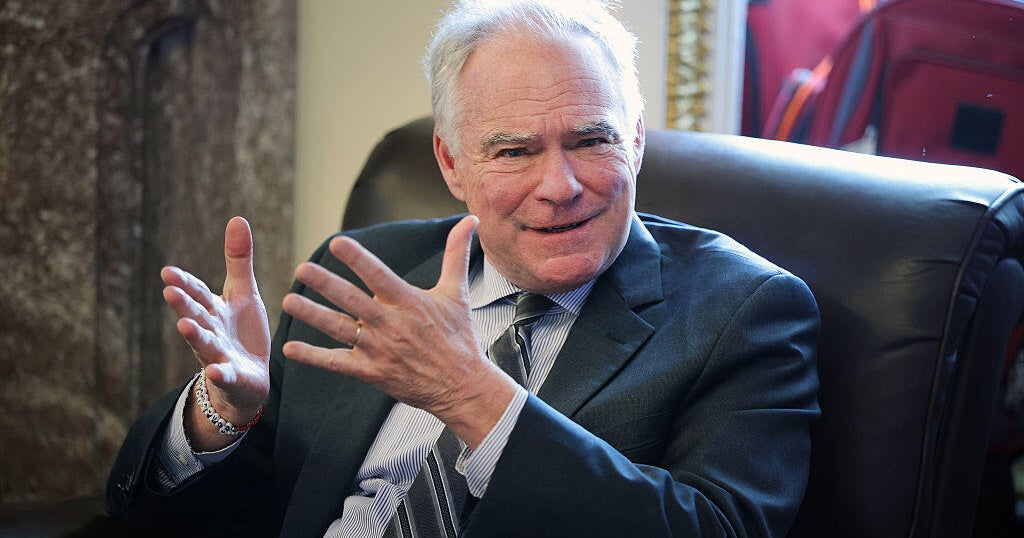
The procedural motion to advance a resolution sponsored by Sen. Tim Kaine, the Virginia Democrat, failed on a 50-to-47 vote. Only two Republicans — Sens. Susan Collins of Maine and Lisa Murkowski of Alaska — crossed the aisle to side with most Democrats. The reversal was striking because, a day earlier, four Republicans had joined Democrats to push a House-passed war powers resolution through the chamber by the narrowest of margins.
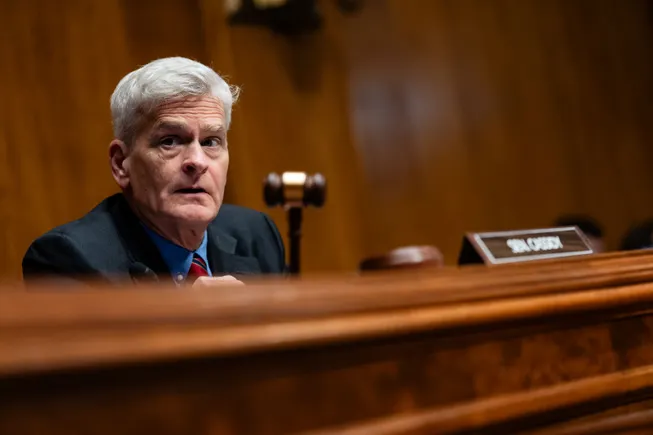
The shift came after a flurry of West Wing pressure. Sen. Bill Cassidy of Louisiana, who had voted for the earlier resolution, said a White House briefing "addressed many of my concerns." Sen. Rand Paul of Kentucky, long a war powers hawk, said he changed course to "give the President more space and leverage to negotiate" an end to the conflict. The about-faces followed briefings from Vice President JD Vance and special envoy Steve Witkoff, as well as a tense Senate lunch at which the president and lawmakers clashed openly.
Kaine's resolution would have directed Trump to withdraw U.S. armed forces from hostilities with Iran unless Congress explicitly authorized continued operations. Supporters framed it as a constitutional question about who holds the power to commit American troops to war. "Congress has not declared war, and the Constitution is clear about who decides," Kaine argued ahead of the vote. The measure drew an unusual coalition — Democratic Sen. John Fetterman of Pennsylvania broke with his party to oppose it.
The votes are largely symbolic; even had the resolution cleared the Senate, it faced a near-certain presidential veto and no path to the two-thirds majority needed to override one. But the back-to-back tallies laid bare growing unease among Republican lawmakers over an open-ended military campaign that has rattled energy markets and polls poorly with American voters.
Trump celebrated the outcome on social media, writing that the failed measure "puts Iran on notice" and thanking allies who held the line. The clash unfolded against the backdrop of a fragile six-day negotiating window between Washington and Tehran, mediated in part by Qatar and Pakistan, that both sides say could permanently halt the fighting if it holds.
The standoff is far from settled. Lawmakers in both chambers signaled they would keep pressing the administration for a fuller accounting of the war's objectives and costs, and the back-to-back votes exposed fault lines within the Republican conference that leadership worked hard to paper over. With the conflict weighing on energy prices and consumer confidence, and a midterm campaign already taking shape, the political stakes of the next escalation — or de-escalation — are only likely to grow.