Trump Winds Down Iran War With Goals Unmet as Nuclear Program Remains Unresolved
President claims victory in securing Strait of Hormuz reopening, but Iran's nuclear ambitions still subject to future negotiations under framework deal.

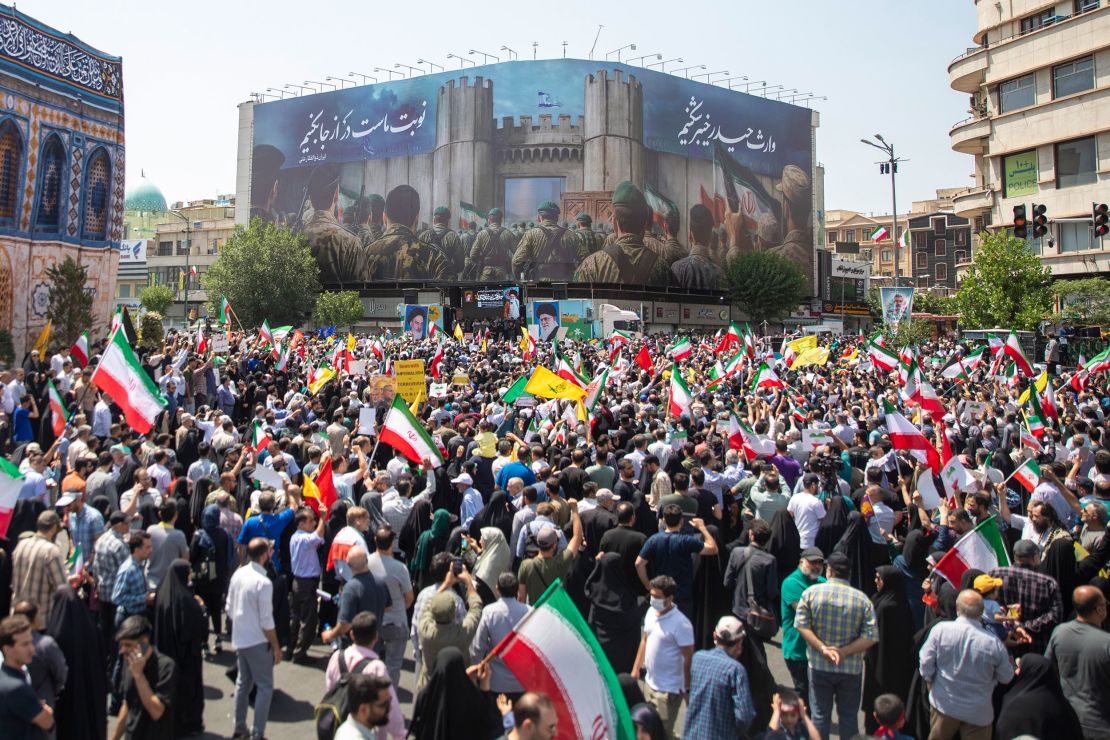
President Donald Trump announced Monday that the United States has reached a framework agreement with Iran to end months of military conflict, though key objectives remain unfulfilled as the war winds down. The agreement is expected to reopen the strategically vital Strait of Hormuz, providing economic relief to global energy markets, but leaves Iran's nuclear program as a subject for future negotiations rather than immediate resolution. The development marks a significant shift in what had escalated into a major regional confrontation that disrupted global oil supplies and strained international alliances.
The framework deal comes after Trump's 80th birthday celebration at the White House, where the president hosted Ultimate Fighting Championship events on the South Lawn in an unprecedented display. Speaking to The New York Times in a phone call, Trump praised the leaders of Russia and China while describing Israeli Prime Minister Benjamin Netanyahu as "a very difficult guy," suggesting ongoing tensions with key allies over the conflict's conduct and resolution.
Trump claimed the agreement would make the Strait of Hormuz "permanently toll-free," a significant concession that could restore normal shipping traffic through the waterway that handles roughly 20% of global oil transit. However, the deal appears to defer the most challenging aspects of the U.S.-Iran relationship to later negotiations, including Tehran's nuclear ambitions and regional military activities that initially triggered the conflict.
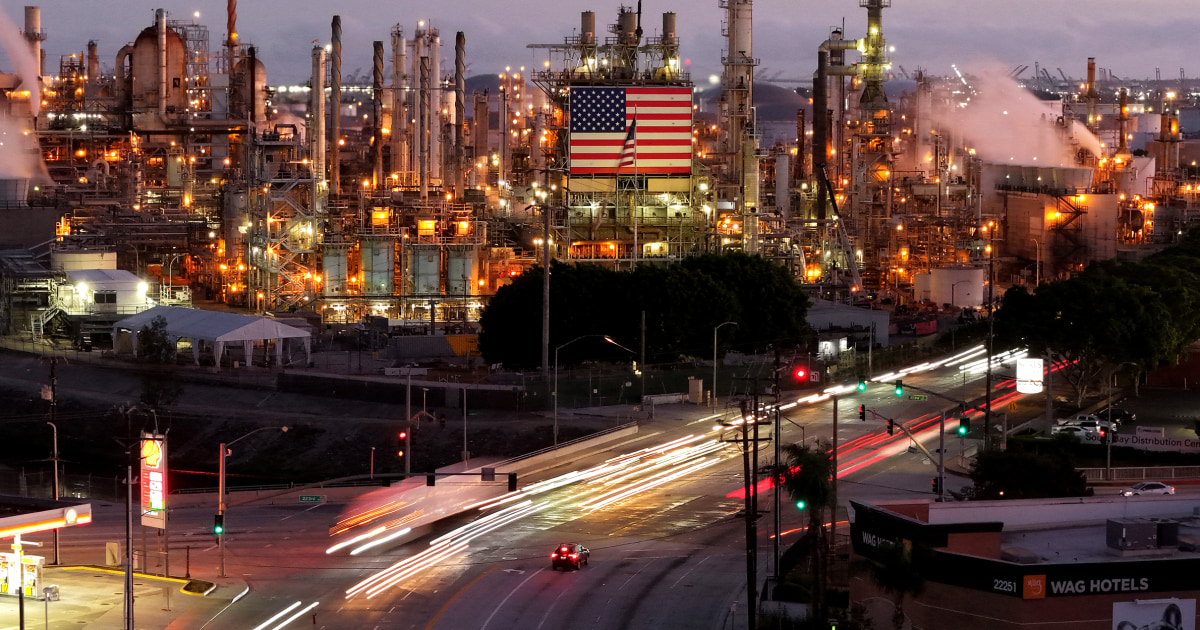
The energy markets responded cautiously to news of the framework, with oil prices falling but analysts questioning whether significant price drops would materialize given uncertainties about the deal's durability. The pace of economic recovery will largely depend on how confident companies become that the agreement will hold and potentially be extended through more comprehensive negotiations.
While Trump characterized the framework as a victory that would provide economic relief to American consumers facing gas prices approaching $5 per gallon, critics noted that many of the administration's original objectives in the conflict remain unaddressed. The agreement represents a pragmatic end to a war that had strained U.S. relationships with European allies and raised questions about American strategy in the Middle East, even as it leaves fundamental issues unresolved.