Confusion in Strait of Hormuz Leaves Shipping Companies in Limbo Despite US Promises
American vow to help tankers navigate perilous waters fails to convince firms to attempt passage through Persian Gulf blockade.

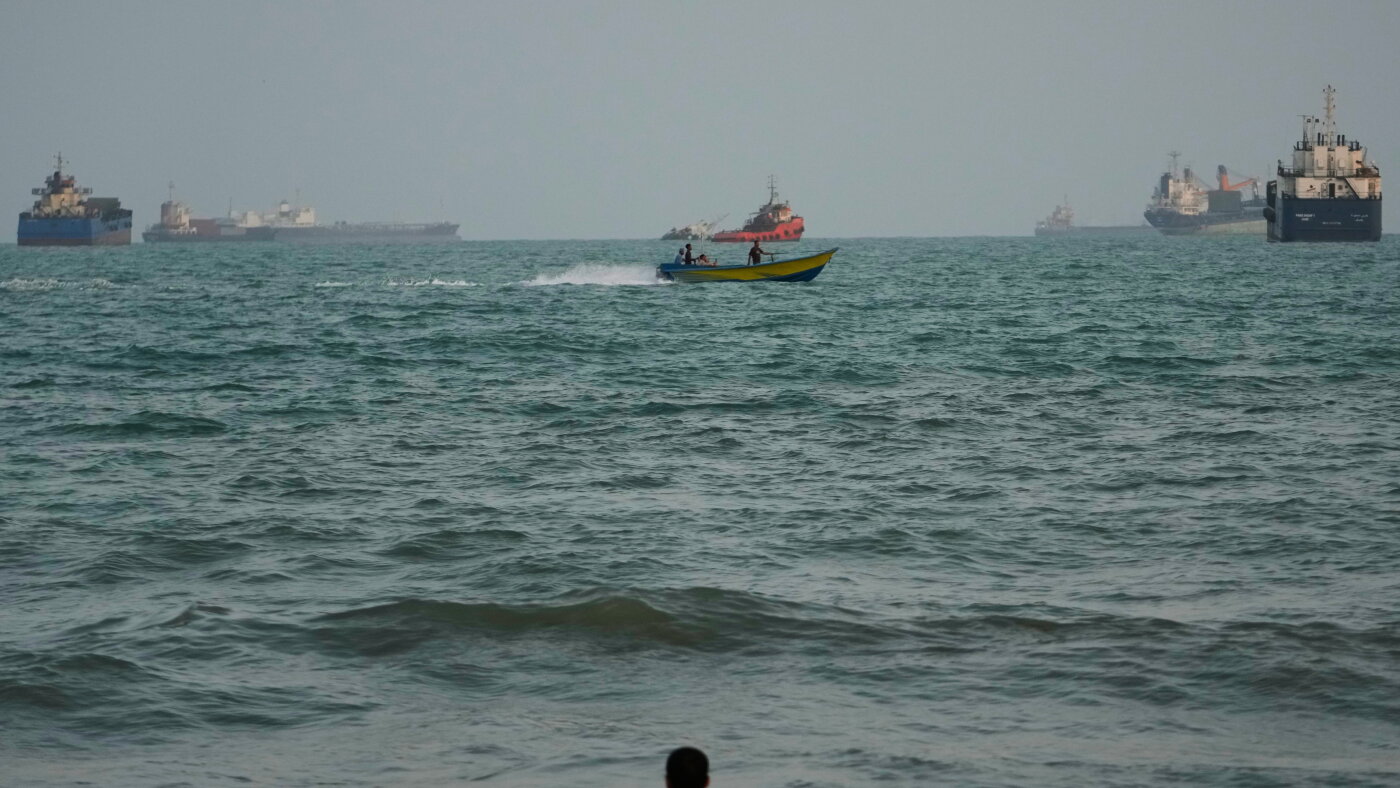
Shipping companies remain hesitant to send vessels through the Strait of Hormuz despite U.S. government assurances of safe passage, leaving dozens of oil tankers stranded in the Persian Gulf as uncertainty continues to grip the critical waterway. The Biden administration's promise to help navigate the perilous conditions has done little to convince commercial operators to risk the dangerous transit through the narrow channel.
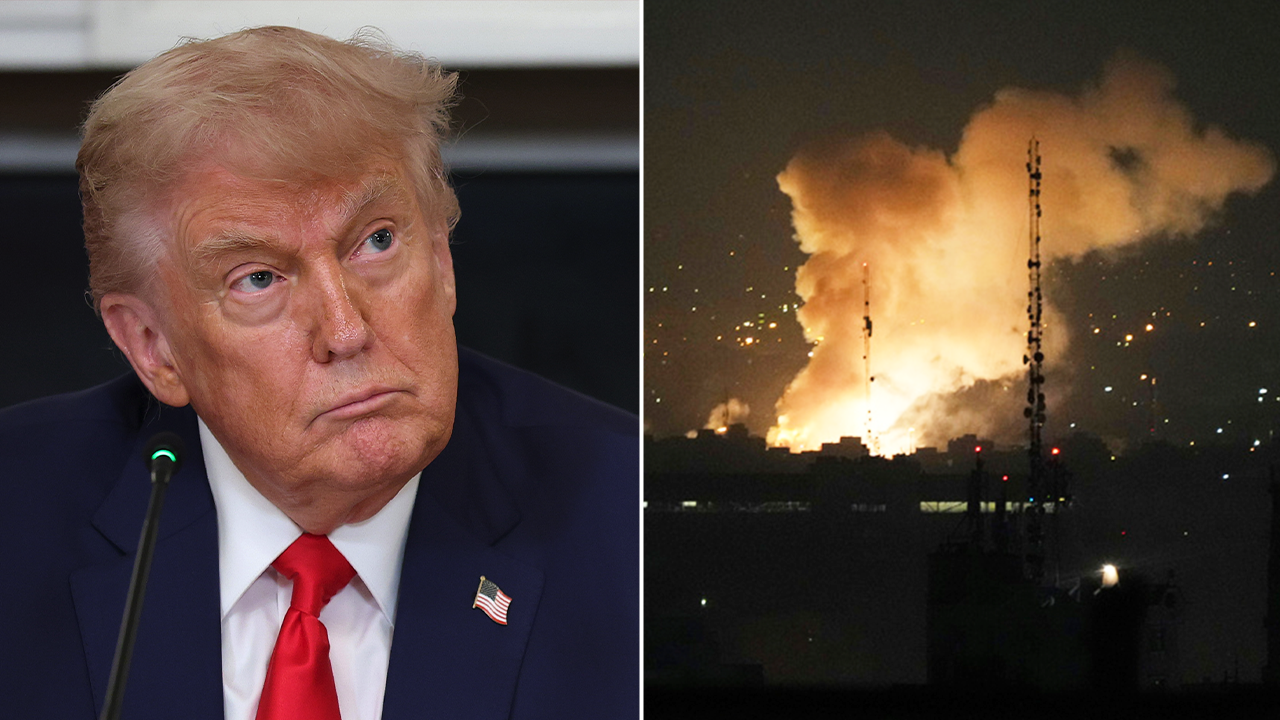
The confusion stems from ongoing military tensions in the region, where Iranian forces have effectively created a blockade that has disrupted global oil shipments for weeks. While U.S. officials have pledged military escort services for commercial vessels, shipping executives say the details remain unclear and the risks too high. Many companies are waiting for more concrete security guarantees before attempting to move their valuable cargo through the contested waters.
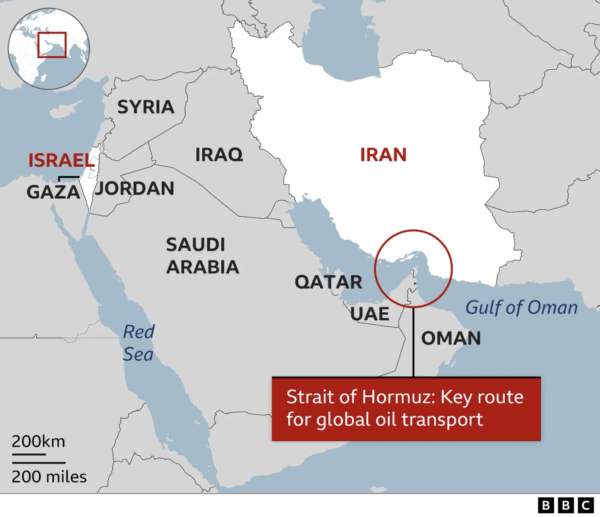
The Strait of Hormuz serves as a crucial chokepoint for global energy markets, with roughly one-fifth of the world's petroleum liquids passing through the narrow waterway. The current standoff has already caused significant disruptions to oil supplies and has contributed to volatile energy prices worldwide. Industry analysts estimate that dozens of tankers carrying millions of barrels of crude oil remain stuck on either side of the strait.
Shipping industry sources report that insurance costs for vessels attempting the transit have skyrocketed, with some insurers refusing to provide coverage altogether. The Lloyd's of London insurance market has classified the strait as a war risk zone, requiring specialized coverage that can cost millions of dollars per voyage. These additional expenses, combined with the physical dangers, have made many shipping companies reluctant to attempt passage even with U.S. military protection.
The economic implications of the shipping delays are beginning to ripple through global markets, affecting everything from gasoline prices to manufacturing costs. Energy experts warn that prolonged disruptions could force a significant reorganization of global oil trade routes, potentially requiring longer and more expensive shipping paths around Africa. The situation has prompted emergency meetings among major oil-consuming nations about releasing strategic petroleum reserves to offset potential supply shortages.