U.S. Strikes Iran's Qeshm Island on Election Eve as Trump Weighs Restarting the War
Officials call the Strait of Hormuz strikes 'limited and defensive' after Revolutionary Guard fire at a U.S. aircraft, while Trump says a deal 'could happen.'
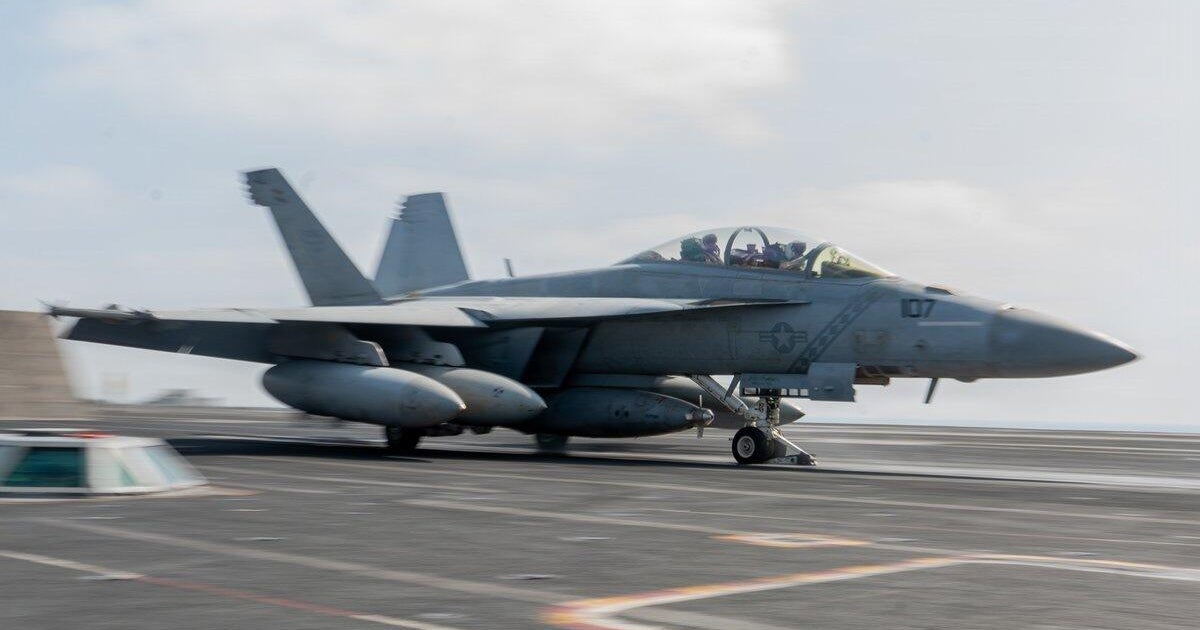
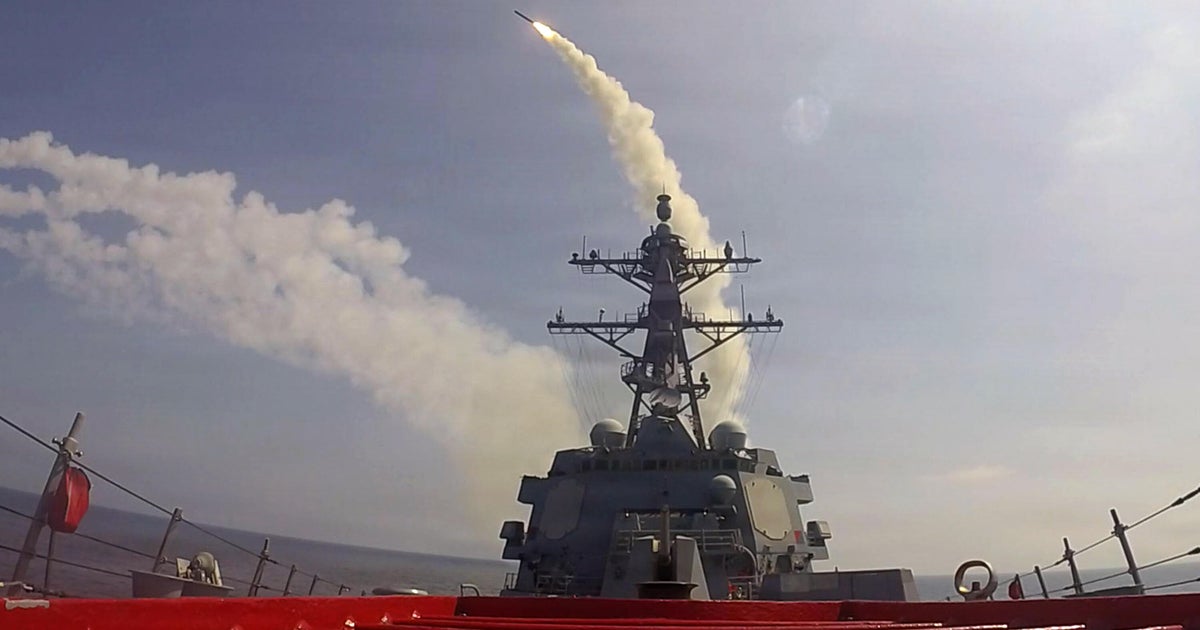
The U.S. military launched limited, defensive strikes on Iranian targets in the Strait of Hormuz on Monday, the eve of Election Day, three U.S. officials told CBS News. A senior U.S. official said the strikes hit Iran's Qeshm Island after the Islamic Revolutionary Guard Corps fired at an American aircraft. The Wall Street Journal first reported the strikes.
Qeshm sits in the northern part of the strait and is central to Tehran's effort to monitor and exert control over commercial traffic moving through one of the world's most important shipping lanes. The strikes came as President Trump floats restarting full hostilities with Iran after the midterms, and as U.S. and Qatari mediators try to broker a deal to end the war.
Iran's Deputy Foreign Minister Kazem Gharibabadi said Tuesday that Tehran retains "the right to legitimate self-defense" after the new strikes, and would exercise it "until the military aggression has been completely and permanently brought to an end." Iran has answered attacks on its territory throughout the war by targeting commercial shipping in the strait and U.S. allies and interests across the Persian Gulf region.
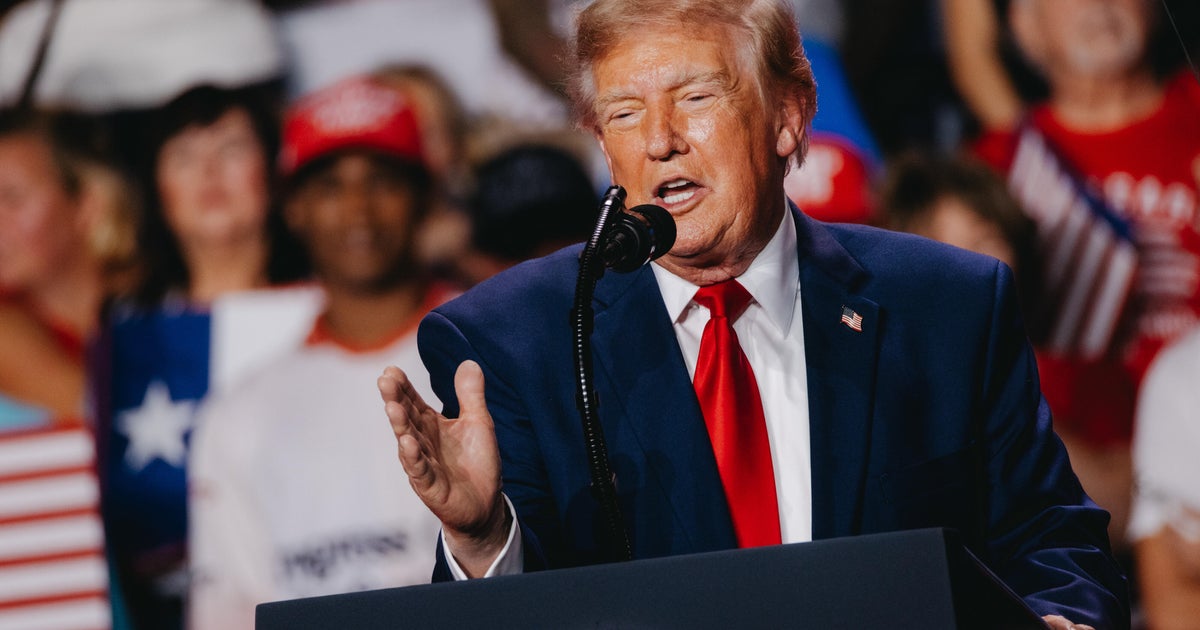
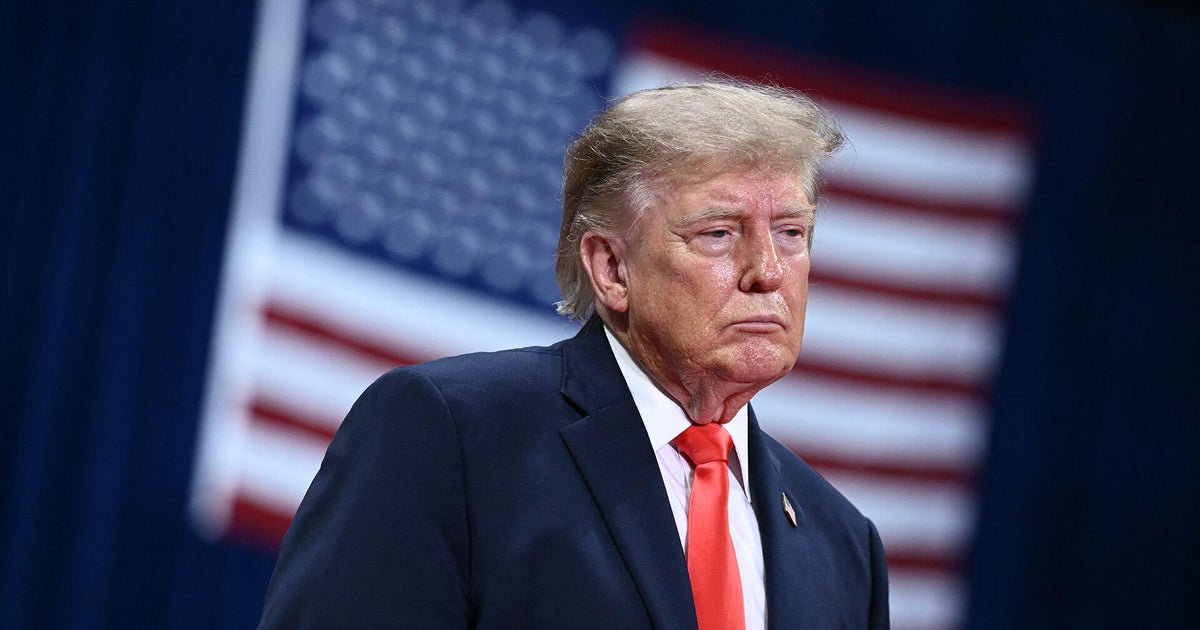
The war began with joint U.S.-Israeli strikes on Feb. 28 and is now in its ninth month. Mr. Trump's public message has swung back and forth. In a Truth Social post earlier Monday, he said a deal "could happen" and that "Iran wants a settlement, as soon as possible." Later that night, on Sean Hannity's program on Fox News, he said "we still have to take care of" several sites in Iran, including Pickaxe Mountain, which houses a suspected nuclear site. He called that "not a big deal" and said it could be done in "an hour."
Israeli Prime Minister Benjamin Netanyahu pushed for further sustained strikes on Iran during a weekend call with Mr. Trump, according to The Associated Press. Mr. Trump confirmed the call, saying he had a "very good talk with" the Israeli leader, but did not say what they discussed.
The war has loomed over elections on both sides of the Atlantic. In the United States, rising costs tied to threats to shipping in the Strait of Hormuz have driven down support for Mr. Trump and the Republican Party. In Israel, Netanyahu's right-wing bloc lost its parliamentary majority in the first national elections since Oct. 7, 2023.
The financial toll keeps growing. As of mid-October, the Iran war had cost U.S. taxpayers at least $47.1 billion in military spending alone, according to a new estimate from U.S. Central Command obtained by CBS News. CENTCOM said replacing spent munitions accounts for about $29 billion of that. Another $6.1 billion is needed to replace lost equipment, and roughly $11.9 billion has gone to incremental costs, including support for American service members. The estimate was provided to lawmakers and does not include the cost of damage to U.S. military bases in the Middle East, many of which Iranian drones and missiles have targeted.
For voters heading to the polls Tuesday, the strikes are a reminder that the conflict is unresolved. A senior U.S. official described the action as defensive, a response to fire on an American aircraft rather than the start of a new offensive. But with Mr. Trump openly discussing further attacks after the election and Iran vowing to keep defending itself, the gap between a deal and a return to major combat remains narrow.