Trump Vows No Strikes on Iran Before Nov. 3 Midterms, Keeps Naval Blockade in Force
The president's Truth Social pledge on Thursday came a day after The Atlantic reported the White House had asked the Pentagon for pre-election strike options, as tanker attacks and Houthi missiles keep pressure on the Gulf.
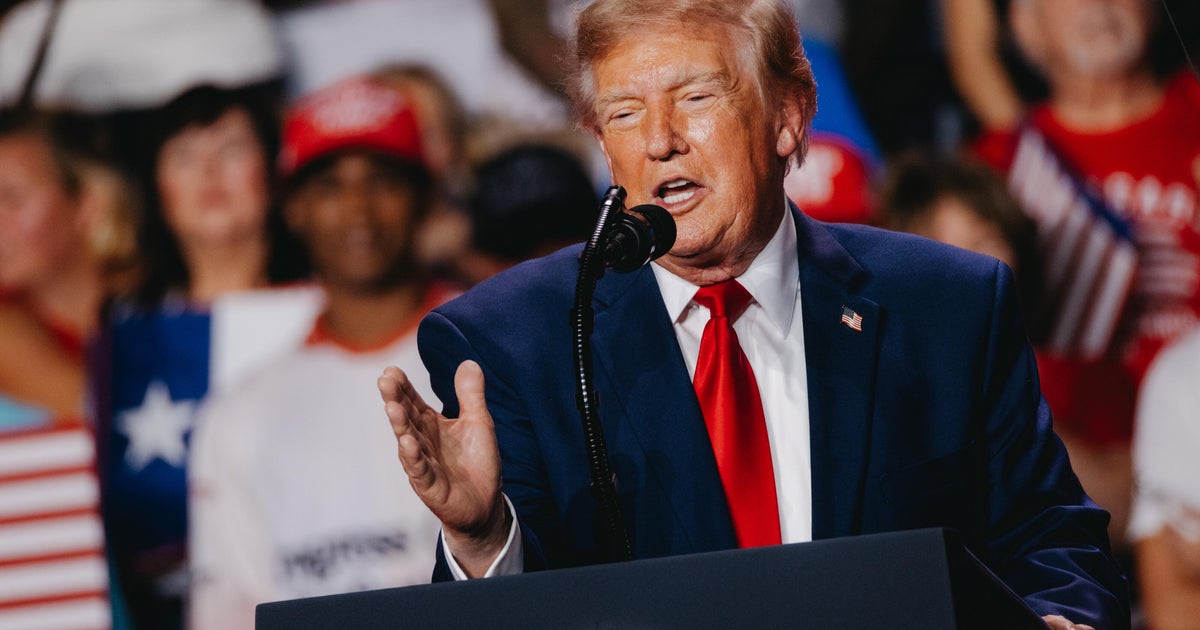
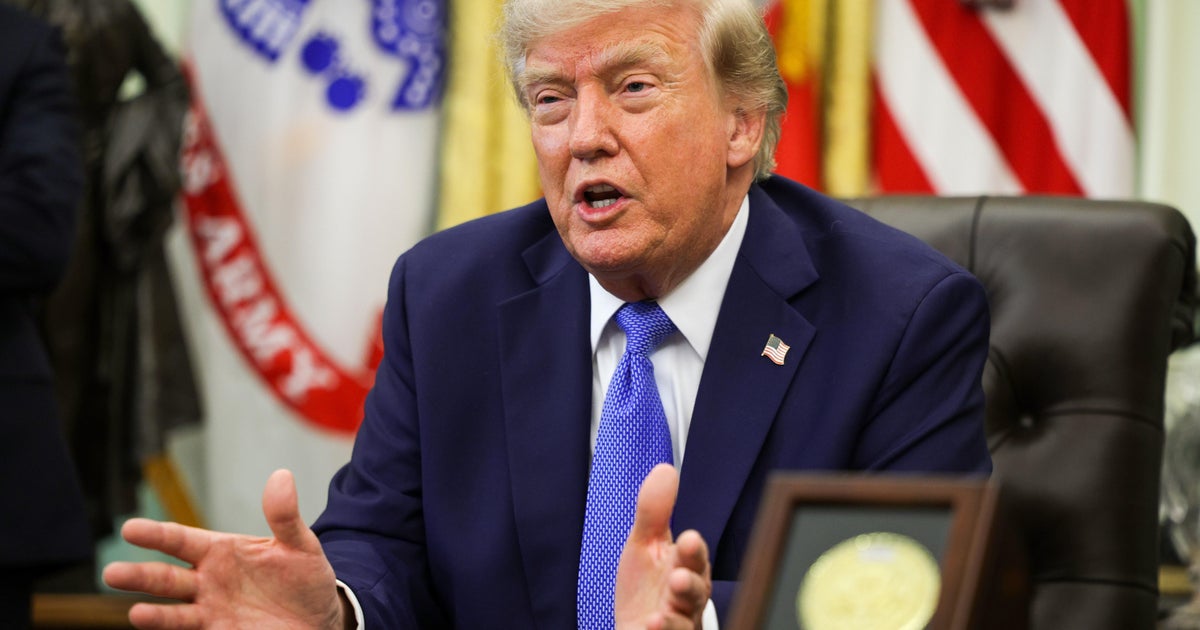
President Trump said Thursday that the United States will not attack Iran before the midterm elections, while insisting the naval blockade of the country stays in place. In a post on Truth Social, Trump wrote that the U.S. would not strike "at any time prior to the Midterm Elections to be held in the United States on November 3rd." He said the blockade "will remain in full force and effect" and pointed to what he called "productive conversations" with Iran, without offering specifics.
The pledge reverses the tone of recent days. Last week Trump told TIME he might order new strikes after the midterms, and he has told reporters the U.S. would win the war "right after the election," adding "maybe before the election." On Wednesday, The Atlantic reported that the White House had asked the Pentagon for options for strikes before November 3, with a wider operation possible after the vote. A Republican source quoted by the magazine said strikes could make the president "look like he got a win." A White House official responded that the commander-in-chief "has all options available at any time" and that the U.S. holds the Strait of Hormuz.
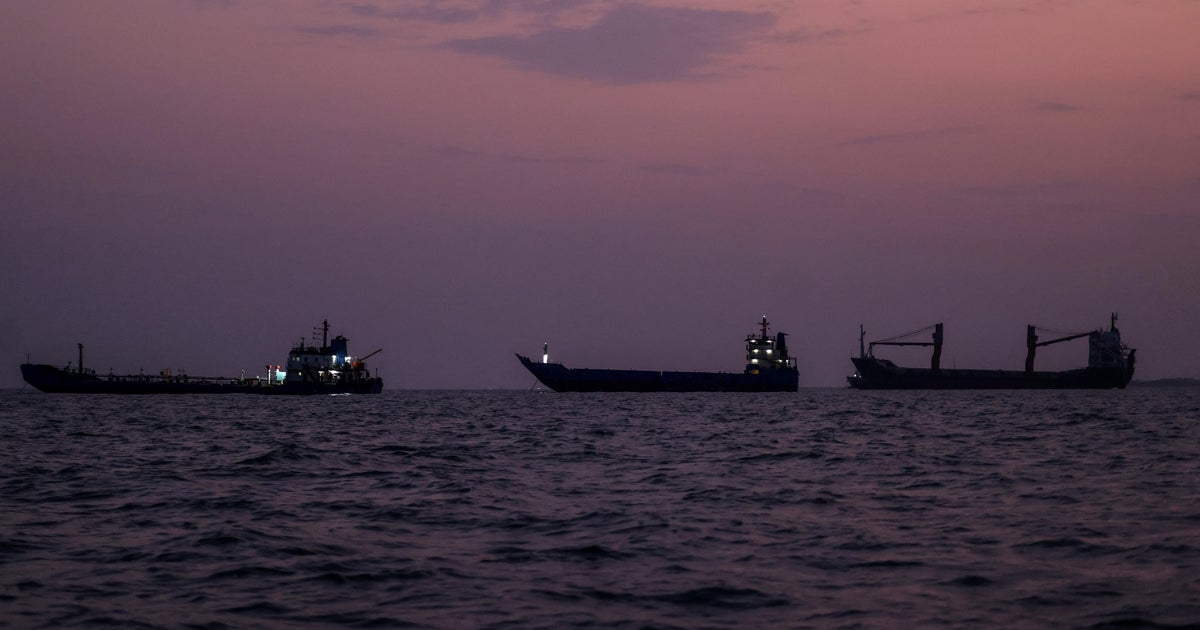
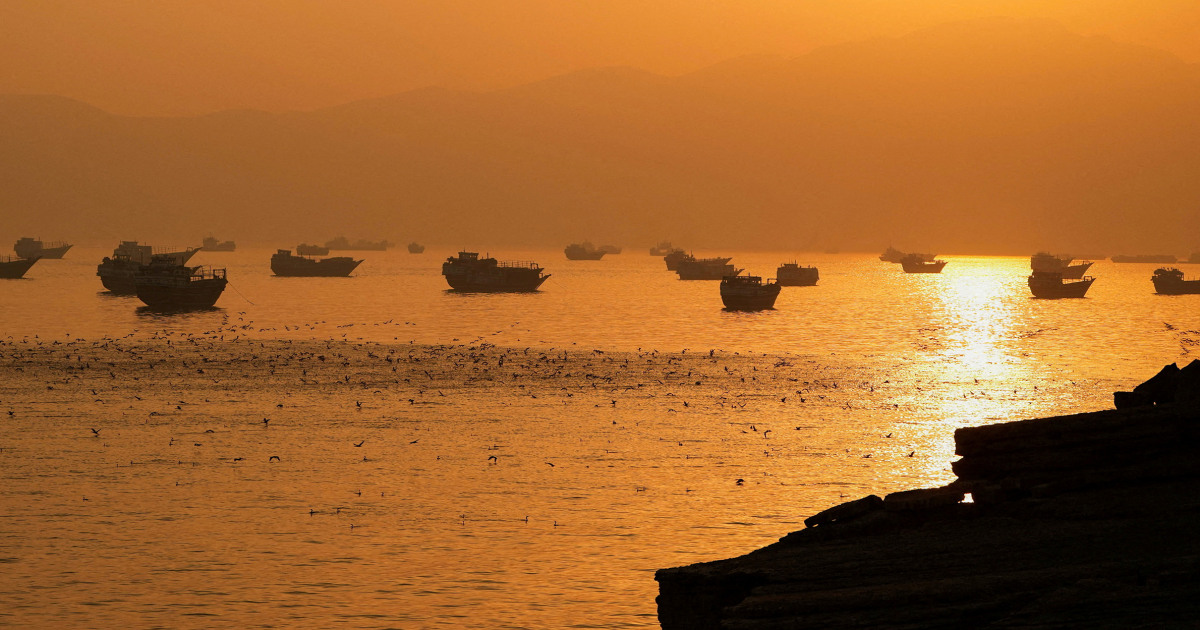
Who controls that waterway remains the sharpest dispute. Trump said 22 million barrels of oil moved through the strait "last night alone." Secretary of State Marco Rubio said Wednesday that the strait is open and that Iran has "lost complete control." Iran's Revolutionary Guards say it remains closed and that they will soon block what they call "illegal routes." A UK maritime monitor reported that a tanker was struck in the strait on Tuesday. Brent crude rose about 4% to $105 a barrel before Trump's post and slipped back to $103 afterward, while stocks fell on inflation fears.
Diplomacy is moving in fits. Vice President JD Vance told Reuters on Tuesday that Iran should do "something meaningful" on its enrichment capacity, and an Iranian official said the American demands are "at odds with Iran's demands." Iranian Foreign Minister Abbas Araghchi said Thursday that Tehran would answer the U.S. position on its "seven-day plan" within a few days. Iranian President Masoud Pezeshkian had called the negotiations "meaningless" earlier in the week. Russian President Vladimir Putin told Pezeshkian on Thursday that Russia would "do everything" to help end the war.
The fighting has spread beyond the Gulf's shipping lanes. The Houthis claimed a ballistic missile strike on King Khalid airport in Riyadh on Thursday, their third claimed attack on it this week. Saudi forces said they intercepted two missiles, and debris damaged a kindergarten in the Saudi capital. The U.S. Embassy issued a new alert and now requires special authorization for American officials to use the airport. Saudi authorities said three people were killed Wednesday in Houthi attacks on airports in Abha and Riyadh.
The U.S. also sanctioned 17 vessels in Iran's "shadow fleet" on Thursday. A Congressional Research Service report released Wednesday said at least 81 U.S. aircraft and drones have been lost or damaged in the war. Trump has said since March that the conflict would end "very soon." The USS Abraham Lincoln, meanwhile, returned to San Diego on Thursday after 321 days deployed.
With the midterms four weeks away, the pledge removes the immediate prospect of a pre-election assault, but it leaves the blockade, the sanctions and the open question of what Trump does after November 3.