Iran Says It Will Draw an Exclusion Zone Outside Hormuz
Traffic Through the Strait Is Down to Ten Ships a Day.
Mohsen Rezaei said the zone will start at the line of the U.S. naval blockade and run toward the strait. Brent crude traded near $97 and the Labor Day gasoline average hit a record $4.14 a gallon.
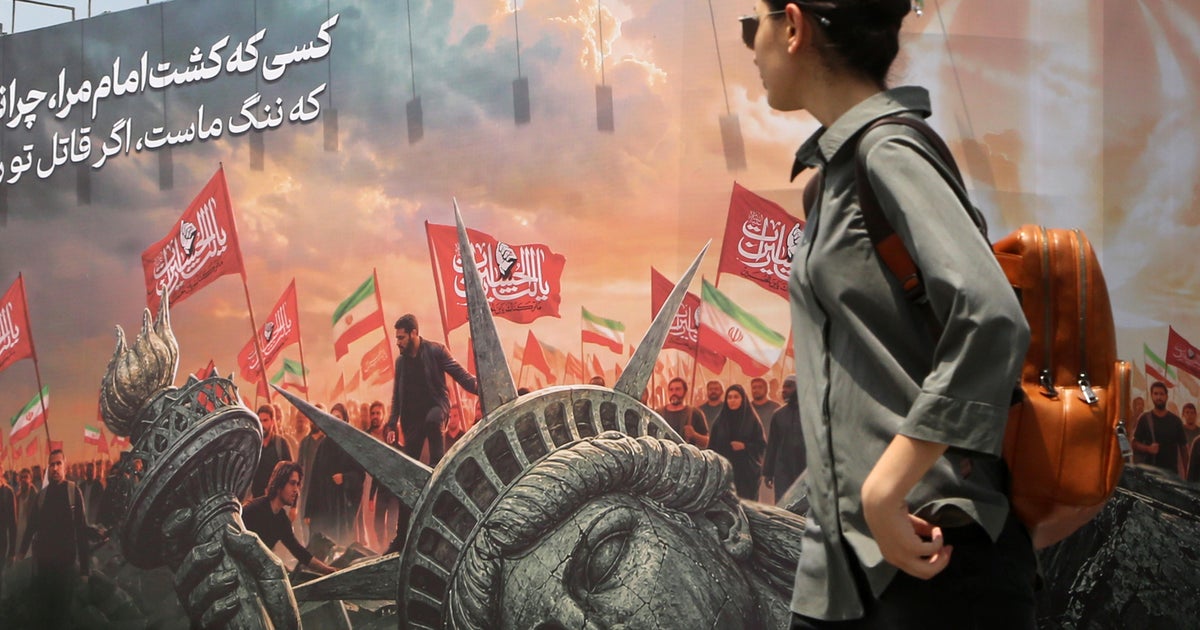
Iran said Monday it intends to declare a maritime "exclusion zone" outside the Strait of Hormuz, a step that would extend Tehran's claim over the world's most important oil chokepoint at a moment when almost nothing is moving through it. Mohsen Rezaei, the head of Iran's Supreme National Security Council, said the zone "will begin from the line of the U.S. naval blockade, extend toward the Strait of Hormuz," and that vessels attempting to transit without Iranian permission would be stopped. Iranian officials said maps of the zone, along with the outline of a new shipping corridor, would be released in the coming days.
Energy markets moved on the announcement. Brent crude for November delivery traded near $97 a barrel on Monday, up roughly 0.9 percent on the day and within a few dollars of the $100 mark it last touched in the spring. The pain is already at the pump: the national average for regular gasoline sat at $4.14 a gallon over the Labor Day weekend, close to a dollar higher than a year ago and the most expensive Labor Day on record. Diesel, which sets the cost of moving nearly everything else, has been setting records of its own.
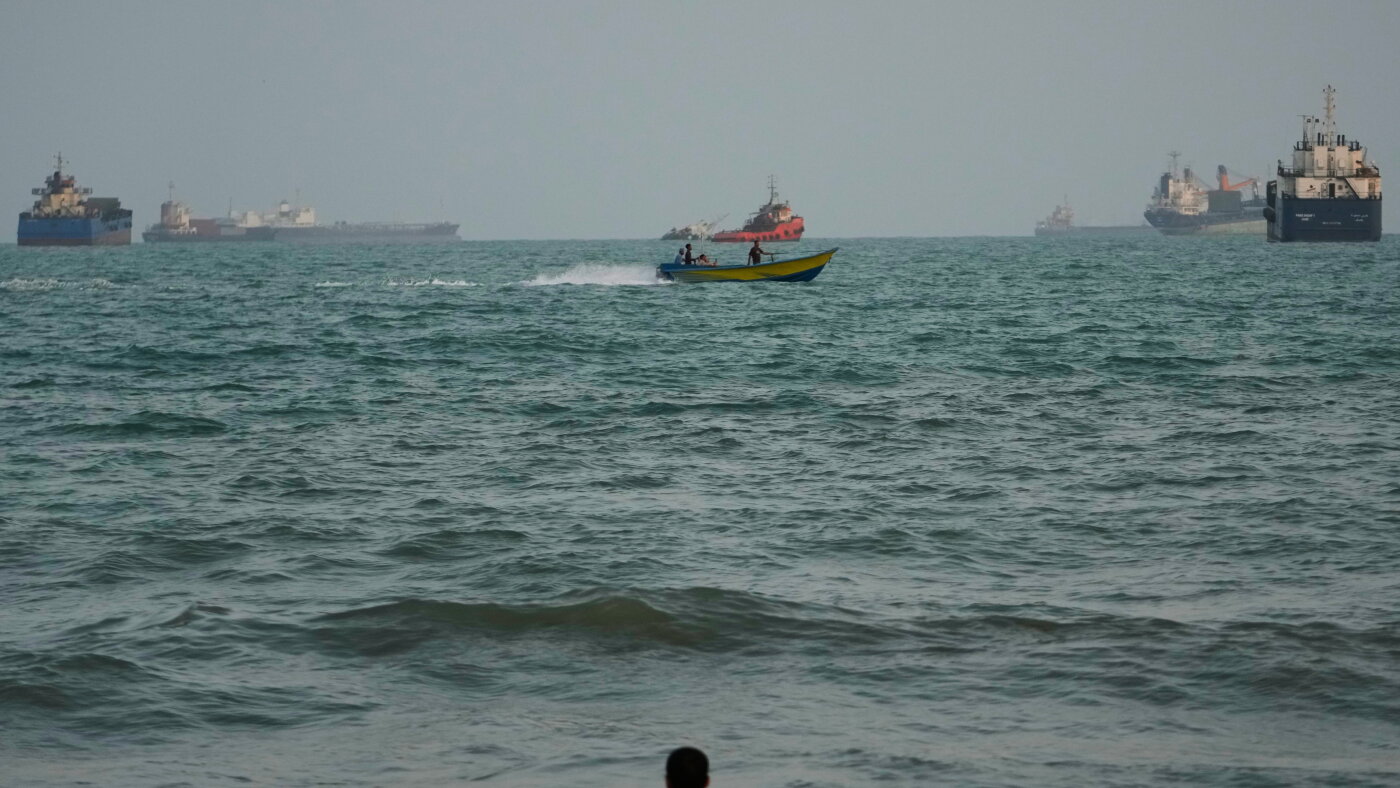
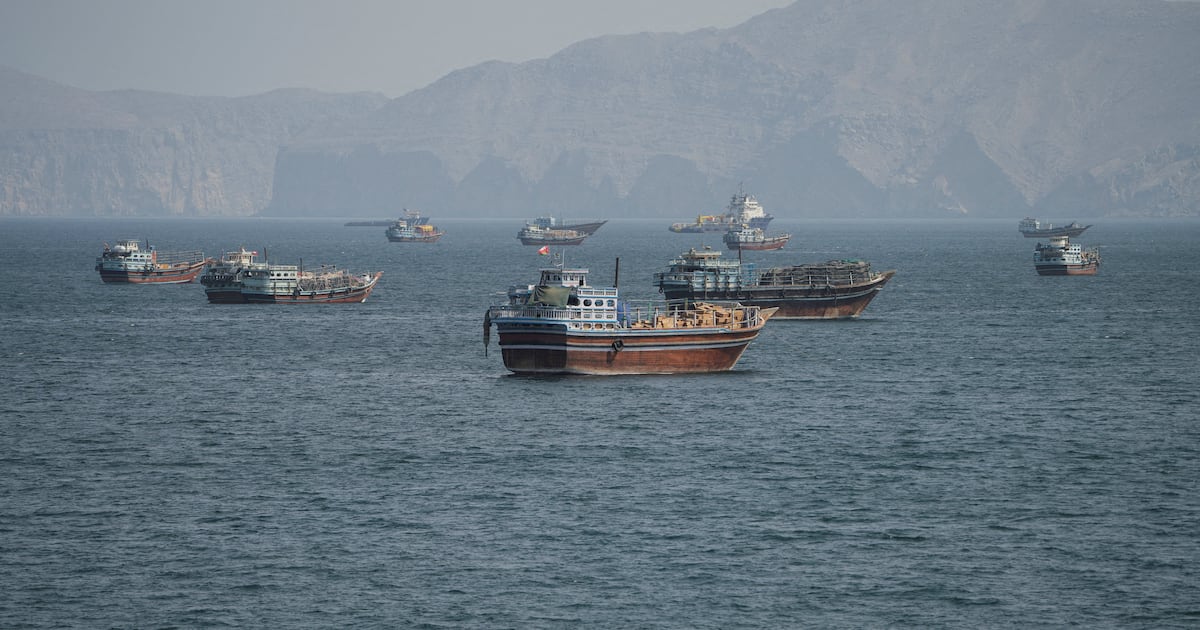
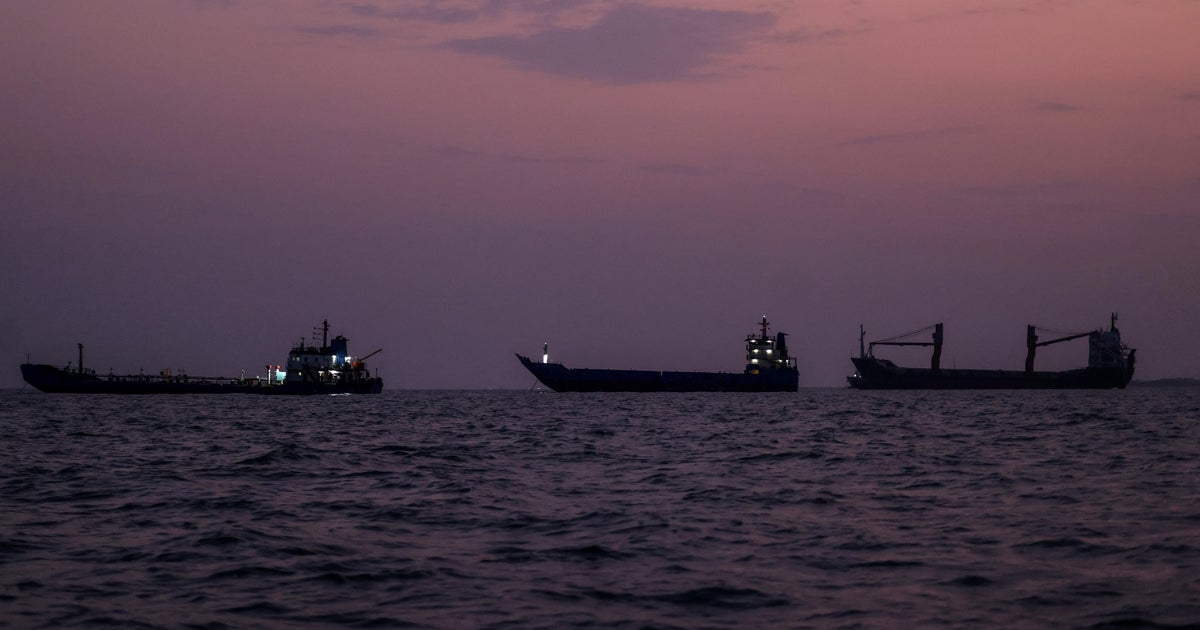
The strait itself has effectively emptied out. Traffic has fallen to about ten ships a day, the thinnest flow since May, as owners and insurers refuse to send crews and hulls through a waterway where tankers are being hit. Roughly a fifth of the world's seaborne oil normally passes through the channel between Iran and Oman, and the shortfall is being felt in refined-product prices far from the Persian Gulf.
The exclusion-zone plan follows a violent stretch of the war. On Saturday, U.S. forces struck three Iranian oil tankers, and Adm. Brad Cooper, the head of U.S. Central Command, framed the strikes as deliberate economic punishment. "If you shoot at two of our ships, we will impose an even higher economic cost," Cooper said. Mohammad Bagher Ghalibaf, the speaker of Iran's parliament, answered with a warning of his own, telling lawmakers that "the era of proportionate responses has come to an end."
The U.S. military also pushed back Monday on an Iranian claim that its forces had struck an uncrewed American vessel inside the strait, calling the assertion a "total lie." Competing accounts of individual incidents have become a routine feature of the conflict, with each side using them to justify the next round.
What Iran is proposing is not a blockade in the legal sense, and Washington has said repeatedly it will not recognize any Iranian authority to stop shipping in international waters. But the practical effect does not depend on the legal argument. Every additional restriction, real or announced, raises insurance costs, lengthens voyages and keeps tankers idling outside the Gulf — and the price of that is showing up in American fuel prices weeks before the midterm elections.