The Army Put a Laser on the Border. Drone Activity in the Rio Grande Valley Fell 75% in Ten Days
The Multi-Purpose High Energy Laser System has destroyed 11 cartel drones since it debuted on August 25. Each shot costs about $3, and the Army just handed the manufacturer a $465 million production contract.
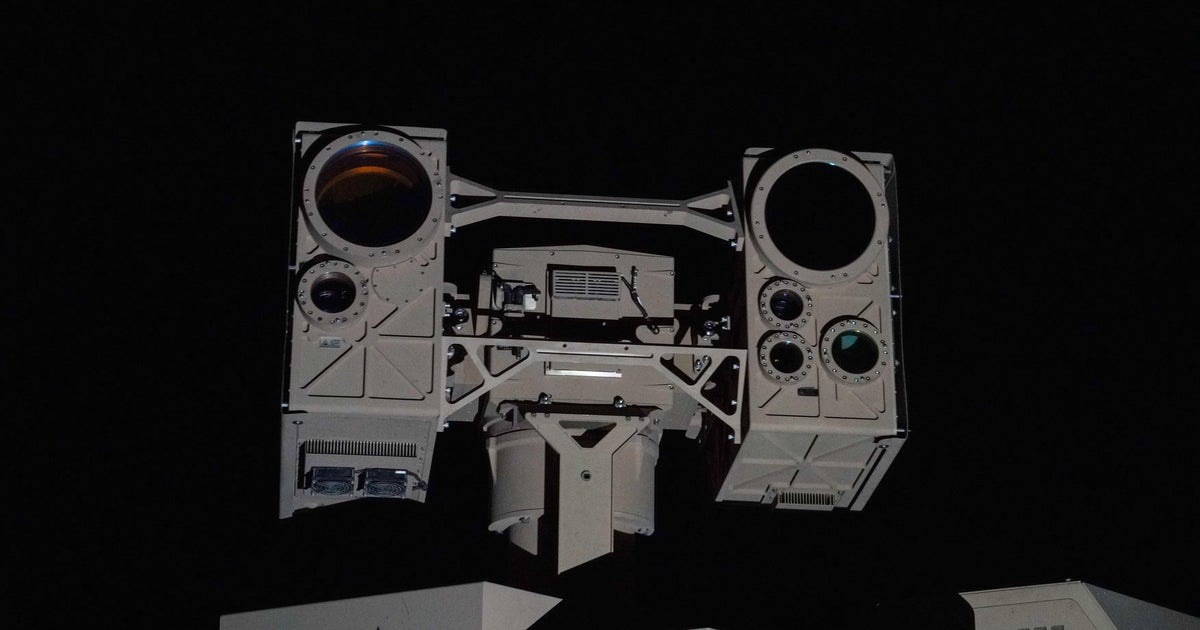
The U.S. Army's Multi-Purpose High Energy Laser System shot down three cartel drones on the nights of August 25 and 26, the first time the weapon had been fired in anger along the southern border. In the ten days that followed, drone activity in the Rio Grande Valley dropped roughly 75%, military officials told CBS News.
The system has now destroyed 11 drones. That is a small number against the scale of the problem — Air Force Gen. Gregory Guillot has previously put drone incursions along the southern border at roughly 1,000 a month, and the military says it has stopped about 300 cartel drones since the start of 2026 by all methods combined. What appears to have changed behavior is not the count but the outcome. Jamming pushes a drone back; the laser ends it.
"When you just send it back and then it comes back up or is defeated temporarily, but the game changer is ensuring that that tool can't be used again against you," said Army Col. Robert Felicio, who commands the 130th Maneuver Enhancement Brigade deployed to the border. Every destroyed aircraft is equipment a smuggling network has to buy again.
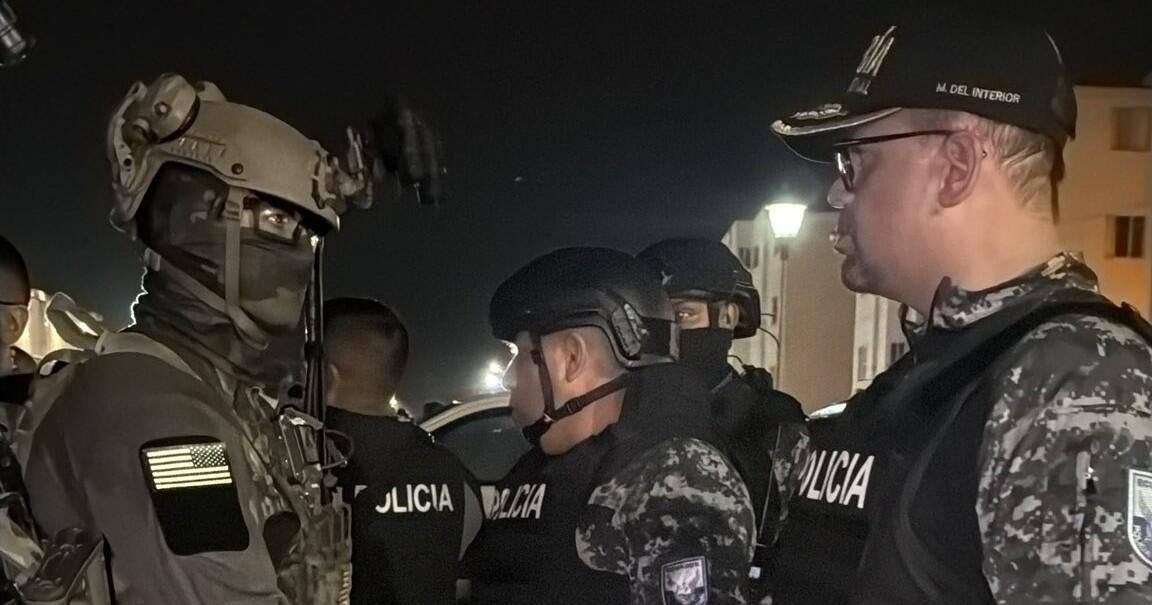
The economics run heavily in the Army's favor once the hardware is bought. A single unit, built by AeroVironment in a configuration known as LOCUST, costs between $17.4 million and $25 million. A single shot costs about $3 in electricity. The Army awarded AeroVironment a $465 million production contract this week, and multiple systems are already deployed along the border. Army Lt. Col. Ray Richards, who leads the 211th Military Police Battalion out of the Massachusetts National Guard, and Army Lt. Owen Farquer, who operates the laser, are among roughly 8,000 U.S. service members now stationed along the frontier.
The weapon has real limits. Rain and other atmospheric conditions scatter the beam and cut its power. Firing a high-energy laser into airspace that civilian aircraft also use requires coordination with the Federal Aviation Administration, and U.S. commanders have set up a channel with Mexican authorities to track threats moving across the line.
Cartels use the drones mostly for surveillance, watching where American troops and law enforcement are positioned before moving people or narcotics. They have also used them as weapons inside Mexico: between 2021 and 2025 there were 221 armed drone incidents in the country, killing 77 people. Officials say knocking the aircraft out of the sky cuts into both the smuggling operation and the cash behind it.
Whether a 75% drop holds is the open question. Ten days is a short window, and the same networks have adapted to every previous countermeasure the United States has fielded on the border.