Powerful 7.0 Earthquake Hits Northern Tibet, Killing at Least 16 and Collapsing Hundreds of Homes
Chinese officials say 46 people were hurt and more than 1,600 rescuers have been sent to a remote, high-altitude area near Nagqu after the strongest quake in the region in five years.
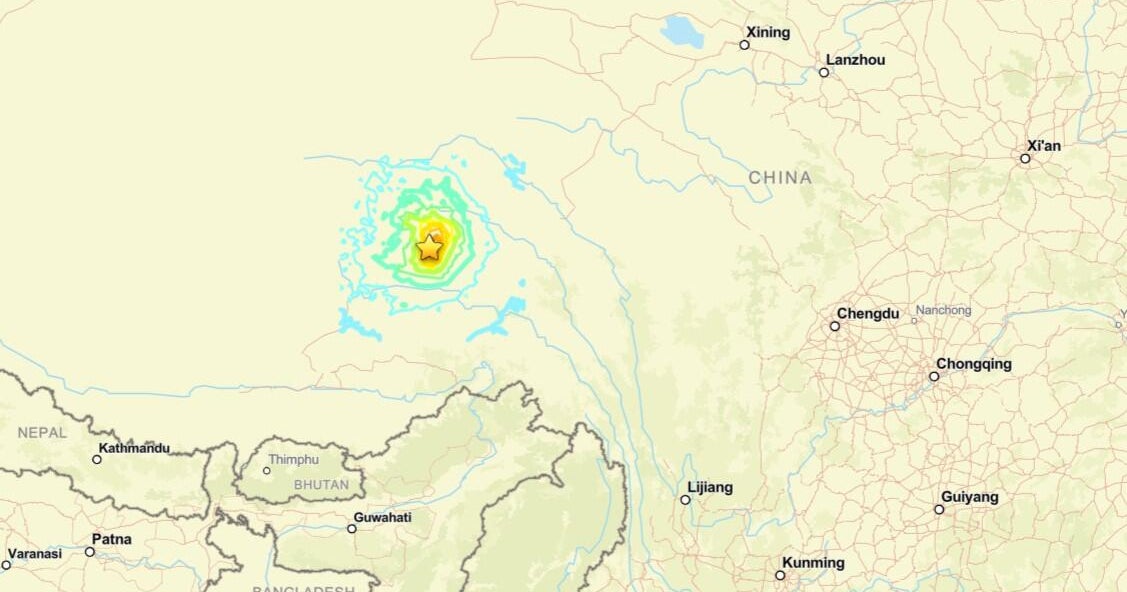
A magnitude 7.0 earthquake struck China's Tibet region on Thursday evening local time, killing at least 16 people and destroying hundreds of homes, according to local officials and Chinese state media. Another 46 people were injured, the Nagqu city media office said. Eleven of the injured were in serious condition and the other 35 had minor injuries.
The U.S. Geological Survey said the quake hit at 10:33 p.m. local time. Its epicenter was 119 miles east-northeast of Nagqu, in a sparsely populated, high-altitude area of northern Tibet. The USGS put the depth at 11 miles. Xinhua, citing the China Earthquake Networks Center, put it at 6.2 miles, a difference that is common in the first hours after a large quake as agencies refine their readings.
The damage was heavy in the area closest to the epicenter. The Nagqu media office, citing city government officials, said at least 339 homes and 20 livestock sheds collapsed. Search and rescue efforts were still underway late Thursday. Officials said more than 1,600 people from the local county had been deployed to the rescue. Supplies that reached the region included 1,000 prefabricated housing units, about 3,000 tents and folding beds, flashlights and winter clothing.
The mention of winter clothing points to the main danger now facing survivors. The quake struck at night in high-altitude terrain where temperatures drop sharply in late October, and families whose houses collapsed need shelter quickly. Chinese state broadcaster CCTV said it was the biggest earthquake in the region in the last five years.
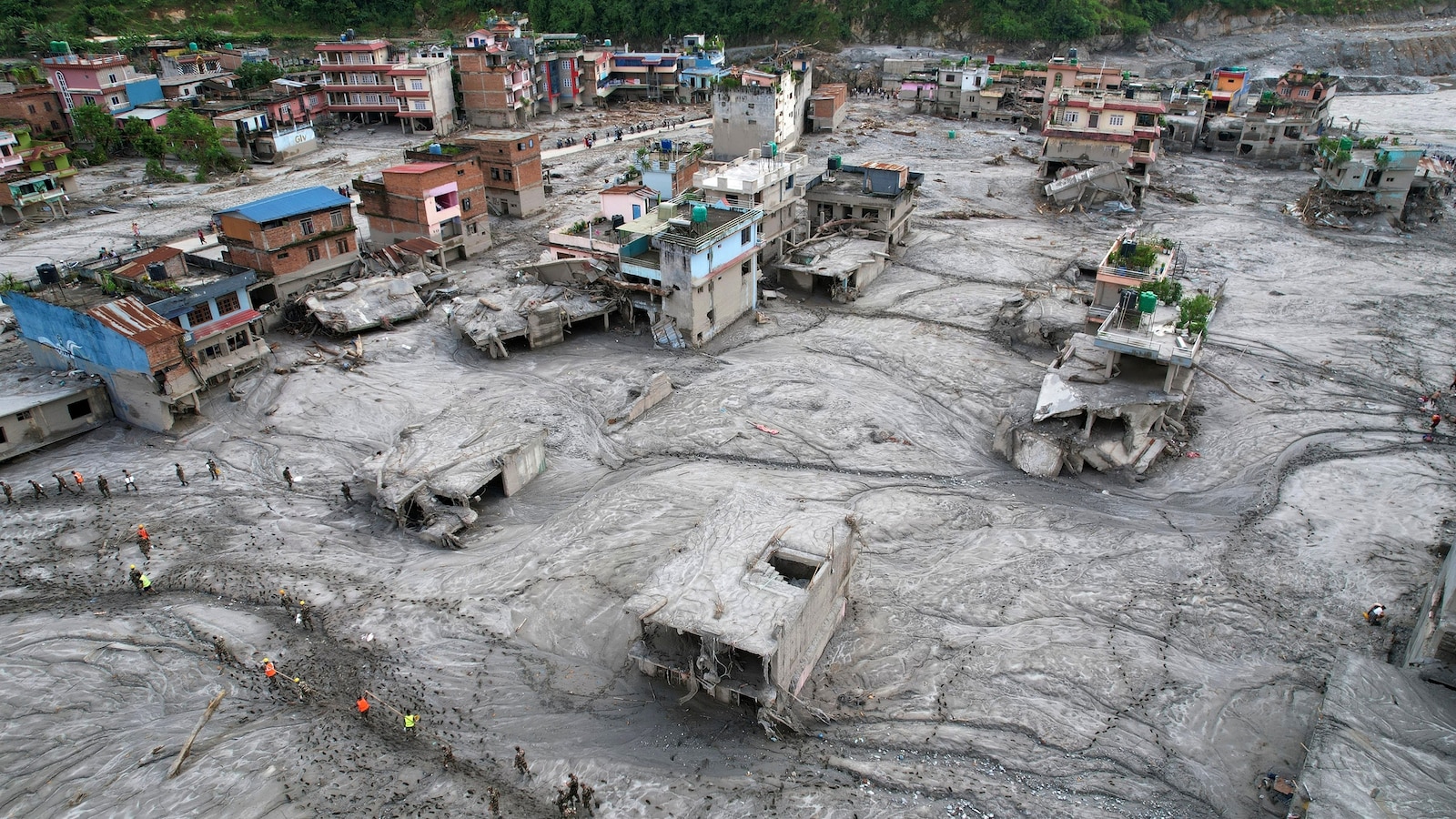
The disaster comes less than two months after another catastrophe in the same part of the Himalayan plateau. In late August, a border region of Nepal and Tibet was hit by devastating flash flooding that left hundreds of people dead and destroyed several communities. Authorities said that flooding was caused by the collapse of a glacier. The two events are not known to be connected, but together they have hit communities that sit far from major cities and are difficult to reach.
Northern Tibet is thinly populated, which limits the number of people exposed to a quake of this size. It also means rescuers must travel long distances over rough roads to reach affected villages, and the final casualty count could change as teams reach remote settlements. The figures reported so far come from local officials and state media and have not been independently confirmed.
The Associated Press contributed to CBS News' reporting. Officials had not given a timeline for restoring services to affected areas, and aftershocks remained a risk for damaged buildings and for the rescue crews working in them.