Iran War Squeezes Helium Supply, Putting Chips, MRIs and Missiles at Risk
Spot prices have tripled since Iranian strikes on Qatar's Ras Laffan facility and the closure of the Strait of Hormuz, and suppliers are now rationing helium to labs and chipmakers.
The world's helium supply is running short seven months after Iranian strikes on a Qatari gas facility and the effective closure of the Strait of Hormuz, and industries from chipmaking to medical research are feeling it with no end to the war in sight, 60 Minutes reported Sunday.
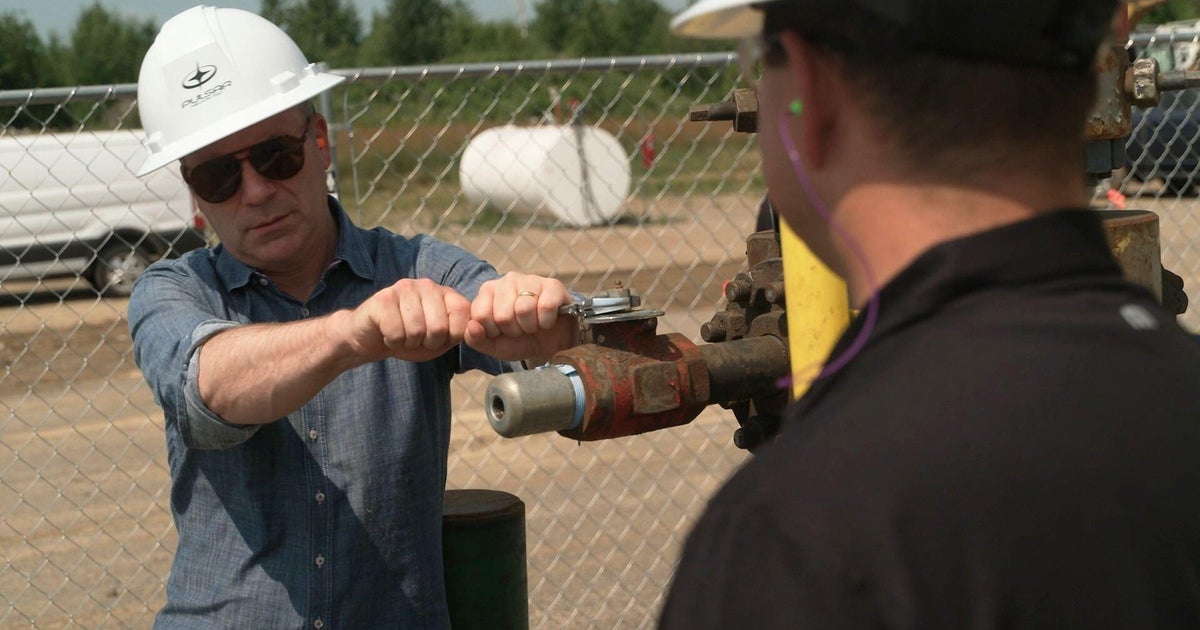
Most people associate helium with party balloons, but the finite, irreplaceable gas is critical to smartphones, cars, MRI machines, rocket launches and missiles. It is hard to extract and transport, and must be kept at 452 degrees below zero Fahrenheit in transit. Once released into the atmosphere, it is gone for good. Cliff Cain, president of a helium exploration company, said he has spent decades warning that supply is concentrated in too few places: Algeria, Poland, Russia, Qatar and the United States, with most coming from the last two. "All it takes is a few of those to fall and the whole supply chain comes unraveled," he said.
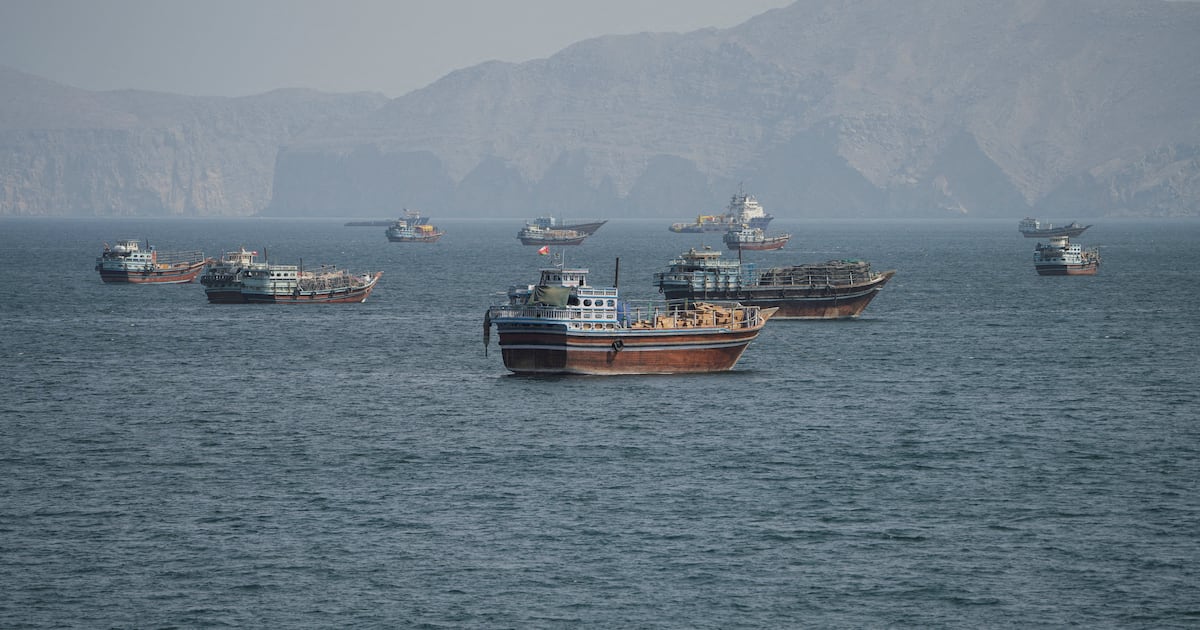
That is what happened this year. The closure of the Strait of Hormuz in February trapped about one-third of global helium supply in the Persian Gulf. In March, Iranian strikes hit Ras Laffan, the world's largest natural gas facility, whose byproduct is the helium Qatar produces. Qatar is the second-largest commercial producer after the United States, and officials there said it would take at least three years to bring Ras Laffan back to full operation. The facility did not respond to CBS News requests about the damage to its helium infrastructure.
The United States cannot make up the gap forever. Most U.S. helium comes from a single Wyoming facility, and U.S. exports are up 70% since the war began, according to Census Bureau data, as buyers in South Korea, Taiwan and Singapore turn to American suppliers. Rich Brooke, a former executive at Air Liquide, one of the six major international suppliers, said spot prices have tripled since the war started. Some suppliers are drawing down reserves stored in underground salt caverns. "If you can tell me what's going to happen in the Strait of Hormuz between now and three months from now, I can tell you exactly what'll be happening in the helium business," Brooke said.
The shortage reaches into the military as well. The Pentagon has asked some defense contractors to quadruple production of certain weapons, and Cain said helium is needed for hypersonic missiles, fiber optics, munitions and electronics. "You can't make modern warfare without helium," he said. The semiconductor industry consumes about one-fifth of the world's helium, according to the Compressed Gas Association. Surya Iyer, president and chief operating officer of Polar Semiconductor near Minneapolis, said 40% to 50% of the machines in a chip fab use helium in some way, and hundreds of manufacturing steps depend on it. Polar plans to double output to roughly 140 million chips a month, and one of its three suppliers has already put it on allocation, a form of rationing.
Scientists are being squeezed too. Joe Sachleben, who runs a nuclear magnetic resonance lab at the University of Chicago that develops breast cancer drugs, immunotherapies and Alzheimer's treatments, pours about 100 liters of liquid helium onto his magnets every couple of months to keep them cold. His supplier told him it would provide 50% of last year's volume, and a backup supplier warned last month that it was about to run out. "What we have to do is decide which machines are we going to sacrifice and which one are we going to try to keep," he said. "I don't see an end to the current conflict. And even if we do have an end to the conflict, it'll take a while for the supply lines to get going again."