
Physics
Oxygen Plasma Works Better When You Take Air Away
Tokyo Metropolitan University mapped atomic oxygen with a laser and found production happening in the dark zones near the electrodes — and several times more of it reaching the target.
Topic
32 stories from Planck Standard. Latest: September 7, 2026.
Tokyo Metropolitan University mapped atomic oxygen with a laser and found production happening in the dark zones near the electrodes — and several times more of it reaching the target.

Using an electron beam that takes snapshots on ultrafast timescales, a Stanford-led team found that light-generated charge carriers pile into dense local pockets — at densities far above what the calculations predicted.
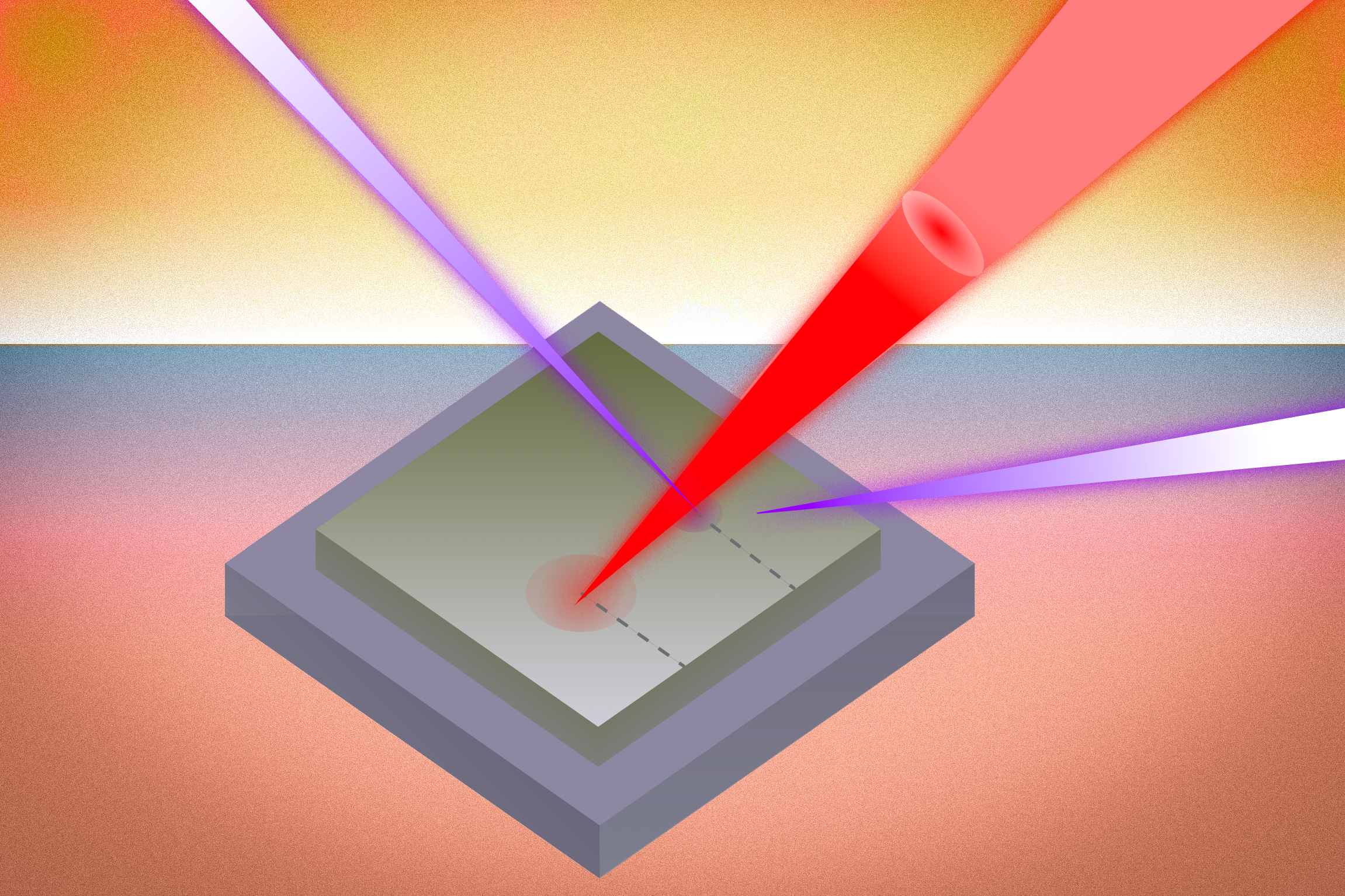
Existing methods can only read the top layer. Real devices have five or more. The new technique heats a sample with laser pulses and reads the buried layers with ultrafast X-rays.

Physicists at TU Dortmund built self-oscillating spin systems inside a semiconductor chip and found that distant ones synchronize, holding the rhythm for hours.

The Section 232 proclamation sets minimum import prices of $21 a kilogram for raw polysilicon and 38 cents a watt for solar modules, and takes effect December 4.

Heat normally spreads in every direction at once. In boron arsenide, UCLA engineers watched it move in focused beams along the crystal's own axes — a result that could let chip designers route heat the way fiber optics route light.
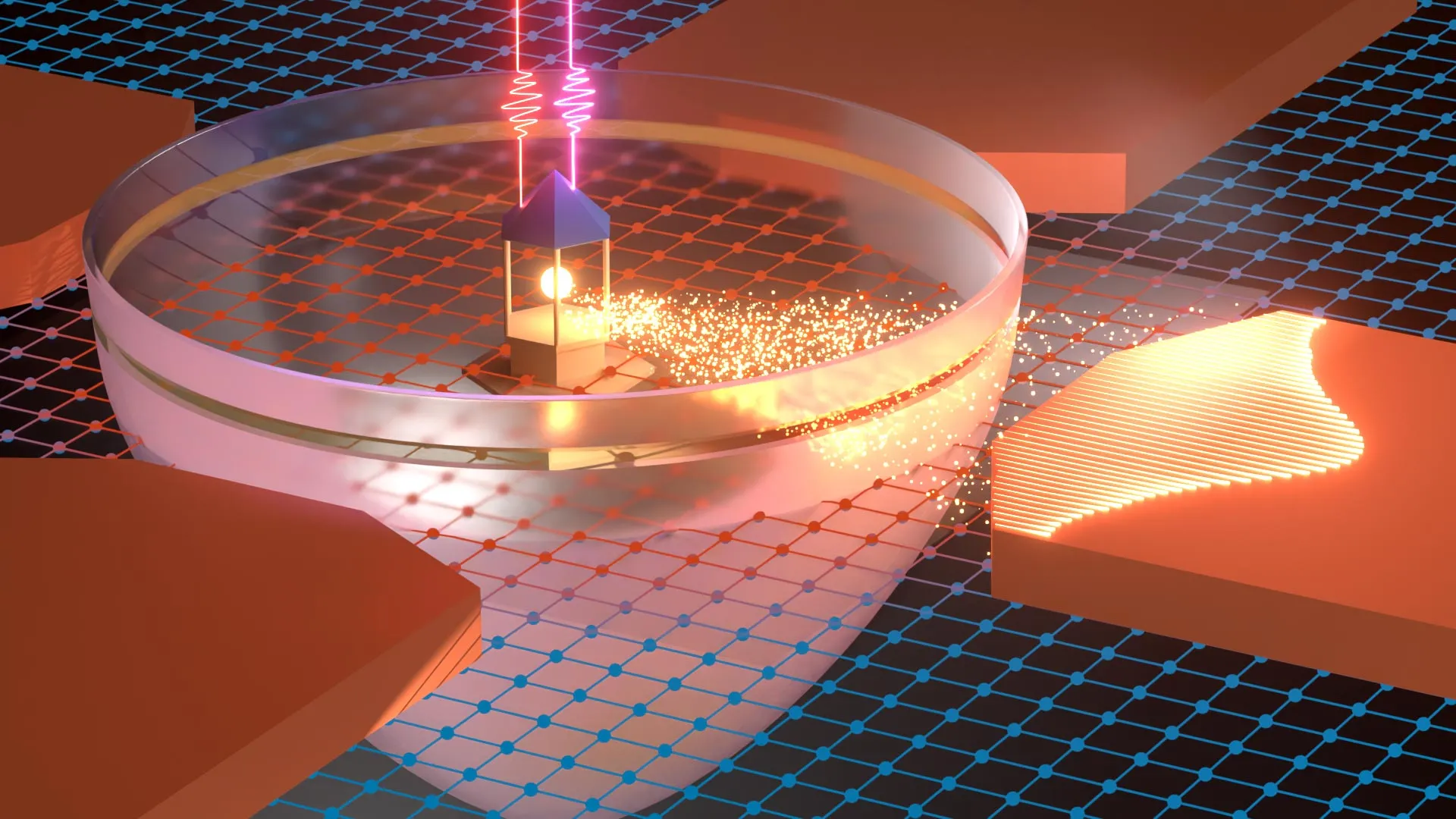
Two colors of laser light interfere inside a semiconductor and squirt electrons in a chosen direction. Rotate the light's polarization and the electron beam sweeps like a lighthouse lamp.

The chipmaker began fresh layoffs in the unit at the heart of the AI boom, notifying employees just ahead of its quarterly results as Chief Executive Lip-Bu Tan presses a sweeping restructuring.

The Nikkei 225 sank more than 4% and briefly fell over 6%, dragged down by memory-chip maker Kioxia, as investors around the world questioned whether the AI boom's sky-high valuations can hold.
The Union Cabinet approved seven major projects on Wednesday — led by a vastly expanded semiconductor push and a Rs 62,500 crore mobile-phone manufacturing scheme — in a sweeping bid to make India a global electronics hub.

The reticle-sized inference processor, co-designed with help from OpenAI's own models, is the first in a multi-generation compute platform the two companies aim to begin deploying by the end of 2026.

A slide in semiconductor stocks — triggered by Samsung's earnings and reports that China's DeepSeek is building its own AI chip — knocked the Nasdaq down more than 1% as oil prices jumped.
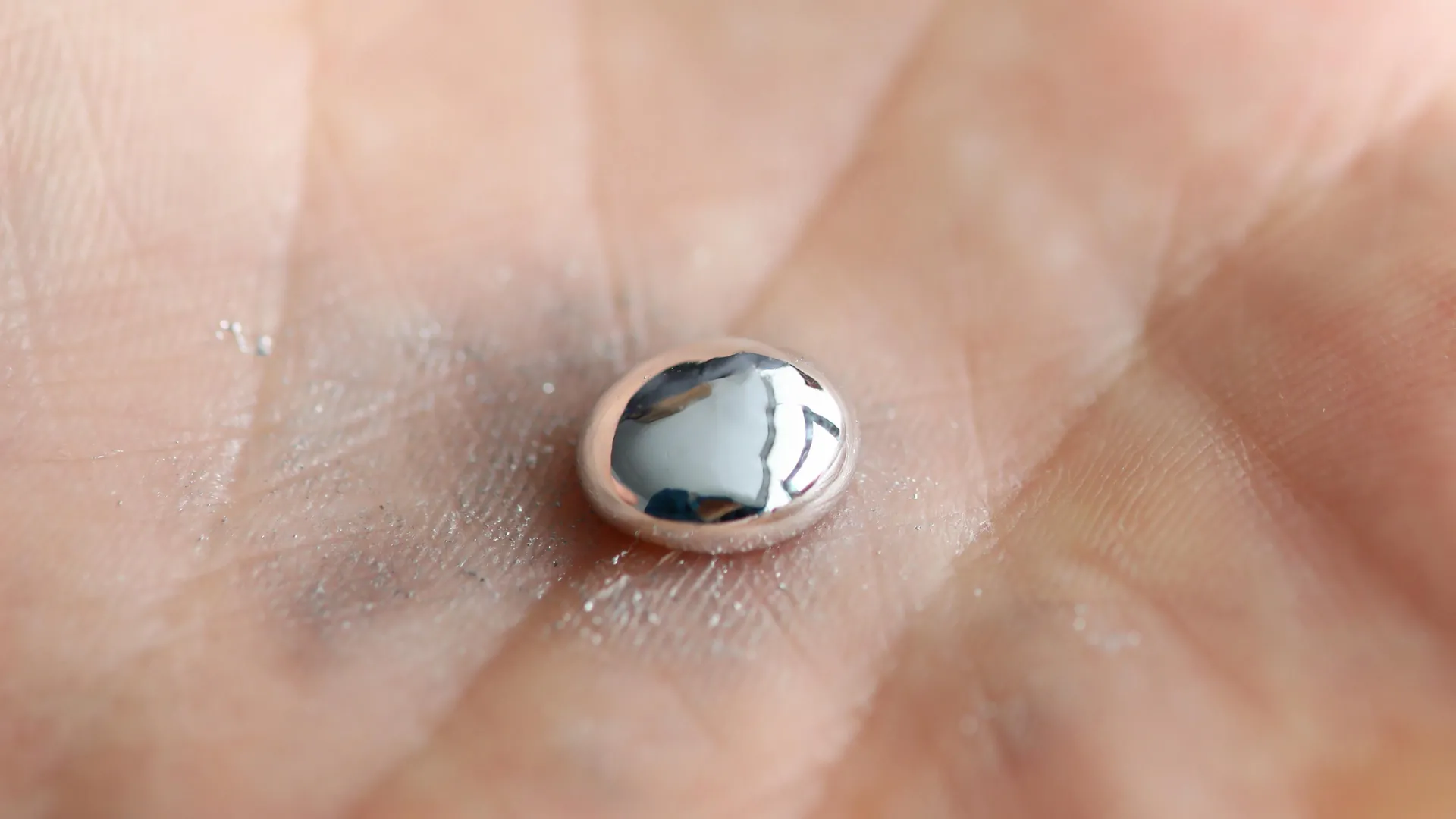
University of Auckland researchers found that the strange metal's covalent bonds don't vanish for good when it melts — they re-form at higher temperatures, rewriting how we explain why gallium melts in your hand.

Micron plunged about 13%, dragging Intel and AMD down with it, after signs of softening memory demand and Meta's move into selling spare AI computing power rattled a sector that had soared through the spring.

An international team has created the first chip that can generate, steer and read light-based signals in a single device at room temperature, a milestone for the emerging field of 'valleytronics.'
 Watch
WatchFour words from the world's most powerful chip executive added roughly $60 billion to Marvell's market value in a single session, the largest one-day gain in the company's history.
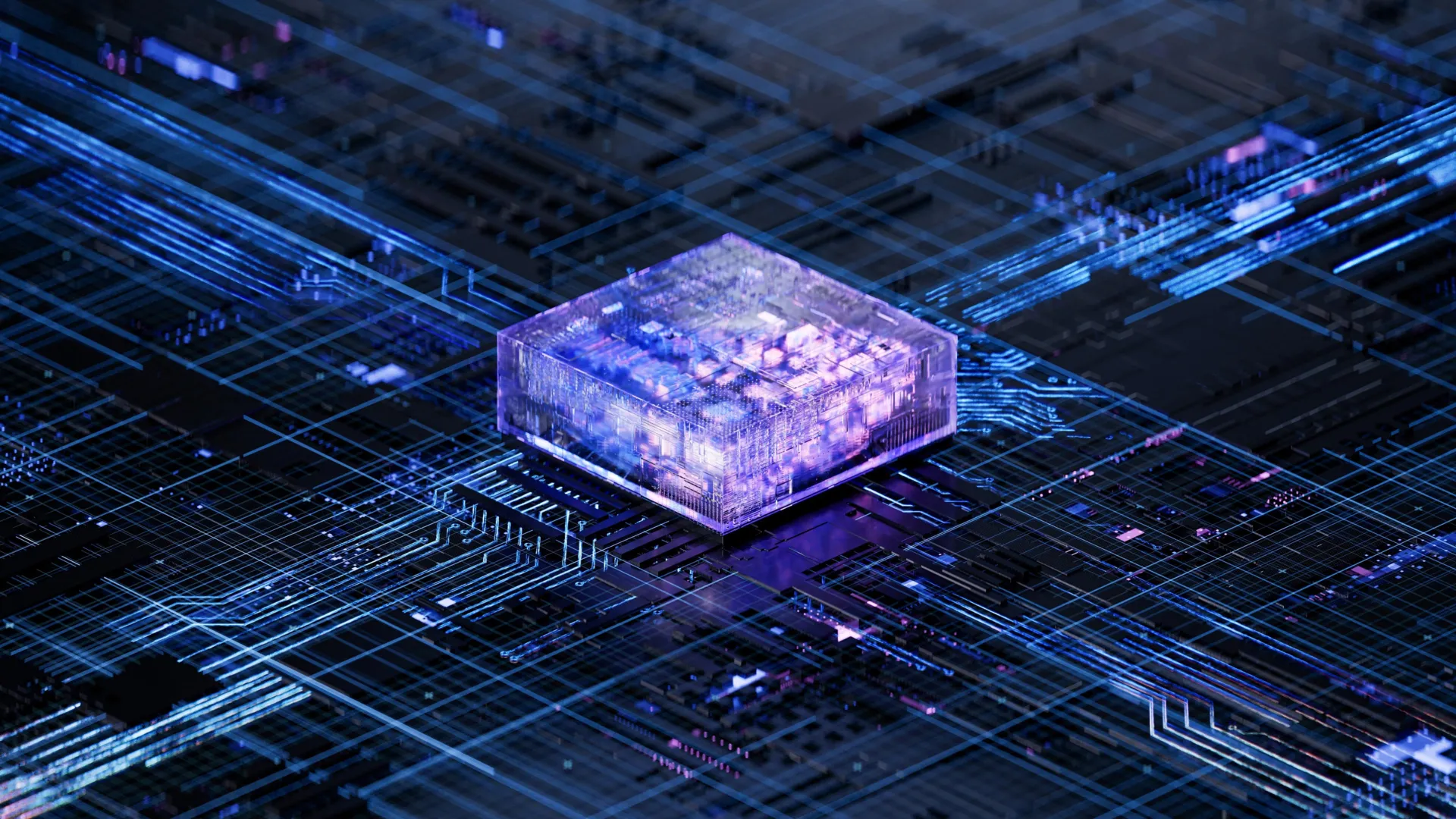
A University of Illinois team built working chips with three layers of silicon transistors stacked directly atop one another, achieving near-perfect yields with a low-temperature process that had long stumped the industry.
Memory chip makers join Apple, Meta, and Tesla as artificial intelligence applications drive unprecedented demand for high-performance semiconductors.

Chinese tech giant claims it can produce cutting-edge semiconductors within five years as Beijing pushes to circumvent American technology restrictions.
The Chinese tech giant claims it can produce cutting-edge semiconductors within five years despite ongoing American restrictions.
Chinese tech giant says it has achieved advances that will allow production of cutting-edge semiconductors within five years, marking Beijing's latest effort to defy American restrictions.
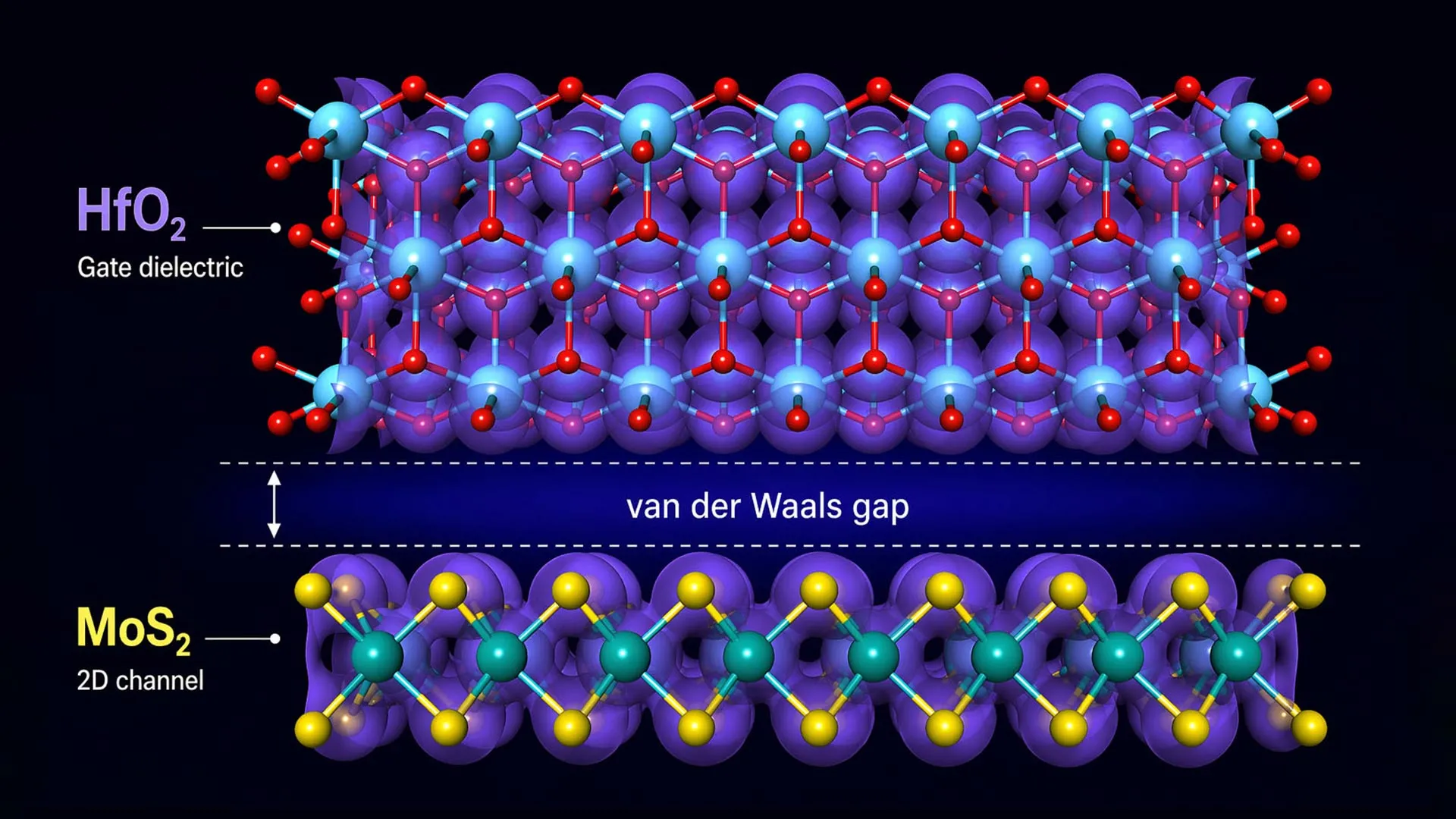
Researchers discover that promising 2D materials lose their electronic advantages when paired with insulating layers due to invisible nanoscale separation.
Researchers discover that tiny 0.14-nanometer separation between materials weakens electronic performance and could prevent further miniaturization of computer chips.

A new hafnium oxide device behaves like a synapse, switching at currents one million times lower than today's silicon — and could ease the AI industry's looming power crisis.

The world's largest chipmaker reported 35% revenue growth in Q1 2026, led by Nvidia and Apple orders for advanced AI processors, beating estimates despite the economic shock of the Iran war.
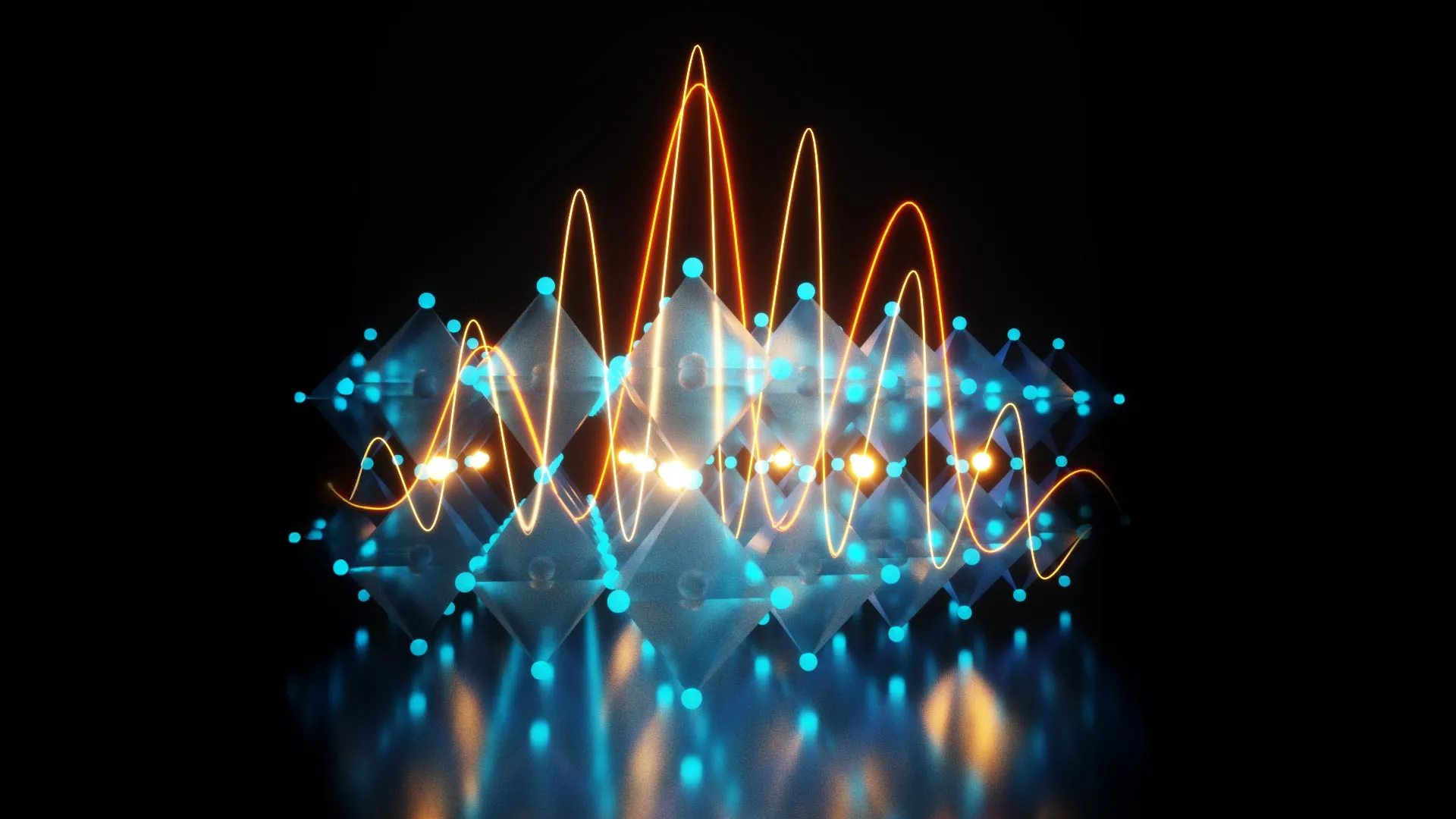
Researchers discover that perovskite crystals can dramatically change shape when exposed to light and return to original form, enabling new light-controlled devices.

New hollow cavity design boosts brightness 20 times and nonlinear signals 25 times in atom-thick materials, overcoming major limitation.

New design places ultra-thin semiconductors over tiny voids, boosting optical effects by up to 25 times without altering the material itself.

New design uses hollow air cavities beneath atom-thick materials to boost optical signals by up to 25 times, overcoming major limitation of thin devices.

New hollow cavity design boosts brightness by 20 times and nonlinear signals by 25 times, overcoming major limitation of ultra-thin materials.

A team from the Chinese Academy of Sciences has shown that the standard explanation for a key magnetic phenomenon used to design memory and sensor devices for twenty years was fundamentally incorrect.

Jensen Huang doubled demand forecast for Blackwell and Vera Rubin architectures at GTC 2026 keynote