Huawei Claims Major Chip Design Breakthrough to Circumvent U.S. Technology Sanctions
Chinese tech giant says it has achieved advances that will allow production of cutting-edge semiconductors within five years, marking Beijing's latest effort to defy American restrictions.
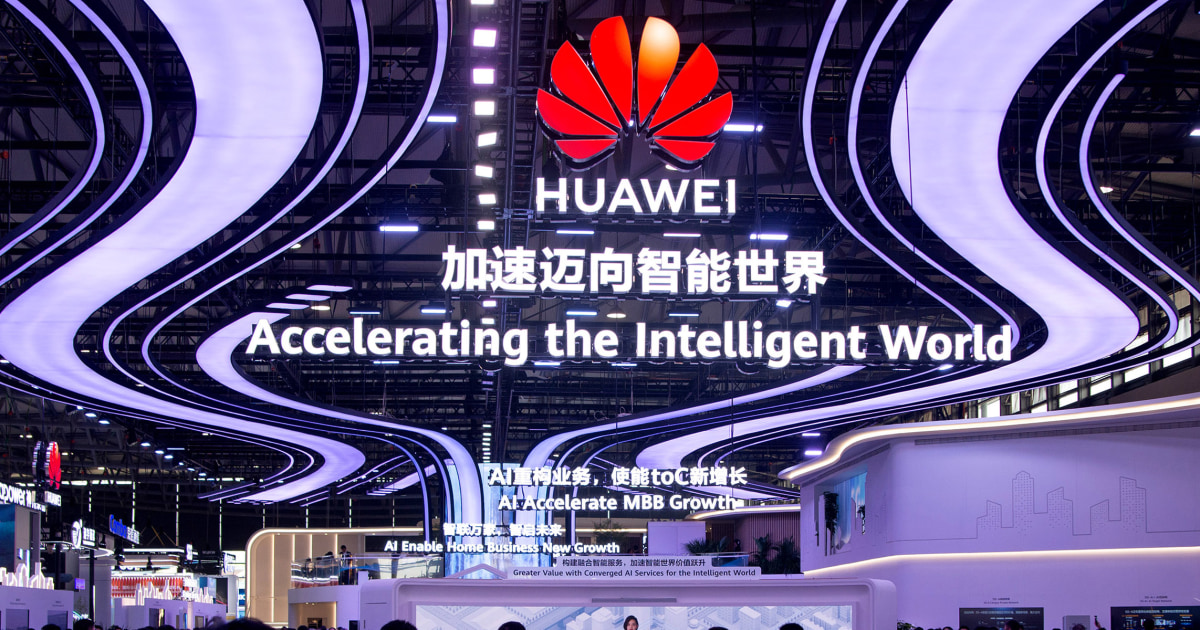
Chinese technology giant Huawei announced Monday that it has achieved a significant breakthrough in semiconductor design that could allow the company to produce cutting-edge chips within five years, representing Beijing's most ambitious challenge yet to U.S. technology restrictions. The announcement comes as China intensifies efforts to develop domestic alternatives to Western technology and reduce dependence on foreign suppliers in critical industries.
Huawei, which has been at the center of U.S.-China technology tensions for years, characterized the development as a major milestone in its quest to overcome American sanctions that have severely limited its access to advanced semiconductors and manufacturing equipment. The company has faced increasingly restrictive measures from Washington, which has sought to prevent China from accessing technologies with potential military applications or that could threaten U.S. technological leadership.
The timing of Huawei's announcement appears strategically calculated to demonstrate Chinese resilience in the face of sustained U.S. pressure. American officials have implemented successive rounds of export controls and sanctions designed to limit China's access to advanced semiconductor technology, viewing chips as a critical battleground in the broader strategic competition between the two superpowers.
Industry analysts note that Huawei's claims, while significant if verified, still face substantial practical challenges. Developing advanced chip designs is only one component of a complex technological ecosystem that includes sophisticated manufacturing equipment, specialized materials, and precision engineering capabilities. Many of these elements remain controlled by Western companies and governments, potentially limiting China's ability to achieve complete technological independence.
The announcement reflects broader Chinese government priorities under President Xi Jinping, who has made technological self-sufficiency a cornerstone of national policy. Beijing has invested billions of dollars in domestic semiconductor development through initiatives like the National Integrated Circuit Industry Investment Fund, seeking to reduce reliance on foreign technology in strategically important sectors. However, the success of these efforts remains unclear, as China continues to lag behind Taiwan, South Korea, and the United States in advanced chip manufacturing capabilities.