Huawei Touts Major Chip Design Breakthrough in Bold Bid to Defy U.S. Technology Sanctions
The Chinese tech giant claims it can produce cutting-edge semiconductors within five years despite ongoing American restrictions.
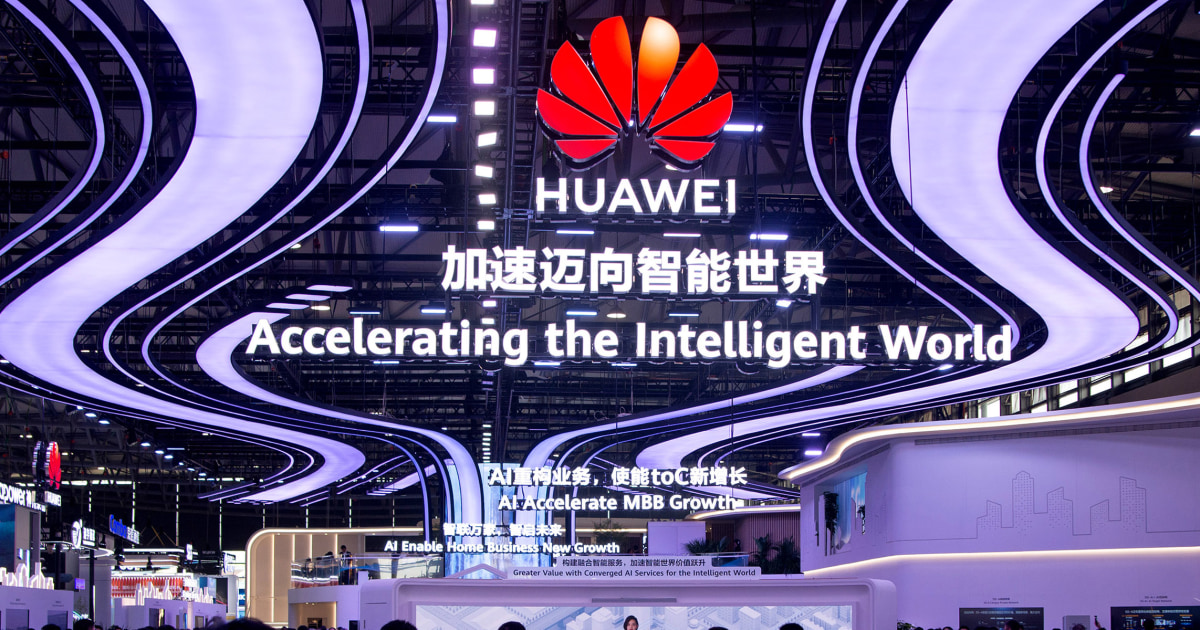
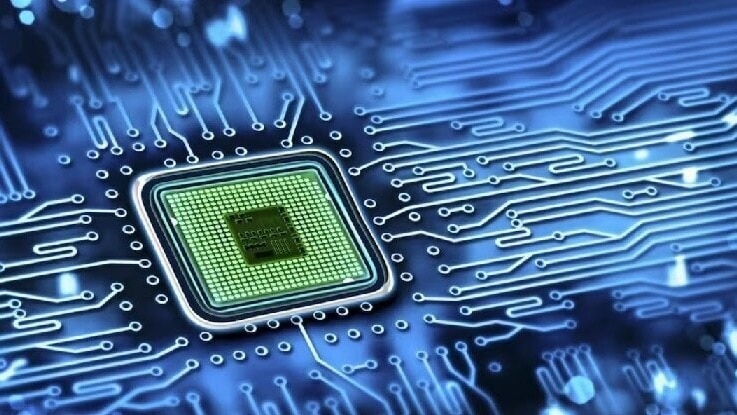
Chinese technology giant Huawei announced Monday that it has achieved a significant breakthrough in semiconductor design that would allow the company to manufacture cutting-edge chips within five years, marking a defiant response to years of U.S. technology sanctions aimed at limiting China's access to advanced semiconductors. The announcement represents Huawei's most ambitious public commitment yet to overcoming American trade restrictions that have severely limited its access to global chip supply chains.
Huawei's chip design breakthrough comes as the company has invested heavily in developing domestic alternatives to Western technology following escalating U.S. sanctions that began during the Trump administration and continued under President Biden. The restrictions have prevented Huawei from accessing advanced semiconductors manufactured using American technology, forcing the company to rely on older, less efficient chips for its smartphones and telecommunications equipment.
The Chinese company's announcement lacks specific technical details about the nature of its breakthrough, but industry analysts note that achieving advanced chip manufacturing capability would require overcoming significant technological and supply chain challenges. Modern semiconductors rely on extremely sophisticated manufacturing processes and specialized equipment that has been largely controlled by American and allied companies. Developing domestic alternatives typically requires years of research and billions of dollars in investment.
Beijing has made semiconductor self-sufficiency a national priority as part of its broader strategy to reduce dependence on Western technology. The Chinese government has pledged massive investments in domestic chip manufacturing and has encouraged companies like Huawei to develop indigenous alternatives to foreign technology. However, progress has been slower than initially hoped, with Chinese firms still lagging significantly behind industry leaders like Taiwan's TSMC and South Korea's Samsung.
Huawei's bold five-year timeline for advanced chip production will be closely watched by both the Chinese government and international competitors as a test of China's ability to overcome technological isolation. Success would demonstrate that U.S. sanctions have failed to prevent Chinese technological advancement, while failure could highlight the continued importance of international cooperation in the global semiconductor industry. The announcement also raises questions about how the U.S. and its allies might respond if Huawei does achieve its stated goals.