China's Huawei Touts Major Chip Design Breakthrough in Bold Bid to Defy U.S. Sanctions
Chinese tech giant claims it can produce cutting-edge semiconductors within five years as Beijing pushes to circumvent American technology restrictions.
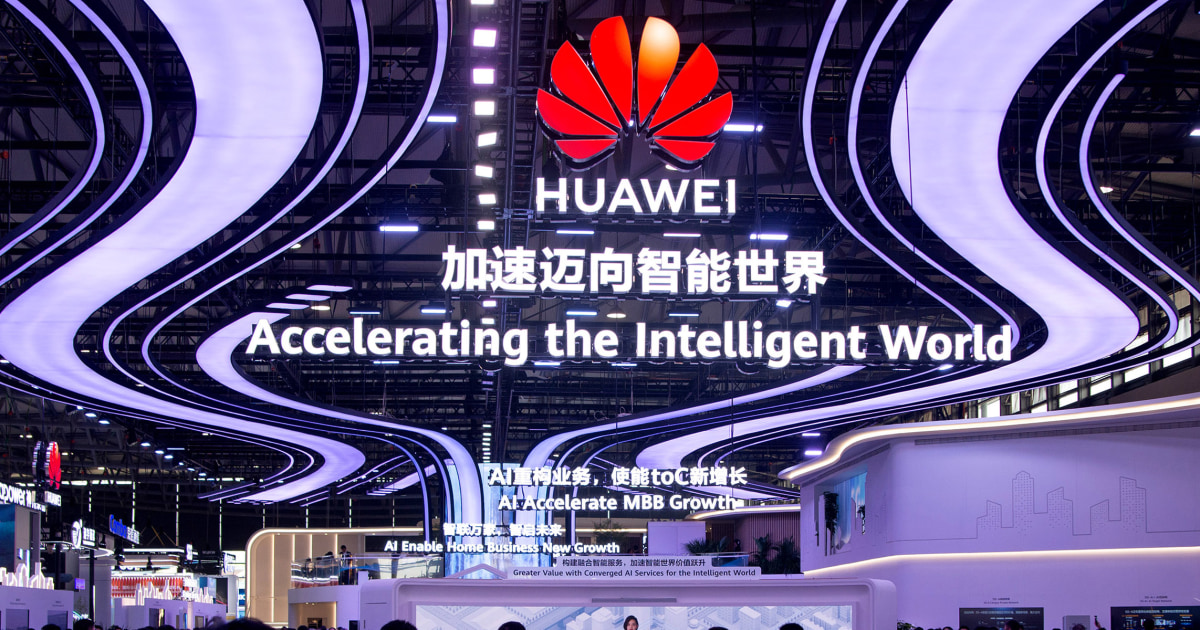
Chinese technology giant Huawei announced it has achieved a significant breakthrough in chip design technology that would enable the company to manufacture cutting-edge semiconductors within five years, marking a potentially crucial development in Beijing's broader effort to circumvent stringent U.S. technology sanctions. The announcement represents Huawei's most ambitious claim yet regarding its ability to overcome American restrictions that have severely limited the company's access to advanced semiconductor manufacturing capabilities.
The breakthrough comes as China faces mounting pressure from U.S. technology restrictions designed to limit Chinese access to advanced semiconductor technology, which American officials view as critical to national security. Huawei has been at the center of these tensions, with the company facing comprehensive sanctions that have restricted its ability to purchase advanced chips from global suppliers and limited its access to crucial manufacturing equipment and software tools needed for semiconductor production.
Huawei's announcement signals the company's determination to achieve technological independence despite facing what many experts consider the most comprehensive technology sanctions ever imposed on a single company. The claimed breakthrough in chip design represents a direct challenge to U.S. policy makers who have worked to maintain American and allied control over critical semiconductor technologies. If successful, Huawei's efforts could undermine the effectiveness of sanctions designed to limit China's technological capabilities.
The timing of the announcement appears strategic, coming as geopolitical tensions between the United States and China continue to intensify across multiple technology sectors. Chinese officials have made semiconductor independence a national priority, investing billions of dollars in domestic chip manufacturing capabilities and research programs aimed at reducing dependence on foreign technology suppliers. Huawei's claimed progress represents a key test case for these broader Chinese efforts to achieve technological self-sufficiency.
Industry analysts will be closely watching for concrete evidence of Huawei's technological progress, as previous claims about breakthrough achievements in semiconductor technology have sometimes proven overstated or limited in practical application. The five-year timeline suggested by Huawei would represent an extremely aggressive development schedule for advanced semiconductor manufacturing, requiring the company to overcome numerous technical and manufacturing challenges while operating under continued sanctions pressure. Success would have significant implications for global technology competition and the effectiveness of economic sanctions as a foreign policy tool.