
Asteroid Bennu's Amino Acid Holds the Biggest Isotope Anomaly Ever Seen in Space Organics
Penn State researchers found one carbon atom in a single molecule wildly out of balance with its neighbors, evidence of chemistry that may predate Earth.
Section
Science news: space, biology, climate, medicine and the research changing how we live.
Penn State researchers found one carbon atom in a single molecule wildly out of balance with its neighbors, evidence of chemistry that may predate Earth.



Yakamys sirindhornae, about twice the size of its known rivals, suggests giant rodents evolved earlier, and in Southeast Asia, than scientists believed.
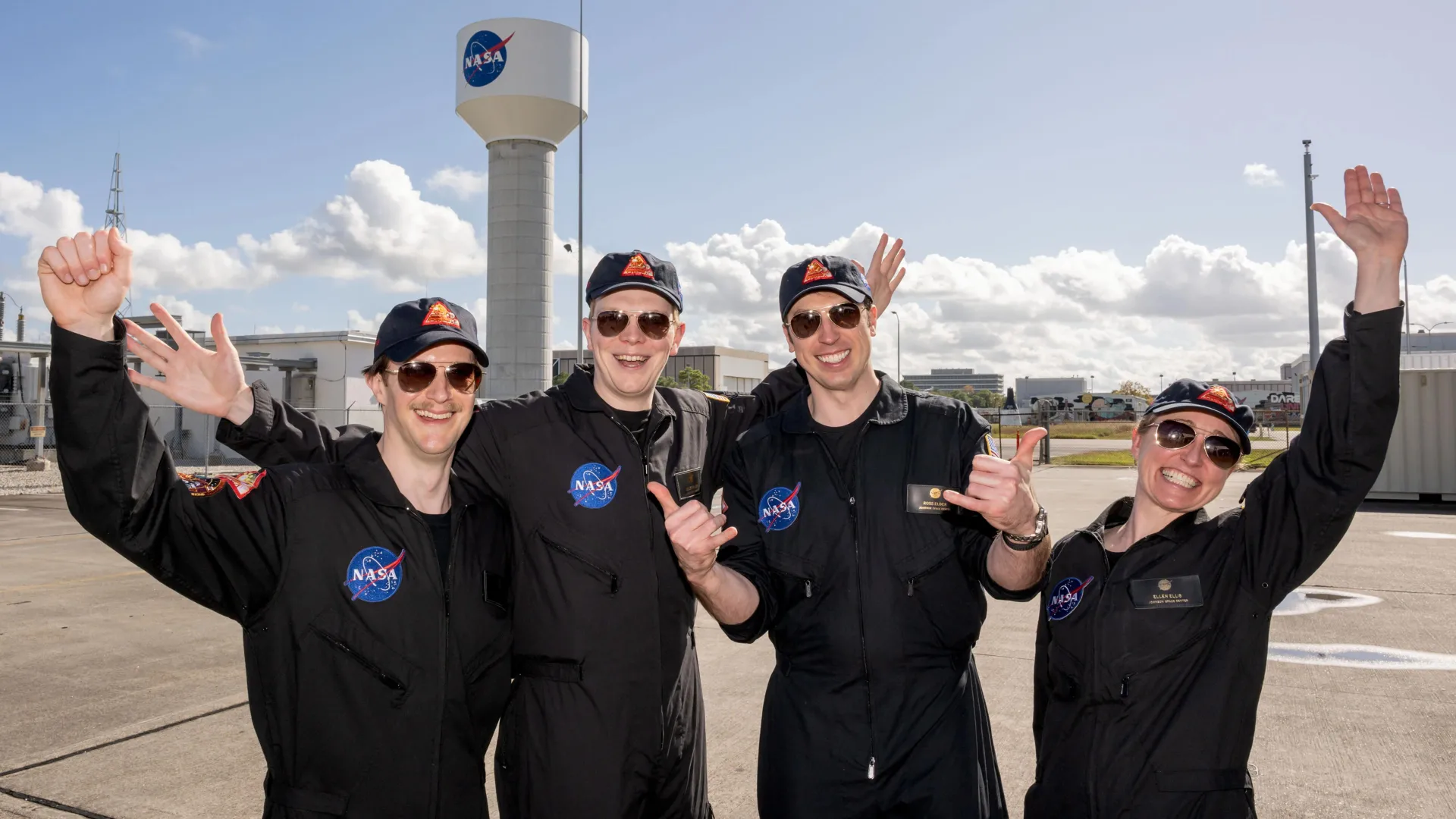
The CHAPEA volunteers grew crops, rationed supplies, rehearsed spacewalks and worked through communication delays; NASA says the lessons will shape Moon and Mars planning.
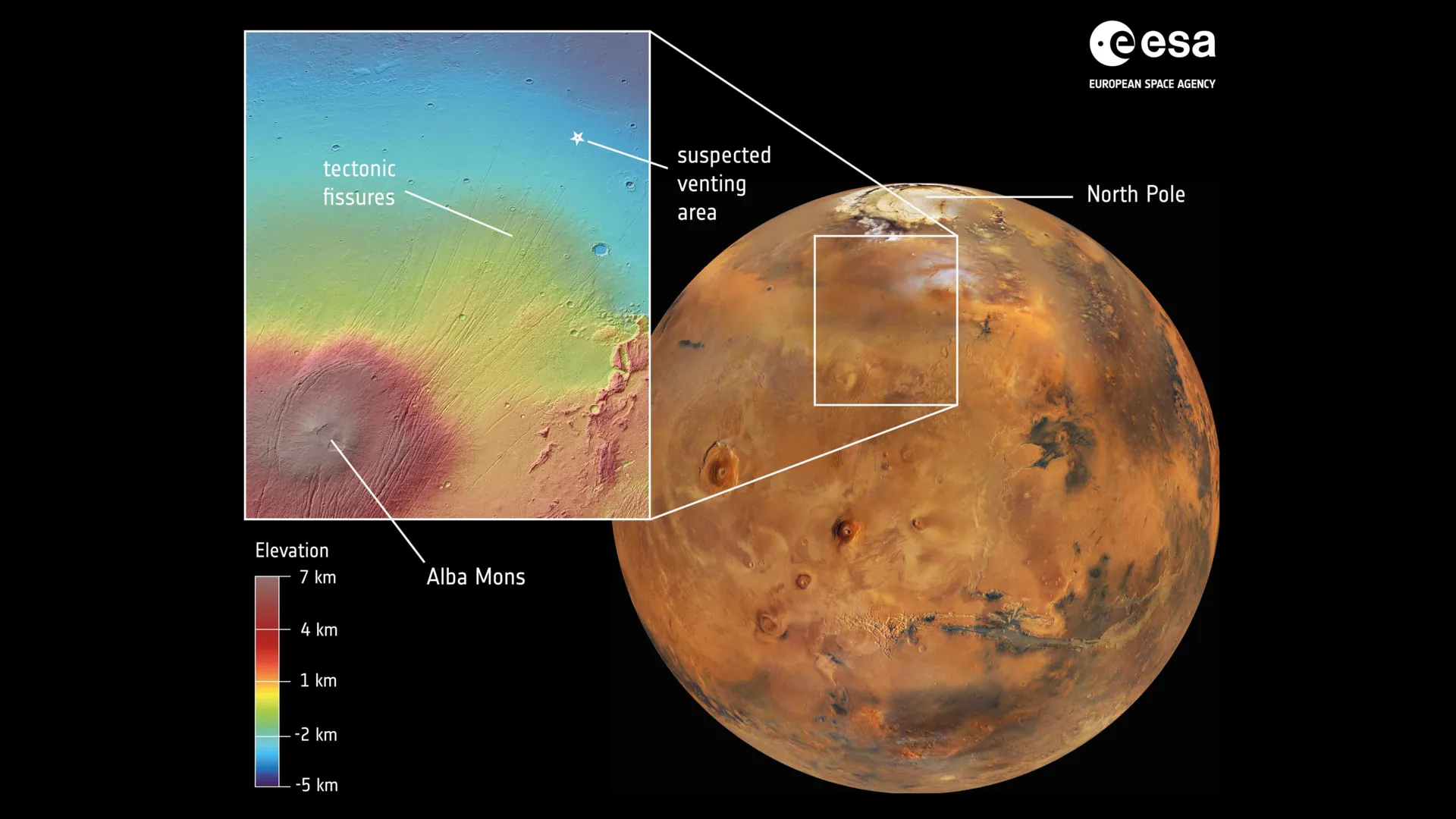
An orbiter spotted the gas rising from fresh-looking fractures on Alba Mons in early summer, suggesting magma may still sit beneath the Red Planet's surface.
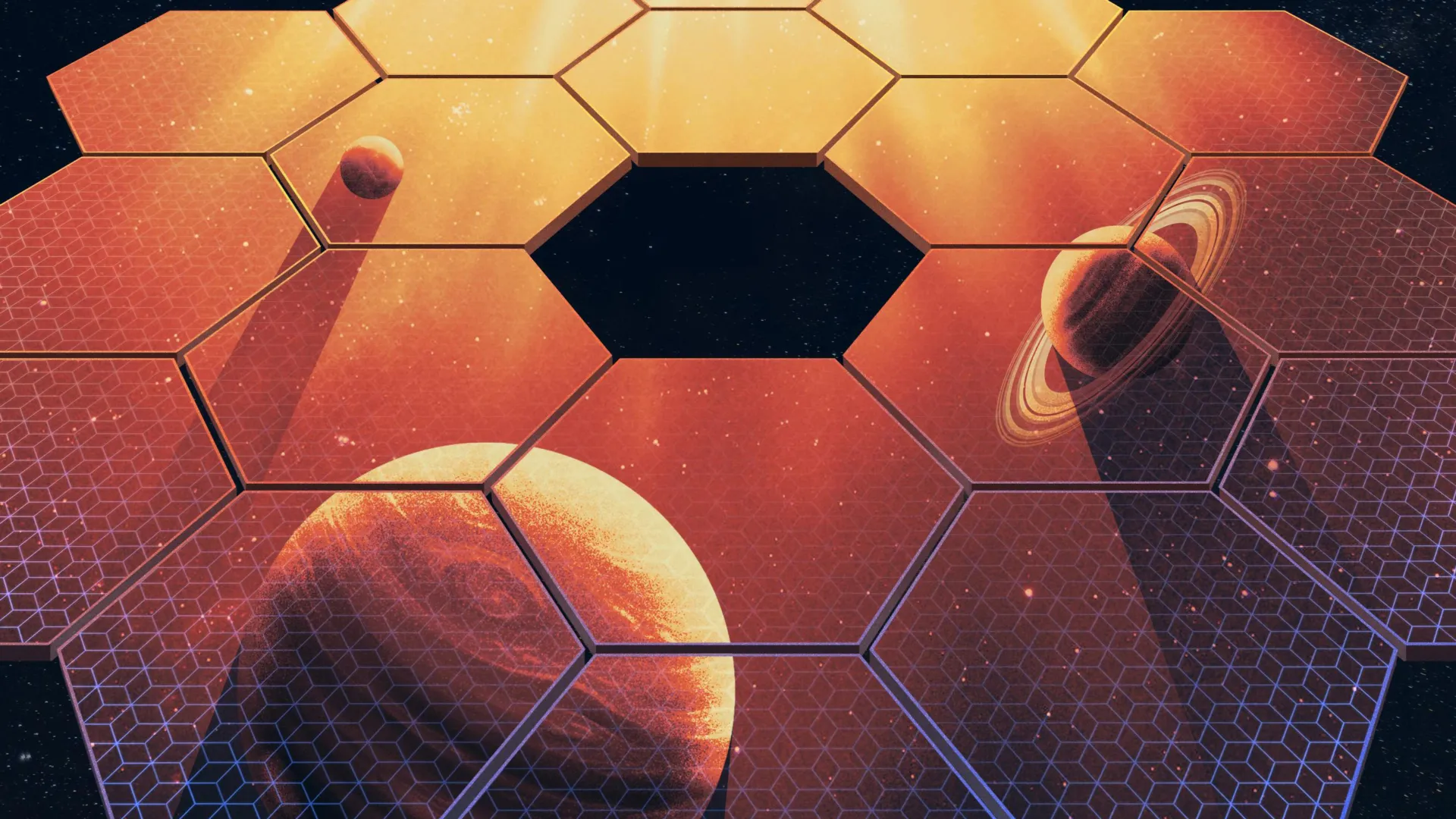
A Caltech and Northwestern team built a physics-based model of Webb's camera that boosts planet-detection sensitivity two to 15 times and uncovered a world sitting unnoticed in archived data.

Weizmann and Copenhagen researchers held one spiral molecule between two gold tips and found it rotates, and reverses, with the voltage, and conducts 100 times better while spinning.

Instead of rigid molecular links, the Nature Materials study uses bendy ones that rearrange as particles meet, limiting how many neighbors each particle can grab.

A Leiden-led team used LOFAR to image one patch of sky 20 times more sharply than before, and processed 400 terabytes of data in just a few months.

University at Buffalo researchers simulated 10 defect types in hexagonal boron nitride and found some boost light at double or triple the laser frequency, which could help pick out sources of quantum light.

Tokyo researchers found that adding a charge to an exciton on a single-walled nanotube preserves its chirality, so voltage could tune how the tube treats circularly polarized light.
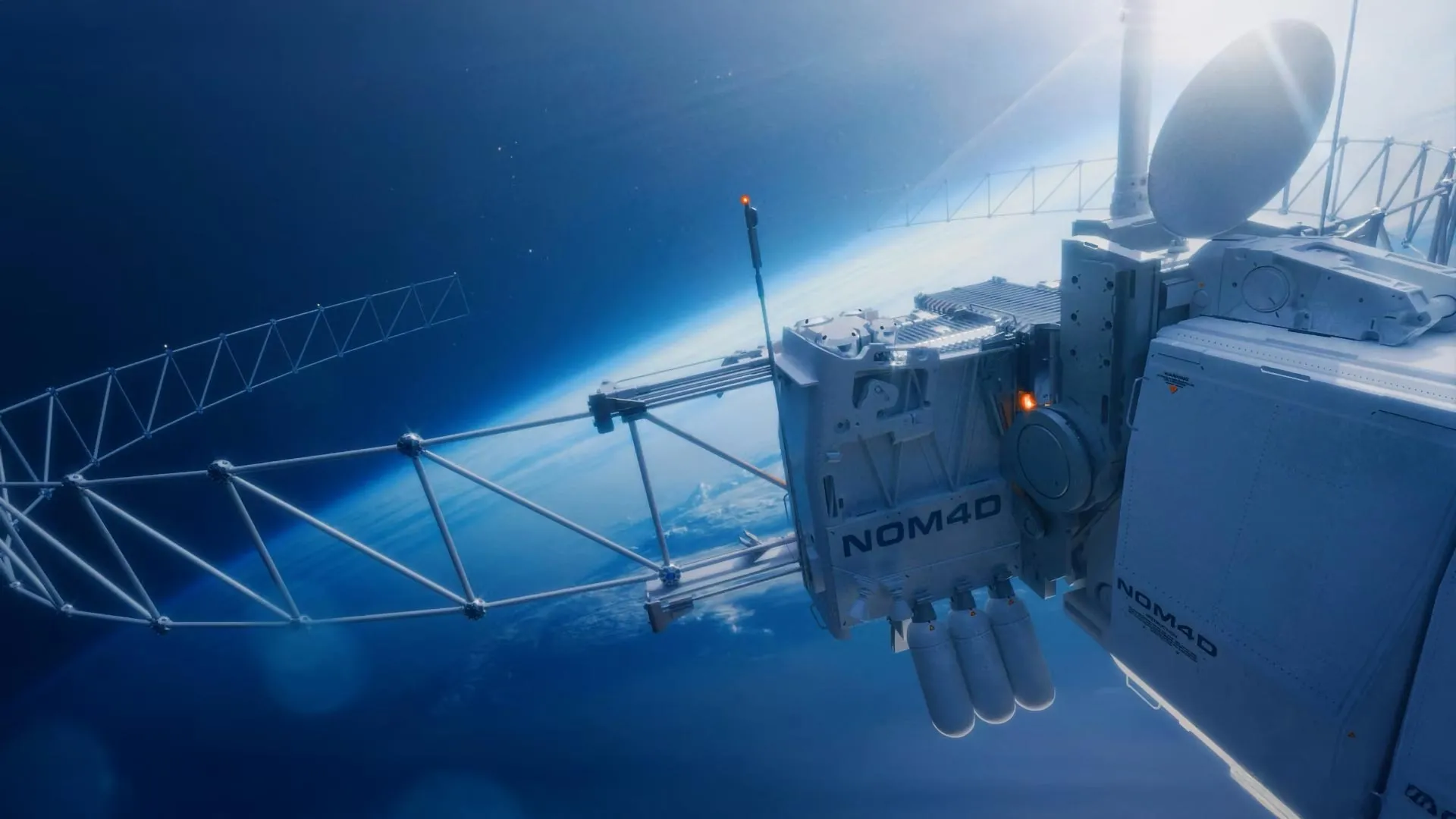
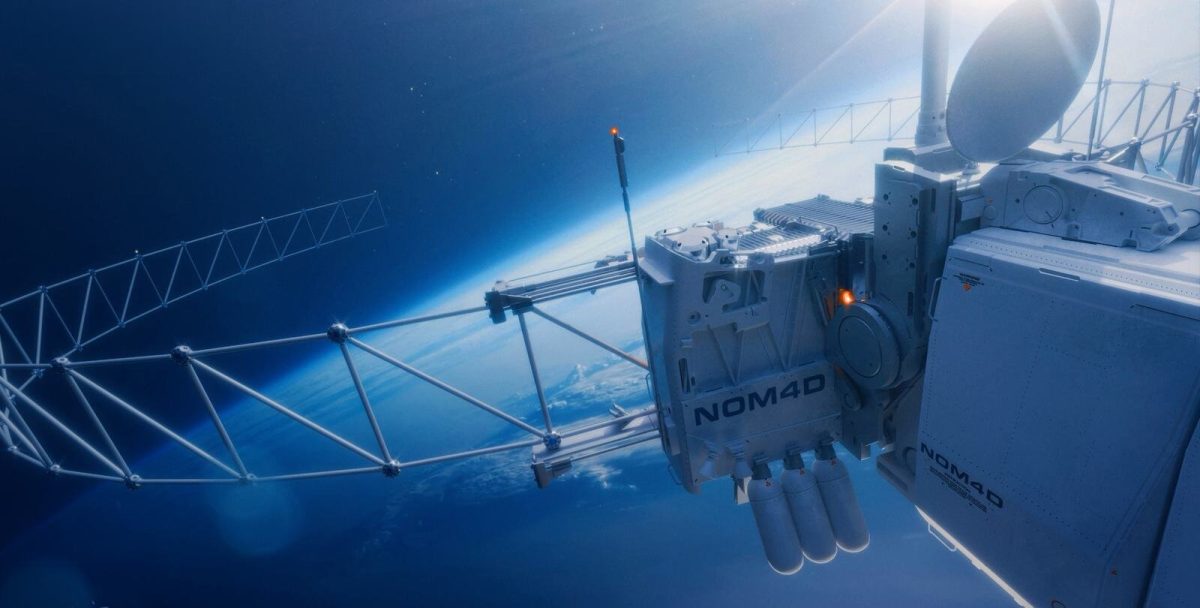
The ASTRA experiment, riding on a small satellite, has added a third truss bay to a planned 1.4-meter reflector antenna in a step toward kilometer-scale structures in space.

JWST images of a galaxy 6.5 billion light-years away more than double the previous count of 44 individual stars brightened by gravitational lensing.

Administrator Jared Isaacman says selected candidates would test spacecraft and staff a future moon base; nursing master's degrees now count, and applications close Dec. 3.
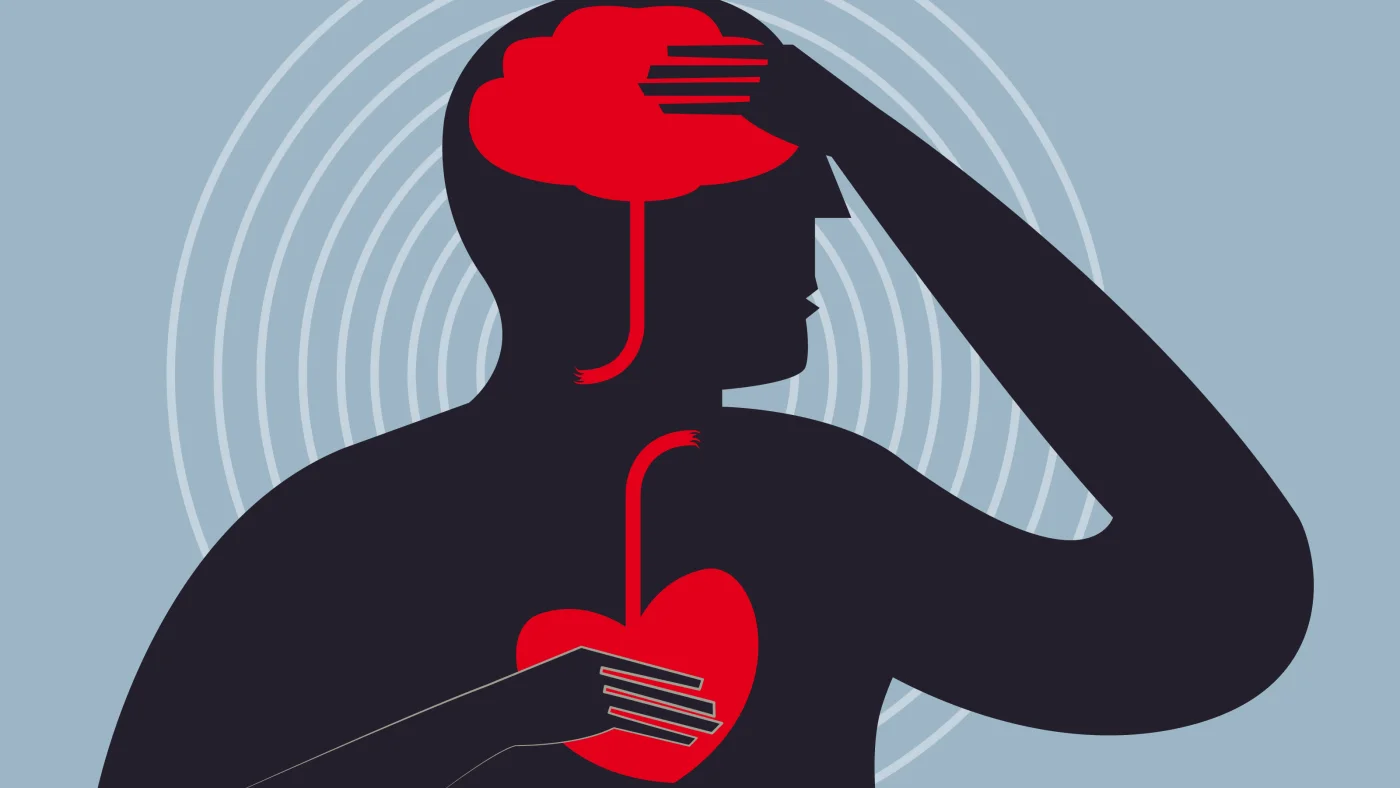
Novartis' pelacarsen did not reduce cardiovascular events in 8,350 patients over five years, a blow to one of cardiology's most anticipated approaches.

A new model that drops the spherical-asteroid shortcut found deflection speed varied nearly fivefold, and spin by a factor of 17, depending on which face gets hit.
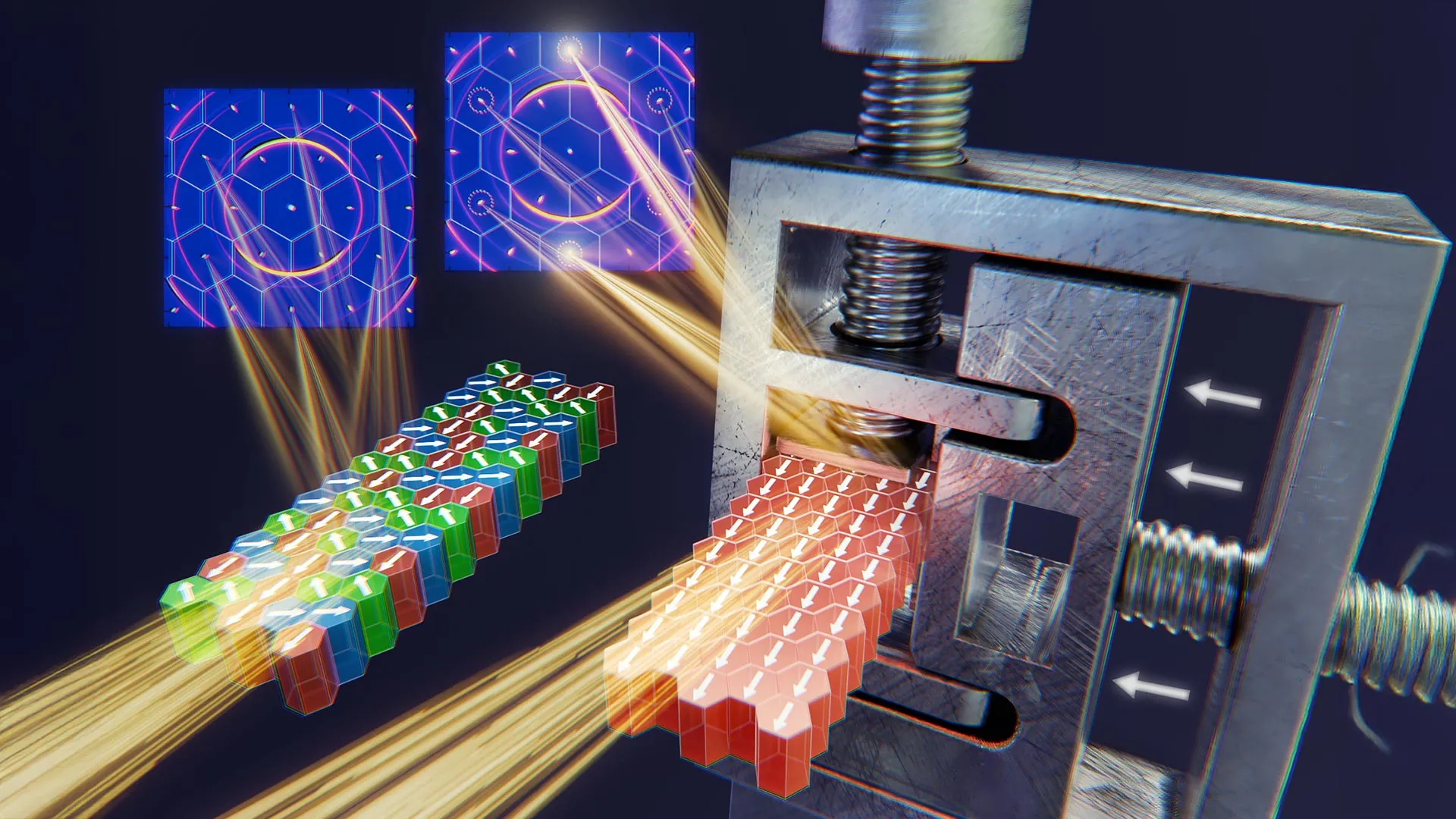
Squeezing tiny crystals of manganese telluride and iron sulfide between titanium plates shifted their magnetic domains and electrical behavior, a possible lever for future spintronic chips.

Physicists used real-time feedback to track a drifting qubit frequency, dropping the average error rate from about 0.14% to 0.065% on a superconducting chip.

Queen's University Belfast astronomers confirmed two stable asteroids and one candidate, doubling the known long-lived population in Neptune's trailing cloud.

NASA says the probe's thrusters switched to backups on their own, and a power-saving swap of three heaters has extended the life of its remaining instruments.

A 0.13-arcsecond shift between images taken 3.5 years apart shows the object is a Milky Way dwarf about 2,400 light-years away, not a galaxy 100 million years after the Big Bang.

A University of Washington model reproduces 19 planetary properties without biology, giving astronomers a baseline for judging alien atmospheres.

Toxicology on eight mummies from Peru and Argentina suggests the Incas tailored their most sacred ritual to different mountain deities.

