
Science
Europe's Summer Heat Killed More Than 50,000 People, and Climate Change Caused Two-Thirds
A study in Nature Health puts the toll across 854 cities at 50,391, a 71% jump over the previous deadliest summer, in 2022.
Topic
32 stories from Planck Standard. Latest: October 23, 2026.
A study in Nature Health puts the toll across 854 cities at 50,391, a 71% jump over the previous deadliest summer, in 2022.
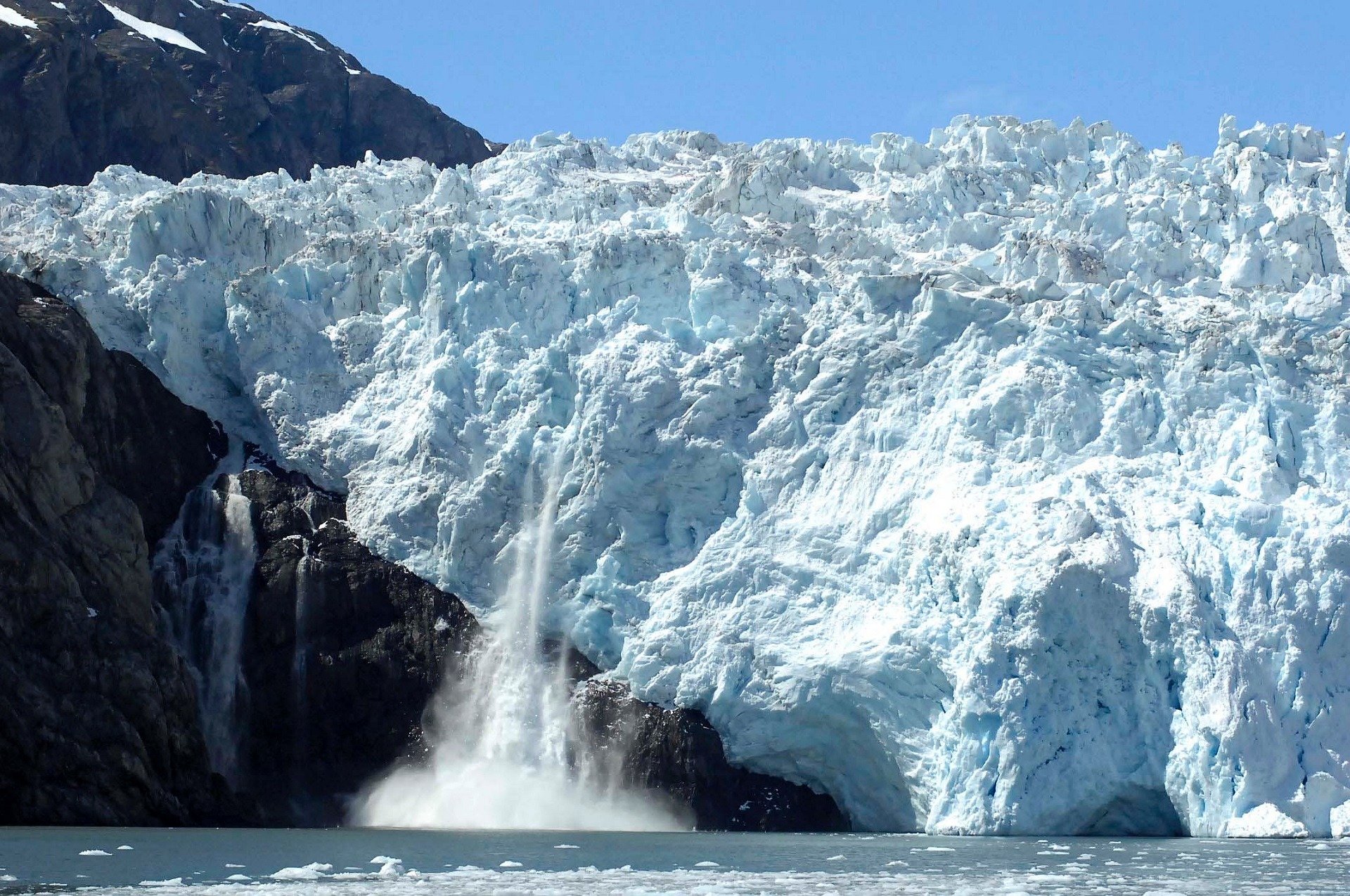
A PNAS analysis of 20,736 papers found Greenland drew 20% of the attention while boreal permafrost thaw, with a similar 1.5C threshold, got 0.7%.

All 52 pairs of Great Barrier Reef coral fragments fused, and the bleached partners recovered faster where the two tissues met, Australian researchers report.
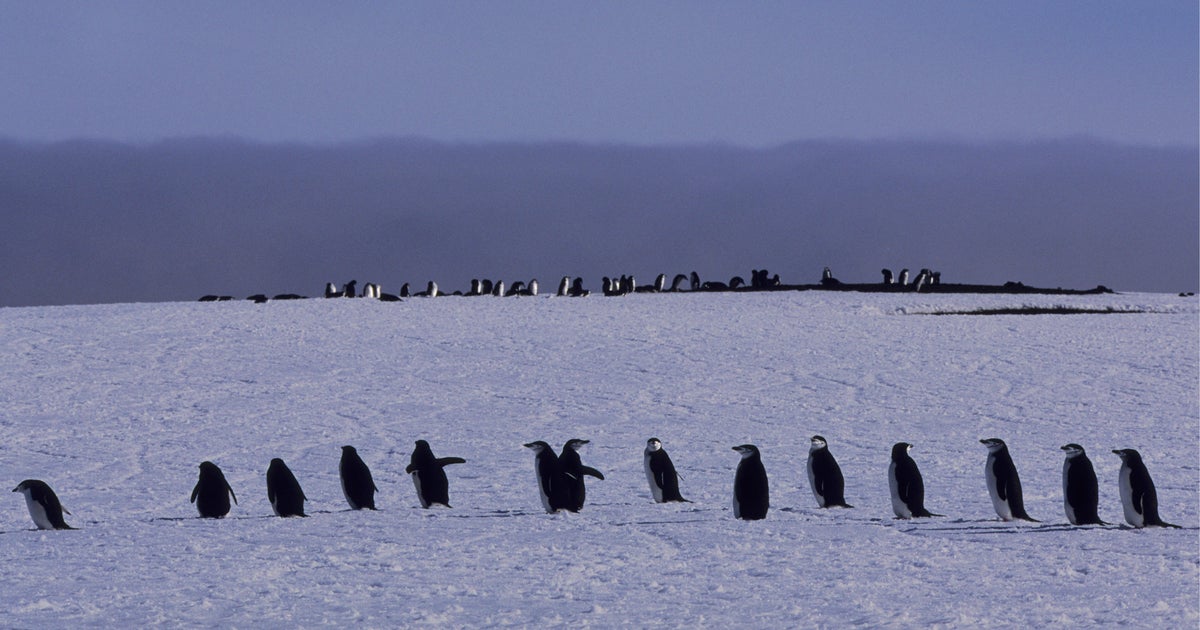
Drone and satellite counts show Zavodovski Island lost more than 680,000 breeding chinstraps since 2011. Researchers blame climate change reshaping krill supplies, not the volcano.
 Watch
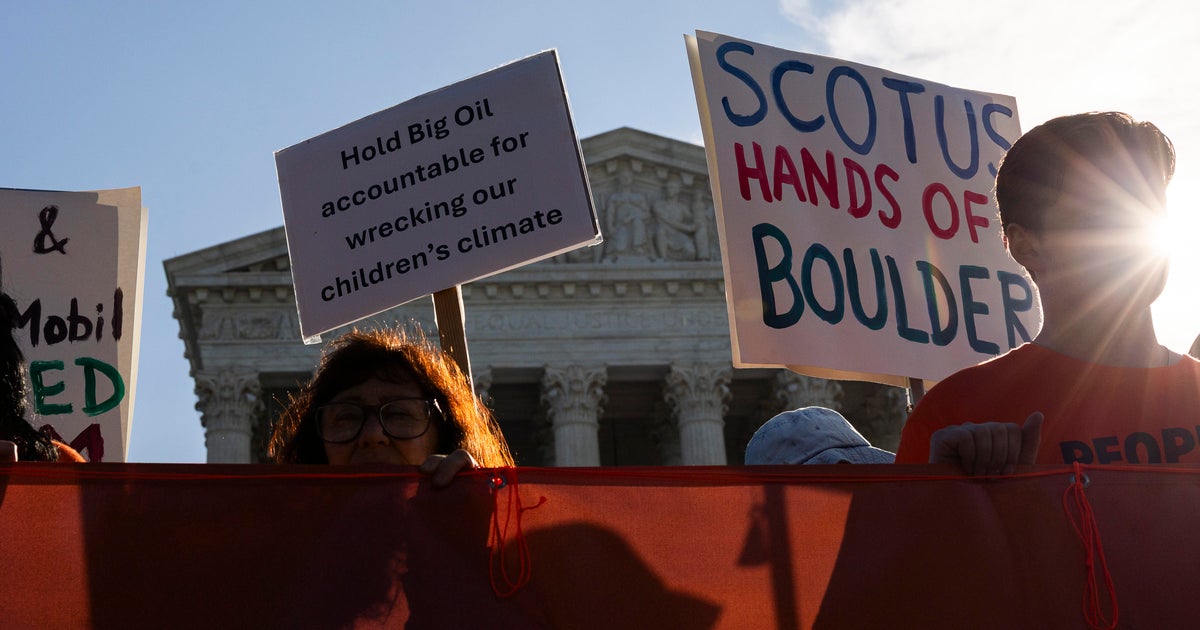
Conservative justices warned of 'chaos' if states can sue oil companies over climate change, while Kagan and Jackson pressed the companies. Justice Alito sat out the case.

A docket loaded with politically charged cases begins with a six-justice conservative majority and the likelihood of more election disputes arriving on the emergency docket.
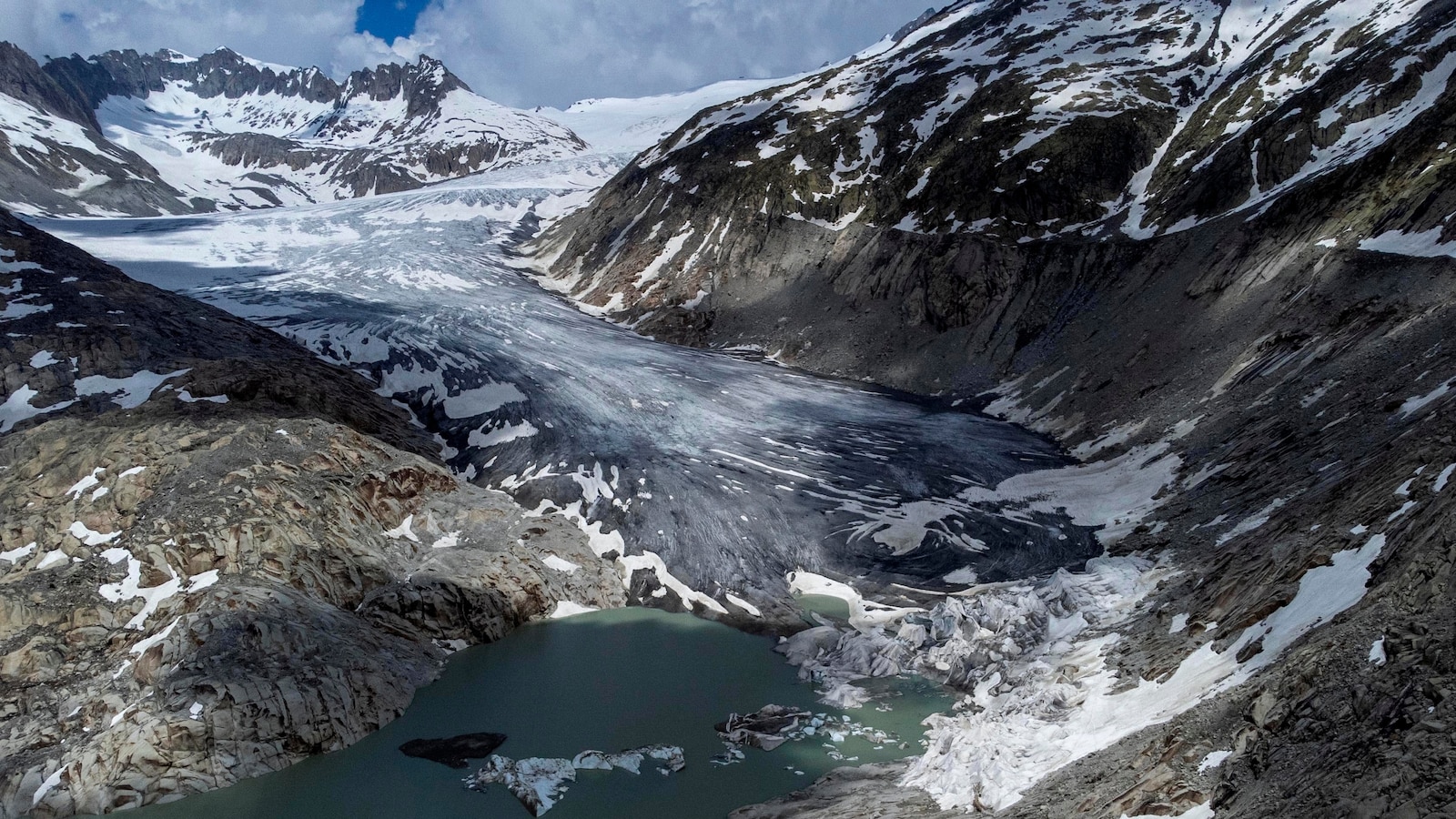
Heat waves and a snow-poor winter stripped 2.2 trillion liters of water from the Alps between July and September. Only 2022 was worse.

A one-line letter Monday said Alito will not take part in the Exxon and Suncor fight with Boulder, Colorado, a week before arguments. He owns stock in two other oil companies.

The first continent-wide map of grounded icebergs, built from Sentinel-1 radar images by a University of Tasmania master's student, finds 80% of them crowded onto 14% of the coastline. The small ones are the ones most likely to melt loose first.
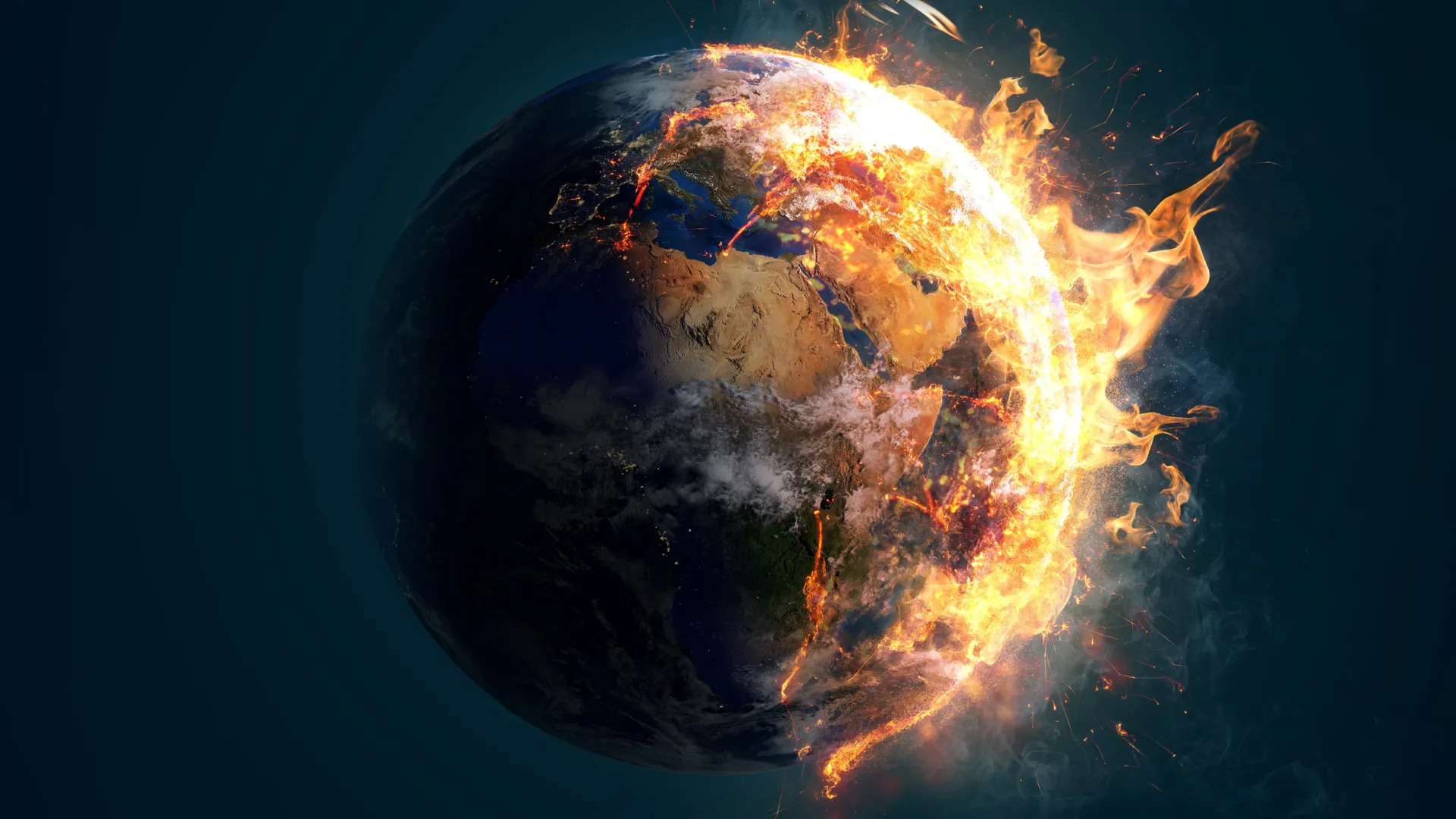
Potsdam researchers stripped El Niño, volcanoes and the solar cycle out of the temperature record and found a break around 2015 that shows up in all five major global datasets.
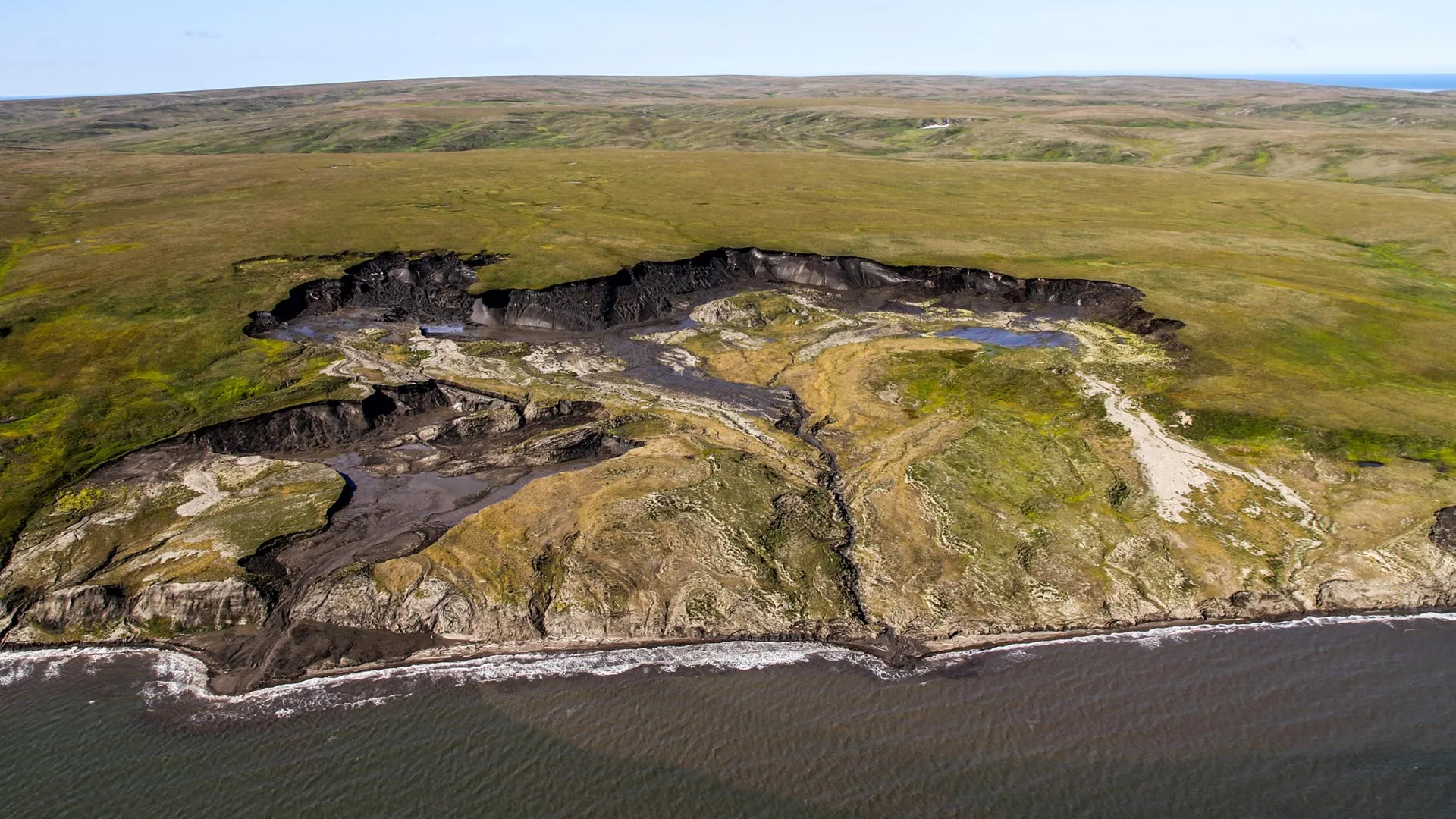
Sediment cores from Canada's Herschel Island show that bacteria largely ignore the old permafrost carbon in favor of fresher algal material — keeping most of it out of the atmosphere.

The National Weather Service has issued more than 30 flash-flood emergencies this month alone, part of a barrage of extreme rainfall events scientists tie directly to a hotter atmosphere.
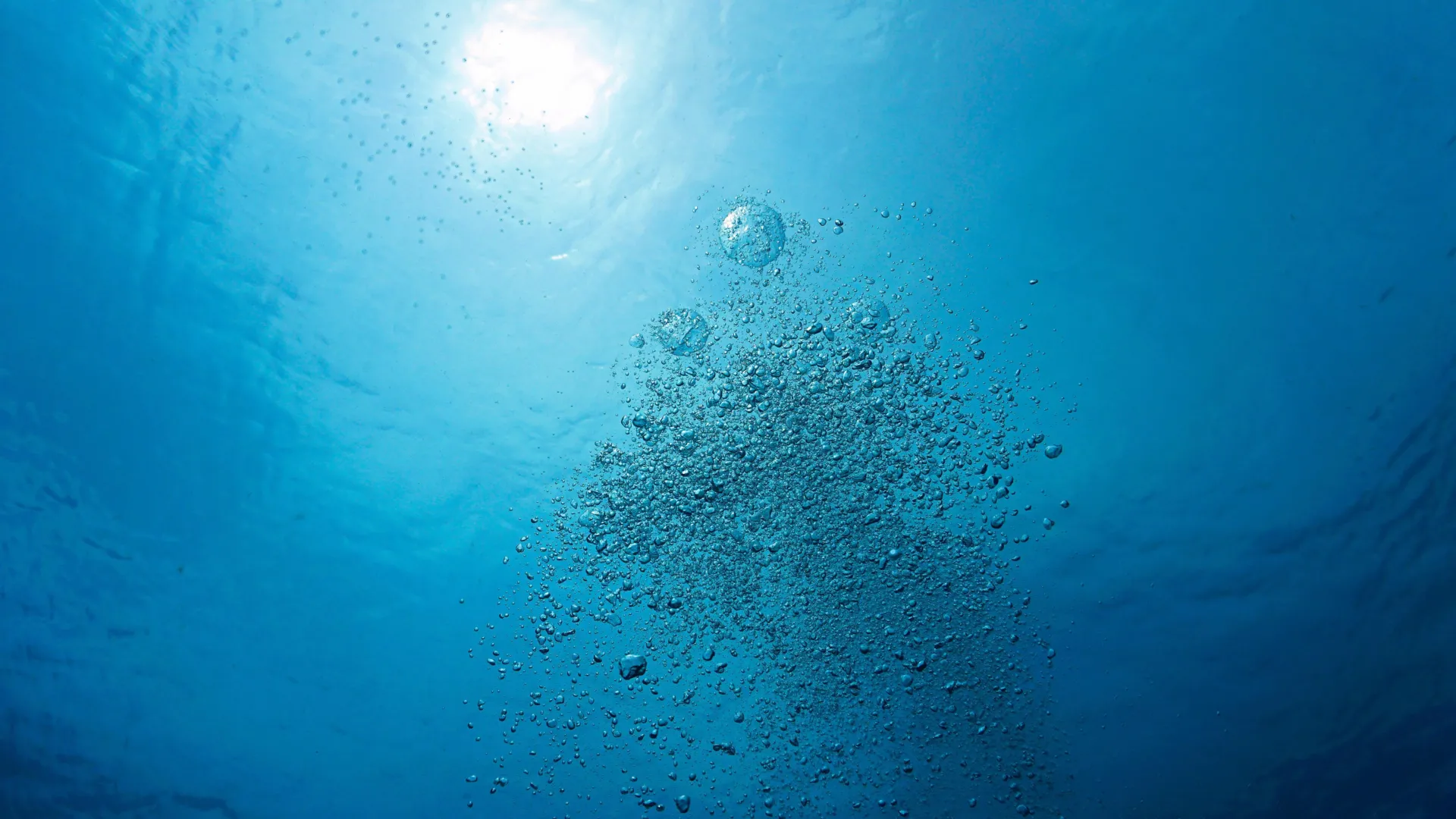
A new study finds waters worldwide are being drained of oxygen by warming and pollution, threatening food webs and the planet's ability to regulate its own climate.
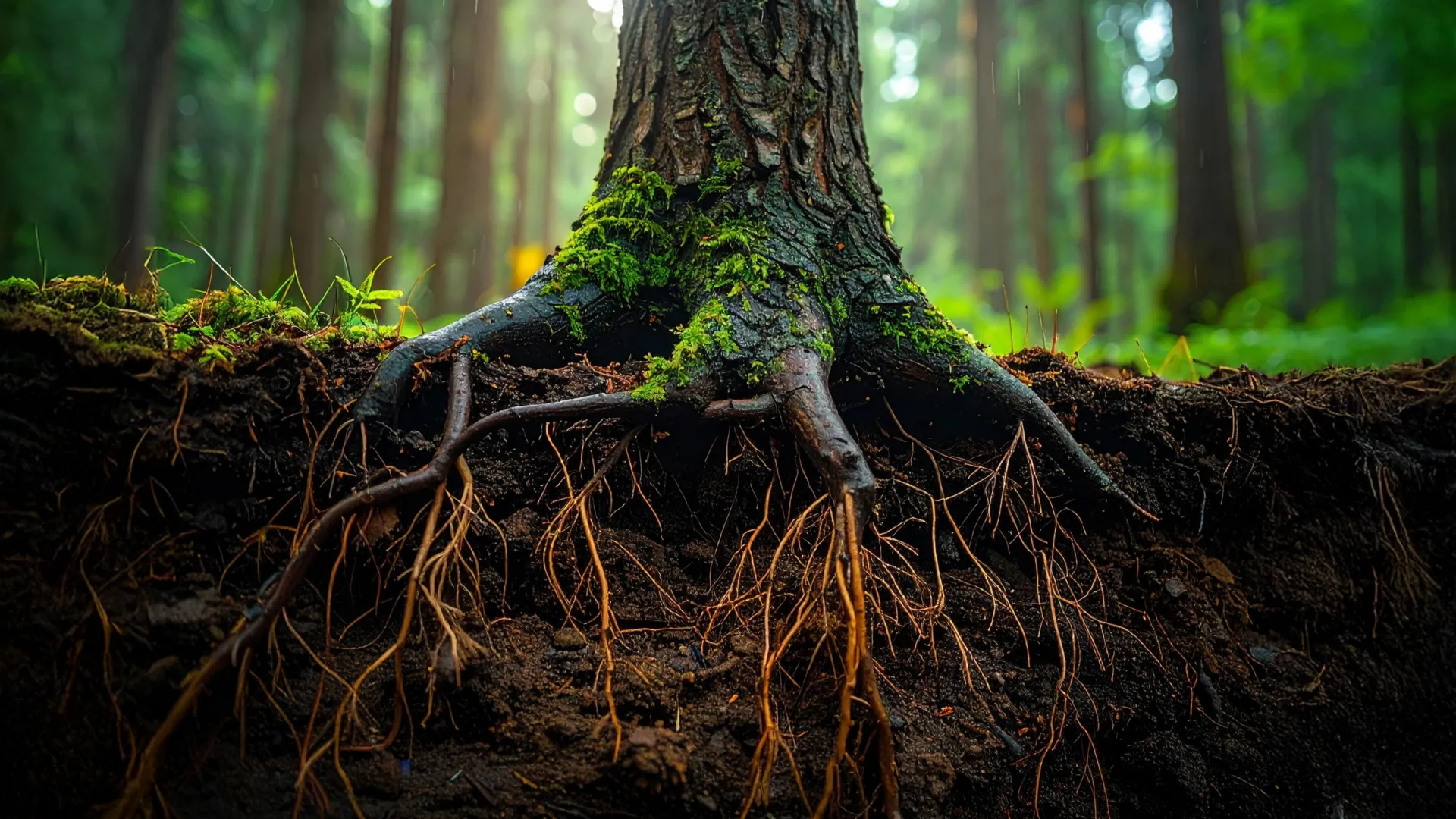
The world's longest-running soil warming study reports that carbon once thought locked away for good is breaking down as temperatures rise — a feedback that could amplify future warming.
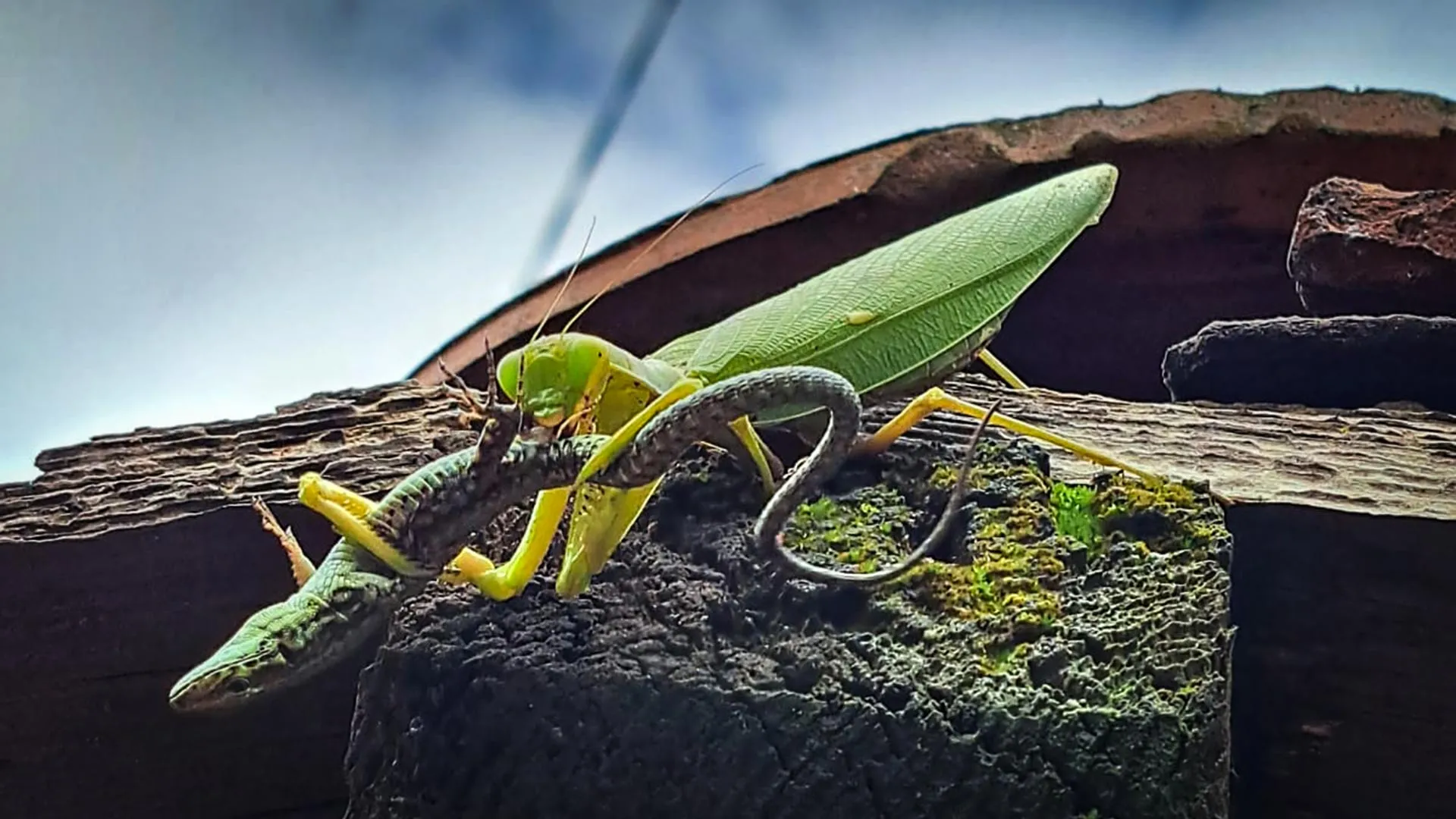
Two fast-breeding mantis species from Asia have been formally declared invasive as they push northward across the continent, preying on pollinators, small vertebrates and even native mantises.
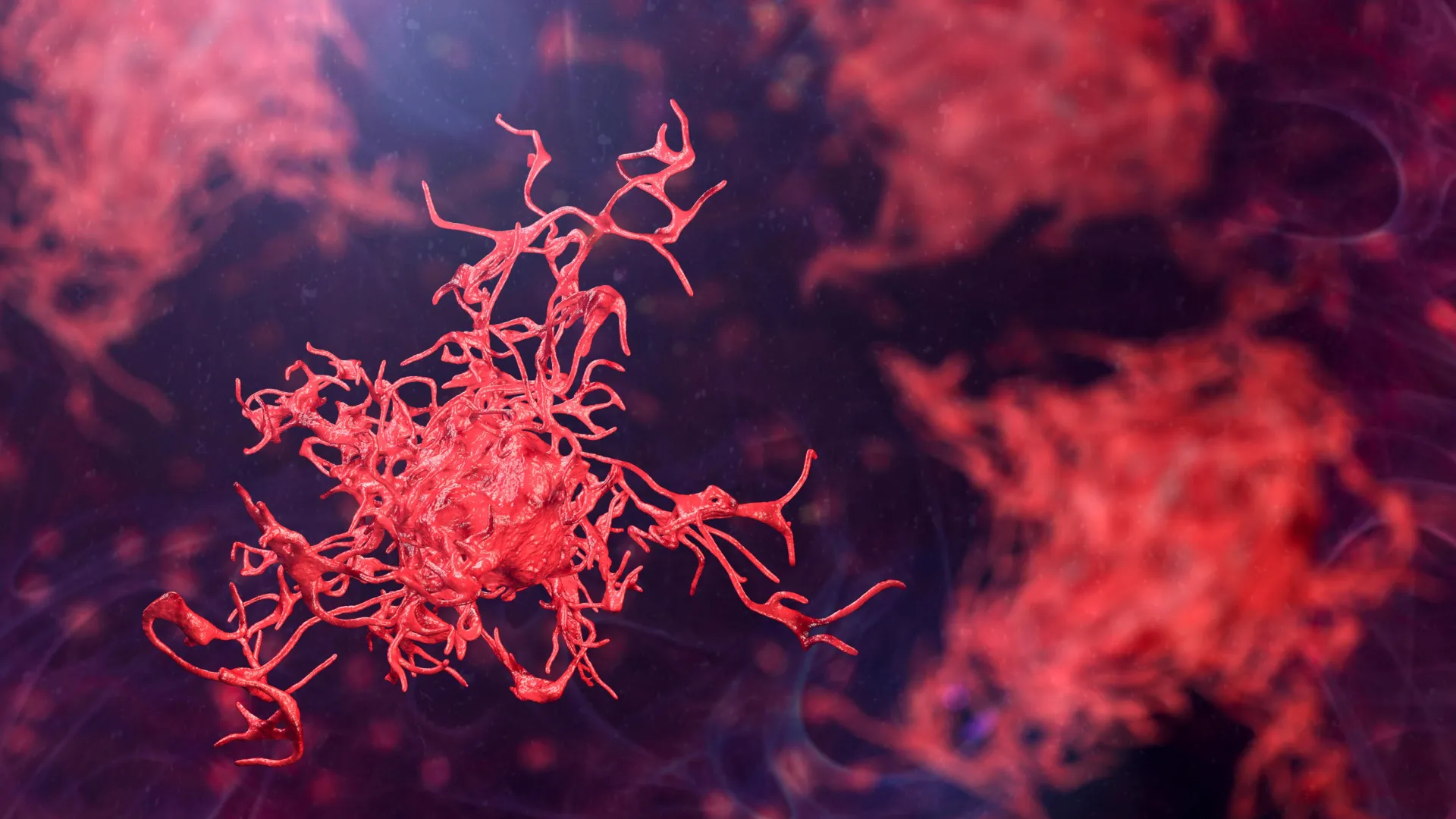
Climate change and aging water systems are helping resilient free-living amoebae expand their reach, researchers warn — and the organisms can shelter other dangerous microbes inside them.
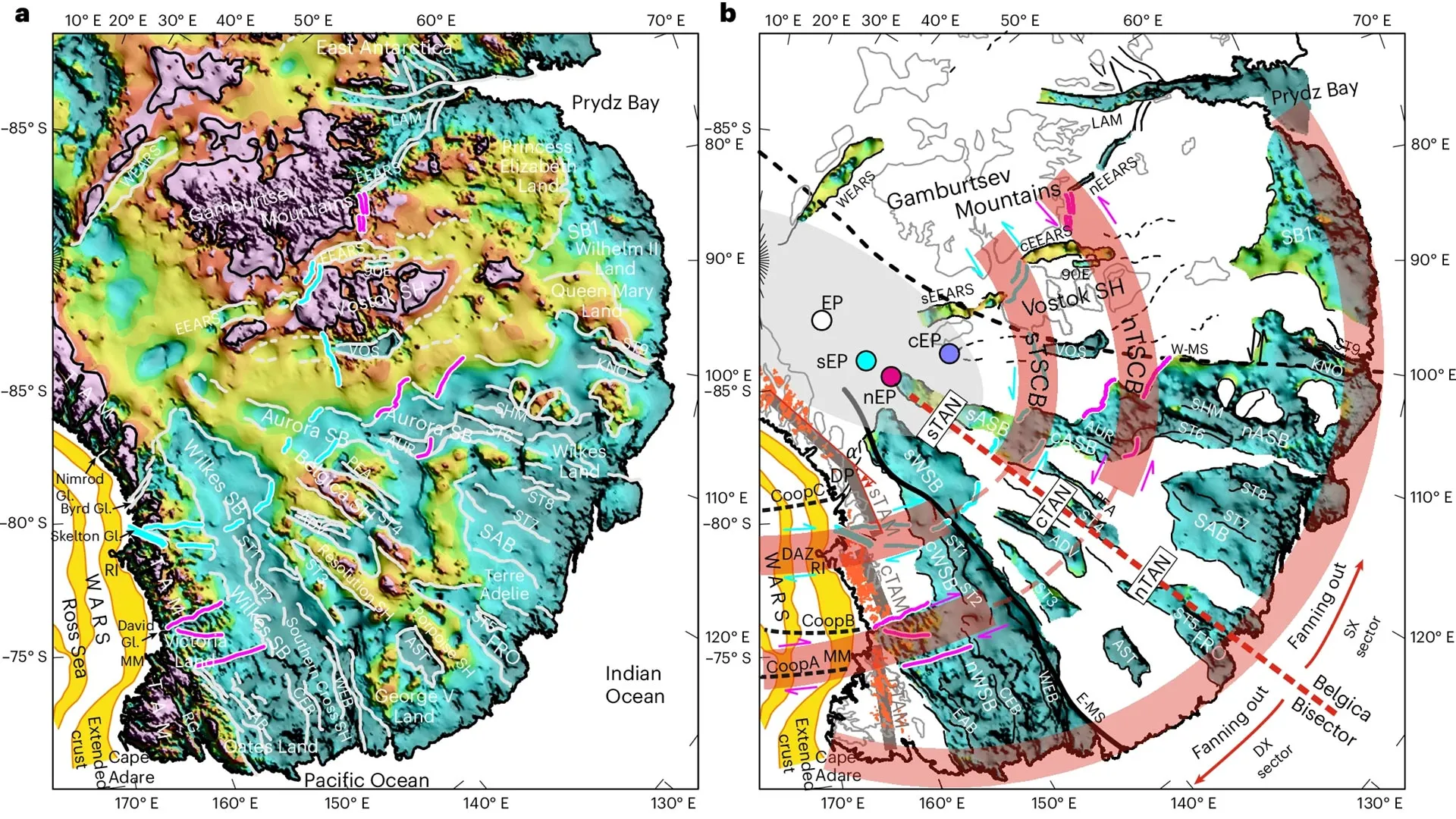
Buried under ice up to three kilometers thick, the newly mapped structure radiates from a single point near the South Pole and may shape how the ice sheet responds to warming.
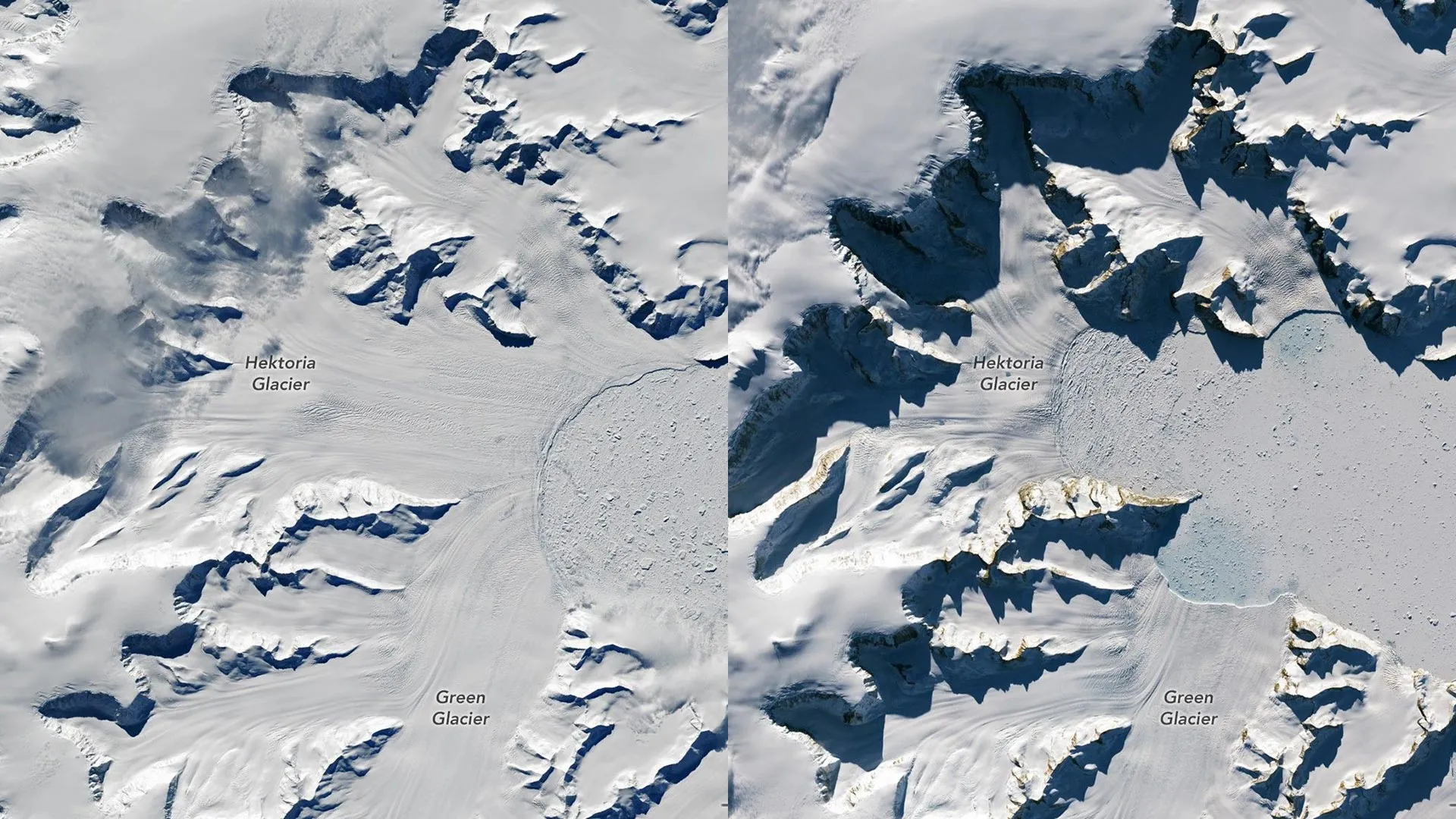
A new study published in The Cryosphere documents a two-month interval during which Hektoria's grounded ice line retreated more than five miles — a melt rate unprecedented since satellite tracking of polar ice began.

Two new studies using real-world ocean data find that earlier climate models underestimated AMOC weakening by 60 percent, raising collapse probability above 50% and threatening catastrophic consequences for Europe, Africa, and the U.S. East Coast.

Research shows how cultural and social innovations have given humans extraordinary power to transform ecosystems, with both positive potential and serious environmental costs.
Researcher argues Anthropocene era demonstrates humanity's capacity for both massive destruction and collective positive change through cultural evolution.

The IUCN upgraded the iconic species from Near Threatened to Endangered on April 9, projecting the population will halve by the 2080s without major emissions reductions.

A landmark new study drawing on 1,600 years of ocean proxy data found AMOC already weaker than at any point in the modern record — and accelerating in its decline.
Research reveals that ozone-depleting chemicals still permitted for industrial use are escaping into the atmosphere at much higher rates than previously thought.

Industrial chemical leaks are occurring at much higher rates than expected, potentially delaying ozone healing until 2047.

Scientists solve long-standing mystery of methane emissions from oxygen-rich ocean waters, revealing process that may intensify as planet warms.
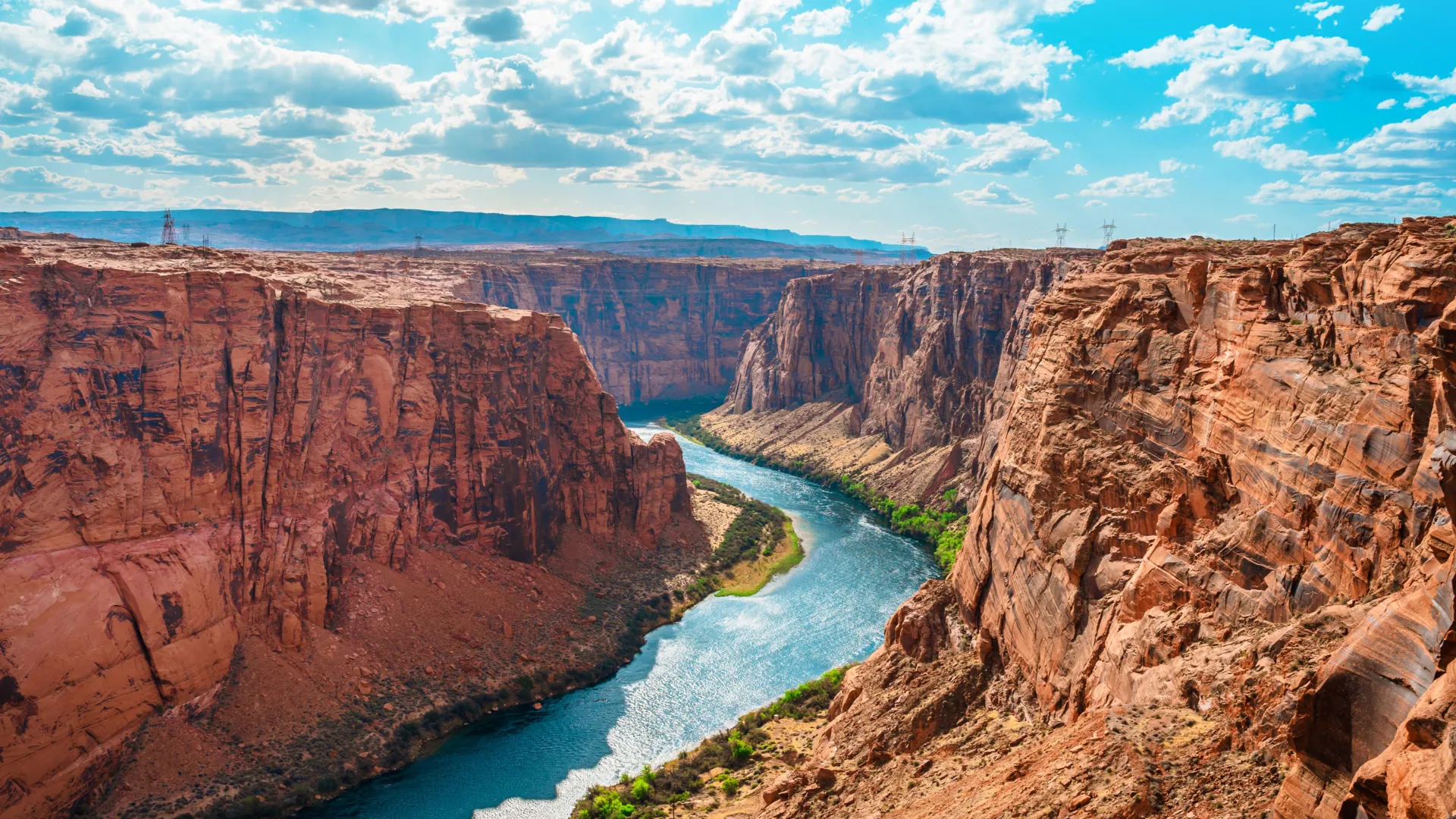
University of Washington researchers identified that warmer, drier springs cause vegetation to absorb nearly 70% of snowmelt before it reaches the river, upending traditional forecasting methods relied upon by seven states.

The IUCN Red List upgraded two iconic Antarctic species simultaneously, with the fur seal population down 57% in 26 years and penguin chicks drowning as ice breaks up prematurely.

Conference near White House draws dozens who reject scientific consensus on climate change, with attendees expressing triumphant mood.

Only 27 states show rising average temperatures, but 41 states are warming in specific parts of their temperature distributions.
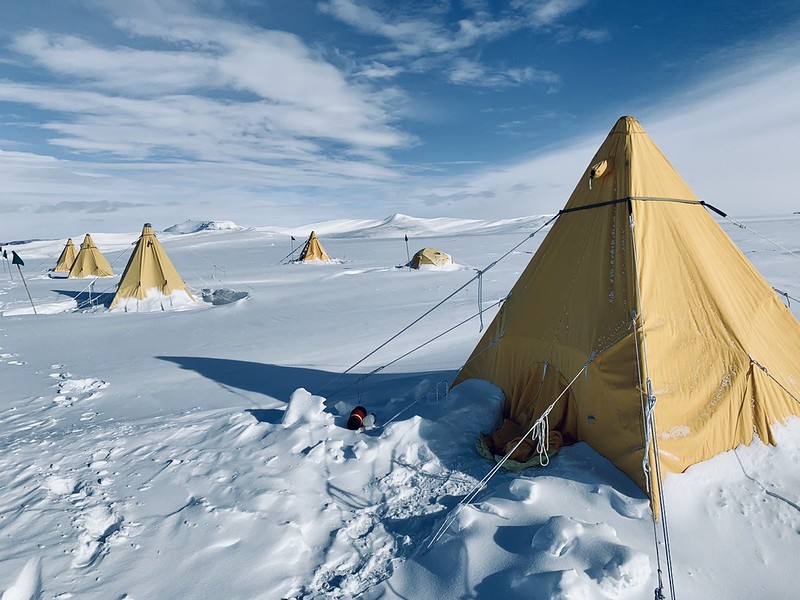
Oregon State University researchers drilling in Antarctica's Allan Hills found that CO2 levels three million years ago were 250 ppm — yet temperatures were far warmer than expected, suggesting standard climate models badly underestimate Earth's sensitivity.
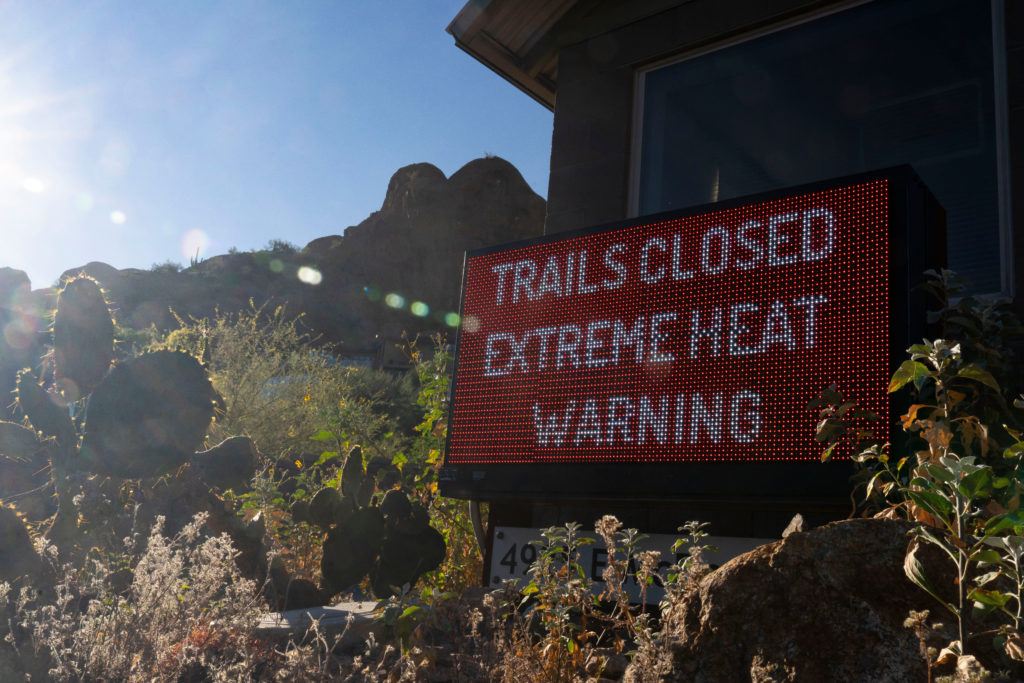
An extreme high-pressure system locked over the Southwest shattered all-time March temperature records and killed at least four people; a rapid attribution study found climate change added up to 7.2°F to the event.