Scientists Finally Solve the Colorado River's 25-Year Missing Water Mystery — and Plants Are the Culprit
University of Washington researchers identified that warmer, drier springs cause vegetation to absorb nearly 70% of snowmelt before it reaches the river, upending traditional forecasting methods relied upon by seven states.
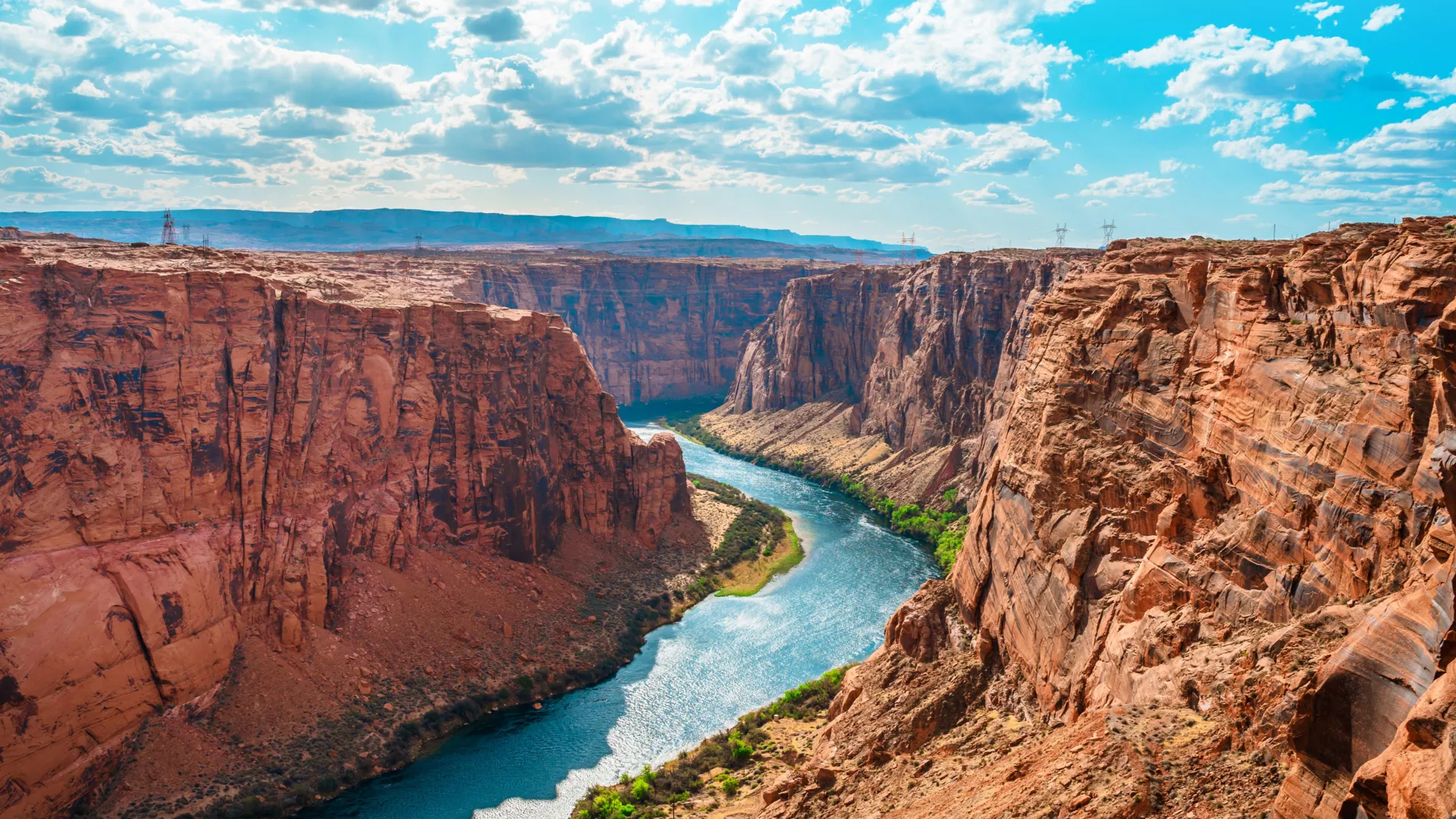
Scientists have resolved a 25-year mystery that has baffled water managers across the American Southwest: the Colorado River has been delivering far less water than snowpack measurements predict, and the culprit turns out not to be the snow itself — but the absence of spring rain. The finding, published in Geophysical Research Letters by doctoral student Daniel Hogan and Professor Jessica Lundquist at the University of Washington, could fundamentally reshape how water authorities across seven states plan for drought.
The study shows that drier, warmer spring conditions since the late 1990s are causing vegetation across the Colorado River Basin to intercept and consume an enormous fraction of the snowpack before it can melt into rivers. This mechanism — driven by plant transpiration supercharged by sunny, rainless springs — accounts for approximately 70 percent of the gap between forecasted and actual river flows since 2000.
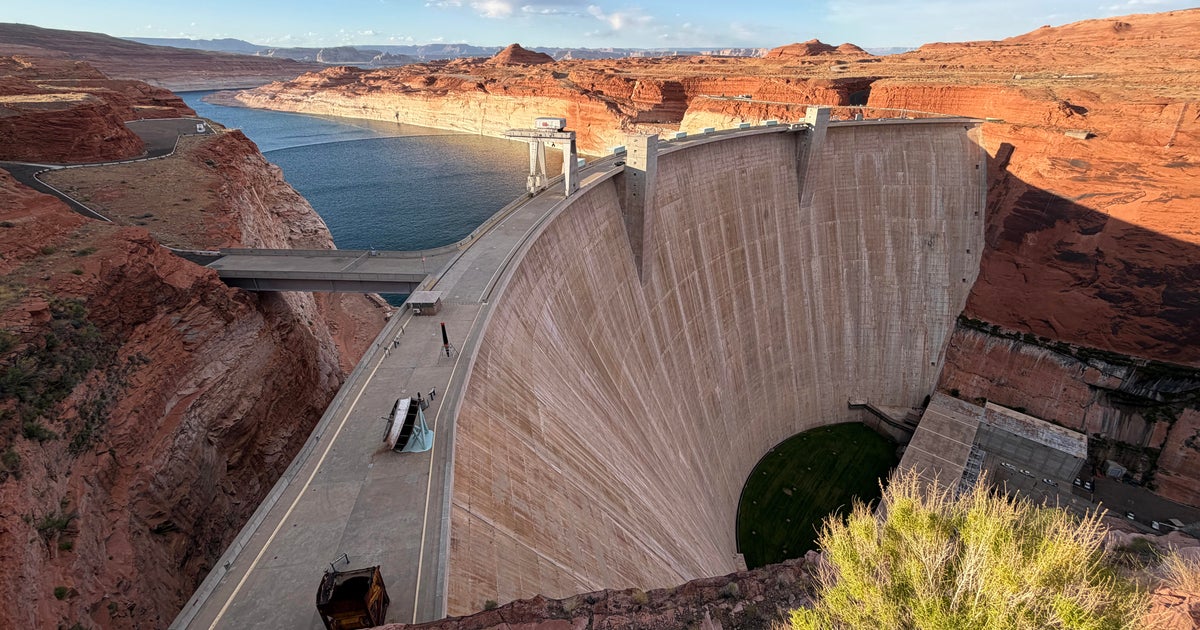
The finding fundamentally challenges the foundation of water management in the West. For decades, water authorities in the seven states that share the Colorado — Wyoming, Colorado, Utah, New Mexico, Nevada, Arizona, and California — have relied primarily on April snowpack measurements to project annual water availability. The assumption was simple: more snow in April means more water in the river come summer. But that relationship has been quietly breaking down. Lake Powell, the river's primary upstream reservoir, fell to 24 percent of capacity this spring. Lake Mead, the nation's largest reservoir, stood at 33 percent full. The Colorado River Compact of 1922 allocates more water than the river reliably delivers even in normal years; in drought years, the gap becomes potentially catastrophic for agriculture and municipal water supplies.
The mechanism Hogan and Lundquist identified operates through a cascade of climate-driven changes. When spring precipitation is low, soils remain dry going into the melt season. Dry soils are hungry for moisture, so rather than running off into streams, snowmelt is immediately absorbed by plant roots. Clear spring skies — characteristic of dry springs — intensify sunlight, accelerating plant growth and dramatically increasing evapotranspiration: the combined process by which plants draw water from the soil and release it into the atmosphere through their leaves. Lead researcher Hogan described plants as acting like giant straws, all drawing on the snowpack when spring rains fail. Lower-elevation basins show the largest declines because snow melts earlier there, in April and May when plant activity is at its peak.
The implications for water forecasting are profound. Traditional models focused narrowly on the volume of snowpack in high-elevation mountains are increasingly blind to the variable that matters most at the basin's edges: what the weather is doing in spring at lower elevations. A winter with record snowfall can produce a disappointing river year if March and April turn hot and dry — exactly the pattern the Southwest has experienced with increasing frequency under climate change. The researchers call for a fundamental overhaul of forecasting models to incorporate spring precipitation data, soil moisture tracking, vegetation growth indices, and temperature forecasts alongside traditional snowpack measurements.
The study comes as water managers across the basin face some of their most difficult allocation decisions in a generation. Colorado cities including Denver and Aurora declared their earliest-ever water restrictions this spring after snowpack fell to historic lows. Tribal nations and agricultural users downstream face potentially binding reductions under the Drought Contingency Plan. The seven-state negotiation over new guidelines for managing the river — set to replace the current 2007 operating rules — has ground toward impasse over precisely these gaps in forecasting reliability.
Hogan and Lundquist's work was funded by the National Science Foundation, the Sublimation of Snow Project, and the Department of Energy's Environmental System Science Division. The researchers note that sublimation — the conversion of snow directly to vapor without melting — accounts for roughly 10 percent of the missing water, and that additional factors remain incompletely understood. But the identification of spring rain deficit as the dominant driver shifts the conversation in a region where water is existential. We don't just need to count snowflakes, Hogan said. We need to understand the entire spring water cycle from mountain to basin.