Curiosity Rover Discovers Mysterious Organic Molecules on Mars
The variety of compounds includes DNA-like building blocks preserved in 3.5-billion-year-old rocks, suggesting Mars was once more biologically promising.
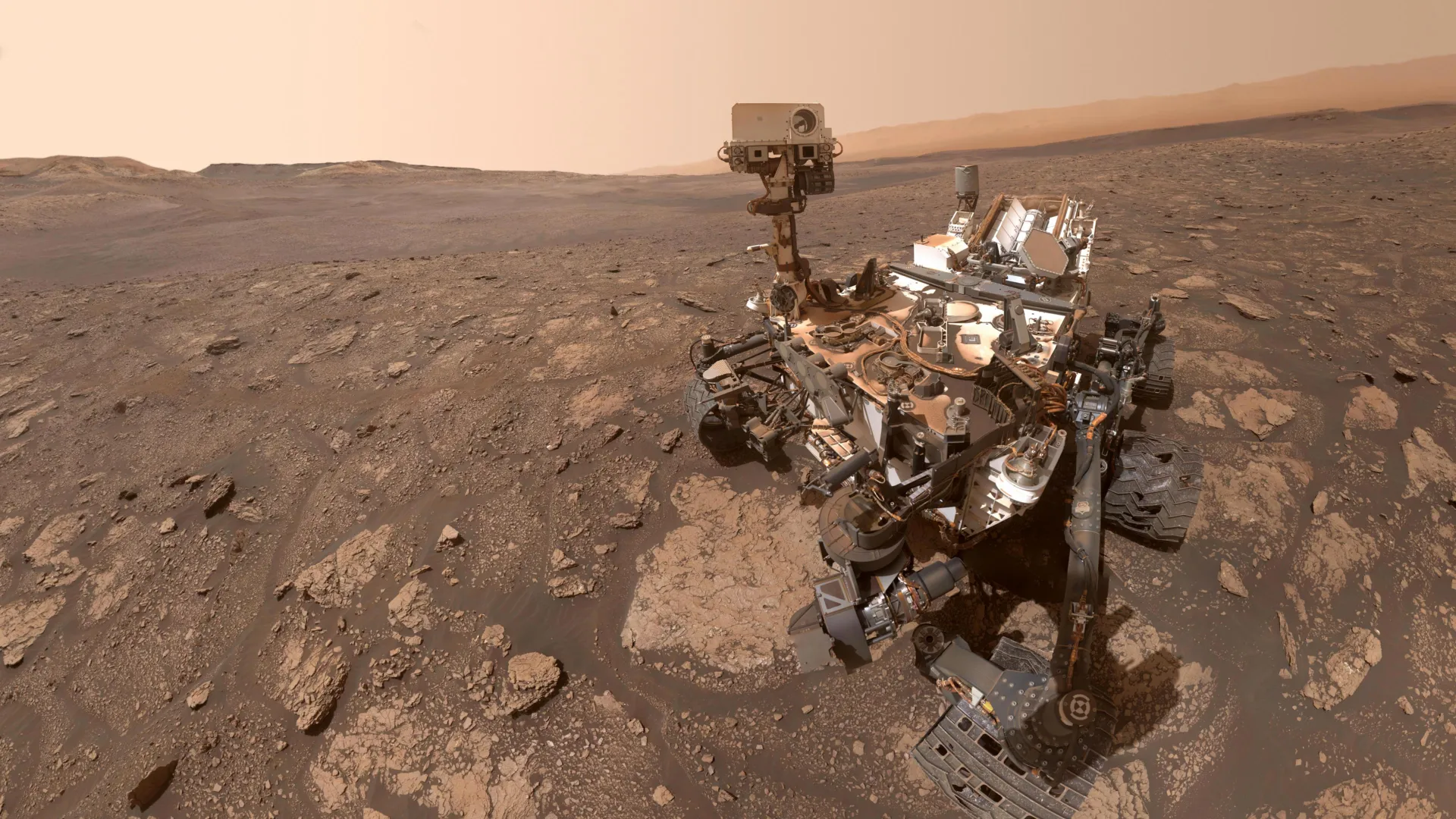
NASA's Curiosity rover has identified a surprising variety of organic molecules on Mars, including compounds closely tied to the chemistry of life on Earth. The discovery represents the first successful chemical experiment of its kind conducted on another planet, revealing that the Martian surface can preserve molecules that could serve as potential signs of ancient life.
The research, led by Dr. Amy Williams, a geological sciences professor at the University of Florida, identified more than 20 different chemicals in Martian rock samples. Among the most significant discoveries was a nitrogen-containing molecule with a structure similar to compounds involved in building DNA—something never before detected on Mars. The rover also found benzothiophene, a large sulfur-containing molecule with two connected rings commonly delivered to planets by meteorites.
"We think we're looking at organic matter that's been preserved on Mars for 3.5 billion years," Williams explained. "It's really useful to have evidence that ancient organic matter is preserved, because that is a way to assess the habitability of an environment." The findings suggest that Mars may have once possessed conditions far more favorable to life than previously understood.
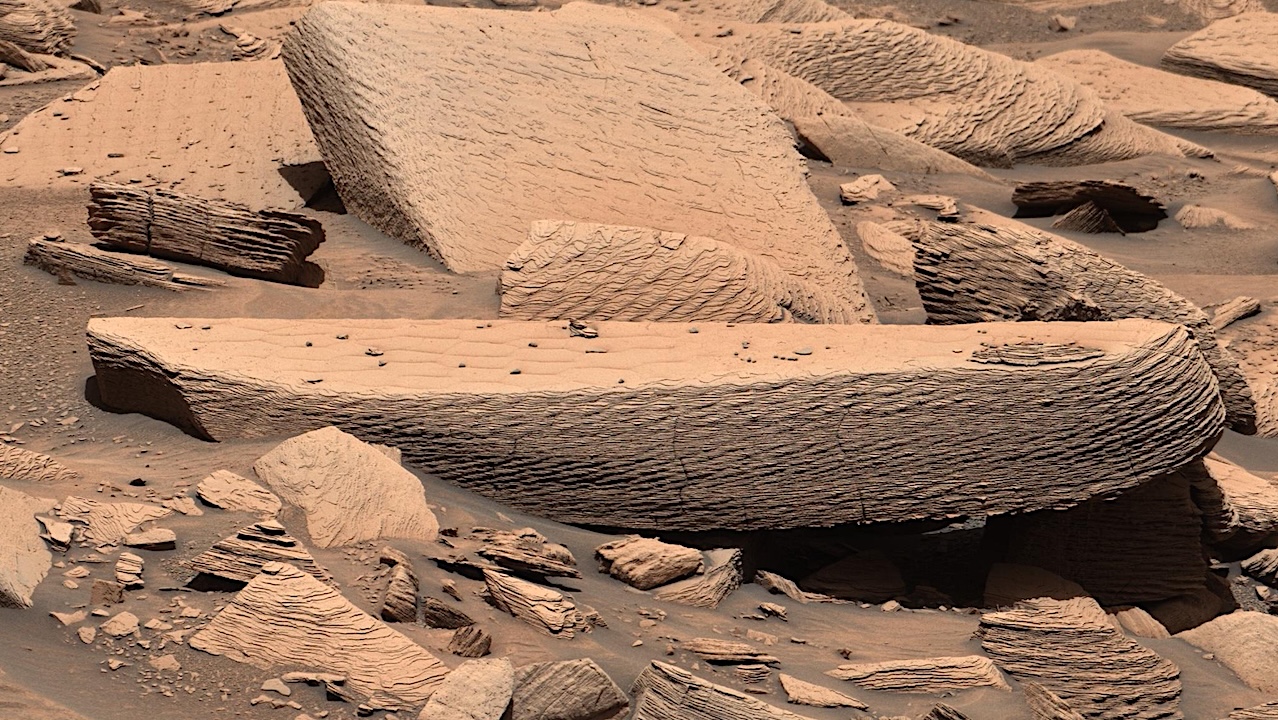
The experiment took place in 2020 in Gale crater's Glen Torridon region, an area rich in clay minerals that formed in the presence of water. These clays are particularly effective at trapping and preserving organic material, making them ideal locations for this type of investigation. The analysis was carried out using Curiosity's Sample Analysis at Mars (SAM) instrument suite, which has been operating on the planet since 2012.
While the discovery cannot determine whether these organic compounds came from past life, natural geological processes, or meteorite impacts, it provides crucial evidence that Mars was capable of preserving biological signatures. Williams noted that "the same stuff that rained down on Mars from meteorites is what rained down on Earth, and it probably provided the building blocks for life as we know it on our planet." To confirm any true evidence of past life, scientists would need to bring Martian rock samples back to Earth for detailed laboratory analysis.