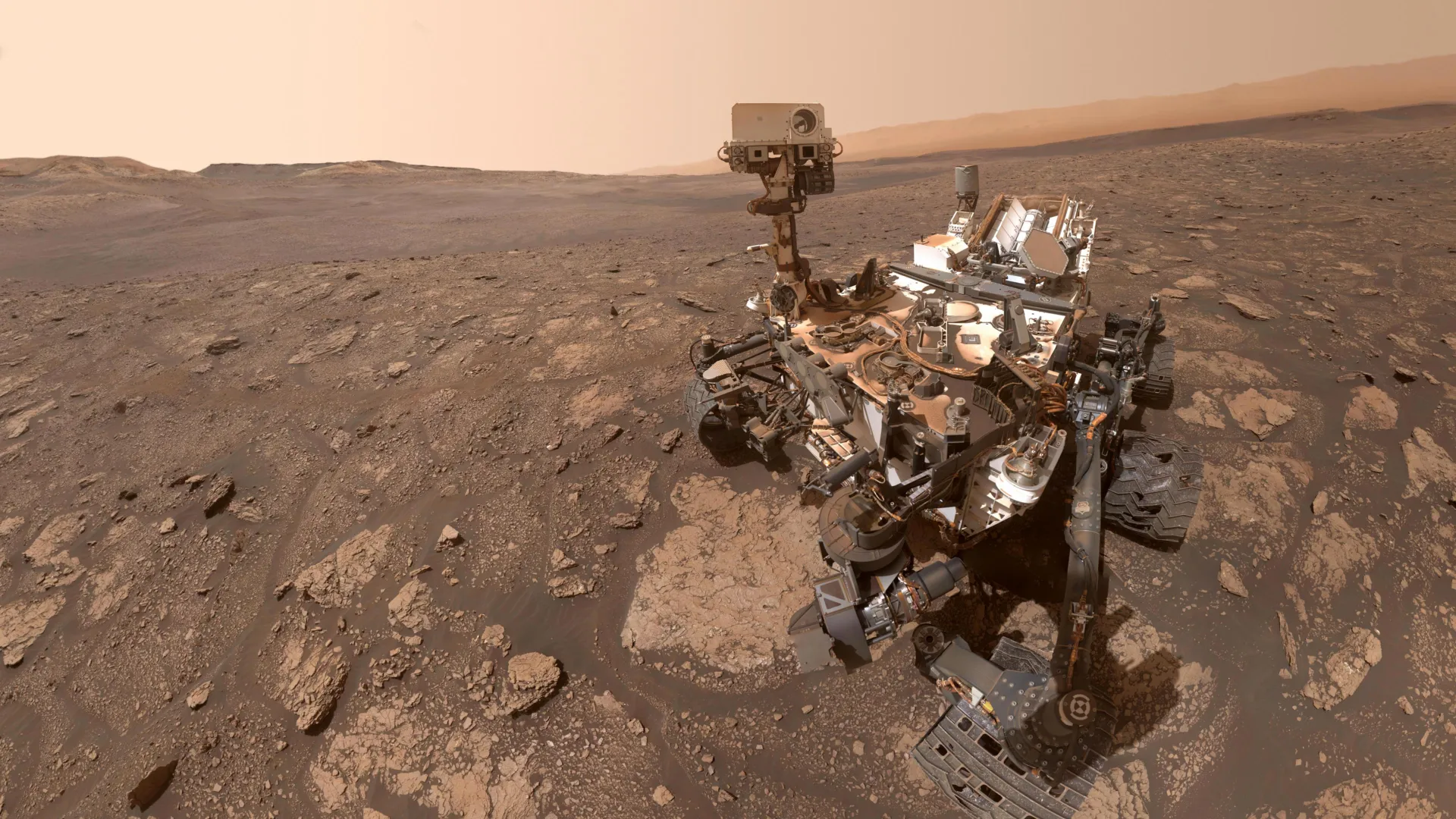
NASA's Curiosity Rover Discovers First Evidence of a Violent Ancient Martian Sandstorm
Unique sedimentary formations in Gale Crater, 3.6 billion years old, suggest Mars once had a denser atmosphere capable of generating intense storm events lasting only minutes.

Scientists have discovered the first direct geological evidence of an intense ancient sandstorm that swept through Mars' Gale Crater approximately 3.6 billion years ago, offering a vivid window into a Martian atmosphere far thicker and more dynamic than the thin, frigid air that blankets the planet today.
The discovery, published in the journal Geology, was made by a team from Imperial College London and the University of Tennessee analyzing data from NASA's Curiosity rover. The researchers identified unique sedimentary structures called "supercritical climbing wind ripples" — millimeter-thin layered formations that can only form under very specific and extreme wind conditions, specifically when massive volumes of loose sand are moved by sustained, powerful gusts over a short but violent period.
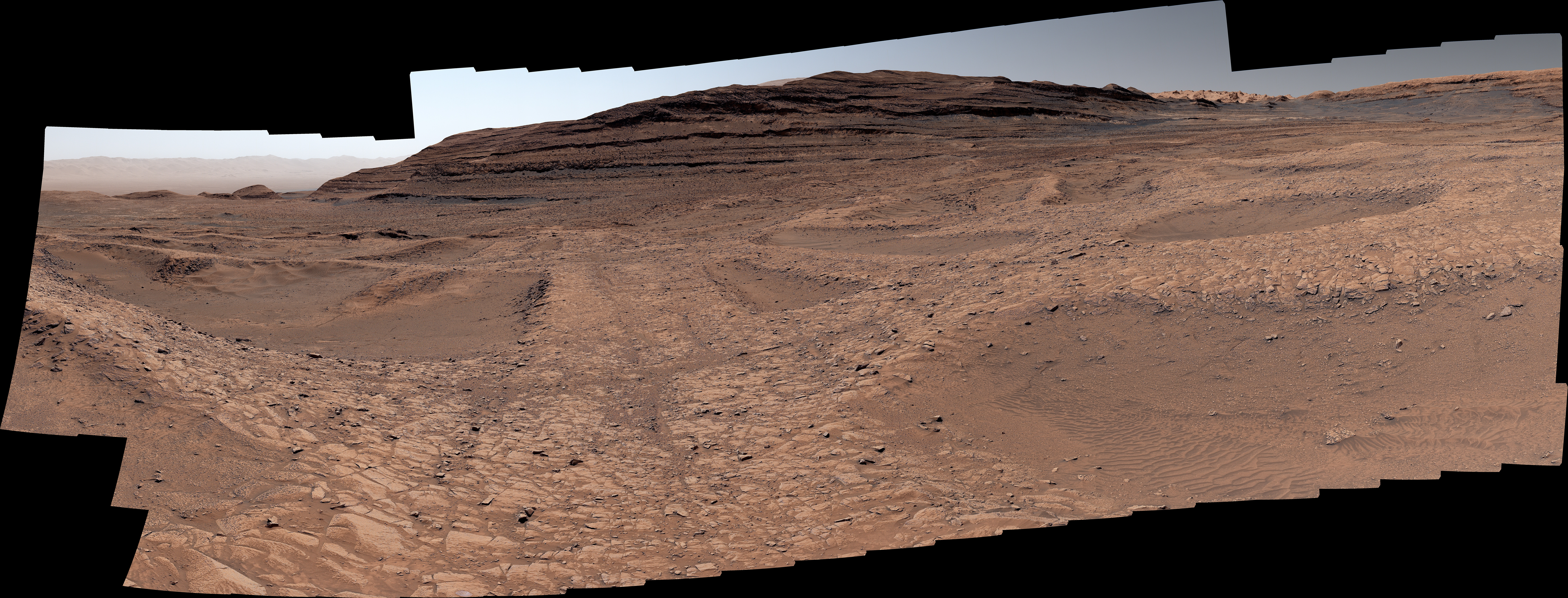
What makes the find particularly striking is how it was made. Lead researcher Steven Banham, a planetary geologist at Imperial College London, described the discovery as entirely unexpected. "This was very serendipitous," Banham said. "We weren't really looking for these deposits, and then lo and behold, we drove around the corner and found them." Higher-resolution imaging from Curiosity's MASTCAM camera then confirmed what the team had stumbled upon during routine panoramic monitoring.
The sedimentary structures document a storm that lasted only minutes to hours — not the gradual seasonal drift that typical desert formations record over thousands of years. That extreme brevity, combined with the sheer volume of sand the structures imply was moved, indicates the ancient Martian storm was a genuinely violent event, comparable in intensity to the most powerful dust storms observed anywhere in the solar system.
The scientific implications extend beyond the storm itself. The existence of these ripple formations requires atmospheric conditions significantly denser than those found on modern Mars, where the atmosphere is approximately 1% as thick as Earth's. Banham noted that the ripples "indicate that the atmosphere was denser at the time than it is now, to form these structures," pointing to conditions 3.5 billion years ago that may have been substantially closer to Earth-like. That denser atmosphere would have been capable of generating the kind of sustained, powerful wind events necessary to produce the formations Curiosity discovered.
This finding aligns with a growing body of evidence suggesting early Mars was warmer, wetter, and more geologically active than the cold, barren world it is today. Previous discoveries have documented ancient river valleys, lake beds in Gale Crater, and minerals that form only in the presence of liquid water. The sandstorm evidence adds a meteorological dimension to that picture — an atmosphere violent enough to produce intense storms capable of moving massive volumes of material across the surface in short, explosive bursts.
Banham noted that while the discovery doesn't directly address the question of ancient Martian life, "it does help paint a rich picture of the ancient surface environment." Scientists hope to find rain impact marks next — micro-craters left in sedimentary rock by individual raindrops — which would provide direct proof of precipitation on ancient Mars. Such a finding, Banham said, would be "magic." For now, the ancient sandstorm represents another compelling piece of a growing puzzle about what the Martian past was really like — and whether conditions capable of supporting life once prevailed there.