NASA's Curiosity Rover Discovers Mysterious Organic Molecules Linked to Life on Mars
The rover detected compounds resembling DNA building blocks in 3.5-billion-year-old rocks, suggesting Mars may have once been far more biologically promising than previously thought.
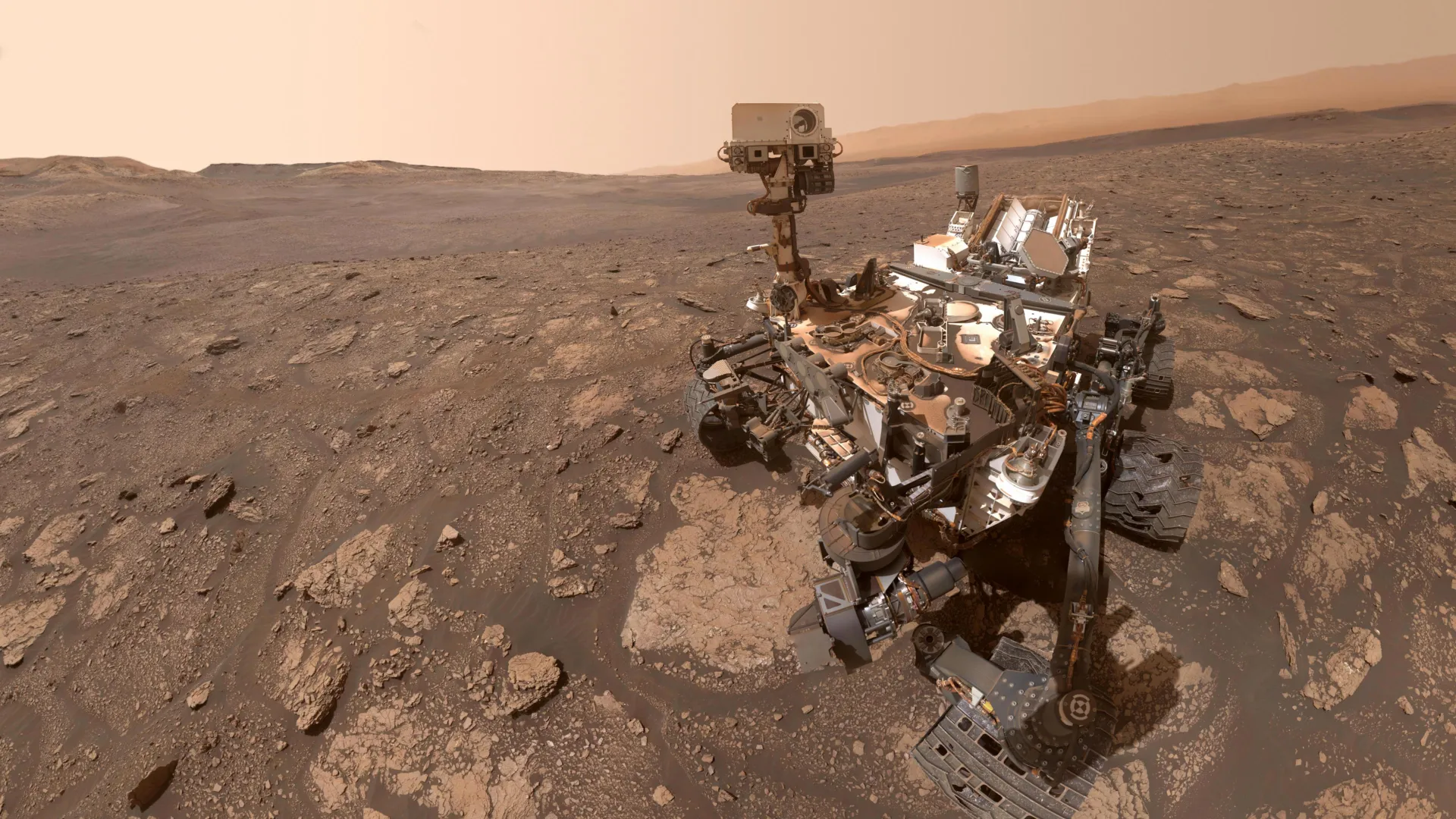
NASA's Curiosity rover has identified an unprecedented variety of organic molecules on Mars, including compounds that scientists consider fundamental building blocks for life as we know it on Earth. The discovery represents the first time such a comprehensive chemical analysis has been conducted on another planet, revealing that the Martian surface can preserve complex organic compounds for billions of years in conditions that might have once supported life.
The breakthrough research, led by Dr. Amy Williams from the University of Florida and published in Nature Communications, used the rover's Sample Analysis at Mars (SAM) instrument suite to examine clay-rich rocks in Gale Crater's Glen Torridon region. The analysis identified more than 20 different organic chemicals, including a nitrogen-containing molecule structurally similar to compounds involved in DNA construction—something never before detected on Mars.
Among the most significant discoveries was benzothiophene, a large sulfur-containing molecule with two connected rings commonly delivered to planets through meteorite impacts. Williams noted that the same organic compounds that rained down on Mars from space also fell on Earth, potentially providing the chemical foundation for life on our planet. This finding suggests that both worlds received similar organic materials during their early formation periods.
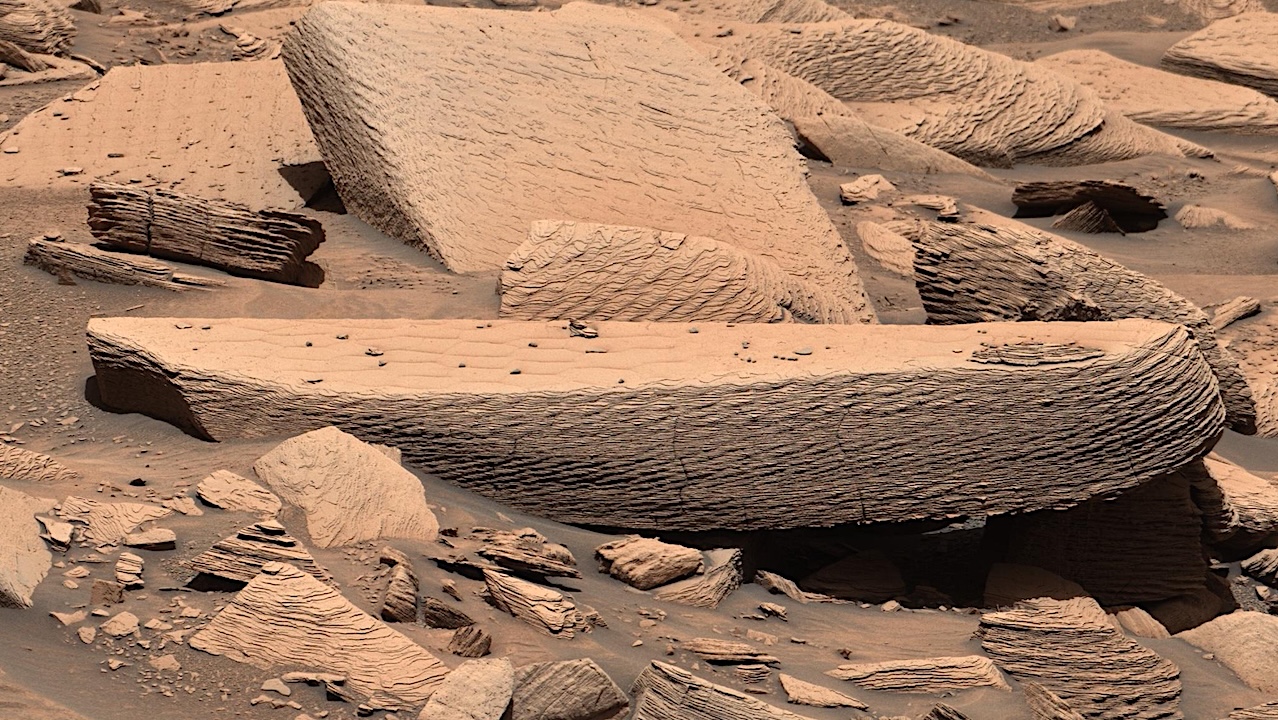
The experiment took place in Gale Crater, which was once a lake bed, specifically in areas rich with clay minerals that formed in the presence of ancient water. These clay formations are particularly effective at trapping and preserving organic material, making them ideal locations for searching for signs of past habitability. The 3.5-billion-year-old rocks examined by Curiosity represent conditions that existed when Mars had a thicker atmosphere and liquid water on its surface.
While the discovery cannot definitively prove that life once existed on Mars, it demonstrates that the planet was capable of preserving the chemical building blocks necessary for life over geological timescales. The findings strengthen the scientific case for Mars sample return missions and provide crucial guidance for future exploration efforts aimed at detecting direct evidence of past or present life on the Red Planet.