Cambridge Simulations Find Comets Rarely Delivered Life's Ingredients to Early Earth
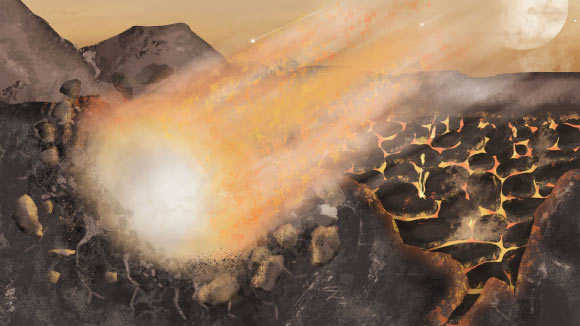
A study of 100,000 simulated impacts suggests the fragile chemistry in comets usually did not survive arrival, challenging a popular theory of life's origin.
Topic
22 stories from Planck Standard. Latest: November 11, 2026.

A study of 100,000 simulated impacts suggests the fragile chemistry in comets usually did not survive arrival, challenging a popular theory of life's origin.

A University of Washington model reproduces 19 planetary properties without biology, giving astronomers a baseline for judging alien atmospheres.

A nanogap electrical sensor plus AI distinguished L- and D-forms with over 80% accuracy and worked on Murchison meteorite and Atacama soil extracts.

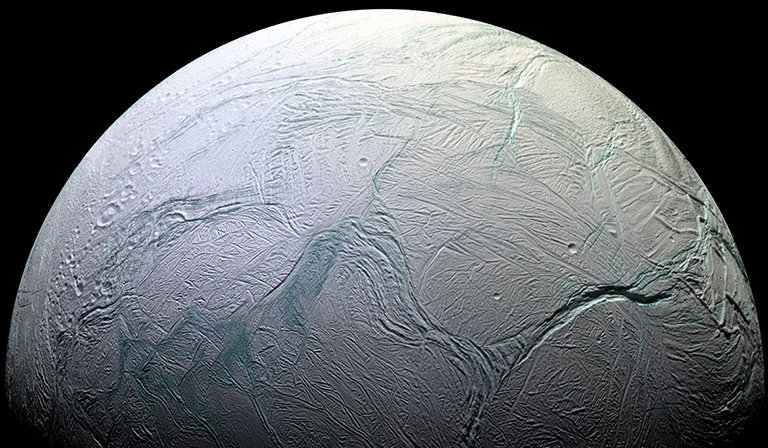
Cassini data show plume droplets freeze slowly and shatter, concentrating salts and organics into separate ice grains, and a second study found a methane-making microbe thriving in simulated Enceladus seawater.

The Moon has no air, no water and no plate tectonics, so a micron-sized grain of alien ceramic or graphene could survive there for a billion years. A trillion grains per cubic meter means the search would have to be run by AI.

A 1.4-mile core through the roots of an ancient mountain range holds a chemical logbook of life switching on and off underground.

Gypsum shaped like cabbage leaves and Christmas trees does not form from frost or vapor. It needs pooled brine — on a planet most models say froze solid three billion years ago.
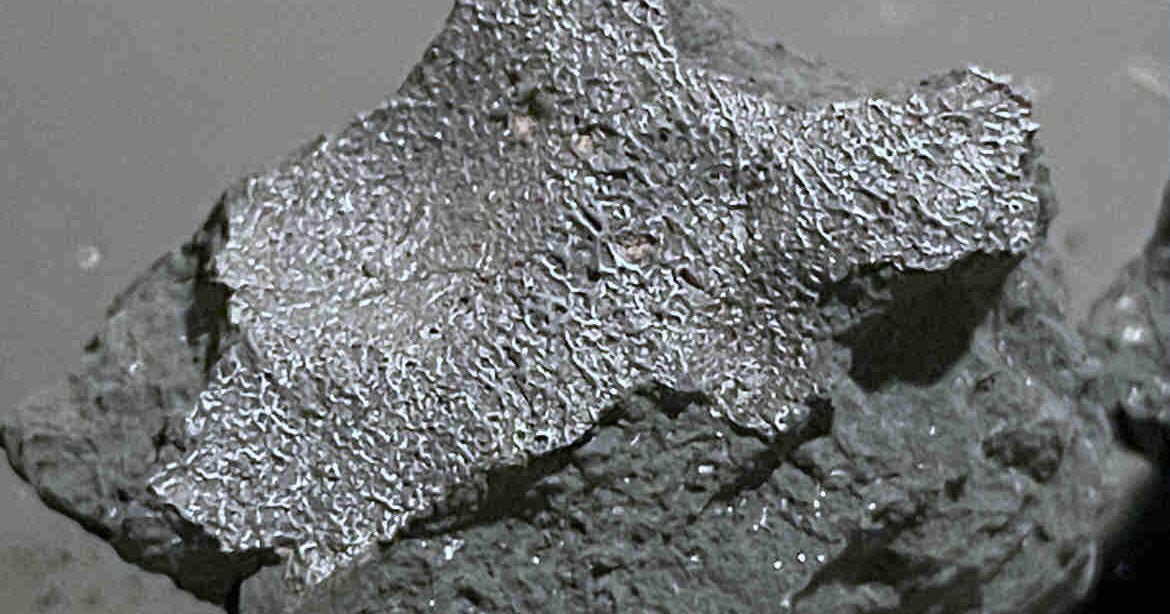
A homeowner sealed the fragments in glass jars with gloves and foil. That one decision preserved amino acids, phosphates and evidence of liquid water on the parent asteroid.

Rutgers simulations found that water rising from Europa's ocean turns turbulent, dumps its heat and freezes its own escape route closed — before it can ever reach the shallow pockets spacecraft are designed to find.

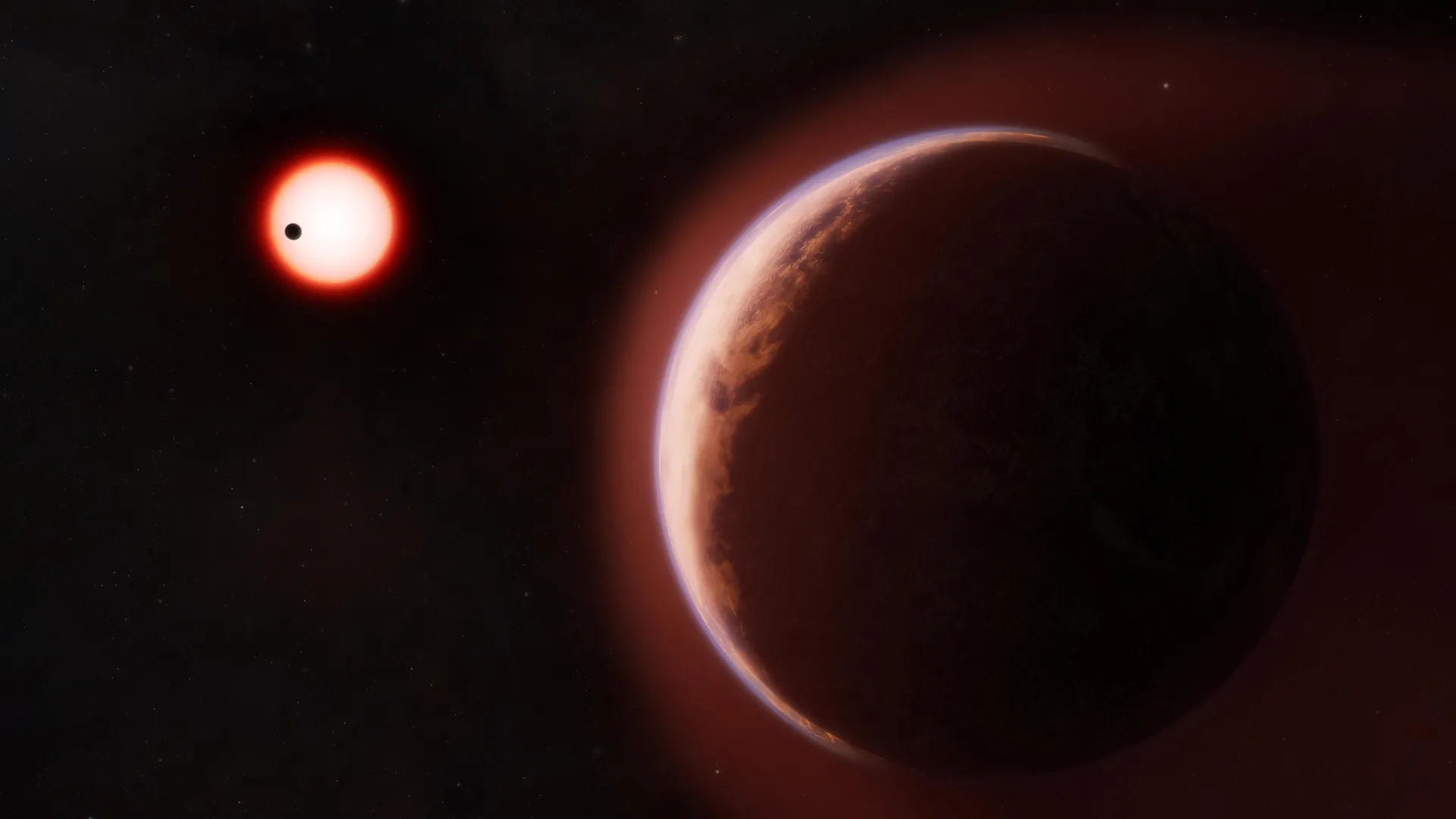
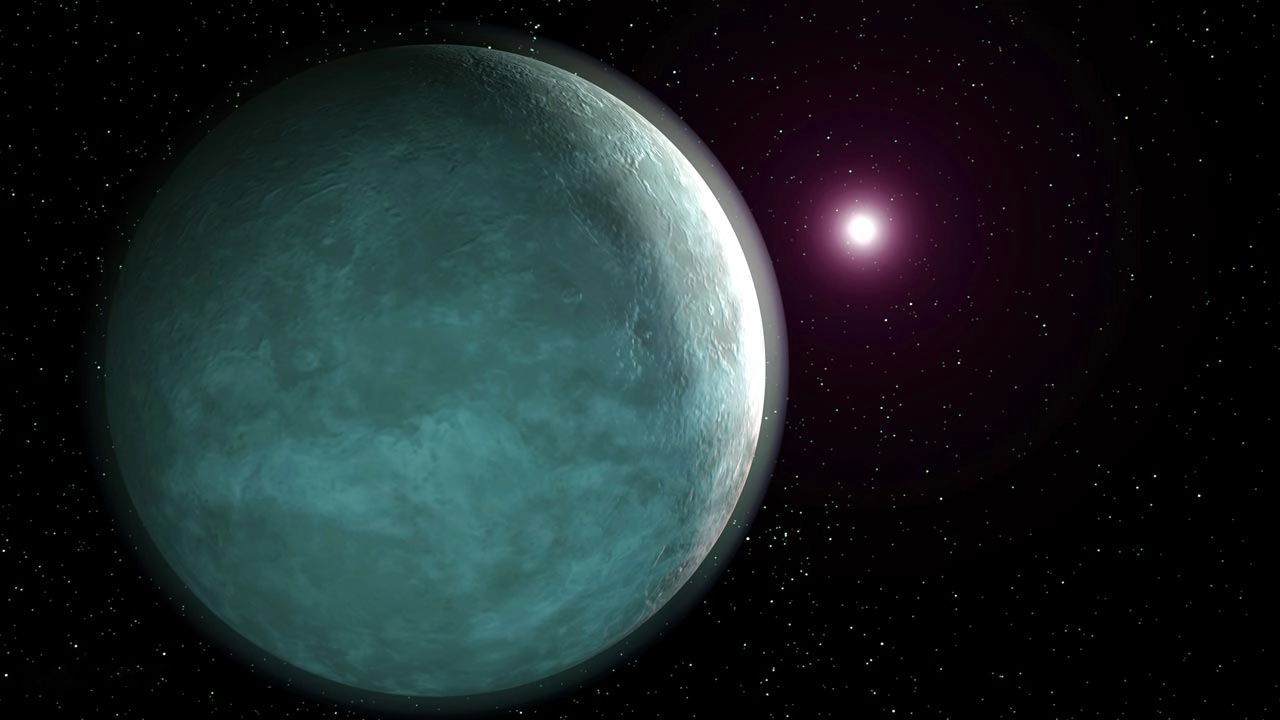
Using a ground-based telescope in Chile, scientists spotted helium streaming off the exoplanet LHS 1140 b, the first time an atmosphere has been confirmed around a rocky world in the life-friendly zone of another star.

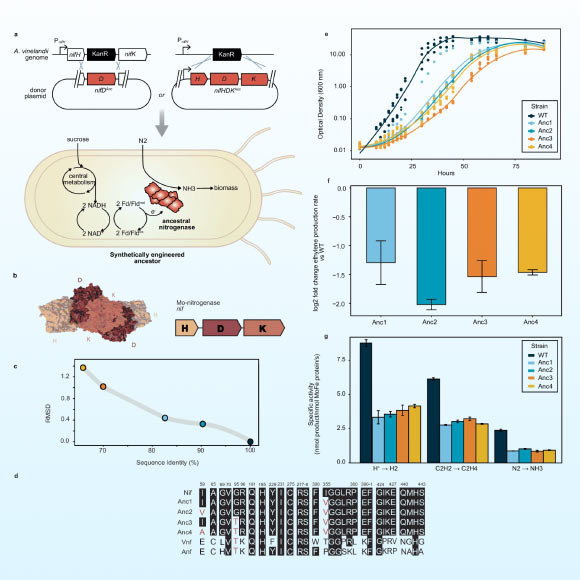
By rebuilding an ancient version of nitrogenase, researchers reopened a window on how microbes fed themselves before oxygen — and handed astrobiologists a chemical fingerprint to hunt for life beyond Earth.

A new proposal argues that rock and soil returned from Mars and beyond should be screened at a robotic facility on the Moon first — casting the lunar surface as humanity's first line of biological defense.

A new modeling study finds that asteroid impacts could blast Earth microbes into space, potentially delivering about 100 viable cells a year — up to 20 billion over a billion years — into the Venusian atmosphere.

A team at UC Riverside and the Weizmann Institute found that living chemistry spreads amino acids more evenly than non-life — a test that could be run on data from Mars, Europa and Enceladus.

New research suggests fundamental constants governing physics sit within an incredibly narrow range that allows liquids to flow properly inside living cells.

New research suggests fundamental laws of physics exist within an incredibly narrow window that allows cellular fluids to flow properly, making life possible.

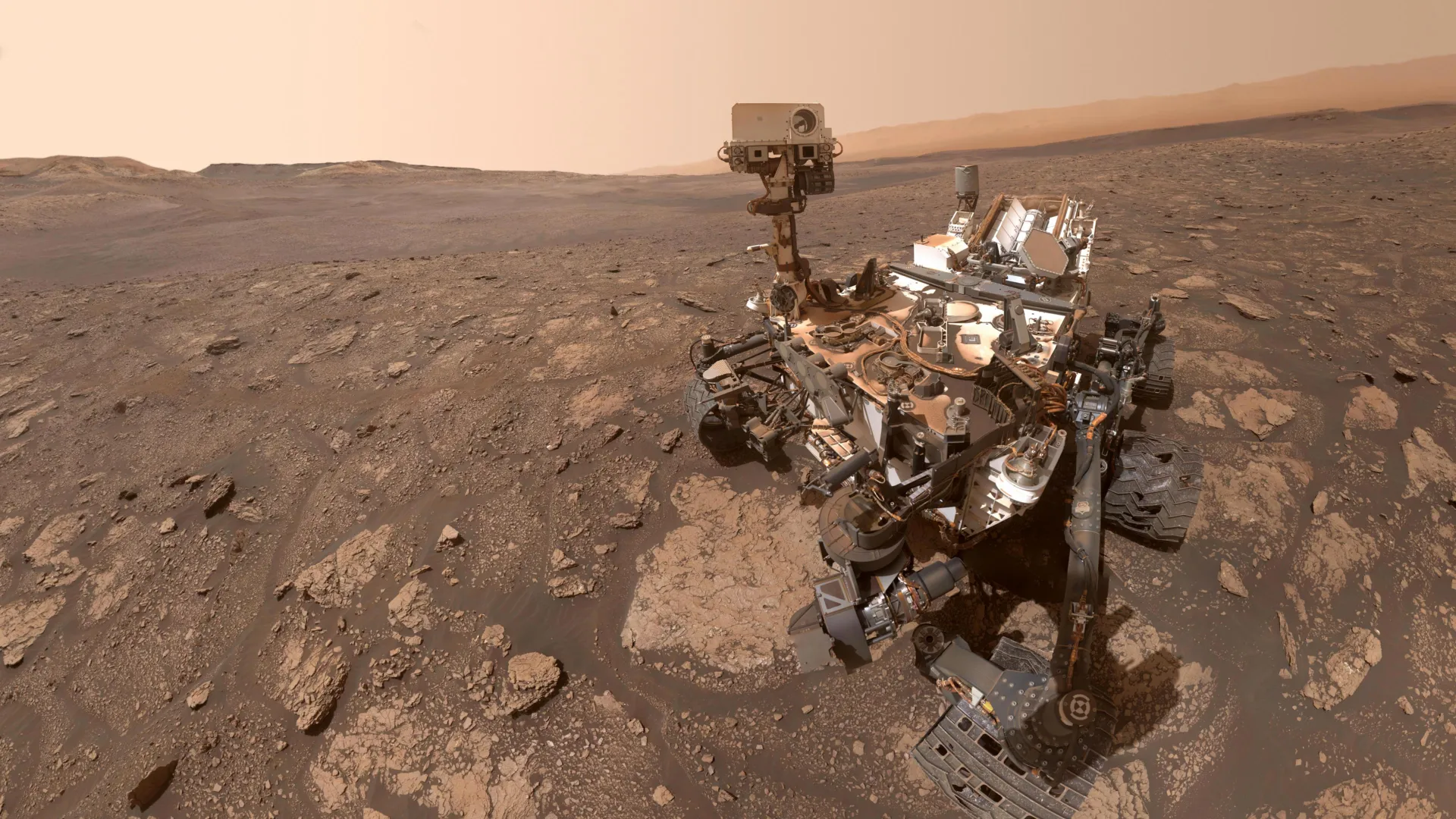
The rover detected compounds resembling DNA building blocks in 3.5-billion-year-old rocks, suggesting Mars may have once been far more biologically promising than previously thought.

The variety of compounds includes DNA-like building blocks preserved in 3.5-billion-year-old rocks, suggesting Mars was once more biologically promising.
Scientists describe the complex organic molecules found in Jezero Crater sediments as the most compelling evidence yet for past life — or conditions favorable to it — on Mars.

GJ 887 d orbits one of the quietest red dwarf stars in the solar neighborhood, making it a compelling target for atmospheric analysis by next-generation telescopes.
Six years of Cassini data reveals why Saturn's magnetic field is skewed, with implications for the search for life on its moon Enceladus.

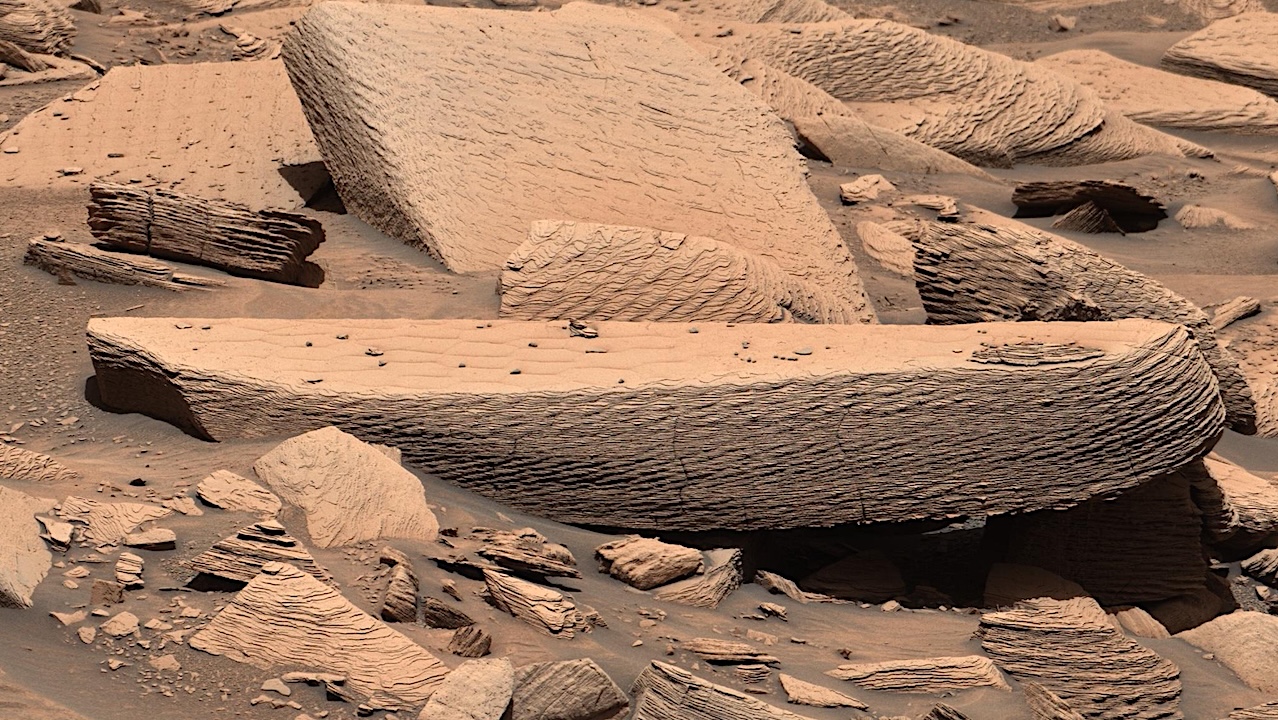
A team from Imperial College London found 'supercritical climbing wind ripples' in Gale Crater — structures never before seen on Mars that could only form when sustained high winds moved enormous quantities of sand.