Scientists Urge NASA to Quarantine Alien Samples on the Moon Before They Reach Earth
A new proposal argues that rock and soil returned from Mars and beyond should be screened at a robotic facility on the Moon first — casting the lunar surface as humanity's first line of biological defense.
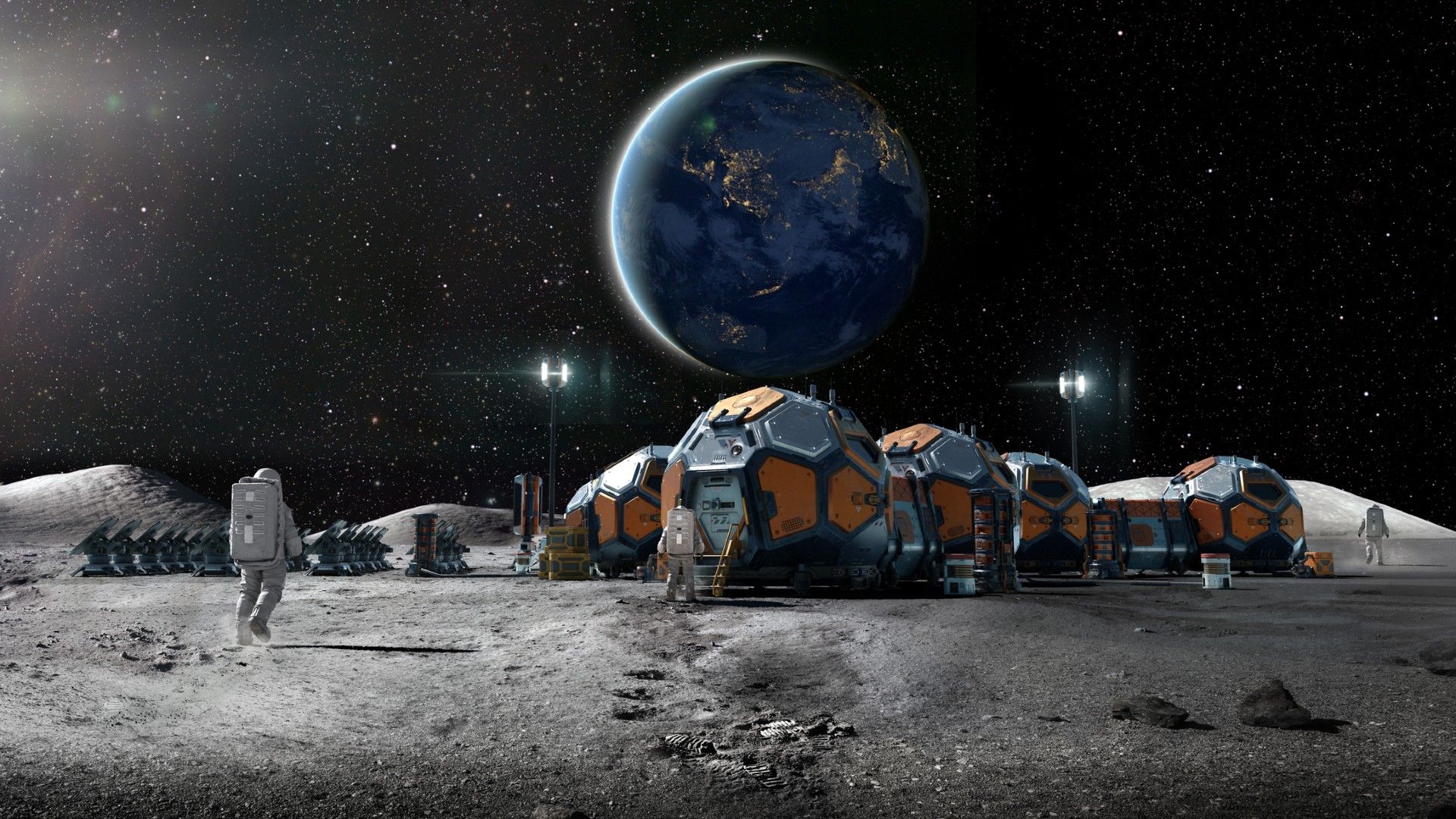
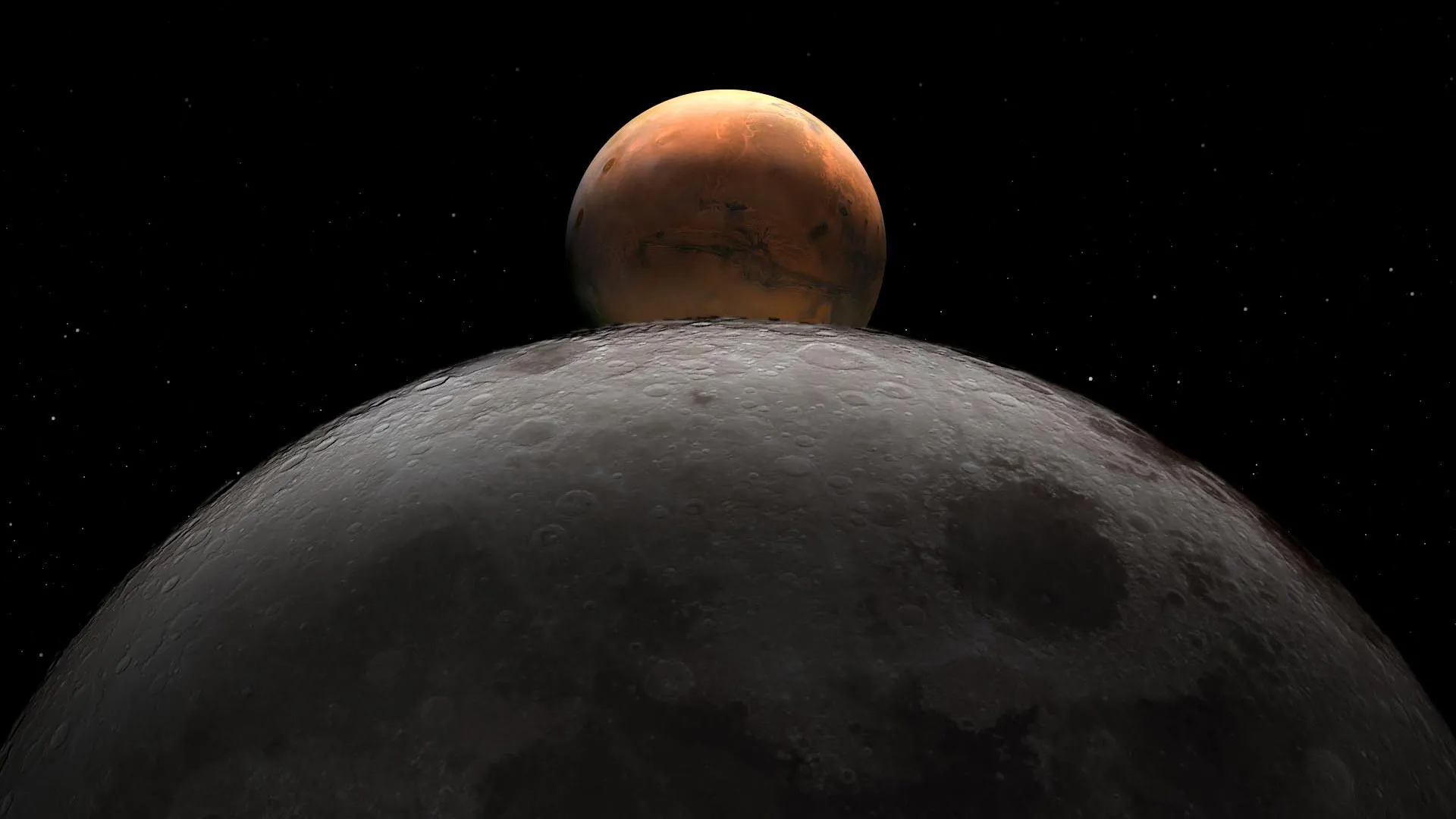
As space agencies race to bring pieces of Mars back to Earth, a group of scientists is arguing that the samples should make a stop first — on the Moon. In a new proposal, researchers say material collected from Mars, the Moon and beyond should be examined at a secure, robotically operated quarantine facility on the lunar surface before any of it is allowed near the terrestrial biosphere.
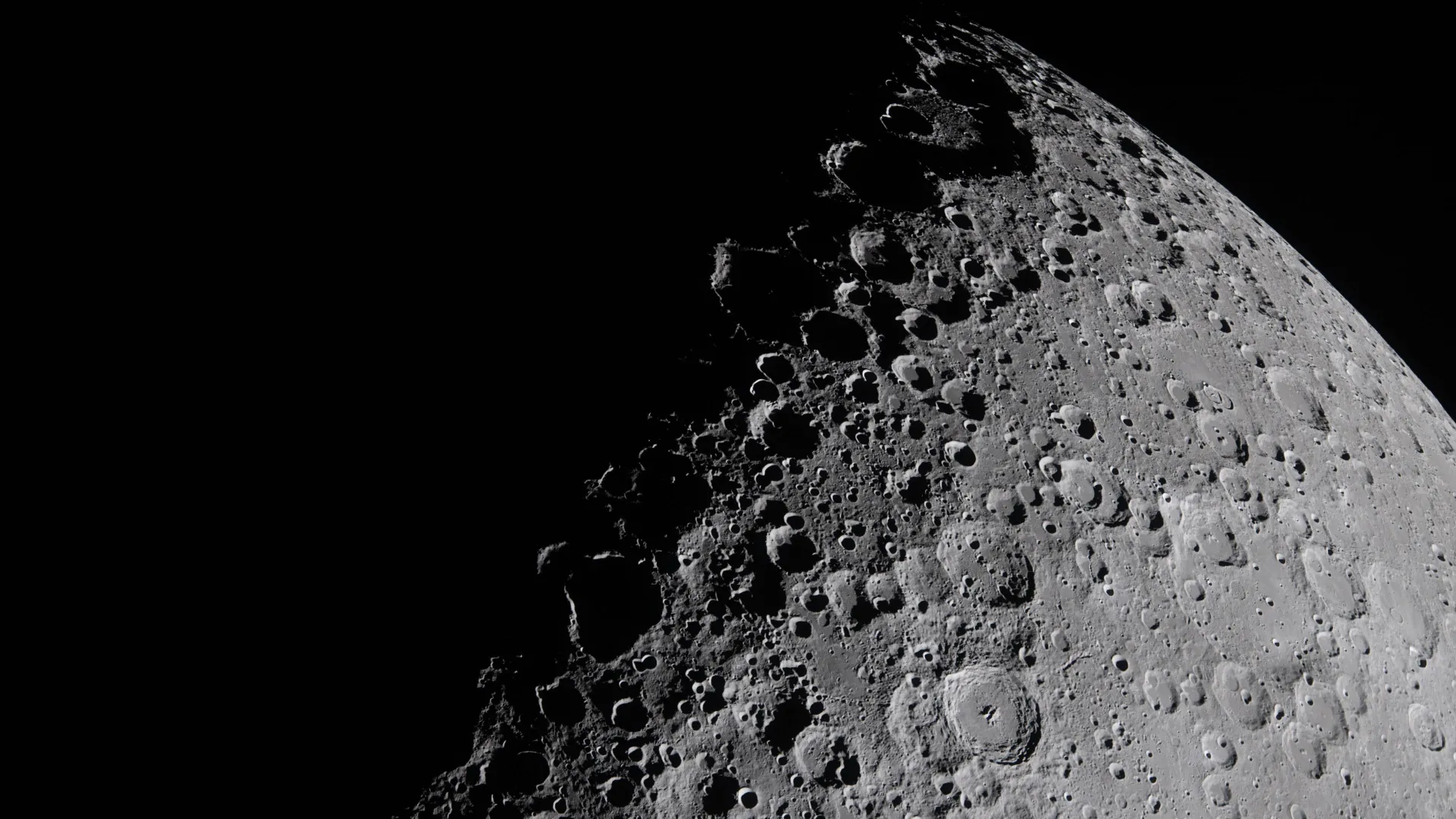
The idea, laid out in a study published in the journal Ambio, treats the Moon as a natural buffer between Earth and whatever might be lurking in extraterrestrial soil. Because the Moon is close enough for controlled missions, is naturally isolated and appears to have no biosphere of its own, the authors argue it is uniquely suited to serve as a biocontainment site. Under the plan, returned samples would be handled entirely by advanced robotic systems, with no human contact until scientists were confident the material posed no threat.
The driving concern is planetary protection — the discipline devoted to keeping Earth from being contaminated by alien organisms and vice versa. Even a single microscopic organism, the researchers warn, could have unpredictable and potentially irreversible effects if introduced into Earth's ecosystems. To make the case, they lean on a sobering earthly analogy: the long history of invasive species. "Decades of research on invasive species have demonstrated how an organism introduced to the wrong place at the wrong time can spread uncontrollably with potentially devastating and irreversible long-term impacts on ecosystems," the study notes.
The proposal comes from Frederick I. Moxley of Strategic Threat Analysis and Research Laboratories in Idaho and Anthony Ricciardi of McGill University in Montreal, among other co-authors. Ricciardi is an ecologist who studies invasive species, and the paper explicitly frames a Mars microbe not as science-fiction menace but as a biosecurity problem of the same family as the zebra mussels and invasive plants that have reshaped entire ecosystems on Earth. In that framing, the Moon may become, as the authors put it, humanity's first line of biological defense.
The timing is deliberate. Multiple nations are pursuing Mars sample return, and China has announced ambitions to bring back Martian material, raising questions about whether different countries will apply — and allow inspection of — comparable containment standards. A shared lunar quarantine facility, its proponents suggest, could offer a common, transparent chokepoint through which all returned samples pass.
Building a robotic biosafety lab on the Moon would be an enormous undertaking, and the proposal is a call for planning rather than an approved mission. But the underlying question is becoming urgent as the technology to fetch alien rocks matures faster than the rules for handling them. The scientists' message is blunt: decide how to quarantine samples from other worlds before the first capsule is already on its way home.