Hamas Dissolves Its Gaza Government After Nearly Two Decades, Handing Civilian Rule to a Technocratic Committee
The move clears the way for a U.S.-backed committee to run health, education and services across the enclave — though Hamas is not surrendering its weapons.

Hamas announced this week that it is dissolving the civilian government it has run in the Gaza Strip since 2007, formally ceding day-to-day rule to a technocratic body established under a U.S.-backed plan to end nearly two years of war. The decision, confirmed on July 7, marks one of the most significant political shifts in the territory in a generation and a central step toward the power transfer envisioned in the ceasefire brokered last October.
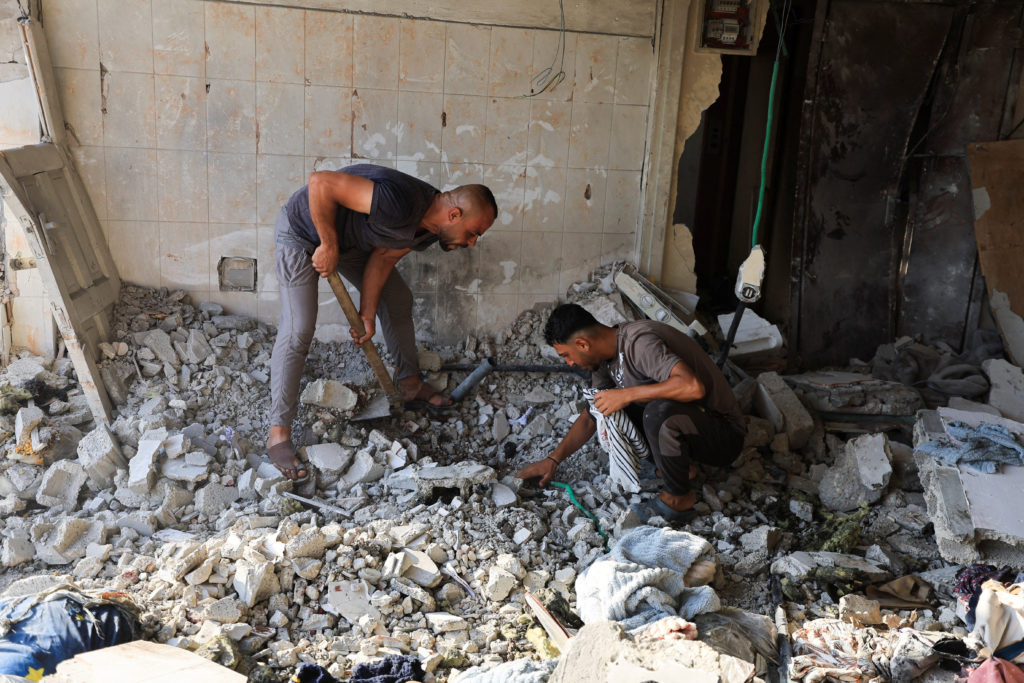
Civilian administration is to pass to the National Committee for the Administration of Gaza, or NCAG, a transitional body of technocrats formed in January 2026 under United Nations Security Council Resolution 2803. The committee is led by acting commissioner Ali Abdel Hamid Shaath and, for now, operates from Cairo, having been kept out of Gaza itself amid Israeli objections to its entry. It is tasked with overseeing health, education, security and other essential services in a strip where the United Nations says more than 73,000 people have been killed since October 2023.
"All employees working in service provision are state employees and are fully prepared to work under the National Committee," said Ismail al-Thawabta, a Gaza government spokesman, signaling that the tens of thousands of teachers, doctors and municipal workers who kept basic services running would remain in place under the new structure. The NCAG sits within the framework of President Donald Trump's 20-point plan for Gaza, which envisions a phased handover and eventual return of the Palestinian Authority.
Crucially, analysts stressed that Hamas is not relinquishing its political or military role. The group, which seized Gaza from the rival Fatah movement in 2007 after winning legislative elections the year before, is stepping back from direct civilian governance rather than disbanding. Regional experts described the announcement as a calculated concession intended to break a deadlock in negotiations and fill a widening power vacuum that had left the enclave increasingly ungoverned.
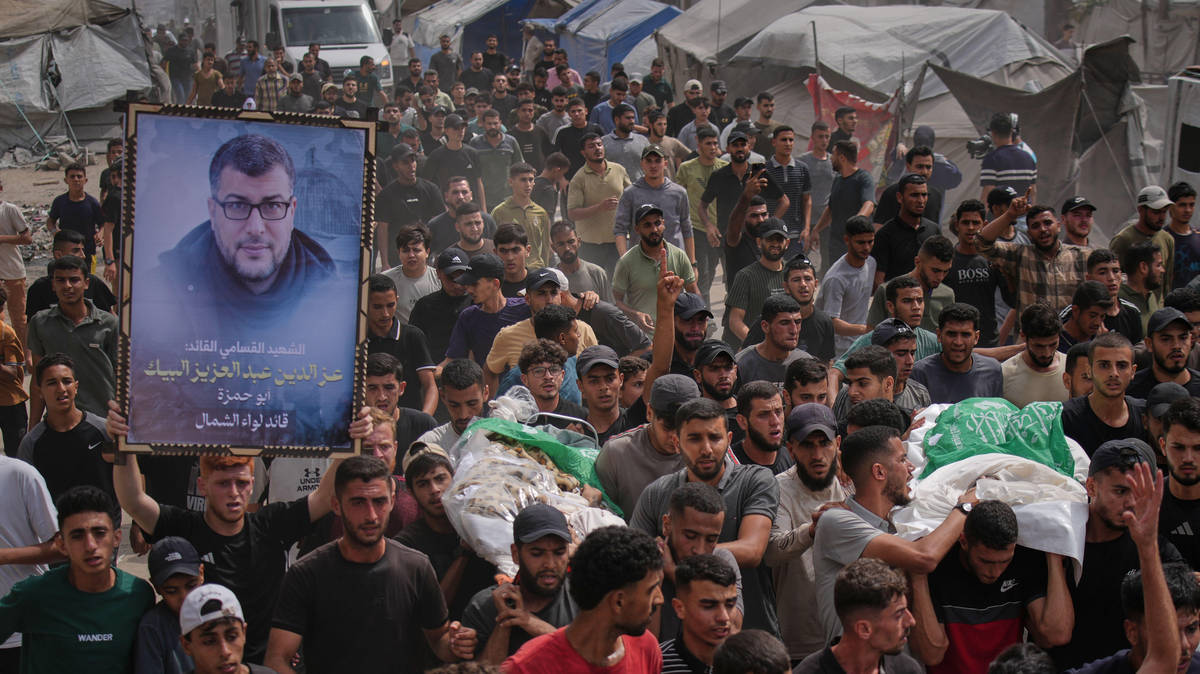
The path forward remains fraught. Israeli Prime Minister Benjamin Netanyahu has insisted that no reconstruction will proceed "until Hamas is disarmed and the strip is demilitarized," and strikes have continued during the fragile truce, killing at least six Palestinians in the days surrounding the announcement. The Palestinian Authority is tentatively expected to assume control by 2027, but that timeline hinges on disarmament talks, donor funding and whether the NCAG can finally establish itself on the ground. For now, a committee headquartered in another country has been handed responsibility for two million people it cannot yet reach.