Venezuela Quake Death Toll Passes 2,900 as Nearly 50,000 Remain Missing
Two weeks after twin magnitude-7.2 and 7.5 earthquakes struck near Caracas, rescuers are still pulling survivors from the rubble — and officials warn the final toll could climb far higher.
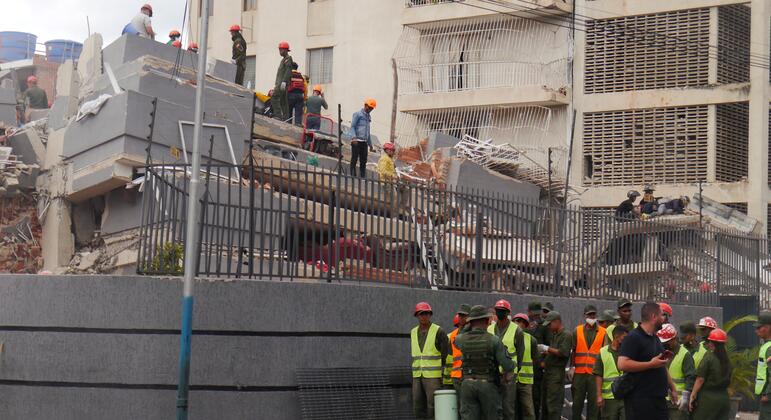
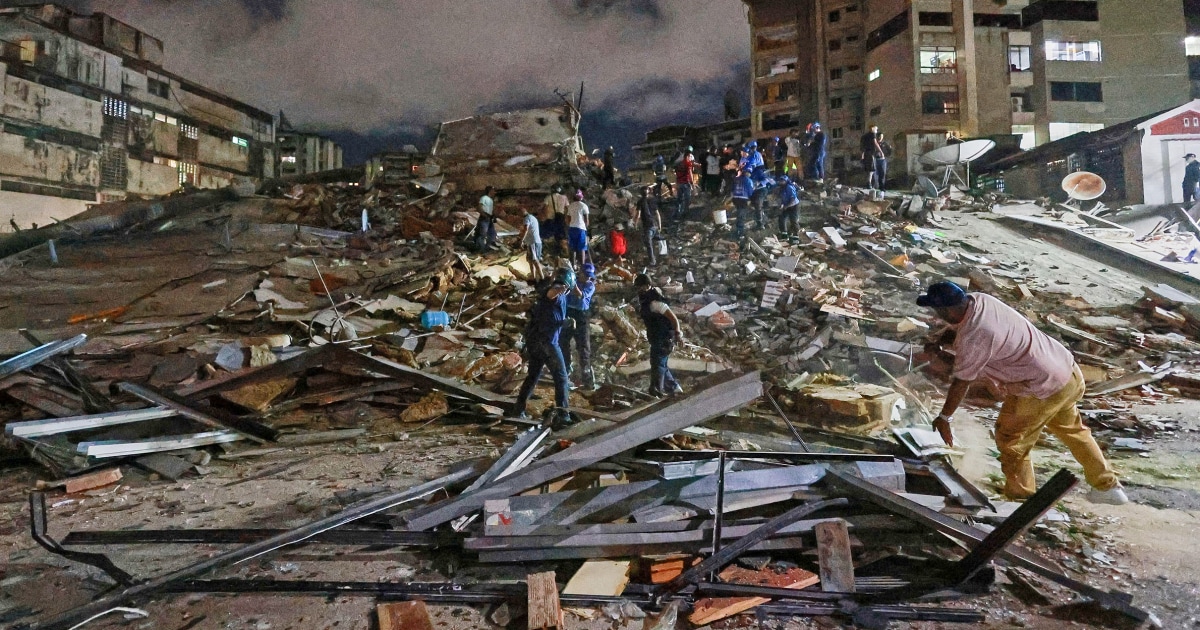
More than two weeks after two powerful earthquakes struck northern Venezuela within 39 seconds of each other, the confirmed death toll has climbed past 2,900, with roughly 50,000 people still unaccounted for and rescue crews continuing to search collapsed buildings across the Caracas region.
The twin quakes, measuring magnitude 7.2 and 7.5, hit on June 24, devastating the coastal state of La Guaira and rattling the capital. Venezuelan officials said more than 12,000 people were injured and hundreds of structures were damaged or destroyed. Acting President Delcy Rodríguez said search-and-rescue operations were ongoing, cautioning that the number of dead was expected to rise as crews reached buildings that had been unreachable in the disaster's chaotic first days.
The scale of the destruction has overwhelmed local emergency services and drawn a growing international response. The United Nations said it was scaling up aid deliveries of water, medical supplies and shelter, while foreign rescue teams joined the effort. The U.S. Geological Survey's rapid-assessment system warned the eventual death toll could be significantly higher than the confirmed figure, with some models suggesting it could exceed 10,000.
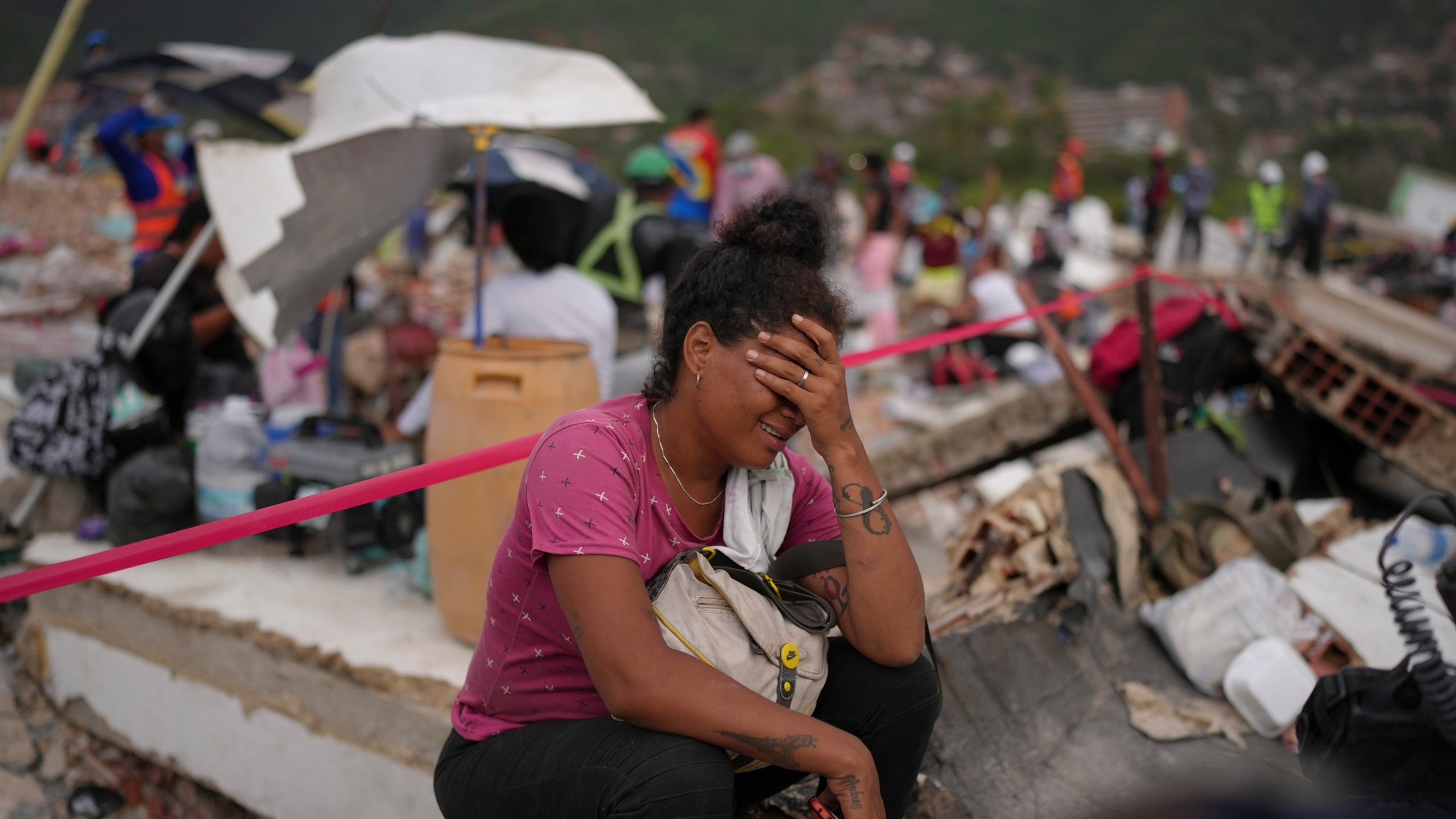
Even amid the grief, there have been extraordinary moments of survival. Rescuers pulled one man alive from the debris after roughly 120 hours trapped beneath a collapsed apartment block, and a mother and her 18-day-old infant were recovered more than 30 hours after the buildings around them came down. Each rescue has drawn crowds of exhausted responders and relatives who have kept vigil at the ruins.
More than 860 aftershocks have rattled the region since the initial quakes, complicating rescue work and forcing repeated evacuations of damaged structures that engineers fear could still collapse. Many survivors have been sleeping in the open or in temporary shelters, wary of returning to cracked homes, as electricity and running water remain intermittent across the hardest-hit districts.
The quakes were powerful enough to prompt a brief tsunami warning for parts of the southern Caribbean, including Puerto Rico, before it was lifted. Their epicenters, close to the densely populated coast, help explain the staggering casualty figures: shaking of that intensity striking near a major metropolitan area left little margin for the region's older, unreinforced buildings, many of which pancaked in seconds.
The disaster ranks among the deadliest in Venezuela's modern history and has compounded the strain on a country already grappling with years of economic and political turmoil. Aid groups warned that the recovery — clearing rubble, rebuilding shattered neighborhoods and caring for tens of thousands of displaced residents — would stretch on for months, long after the world's attention moves elsewhere.