U.S. Launches 'Powerful Strikes' on Iran After Tankers Are Hit in the Strait of Hormuz
President Trump ordered retaliatory strikes and reimposed oil sanctions after Iranian forces attacked three commercial vessels near the world's most important oil chokepoint. Tehran vowed a 'decisive' response as explosions rocked the port of Bandar Abbas.
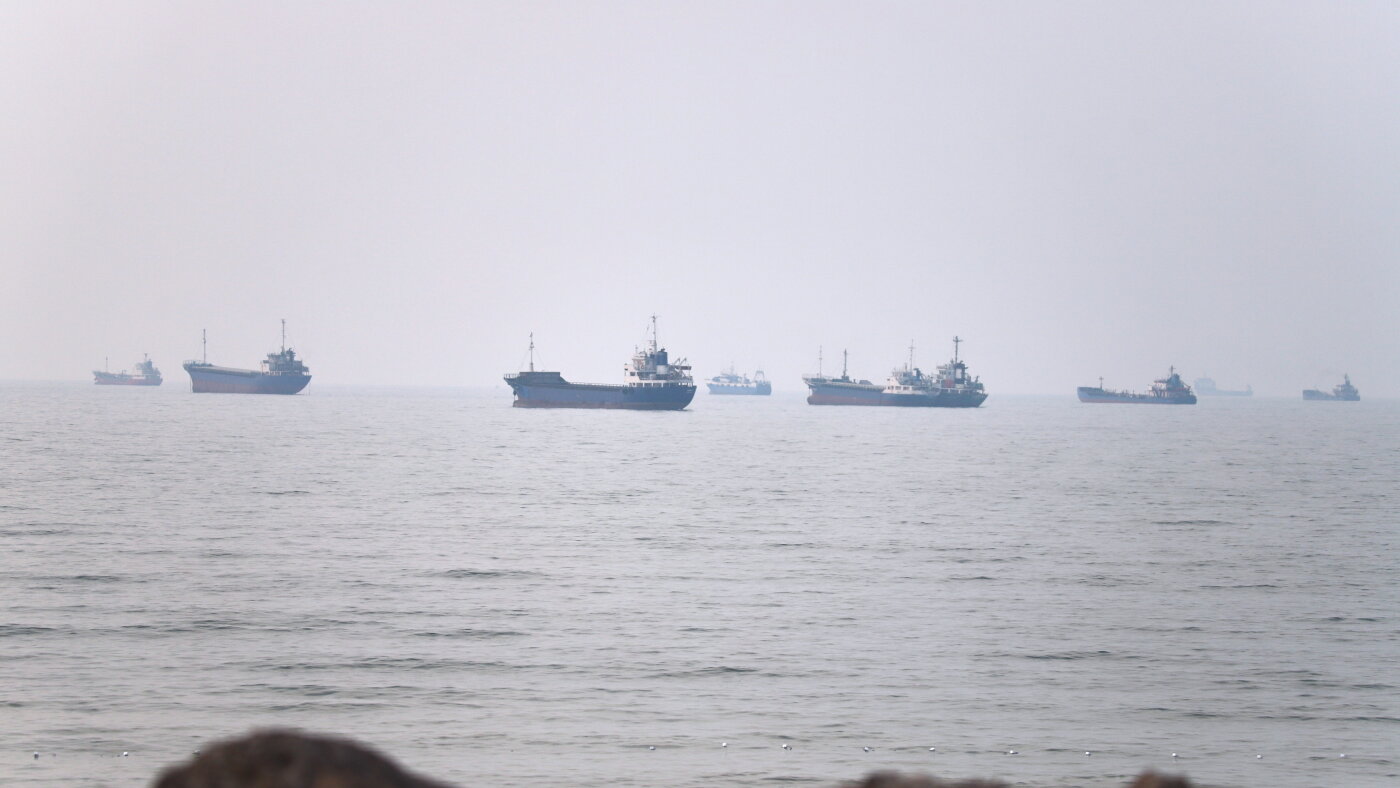
The United States launched a wave of military strikes against Iran on Tuesday and reimposed sweeping sanctions on Iranian oil exports, retaliating for a series of attacks on commercial ships transiting the Strait of Hormuz, the narrow waterway through which roughly a fifth of the world's oil passes each day.
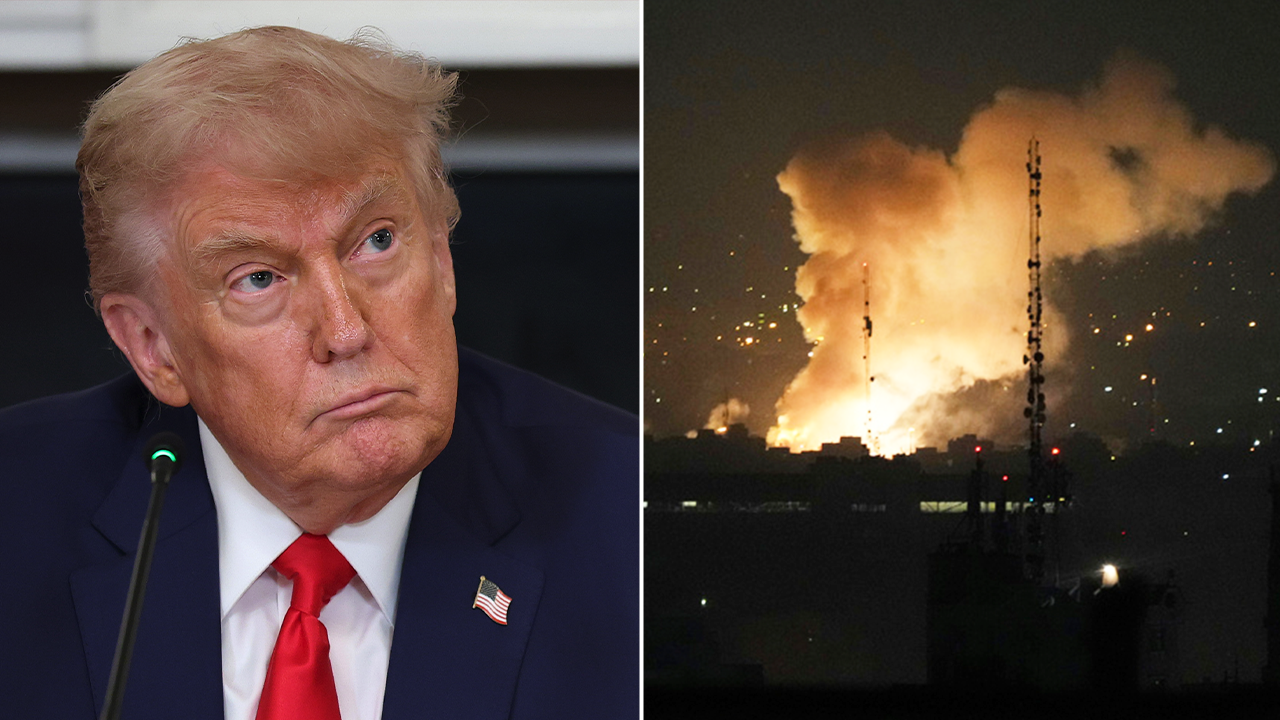
U.S. Central Command said its forces had "begun launching a series of powerful strikes against Iran to impose heavy costs for targeting and attacking commercial shipping crewed by innocent civilians in an international waterway." Iranian state media reported explosions in the southern port cities of Bandar Abbas and Sirik, as well as on Qeshm Island, a strategic outpost near the mouth of the strait.
The strikes followed Iranian attacks earlier in the day on three merchant vessels. Qatar's Foreign Ministry said the Qatari-flagged liquefied natural gas carrier al-Rakiyat was struck while passing near the strait, and Saudi Arabia's Foreign Ministry said Iran had hit one of its crude tankers, the Wedyan, as it moved through the waterway. British maritime authorities reported at least one vessel ablaze after being struck.
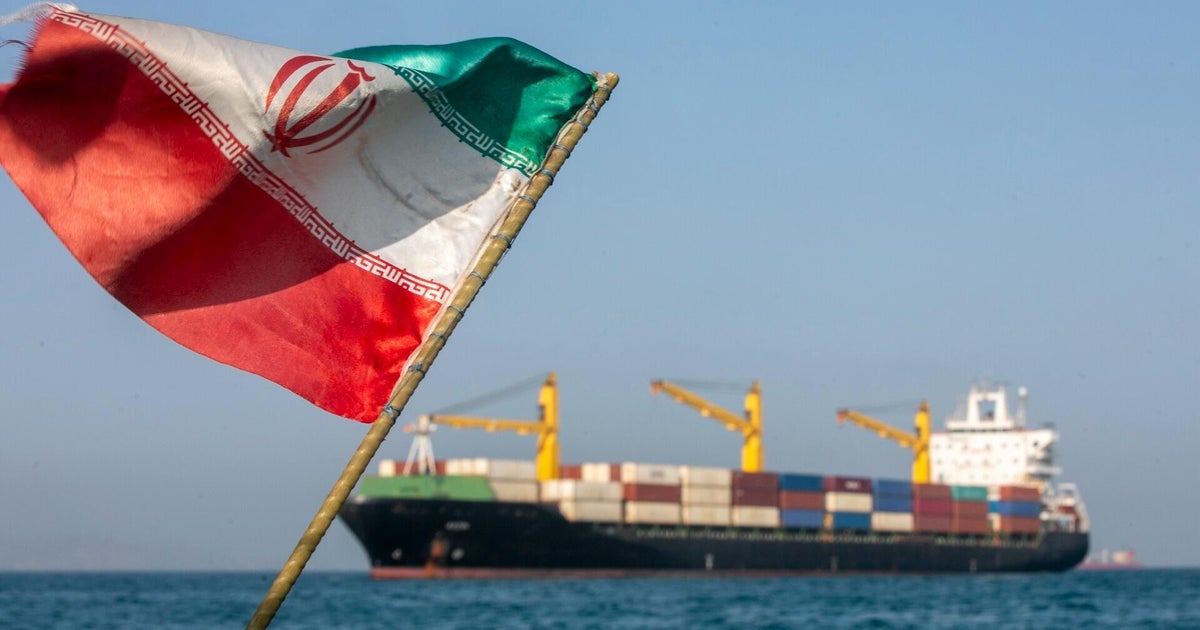
Alongside the military action, the Trump administration reimposed oil sanctions it had lifted weeks earlier, describing the attacks as a violation of a memorandum of understanding under which Iran had agreed to keep the strait open. The move eliminates one of the central economic concessions Washington had granted Tehran in exchange for reopening the waterway, and threatens to choke off Iran's already battered oil revenues.
The escalation landed at a combustible moment. President Trump arrived in Ankara on Tuesday for a two-day NATO summit where the security of the Strait of Hormuz was expected to dominate discussions, and the strikes came as Iran was holding a multi-day funeral for its late supreme leader, Ayatollah Ali Khamenei, who was killed earlier in the conflict. Tehran condemned the American action as a breach of the U.N. Charter and warned Gulf states not to allow their territory to be used for U.S. operations, threatening what one official called a "decisive" response.
Oil markets, already jittery, braced for further disruption. Any sustained closure of the strait — which lies between Iran and Oman and funnels crude from Saudi Arabia, Kuwait, Iraq, the United Arab Emirates and Qatar — would ripple through global energy prices within days. Shipping companies were reassessing routes as insurers weighed the rising risk to vessels crossing one of the most contested stretches of water on Earth.