Trump Warns of 'Communist Menace' From Mount Rushmore in Darkly Political July 4 Speech
Marking America's 250th anniversary, the president abandoned the unifying tone of past Independence Day addresses, branding communism a bigger threat than 9/11 and the world wars.
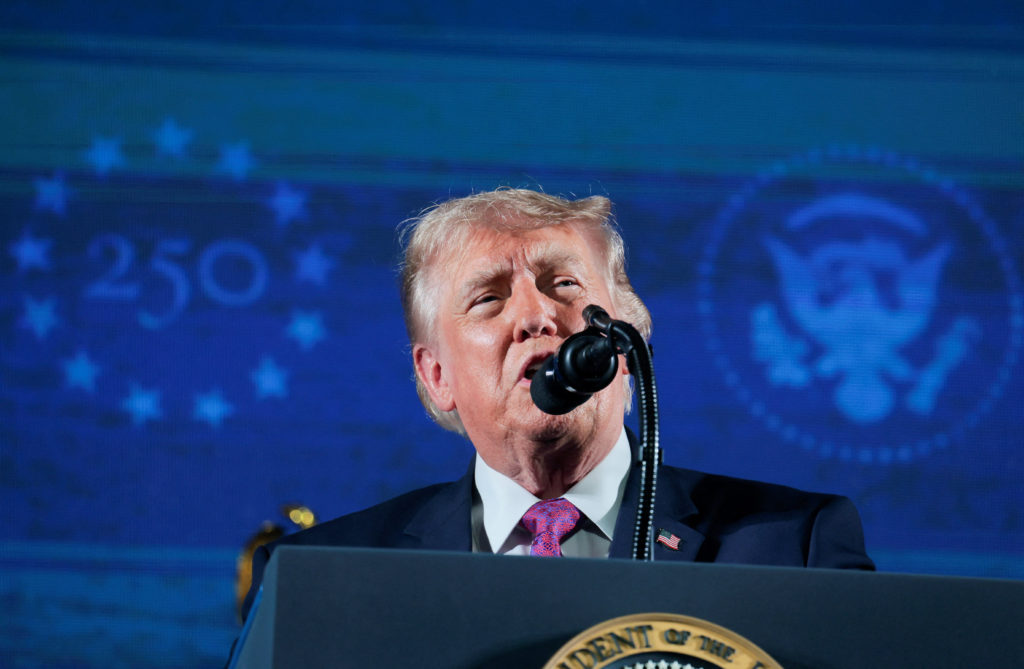
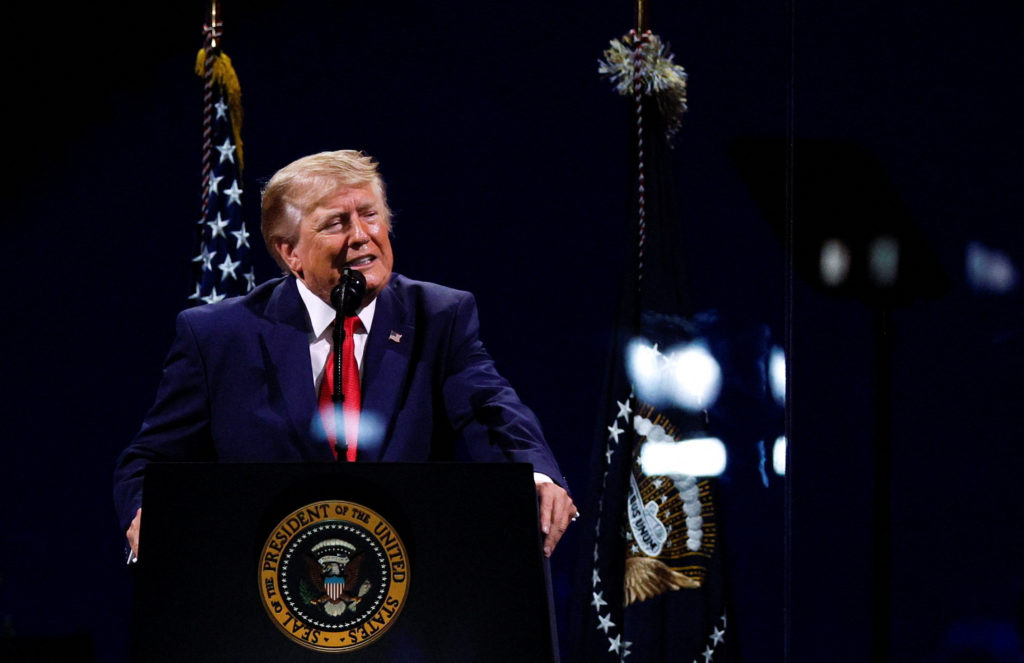
Standing beneath the granite faces of four presidents at Mount Rushmore, President Donald Trump ushered in the 250th anniversary of American independence with soaring praise for American exceptionalism that swerved abruptly into a darkly political warning about a "communist menace" he cast as the gravest danger the nation has ever faced.
"Communism is a mortal threat to American liberty," Trump declared, calling it "the greatest threat to our country, including World War I, World War II, Pearl Harbor or even 9/11." The remarks, delivered as part of the White House-aligned "Freedom 250" celebrations, evoked the Red Scare rhetoric of the 1950s and stood in sharp contrast to the deliberately apolitical Independence Day speeches given by predecessors such as Gerald Ford and Ronald Reagan at earlier milestone celebrations.
Trump framed the coming midterm elections as a battle against what he described as a "resurgence of the communist menace in our land," portraying the country as under siege and urging supporters to view November's contests in existential terms. The speech drew immediate scrutiny for injecting partisan combat into an occasion traditionally reserved for national unity, as Americans across a politically divided country marked the semiquincentennial.
The address did not go unanswered. In New York, Mayor Zohran Mamdani, a democratic socialist, delivered a counter-address emphasizing America's contradictions and its historical resilience against authoritarianism. Among those present at the Rushmore festivities was Glenn Brooks, a participant in the January 6, 2021, Capitol attack who was pardoned by Trump and who expressed gratitude for taking part in the celebrations — a detail that underscored how thoroughly the president has woven his personal grievances and pardons into the machinery of the anniversary.
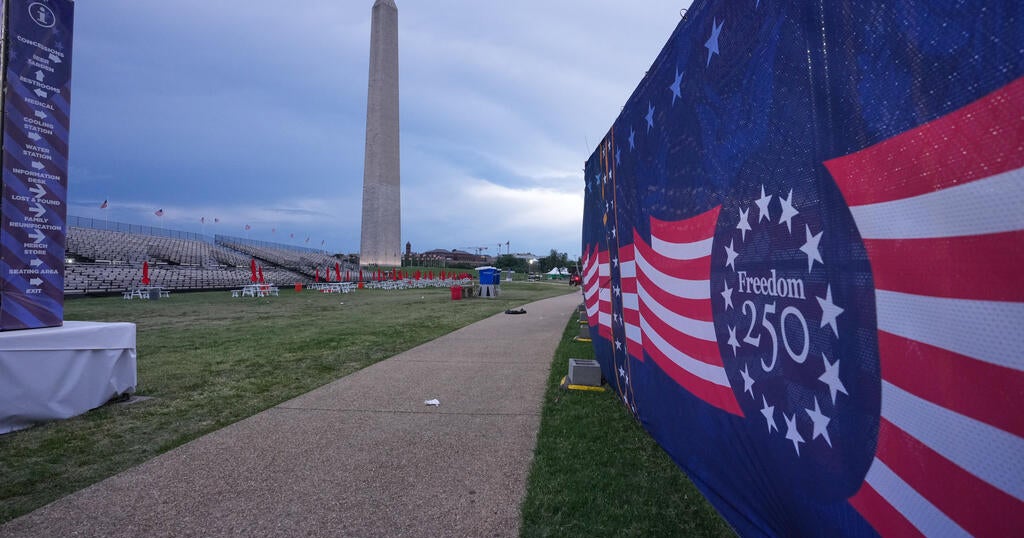
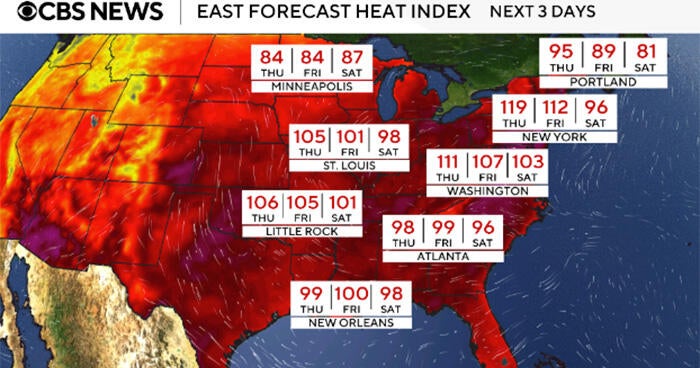
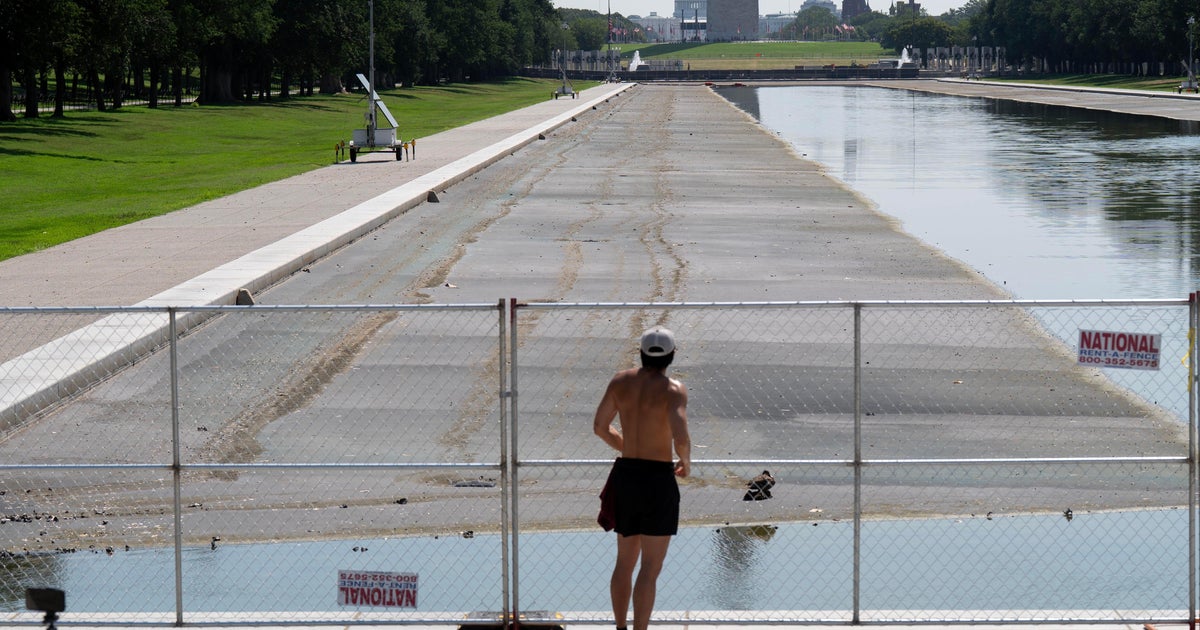
The celebrations themselves have been shaped by two competing organizations: the Freedom 250 effort aligned with the White House, and the bipartisan, congressionally chartered America250 group. Polling released around the anniversary captured a muted public mood, with roughly 4 in 10 U.S. adults saying they felt "proud" of the 250th anniversary and only about 3 in 10 describing themselves as "excited." Trump was scheduled to deliver a second address at the National Mall in Washington later in the day ahead of what organizers billed as a record-setting fireworks display, though an intense heat wave and severe storms battered Independence Day events across the eastern United States, forcing cancellations and evacuations.