Iran Begins Days-Long State Funeral for Slain Supreme Leader Khamenei as U.S. Peace Talks Pause
Millions poured into Tehran as the coffin of Ayatollah Ali Khamenei, killed in the February airstrikes that opened the war, went on public display. Washington and Tehran agreed to freeze negotiations for a week of mourning.
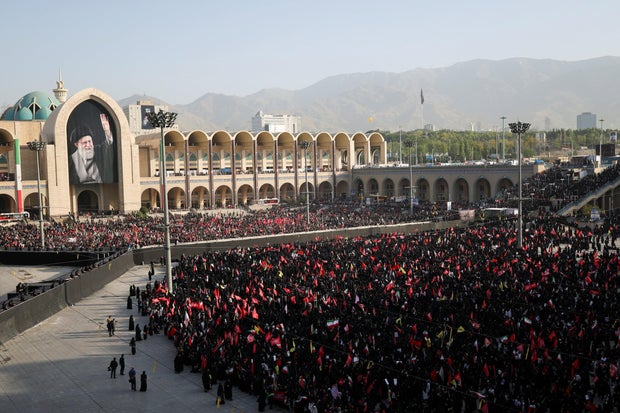
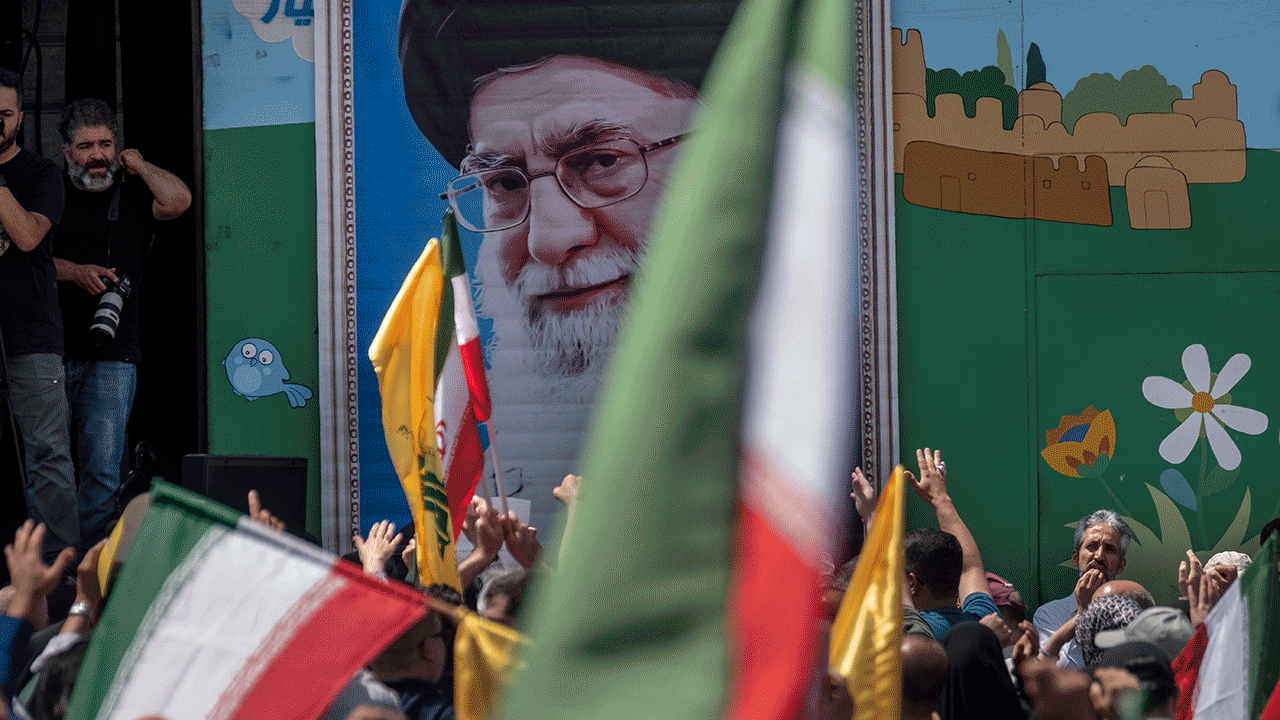
TEHRAN — Iran on Saturday opened six days of state funeral ceremonies for Ayatollah Ali Khamenei, the supreme leader who ruled the Islamic Republic for 36 years before he was killed in the U.S.-Israeli airstrikes that opened the war in February, as the flag-draped coffin was placed on public display in the capital and the government urged the nation into the streets.
Khamenei, who was 86, died on Feb. 28 when American and Israeli forces struck his fortified compound in Tehran during the first waves of what the Pentagon called Operation Epic Fury. His body was kept in cold storage for months while the fighting raged, and Iranian authorities delayed the burial until a fragile ceasefire took hold. Officials say they expect between 15 million and 20 million mourners to take part before the ayatollah is laid to rest on July 9, which would make it the largest state funeral in the country's history.
Thousands of mourners carrying red banners — a Shiite symbol associated with calls for vengeance — packed the courtyard of Tehran's Grand Mosalla ahead of the coffin's arrival, chanting 'death to America' and 'revenge, revenge.' The processions are scheduled to move from Tehran to the holy city of Qom and on to Mashhad, and then across the border to the Iraqi shrine cities of Karbala and Najaf, where Shiite pilgrims are expected to join. Delegations from roughly 30 countries were expected to attend.
Khamenei's son, Mojtaba Khamenei, was named to succeed his father but has remained in hiding since he was reportedly wounded in the same strikes. Gen. Ahmad Vahidi, the Revolutionary Guard commander, emerged publicly for the first time in months to help oversee security for the ceremonies, and Iran warned Israel and the United States against any attack during the mourning period.
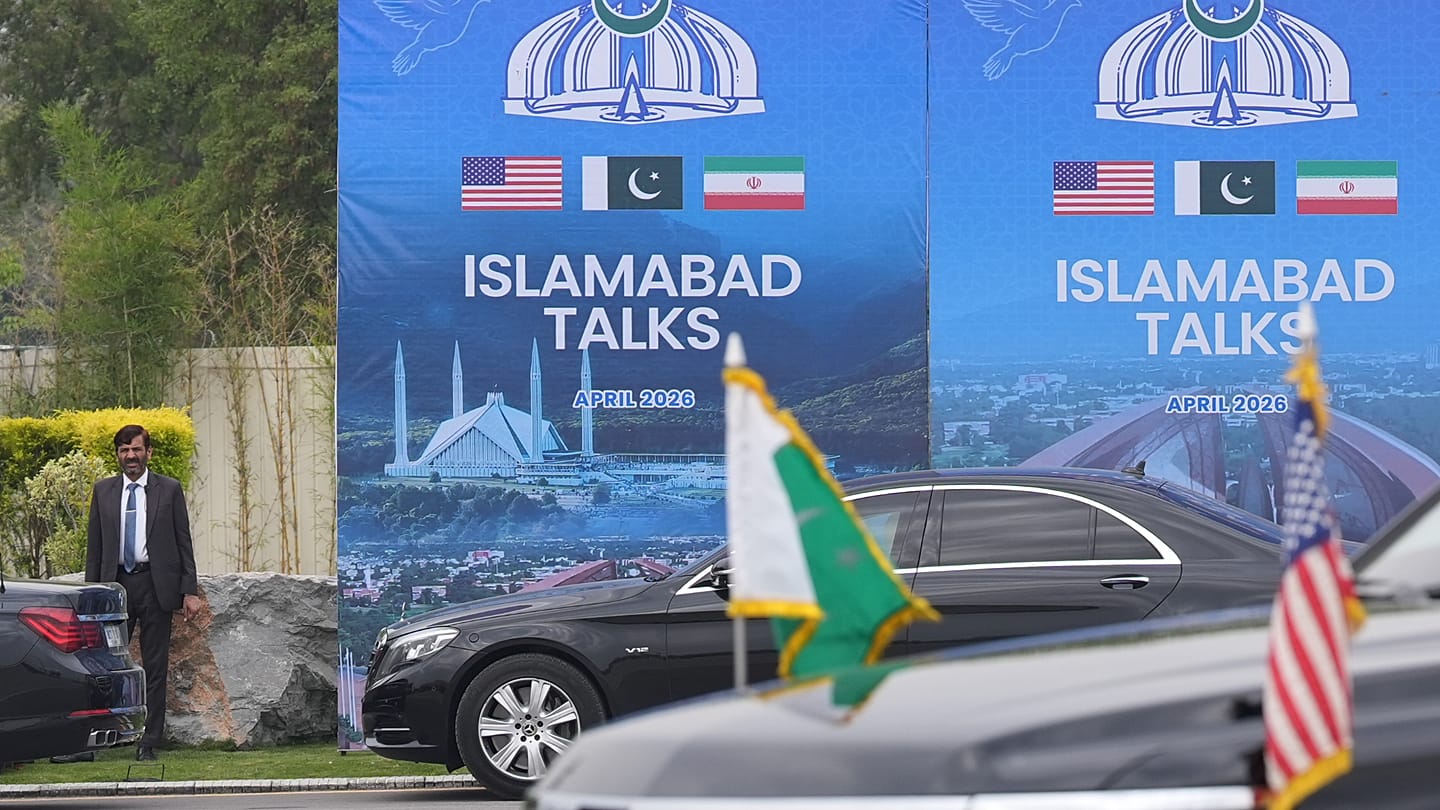
The funeral prompted both sides to freeze the delicate diplomacy that has kept the ceasefire alive. A memorandum of understanding signed on June 17 and 18 halted the fighting, and negotiators have held two rounds of talks — in Switzerland on June 21 and in Qatar in early July — within a 60-day window to reach a final agreement. Mediators from Qatar and Pakistan said 'positive progress was made' before the pause. The hardest questions remain unresolved: the future of Iran's nuclear program, control of the Strait of Hormuz, and the lifting of sanctions.
President Trump has described the campaign as the 'de-nuking of Iran' and cast the ceasefire as a personal achievement. Talks are set to resume once the mourning period ends, but the scenes of grief and defiance in Tehran underscored how much anger the war has left behind — and how uncertain the path to a durable peace remains.