Supreme Court Upholds Birthright Citizenship 6-3, Dealing Trump a Landmark Defeat
Chief Justice John Roberts wrote for the majority in Trump v. Barbara, affirming that nearly every child born on U.S. soil is a citizen and striking down the president's day-one executive order.
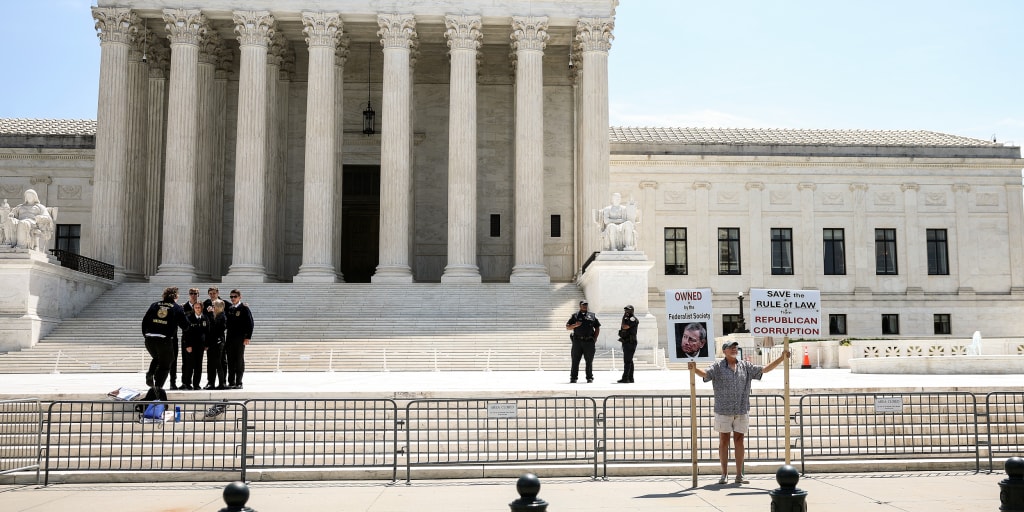
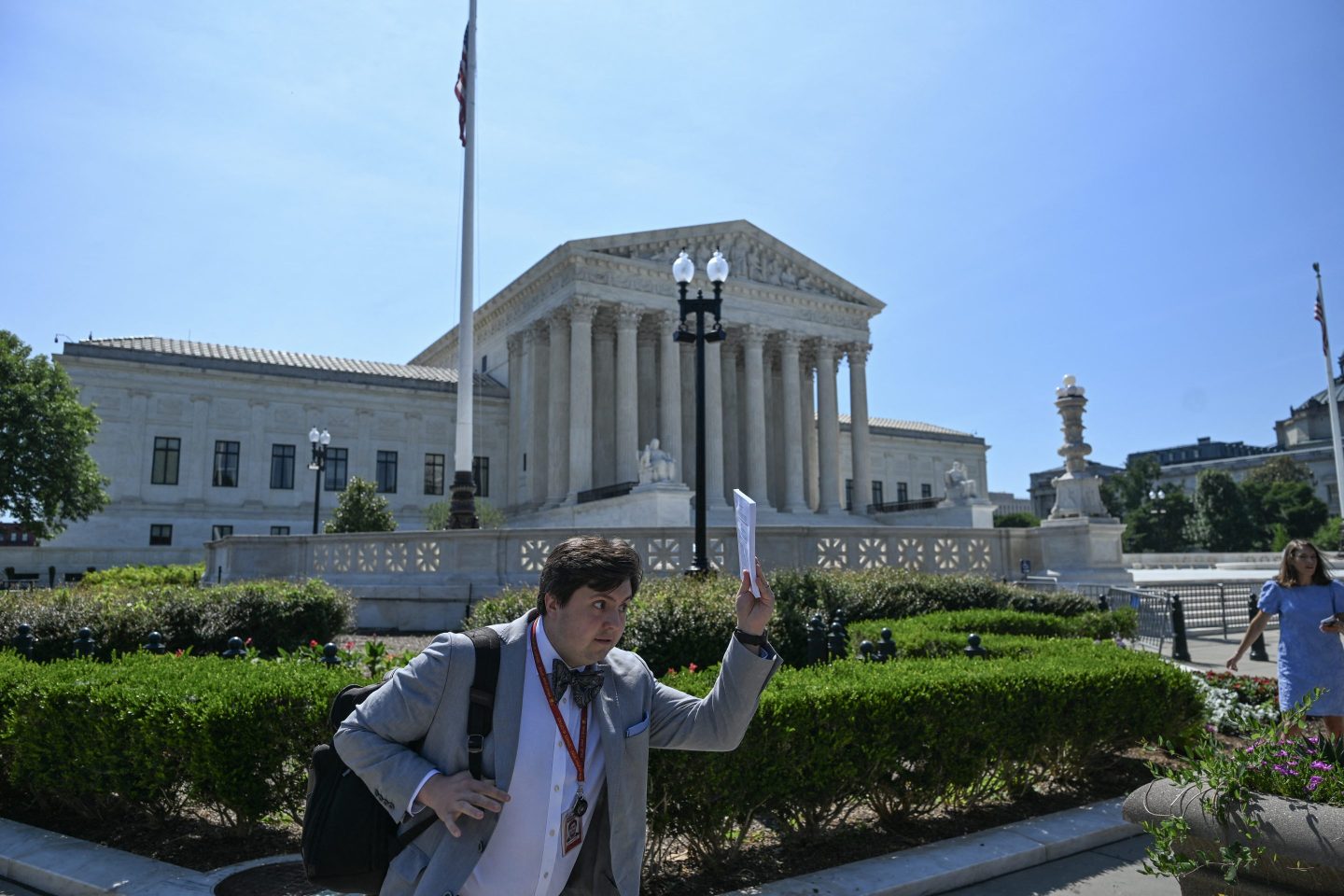
The Supreme Court on Monday upheld birthright citizenship in a 6-3 ruling, striking down President Donald Trump's executive order that sought to deny automatic citizenship to children born in the United States to parents who are in the country illegally or on temporary visas. The decision in Trump v. Barbara is one of the most consequential of the term, closing the door on the administration's most sweeping attempt to reinterpret the 14th Amendment.
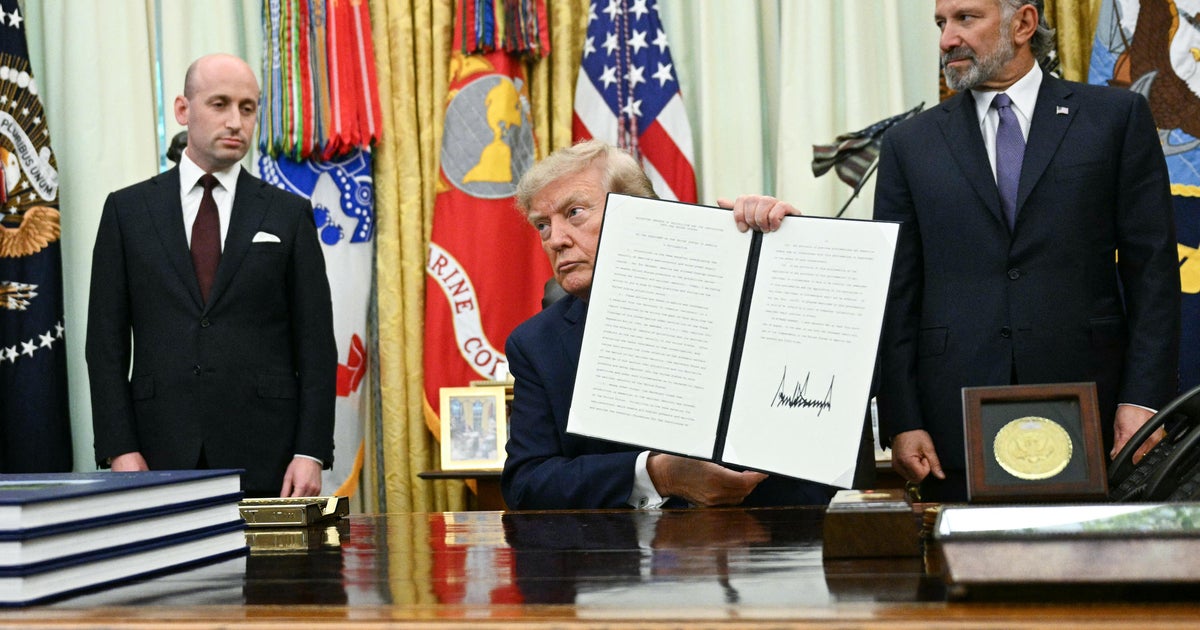
Chief Justice John Roberts wrote the majority opinion, joined by the court's three liberal justices and two conservatives. Roberts traced the guarantee of citizenship by birth back through American history, citing both the colonists' demands for "the rights of Englishmen" and abolitionists who praised the "ancient and universal" rule that a person born on a nation's soil belongs to that nation. The ruling affirmed lower-court decisions that had blocked Trump's order almost immediately after he signed it on January 20, 2025, his first day back in office.
"Too bad for our country," Trump told reporters after the decision, calling the outcome a disappointment while insisting the fight was not over. In a post on Truth Social, he urged lawmakers to act, writing that "Congress should start TODAY to work on ending expensive and unfair to our Country, Birthright Citizenship." He also suggested that the guarantee "was not meant for rich people from other countries," a framing legal scholars quickly disputed.
Constitutional experts noted that Trump's proposed path forward faces steep obstacles. Because birthright citizenship is enshrined in the text of the 14th Amendment, altering it would almost certainly require a constitutional amendment — a two-thirds vote in both the House and Senate, followed by ratification by three-quarters of the states, or a convention called by two-thirds of state legislatures. No such amendment has cleared Congress in more than half a century.
The birthright ruling came on a busy final day for the justices. In separate decisions, the court upheld state laws barring transgender athletes from competing on girls' and women's sports teams, and it struck down decades-old limits on how much political parties may spend in coordination with their candidates. Taken together, the day's opinions underscored a term in which the court repeatedly expanded executive and party power even as it handed the president a stinging loss on the citizenship question that had defined his immigration agenda. Immigrant-rights groups gathered outside the court cheered as the birthright decision was announced, while administration allies vowed to keep pressing the issue in Congress.