Supreme Court Sides With Bayer 7-2, Blocking Thousands of Roundup Cancer Lawsuits
The justices ruled that federal pesticide law shields Monsanto from state failure-to-warn claims, a landmark win that could wipe out tens of thousands of pending cases.

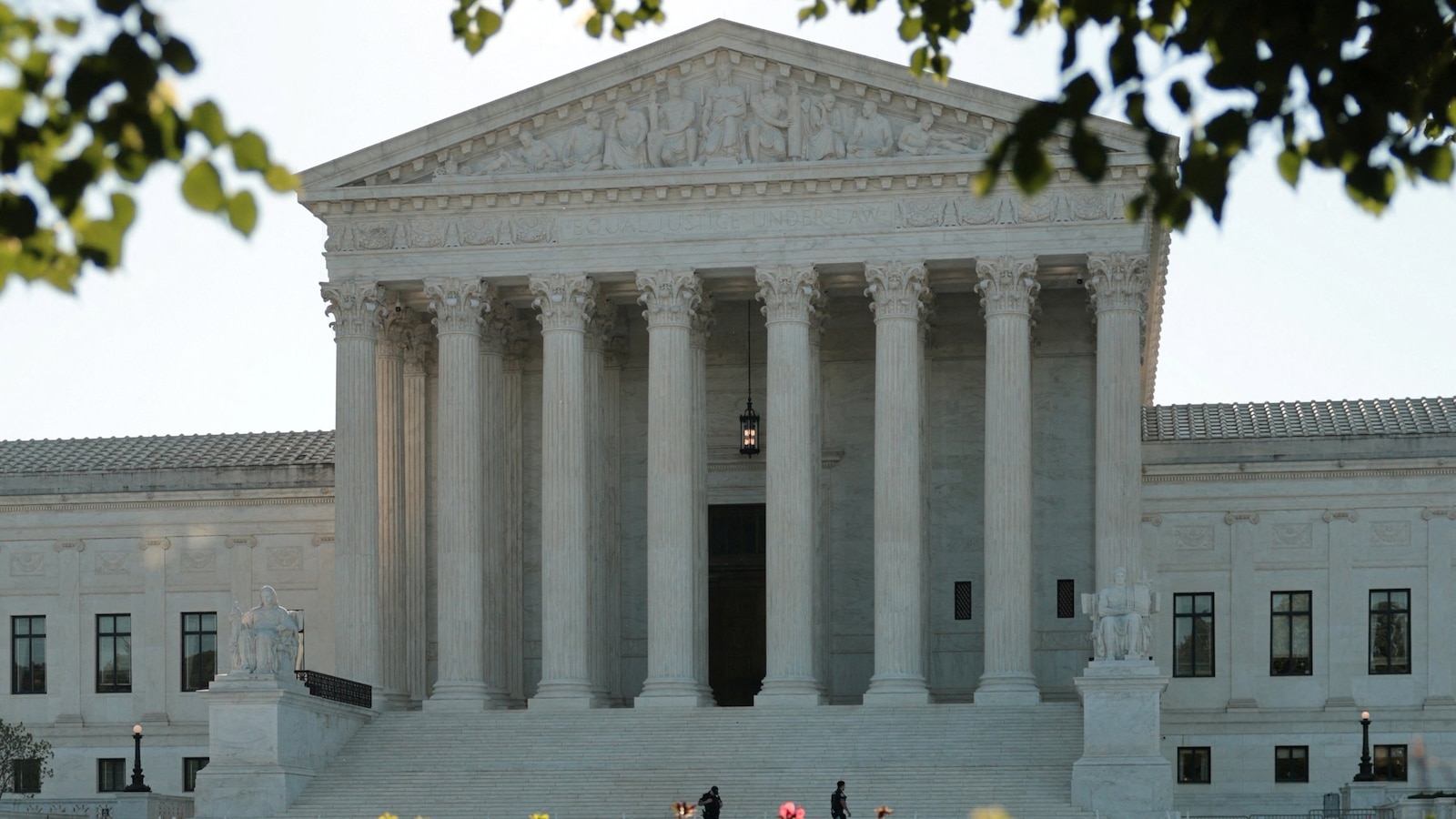
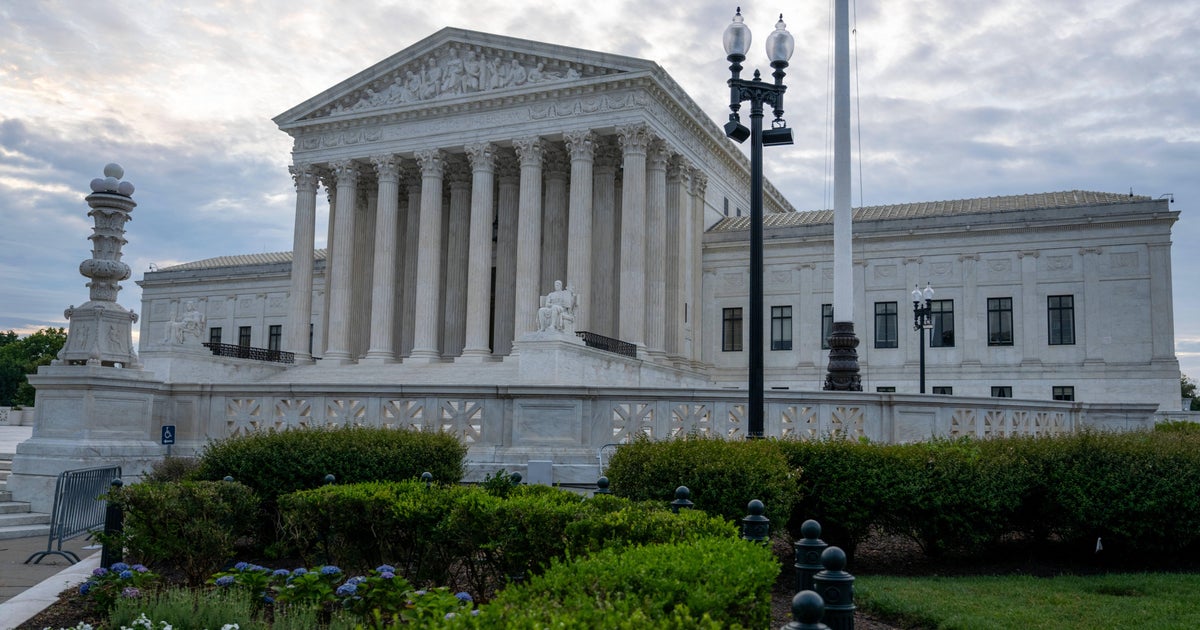
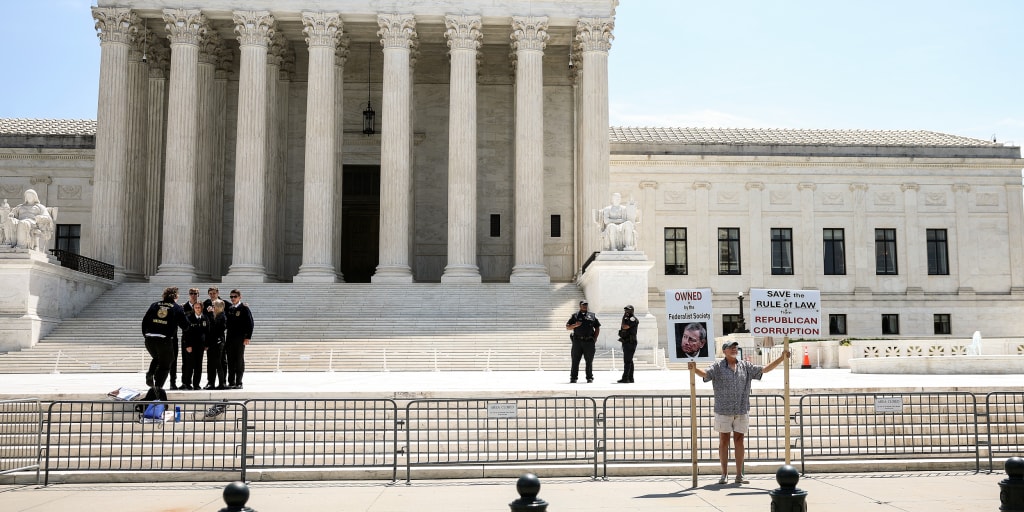
The Supreme Court on June 25 handed Bayer a sweeping legal victory, ruling 7-2 that the company cannot be sued under state law for failing to warn that its Roundup weedkiller and the chemical glyphosate cause cancer — a decision that could extinguish tens of thousands of pending lawsuits.
Writing for the majority, Justice Brett Kavanaugh held that the Federal Insecticide, Fungicide, and Rodenticide Act, known as FIFRA, preempts state failure-to-warn claims when the Environmental Protection Agency has determined a product is safe and declined to require a cancer warning label. Because the EPA deems glyphosate safe when used as directed, Kavanaugh wrote, states cannot impose a conflicting labeling requirement through their courts.
The case was brought by John Durnell, a Missouri man who used Roundup for decades before being diagnosed with non-Hodgkin lymphoma. A St. Louis jury awarded him more than $1 million in 2019 after finding that Monsanto, which Bayer acquired in 2018, had failed to warn of the risk. The high court's ruling reverses that verdict and the legal theory underpinning it.
Justice Ketanji Brown Jackson dissented, joined by Justice Neil Gorsuch — an unusual ideological pairing. The dissenters argued the majority read federal preemption too broadly, stripping injured plaintiffs of their traditional right to seek redress in state court and handing manufacturers a shield Congress never intended.
The stakes for Bayer were enormous. The German conglomerate has faced a torrent of litigation since acquiring Monsanto, paying out billions of dollars in settlements and verdicts while tens of thousands of additional claims remained pending. Bayer hailed the decision as a "landmark" that brings legal certainty, and its shares were expected to benefit from the removal of a years-long overhang.
The ruling is also a defeat for the "Make America Healthy Again" movement and other critics who have pushed to hold pesticide makers accountable and force stronger warnings on glyphosate, the world's most widely used herbicide. The International Agency for Research on Cancer has classified glyphosate as "probably carcinogenic to humans," even as the EPA has maintained it is safe when used properly — a scientific and regulatory split the Court's decision now resolves firmly in industry's favor.
Consumer and environmental advocates warned the ruling could insulate a broad swath of federally regulated products from state-law accountability, potentially reshaping product-liability law well beyond pesticides. For now, the immediate effect is clear: the legal pathway that produced billions in Roundup verdicts has been largely closed.