Supreme Court Eases Reentry Rules for Green Card Holders as Sotomayor Reads a Searing Dissent Aloud
In a 6-3 decision written by Justice Samuel Alito, the court held that border officers need not have 'clear and convincing evidence' of a crime to bar lawful permanent residents — one of two immigration wins handed to the Trump administration in a single morning.
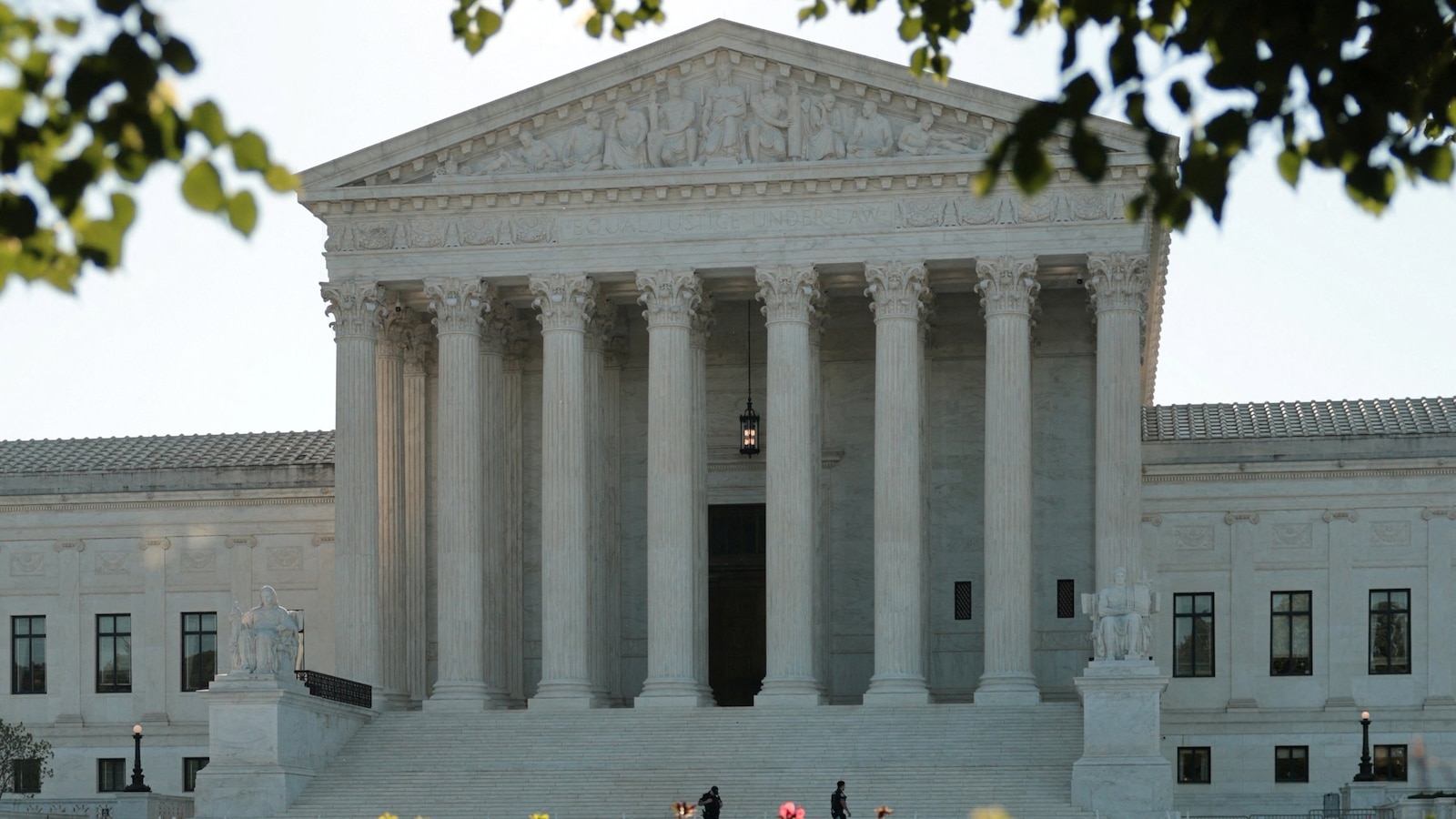
The Supreme Court's conservative majority handed the Trump administration a pair of significant immigration victories, ruling that the government does not need "clear and convincing evidence" that a green card holder has committed a disqualifying crime before turning the person away at the border.
Justice Samuel Alito wrote the decision, which held that federal immigration law imposes no such heightened evidentiary burden on border officers screening lawful permanent residents seeking to reenter the country. The 6-3 ruling fell along the court's familiar ideological lines, with the three liberal justices in dissent. Together with a separate immigration ruling issued the same morning, the decisions pave the way for the administration to remove or exclude well over a million people, a sweep the White House celebrated as a "tremendous win."
The morning was marked by an unusual breach of the court's customary decorum. Justice Sonia Sotomayor took the rare and symbolic step of reading her dissent aloud from the bench, a move justices reserve for cases in which they believe the majority has gone badly astray. In an even more striking departure, Alito then responded to her publicly from the bench, stunning courtroom observers accustomed to the justices keeping their sharpest disagreements confined to the printed page.
Immigrant rights advocates warned that the decision strips longtime legal residents of a meaningful safeguard, allowing officers to bar people who have built decades of life in the United States on thinner suspicion than the law has traditionally been understood to require. Administration officials countered that the ruling restores discretion to frontline agents and removes what they described as a judicially invented hurdle to enforcing the nation's immigration laws.
The rulings arrived during the most consequential stretch of the court's term, with several blockbuster cases still unresolved. Justices have yet to decide the fate of Trump's executive order seeking to end birthright citizenship, a challenge to his attempt to fire Federal Reserve Governor Lisa Cook, and disputes over transgender athletes and mail-in ballot deadlines. A Quinnipiac University poll conducted June 18 to 22 found that 69 percent of registered voters believe the court should preserve birthright citizenship, underscoring the political stakes as the justices race to clear their docket before the summer recess.