Social Security Insolvency Now Projected for 2032, Threatening a 22% Benefit Cut
The program’s trustees moved the depletion date a year earlier, warning that more than 70 million Americans face automatic cuts of about $500 a month unless Congress acts.

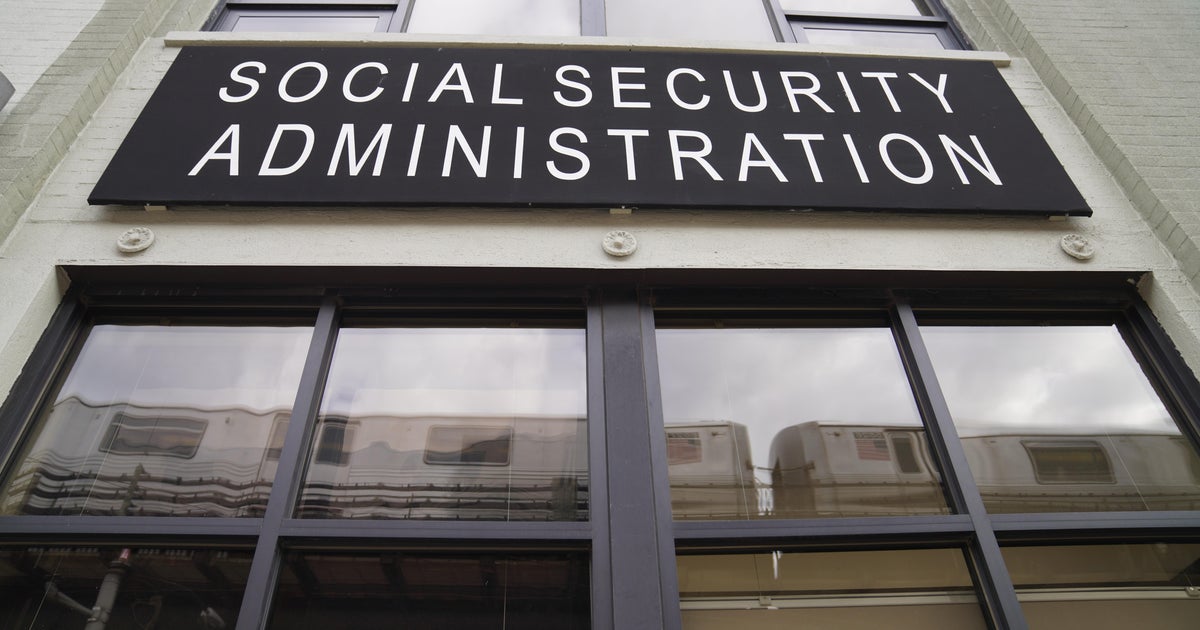
Social Security's retirement trust fund is now on track to run dry by the end of 2032, a year earlier than projected just twelve months ago, according to the program's annual trustees report. If that happens without congressional action, the system would be able to pay only about 78% of promised benefits — an automatic, across-the-board cut of roughly 22% for more than 70 million Americans who rely on the checks.
In dollar terms, the average beneficiary would see monthly payments slashed by about $500, a blow that would ripple through household budgets in every state. The trustees project the shortfall would deepen over time, with the gap widening to as much as 38% by the year 2100 absent reforms.
The accelerated timeline stems from a mix of demographic and fiscal pressures. The trustees lowered their long-term fertility assumption to 1.75 births per woman, down from 1.9, meaning fewer future workers paying into the system to support a growing population of retirees. Analysts also attribute part of the earlier date to the 2025 "One Big Beautiful Bill Act," which reduced the income taxes that beneficiaries pay on their benefits and therefore cut a stream of revenue that flowed back into the trust fund.
Advocates reacted with alarm. "If we cut Social Security, nobody will be able to retire," said Nancy Altman of Social Security Works. AARP CEO Dr. Myechia Minter-Jordan said flatly, "No family should see any cuts to what they've earned in Social Security." Elizabeth Wilkins of the Roosevelt Institute placed the blame on lawmakers, arguing that "Congress has failed to update the program for the economy we currently have."
The report intensifies pressure on a politically fraught issue that lawmakers in both parties have long avoided. Options to close the gap — raising the payroll tax, lifting the cap on taxable wages currently set at $184,500, trimming benefits for higher earners, or raising the retirement age — all carry political risk. Social Security Commissioner Frank Bisignano sought to reassure the public, saying his job "was to make it perform as well as possible so you all have a set of options." But with the depletion date now inside a decade, economists warn that the longer Congress waits, the more painful any eventual fix will be.
The stakes are not evenly distributed. An analysis by the Committee for a Responsible Federal Budget found that no state would be spared, but regions with older populations and lower average incomes would feel the automatic cuts most acutely, since Social Security makes up a larger share of household income there. For a typical dual-earner couple retiring around the depletion date, the lost benefits could total tens of thousands of dollars over a retirement. Budget watchdogs note that every year of delay shrinks the menu of gradual fixes and raises the odds that future retirees face abrupt, across-the-board reductions instead of a phased-in solution.