IMF Backs the Fed's Rate Hold as U.S. Economic Growth Is Revised Up to 2.1%
The International Monetary Fund said the American economy retains 'solid momentum' and praised new Federal Reserve Chair Kevin Warsh's commitment to price stability, even as looming tariffs cloud the second-half outlook.

The International Monetary Fund offered an upbeat assessment of the U.S. economy on Thursday, saying growth retains "solid momentum" and endorsing the Federal Reserve's decision to keep interest rates on hold despite political pressure to cut.
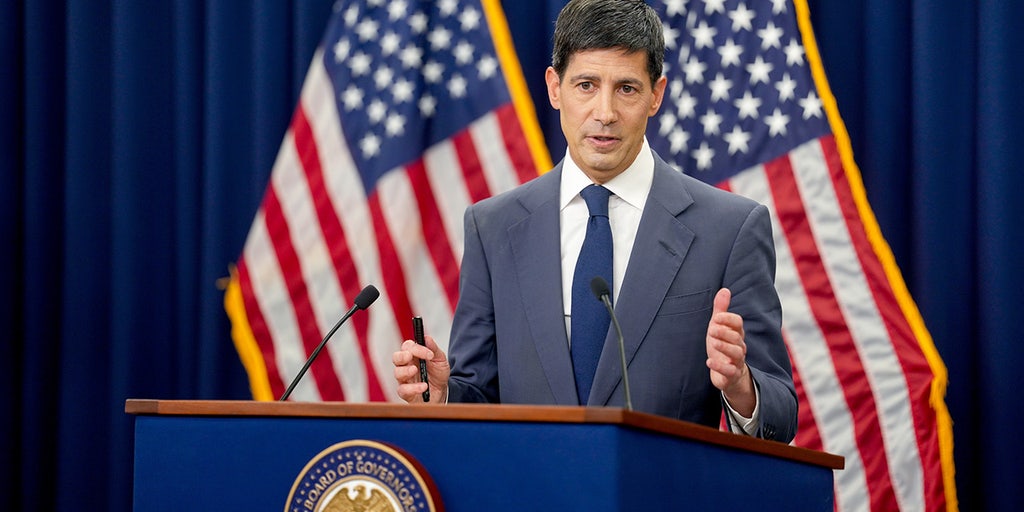
In its annual review of the American economy, the fund said inflation is on track to return to the Fed's 2 percent target by the end of 2027 and welcomed what it called the "strong commitment" of new Fed Chair Kevin Warsh to delivering price stability. The Fed left its benchmark federal funds rate unchanged in a target range of 3.5 to 3.75 percent at its meeting on June 17, after cutting three times in late 2025.
The IMF's vote of confidence coincided with fresh data showing the economy was stronger than first thought. The Commerce Department revised first-quarter gross domestic product growth up to a 2.1 percent annualized rate, from the 1.6 percent pace reported earlier, citing firmer productivity gains and resilient capital investment. The fund described economic activity as expanding at a solid clip even amid elevated uncertainty tied in part to the conflict in the Middle East.
That uncertainty has reshaped expectations on Wall Street. After betting earlier this year on further rate relief, markets now anticipate no additional easing in 2026 and have begun to price in the possibility of a rate hike, a reflection of stubborn price pressures aggravated by higher energy costs during the Iran war. Warsh, who took the helm of the central bank this spring, has struck a notably hawkish tone, signaling he is more worried about reigniting inflation than about slowing growth.
The outlook is not without risks. Treasury Secretary Scott Bessent indicated that tariffs could climb back toward prior levels by early July, a move that would keep trade policy near the top of investors' list of concerns and could feed directly into consumer prices. For now, the combination of the IMF's endorsement and the upward GDP revision gave the administration a rare piece of unambiguously positive economic news, even as households continue to feel the strain of the fastest price increases in three years.