Strait of Hormuz Closure Chokes Global Fertilizer Trade, Threatening 2027 Food Prices
With a third of the world's fertilizer shipments stalled by the war in Iran, nitrogen prices have jumped 80 percent since February — and economists warn the real hit to American grocery bills is still to come.

A fertilizer shortage triggered by the war in Iran is rippling through the world's farms, and economists warn that American consumers may not feel the full impact at the grocery store until next year's harvest.
The crisis dates to Feb. 28, when the United States and Israel launched Operation Epic Fury against Iranian nuclear and military targets and Iran retaliated with drone strikes on commercial shipping in the Persian Gulf, declaring the Strait of Hormuz closed. That narrow waterway is a critical artery for fertilizer and for the natural gas used to manufacture it. Its effective closure has stalled an estimated one-third of all global fertilizer trade — roughly 3 million to 4 million tonnes a month unable to reach markets.
The price shock has been severe. Nitrogen, in the form of urea, climbed above $850 per metric ton in April, an 80 percent jump since February and the highest level since April 2022. Because natural gas is the key feedstock for nitrogen fertilizer, the supply squeeze has hit farmers on two fronts at once, raising both the cost of the product and the cost of making it.
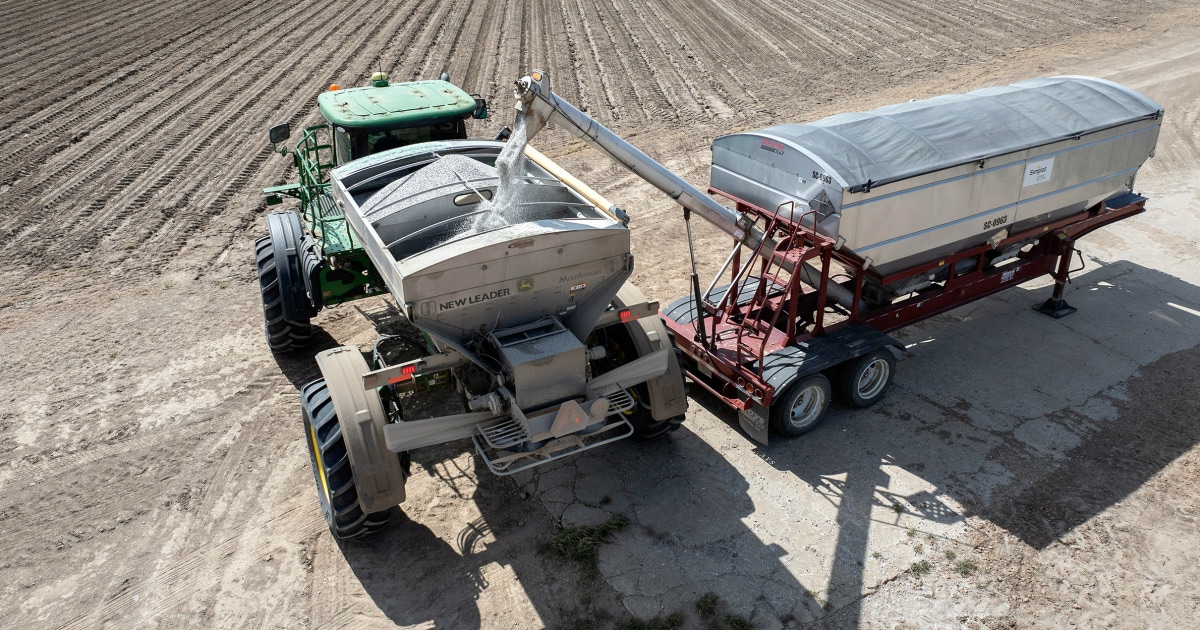
For growers, fertilizer is not a minor line item. Producers of corn and wheat, which depend heavily on nitrogen, can spend roughly a third of their operating costs on fertilizer alone. A survey released in April found that 70 percent of respondents said they could not afford all the fertilizer they needed for the season, forcing some to cut applications and risk lower yields.
American farmers were partly shielded this year by timing and habit. Many secure their fertilizer supplies well before planting, and the U.S. corn-growing season typically begins in April, so a good share of this year's crop was already covered when prices spiked. That cushion, however, is temporary — the same survey found corn growers were twice as worried about the 2027 crop as about this year's.
That lag is what has economists watching closely. If the strait remains disrupted and fertilizer stays scarce and expensive into the next buying cycle, the higher input costs could translate into thinner harvests and steeper prices for the corn, wheat and soybeans that underpin much of the American food supply — meaning the war's effect on dinner tables may only begin to show up in 2027.
Analysts caution that the fertilizer squeeze could compound other pressures already weighing on farmers, from elevated fuel and labor costs to tariffs and a run of severe weather. Because fertilizer decisions ripple forward by a full season, any sustained disruption in the strait risks locking in higher costs well into next year, and agricultural economists say a prolonged blockade would test how much of the burden farmers can absorb before it reaches consumers at the checkout line.