Supreme Court Strikes Down Limits on Party Spending Coordinated With Candidates, 6-3
Writing for the majority in NRSC v. FEC, Justice Kavanaugh said decades-old caps on coordinated party expenditures violate the First Amendment — unleashing party money months before the midterms.
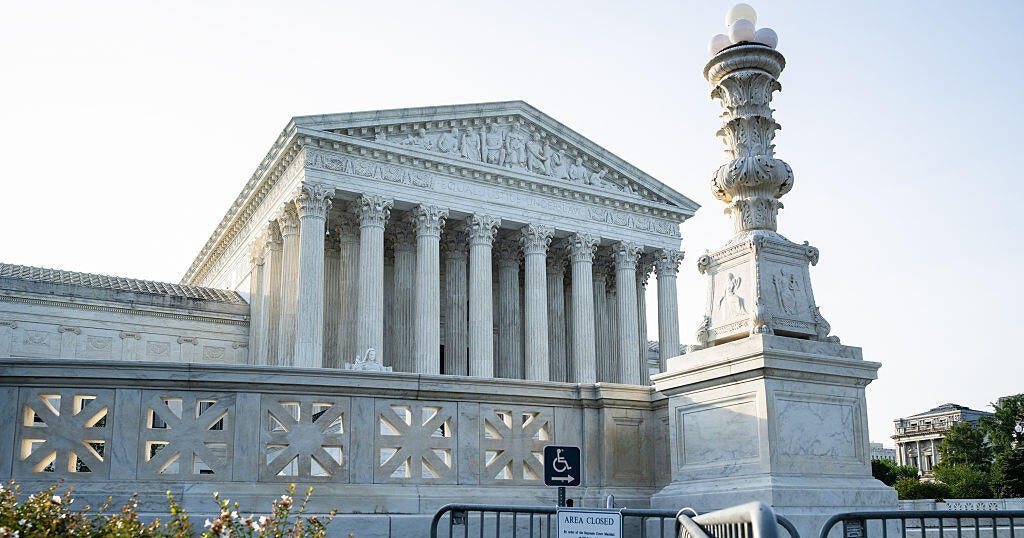
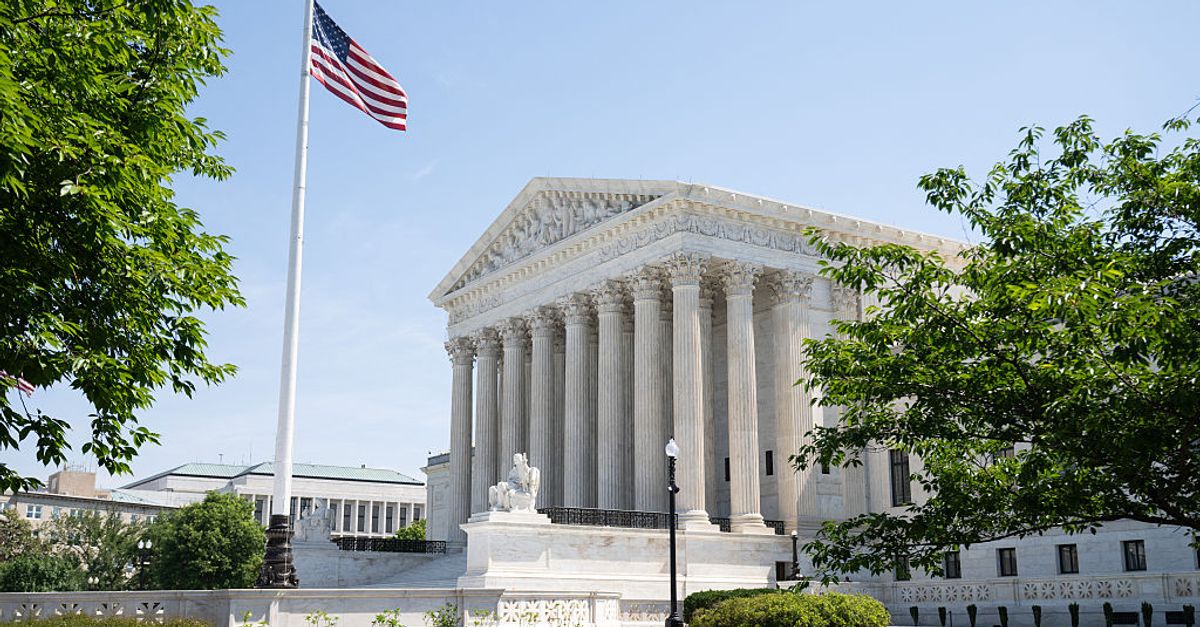
The Supreme Court on Tuesday struck down decades-old federal limits on how much political parties can spend in coordination with their candidates, a 6-3 ruling that reshapes the flow of money into American elections just months before the midterms.
In National Republican Senatorial Committee v. Federal Election Commission, the court's conservative majority held that caps on so-called coordinated party expenditures violate the First Amendment's protection of political speech. Writing for the majority, Justice Brett Kavanaugh said the decision "treats all political parties equally," clearing the way for Democratic and Republican committees alike to spend without limit in concert with the campaigns they back.
At issue were restrictions written into the Federal Election Campaign Act, the post-Watergate law that has governed federal campaign finance for a half-century. Under the rules being struck down, party committees in the 2026 cycle could spend roughly $65,300 to $130,600 in coordination with House campaigns and between $130,600 and about $4 million with Senate candidates, according to the Federal Election Commission. Those ceilings are now gone.
The practical effect is significant. Party committees have long maintained walled-off "independent expenditure" arms that were legally barred from coordinating strategy with candidates — an awkward structure built specifically to get around the coordination caps. With the limits invalidated, the parties can now fold that spending back into direct, coordinated support, letting the RNC, DNC and their congressional campaign arms plan advertising and strategy hand-in-hand with the candidates they nominate.
Republicans, who brought the challenge, hailed the outcome as a vindication of free-speech principles. The majority reasoned that the government "has no authority to place arbitrary limits on how political parties support the candidates they nominate," and supporters argued the ruling simply lets parties "participate more freely and compete more fully" in the political process. The case had roots in a challenge Republicans first mounted in 2022.
Democratic leaders blasted the decision as a giveaway to the wealthy, calling it "a win for billionaire donors and special interests who want more influence" and "an invitation for corruption." The three liberal justices dissented, warning that erasing the coordination limits would further erode the guardrails Congress built to curb the appearance and reality of quid pro quo influence.
The timing sharpens the stakes. With control of both the House and Senate on the line in November, the ruling hands party committees a powerful new tool to marshal money in the closing months of the campaign. Election-law experts said the decision continues a years-long trend of the Roberts court loosening campaign-finance restrictions, and its full impact will play out in the torrent of party spending expected to follow.