Venezuela's Twin Quakes Kill More Than 2,600 as Nearly 50,000 Remain Unaccounted For
Eleven days after two powerful earthquakes flattened swaths of Venezuela's coast, rescuers are still pulling survivors and bodies from the rubble — and a forensic pathologist says the official toll may be barely a third of the real number.
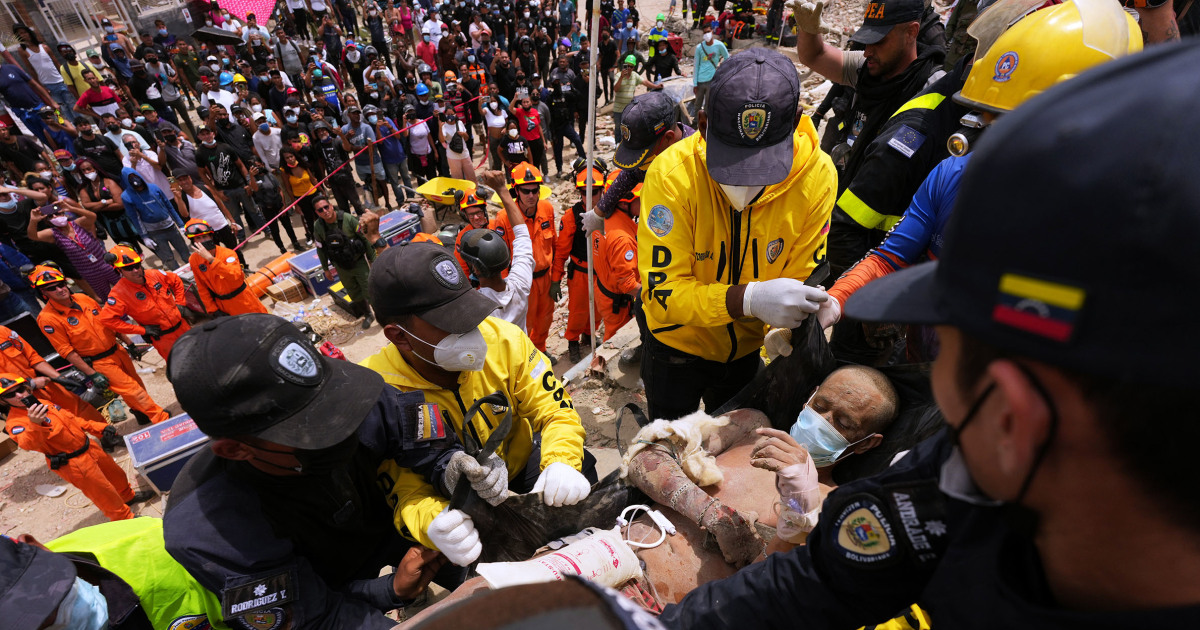
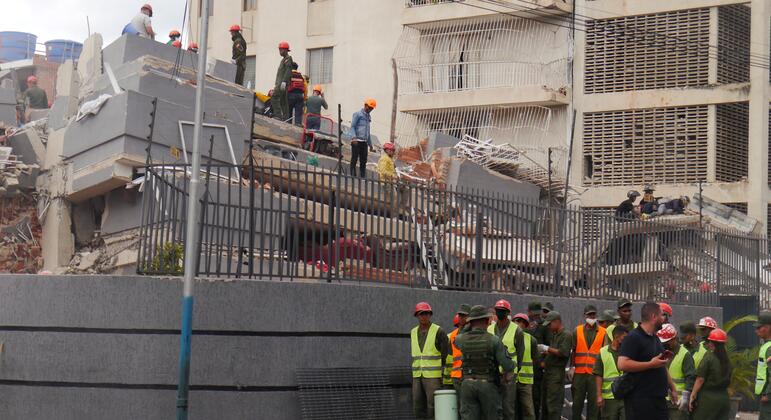
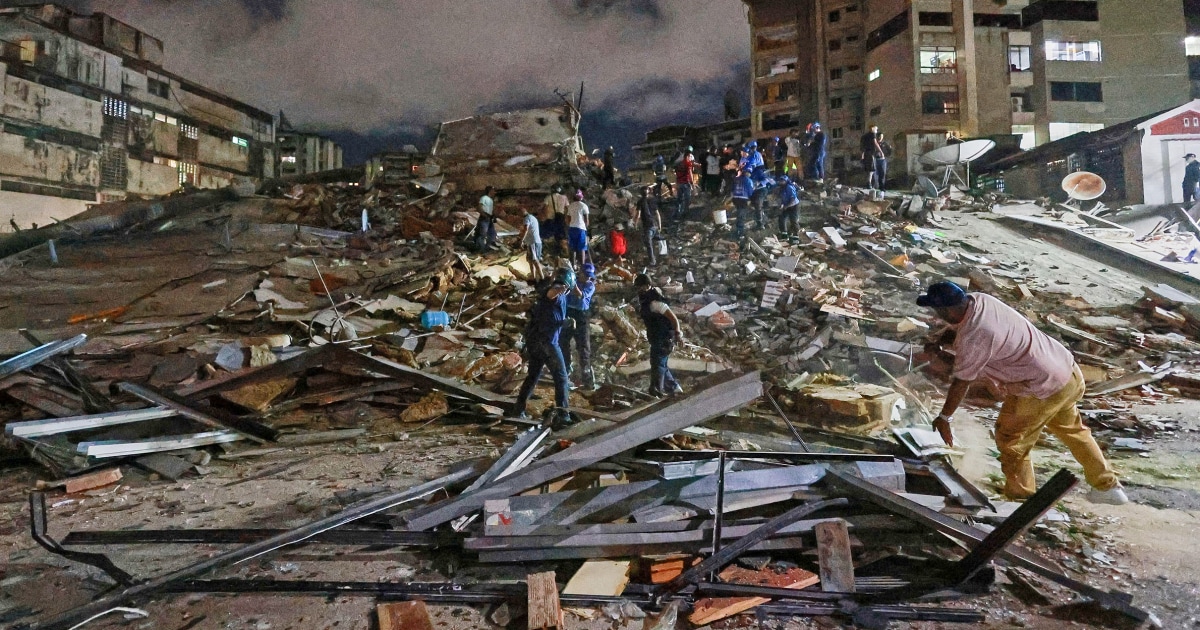
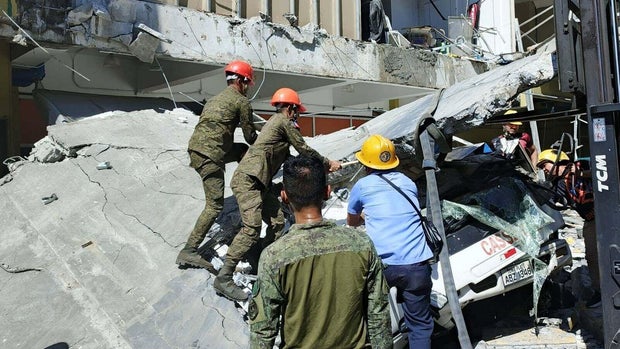
More than 2,600 people are confirmed dead and nearly 50,000 remain unaccounted for in Venezuela, where two earthquakes that struck on June 24 have become the deadliest natural disaster in the country's modern history. Eleven days on, exhausted rescue crews in the coastal state of La Guaira and around the capital, Caracas, are still digging through pancaked apartment blocks — occasionally to the sound of a voice, more often to recover the dead.
The twin quakes, centered in Veroes Municipality west of San Felipe, leveled homes, schools and hospitals across a densely populated stretch of the Caribbean coast. Venezuelan officials put the confirmed death toll at roughly 2,645 and said at least 12,600 people have been injured. But the number that has alarmed relief agencies most is the missing: close to 50,000 people whose fate is still unknown more than a week after the shaking stopped.
There is growing dispute over whether the government's count reflects the true scale of the catastrophe. A forensic pathologist in La Guaira told CNN she believes the official figure amounts to "not even a third of what is actually there," describing a makeshift morgue processing around 400 bodies a day. The U.S. Geological Survey's PAGER estimate has warned the eventual toll could climb past 10,000 — a projection that, if borne out, would place the disaster among the deadliest quakes of the century.
Amid the grief there have been flashes of the extraordinary. On July 2, rescuers pulled a man alive from the debris eight days after the earthquakes struck, one of a handful of "miracle" recoveries that have kept crews searching long past the window in which survival is considered likely. Days earlier, teams reported finding fresh signs of life beneath a collapsed building, and a man was filmed waving his hand through a gap in the concrete. A 4.9-magnitude aftershock off the northern coast in the days after the main shocks sent already-traumatized residents fleeing into the streets and briefly halted rescue operations.
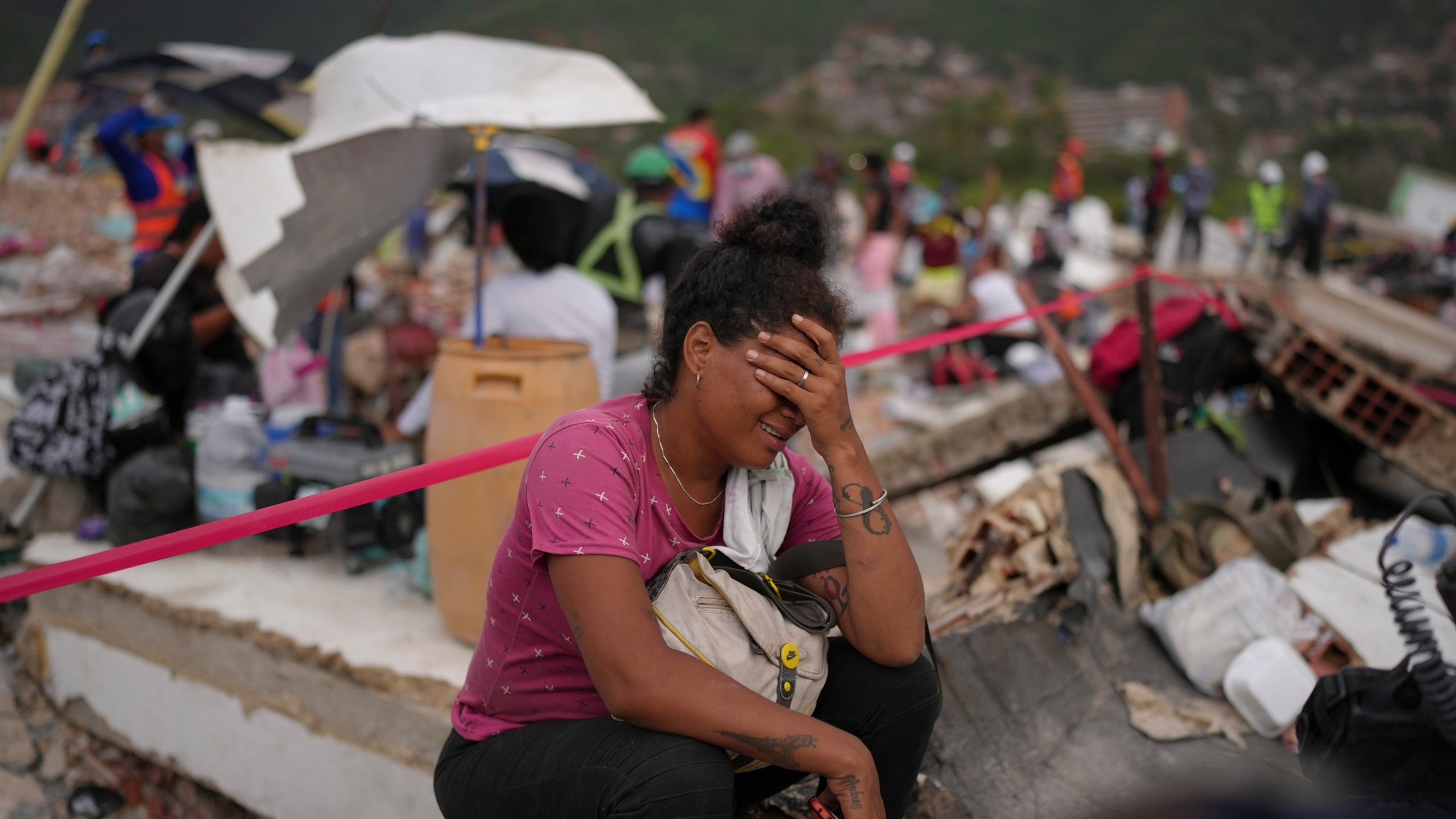
The United Nations has scaled up its response, and international search-and-rescue teams have joined Venezuelan crews, but the effort is hampered by damaged roads, patchy power and a health system that was fragile before the disaster. Aid groups warn that the recovery — clearing rubble, identifying the dead, sheltering tens of thousands left homeless — will stretch on for months. For now, the daily reality in La Guaira is families gathering at cordoned-off ruins, holding photographs and waiting for word that, for most, is no longer likely to be good.