Supreme Court Overturns 91-Year-Old Humphrey's Executor, Handing Trump Sweeping Power to Fire Independent Regulators
In a 6-3 ruling in Trump v. Slaughter, the justices erased a 1935 precedent that had shielded agency commissioners from at-will removal — though they pointedly carved out the Federal Reserve.

The Supreme Court on June 29 demolished one of the load-bearing walls of the modern administrative state, ruling 6-3 that President Donald Trump may fire the leaders of independent federal agencies at will and overturning Humphrey's Executor v. United States, a unanimous 1935 decision that had stood for 91 years.
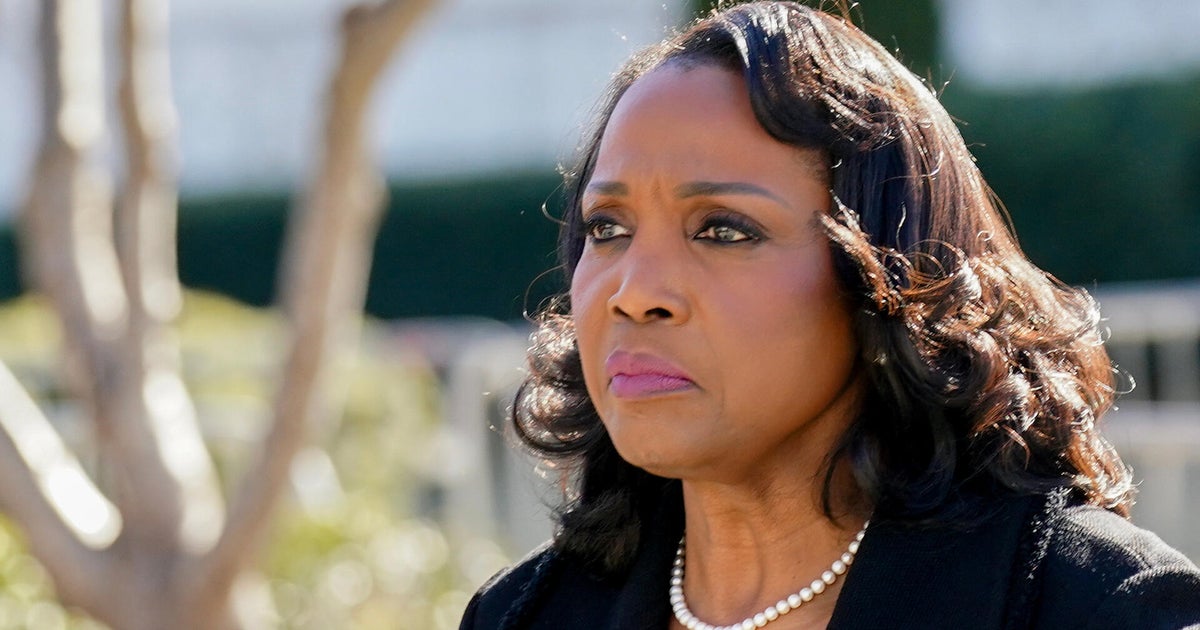
The case, Trump v. Slaughter, grew out of Trump's removal of Rebecca Slaughter, a Democratic member of the Federal Trade Commission, without citing any of the statutory grounds — inefficiency, neglect of duty, or malfeasance — that Congress wrote into the FTC Act to protect commissioners from political retaliation. Trump instead told Slaughter and fellow Democrat Alvaro Bedoya that their continued service was "inconsistent with my Administration's priorities."
Writing for the majority, Chief Justice John Roberts held that officials who wield the president's executive power must answer to him. "The President must have the assistance of officers he can trust," Roberts wrote, adding that "subordinates who exercise the President's power are subject to removal by him." Because the FTC "unquestionably exercises executive power" by enforcing federal statutes and filing civil suits, he concluded, its commissioners can be dismissed at the president's pleasure. In case there was any doubt about how little of the old precedent survived, Roberts wrote that "if anything more is left of Humphrey's, the Court overrules it."
Justice Sonia Sotomayor, joined by Justices Elena Kagan and Ketanji Brown Jackson, delivered a scathing dissent. The majority, she wrote, "discards" a settled constitutional framework "in favor of one that distorts the structure of Government" and pushes the country toward "unitary, total executive control." Independent agencies from the Federal Communications Commission to the National Labor Relations Board and the Securities and Exchange Commission — bodies Congress deliberately insulated from White House pressure — now sit squarely within the president's reach.
In a move that surprised some court-watchers, the justices simultaneously declined, in a separate matter styled Trump v. Cook, to let Trump remove Federal Reserve Governor Lisa Cook. The majority reasoned that the Fed occupies a "distinct historical tradition" tracing back to the First and Second Banks of the United States and is "not subject to plenary Presidential control," a carve-out that preserves the central bank's prized independence over interest rates even as the rest of the regulatory apparatus loses its firewall.
Legal scholars called the pairing a deliberate signal: a near-total consolidation of executive authority over policy-setting agencies, with the Fed treated as a singular exception. Business groups and administrative-law firms rushed out client alerts warning that every for-cause removal statute on the books is now vulnerable, while Democrats warned the ruling clears the way for a president to purge any regulator who crosses him.
In plain terms: the president can now hire and fire the people who police banks, broadcasters, and corporate mergers, just like members of his own Cabinet. The one big exception the court kept off-limits is the Federal Reserve, which still gets to set interest rates without fear of a presidential firing.