Vatican Excommunicates Breakaway Bishops, Declaring the Society of St. Pius X in Schism
After the traditionalist society consecrated four new bishops in Switzerland against Pope Leo XIV's wishes, Rome ruled the ordaining bishops automatically excommunicated and warned that its priests and faithful now risk the same.
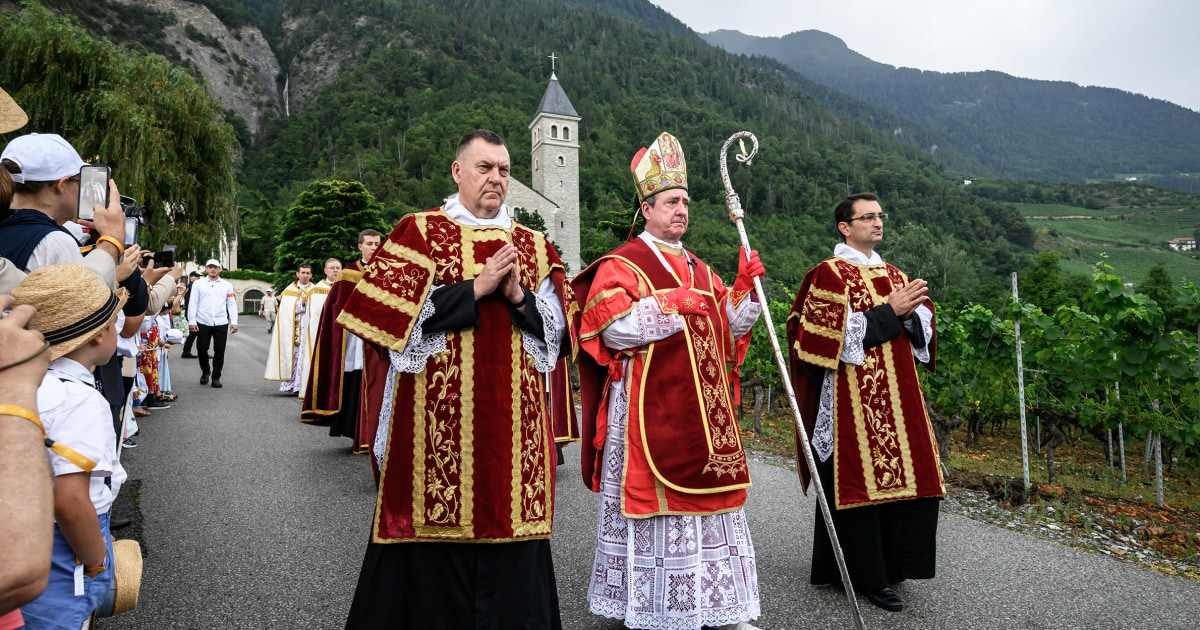
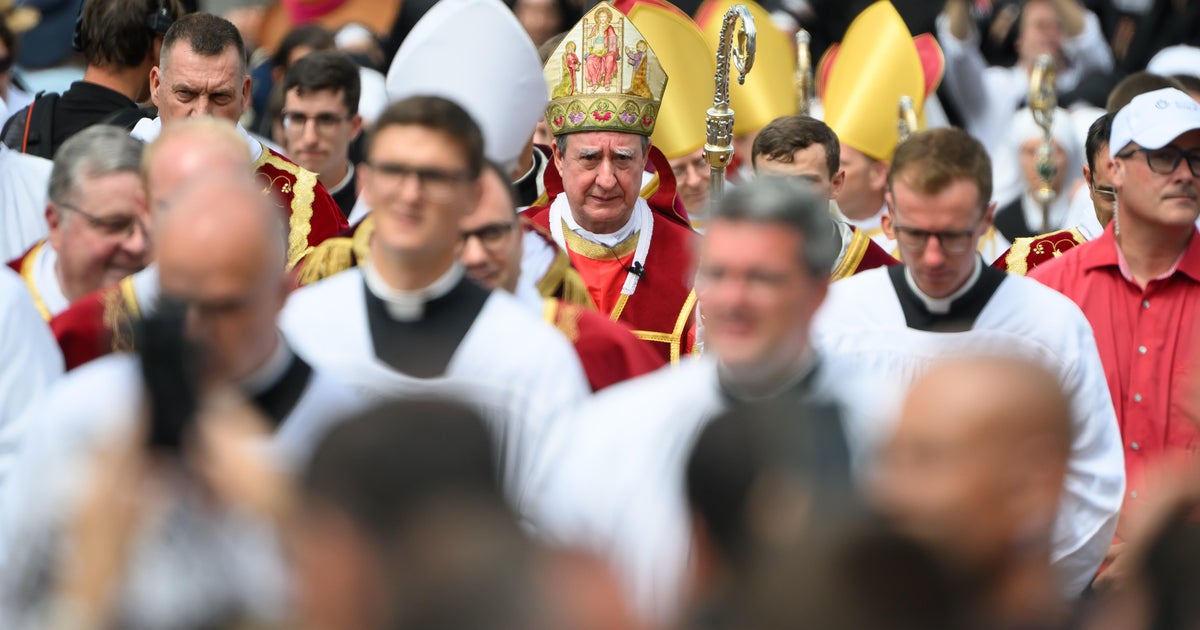
The Vatican on July 2 declared the traditionalist Society of St. Pius X to be in formal schism and pronounced its bishops automatically excommunicated, the sharpest rupture between Rome and the breakaway movement in nearly four decades. The decree came a day after the society, known as the SSPX, consecrated four new bishops in Switzerland in open defiance of Pope Leo XIV.
The ordination Mass, which the SSPX said drew some 15,500 worshippers over roughly five hours, took place on July 1 — 38 years to the day after the society's founder, French Archbishop Marcel Lefebvre, was excommunicated alongside four bishops he had consecrated without papal approval in 1988. The Vatican's decree said the six bishops involved in the new ceremony had incurred automatic excommunication, and it warned that SSPX priests and lay members who "adhere" to the schism will fall under the same penalty "from now on."
Beyond the excommunications, the Vatican moved to strip the society's ministry of validity where it touches the wider Church. The decree declared SSPX priests schismatic and said the sacraments of confession and marriage they administer are invalid — a ruling with immediate, intimate consequences for the many Catholics who attend the society's chapels around the world. Cardinal Secretary of State Pietro Parolin voiced "deep sorrow" over the ordinations.
The SSPX was born in 1970 out of Lefebvre's opposition to the modernizing reforms of the Second Vatican Council, and it has long occupied an ambiguous middle ground — not fully in communion with Rome, yet the target of repeated efforts to bring it back into the fold. Pope Benedict XVI lifted the excommunications of four SSPX bishops in 2009, and later popes granted concessions, including recognizing the society's power to hear confessions and, in some cases, witness marriages. Wednesday's sanctions effectively reverse that long thaw.
Church officials and canon lawyers say the practical effects will unfold slowly, as dioceses weigh how to treat the society's clergy and the faithful who worship with them. What is not in doubt is the symbolism: a pope who has emphasized unity in the early months of his pontificate has drawn a hard line against a movement that defines itself by resistance to Rome. Whether the decree pushes the SSPX further into isolation or eventually forces a reckoning within its ranks is, for now, an open question inside a Church that has spent 55 years trying to answer it.