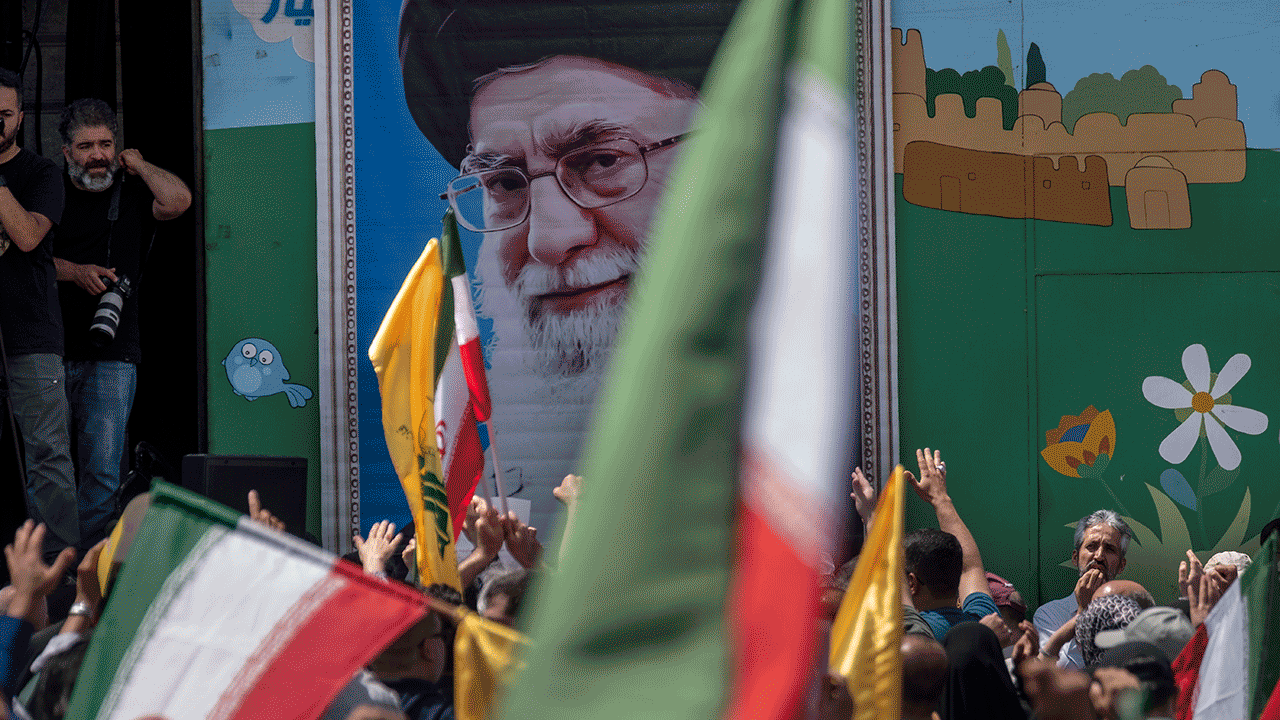
Millions Flood Tehran for Khamenei's State Funeral as Mourners Chant 'Revenge, Revenge'
Iran began a days-long farewell for its slain supreme leader, killed in this year's war, with red banners and calls for retaliation against the United States and Israel.
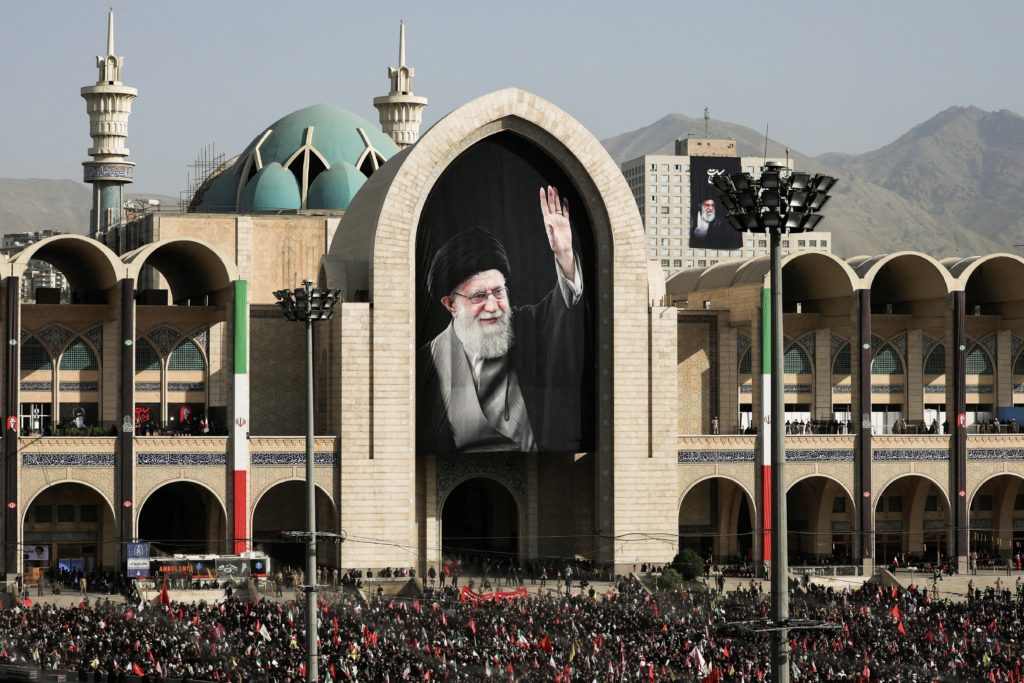
Enormous crowds surged through the streets of Tehran on Saturday as Iran began a days-long state funeral for Ayatollah Ali Khamenei, the supreme leader who ruled the Islamic Republic for more than three decades before he was killed in an airstrike at the start of this year's war with the United States and Israel.
Iranian officials said they expected between 15 and 20 million people to take part in the ceremonies over several days, which would make it the largest state funeral in the country's history. Mourners packed the courtyard of Tehran's Grand Mosalla, many carrying red banners — a color long associated in Shiite tradition with martyrdom and calls for revenge — as they waited for the arrival of the coffin.
The mood was one of grief fused with fury. "Our word is one! Revenge! Revenge!" some chanted, while others cried "We will kill, we will kill he who killed our Imam." A eulogist told the crowd, "We have come not for the funeral but for revenge." Chants of "death to America" and "death to Israel" echoed across the square, a reminder that the war that killed Khamenei has left the region on edge and a fragile pause in hostilities far from settled.
Khamenei, who was 86, had led Iran since 1989, when he succeeded the republic's founder, Ayatollah Ruhollah Khomeini. As supreme leader he held ultimate authority over the armed forces, the judiciary and the country's nuclear program, outlasting eight American presidents and steering Iran through sanctions, protests and proxy wars across the Middle East. His death in February removed the single most powerful figure in the Iranian system and set off a delicate succession that the country's clerical establishment is still managing.
Security around the events was extraordinary. Iranian media reported that Khamenei's son Mojtaba, long viewed as a potential successor, was kept from attending the procession over concerns about a possible assassination, underscoring the sense of vulnerability inside the leadership even as the state projected an image of unity and strength. President Masoud Pezeshkian was shown weeping as he bid farewell to the coffin.
For Iran's rulers, the choreographed outpouring serves a dual purpose: to honor a leader they cast as a martyr and to demonstrate that the system he built can mobilize the masses and endure without him. For the wider region, the chants for revenge raised an uneasy question about whether the recent lull in fighting will hold, or whether the funeral marks the prelude to a new phase of confrontation.