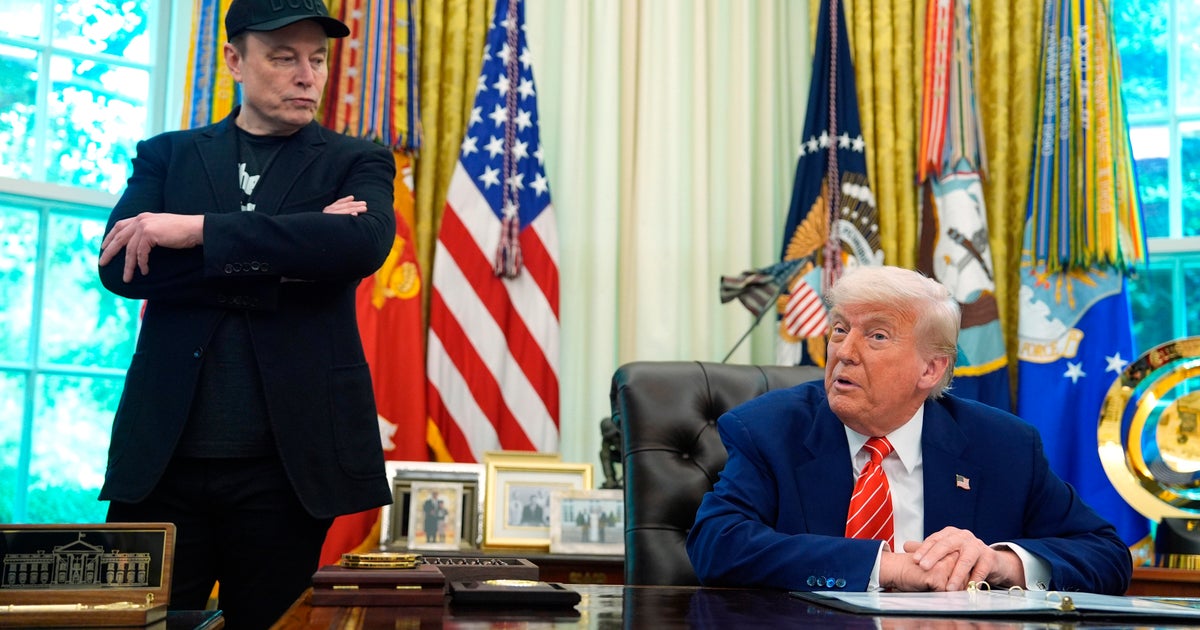
DOGE Quietly Sunsets on July 4, Claiming $215 Billion in Savings — a Tenth of Its $2 Trillion Promise
The cost-cutting initiative launched by Elon Musk reached the expiration date written into its charter, ending an 18-month experiment that reshaped the federal workforce but fell far short of its goals.

The Department of Government Efficiency, the cost-cutting effort that became one of the most disruptive features of President Donald Trump's second term, formally sunset on July 4 — the expiration date written into the executive order that created it 18 months earlier.
DOGE ended with a claim of $215 billion in savings, according to figures posted on its own website, which credited the total to canceled contracts, terminated leases, scrapped grants, regulatory rollbacks and a sharp reduction in the federal workforce. Broken down, the group said that amounted to roughly $1,335 per taxpayer.
But that figure sits far below the ambitions the effort was launched with. When Trump named Elon Musk and Vivek Ramaswamy as co-leaders in November 2024, they spoke openly of cutting $2 trillion from federal spending. The final claimed number represents only about a tenth of that target — and independent analysts have argued even the $215 billion is inflated, noting that DOGE's public receipts account for only a fraction of the claimed total and that some savings reflect projected future cuts rather than money actually saved.
The organization had effectively unwound long before its official end date. Musk departed in May 2025 after about 130 days, declaring that his work was "not the end" even as his influence over the project faded. By November 2025, DOGE had ceased functioning as a centralized entity, its responsibilities scattered across agencies. Office of Management and Budget Director Russell Vought confirmed on July 1 that the administration has no plans to produce a formal closing report.
The human cost of the experiment was significant. Critics say DOGE's rapid firings and program cancellations triggered an immediate loss of institutional expertise across the government, hollowing out agencies and, in some cases, disrupting programs that analysts described as life-saving. Courts intervened repeatedly, reinstating some workers and blocking parts of the effort, and watchdog groups spent months trying to reconcile DOGE's public claims with verifiable records.
Supporters counter that DOGE forced a long-overdue conversation about the size and efficiency of the federal bureaucracy and normalized aggressive scrutiny of contracts and grants. Whether it left a durable mark or simply a smaller-than-promised dent in federal spending, its quiet expiration on Independence Day closed a chapter that reshaped Washington's workforce even as it fell well short of the revolution its founders envisioned.
Budget experts say the more lasting legacy may be procedural rather than fiscal. DOGE popularized a governing style built on speed, public dashboards and a willingness to dare the courts to stop it, and elements of that approach have already migrated into individual agencies that continue to hunt for cuts without a central office directing them. Whether future administrations revive the brand or bury it, the fight over what counts as a real saving — money actually returned to the Treasury versus projected reductions that may never materialize — is likely to outlast the organization that started it.